Knowing how often should you vacuum your house is not just about cleanliness—it is about protecting your flooring investment, extending surface life, and maintaining indoor air quality. Floors collect dust, grit, hair, and microscopic debris every single day, and without proper vacuuming habits, this buildup slowly damages the surface layer of your flooring.
Whether your home features hardwood, laminate, vinyl, or patterned floors, vacuuming plays a critical role in keeping floors looking new and performing well over time. Let’s break down exactly how often you should vacuum, why it matters so much for flooring, and how to adjust your routine based on floor type and lifestyle.
Table of contents
Why Vacuuming Matters So Much for Flooring?
Before discussing schedules, it’s important to understand why vacuuming is essential for floors, not optional.
Dirt and sand act like sandpaper underfoot. Every step grinds particles into the surface, dulling finishes and creating micro-scratches. Regular vacuuming removes these abrasive particles before permanent damage occurs.
This is especially important for homes with quality finishes, modern installations, or premium surfaces such as laminate flooring for sale, where surface wear is directly linked to maintenance habits.
Smooth transitions between rooms also mean dirt travels easily—making consistent vacuuming the foundation of long-term floor care.
How Often Should You Vacuum Your Floors Based on Use
The most accurate answer to how often should you vacuum your floors depends on traffic, occupants, and flooring material. A quiet apartment and a busy family home do not require the same routine.
General Vacuuming Guidelines
Here is a practical reference table to help you decide how many times a week should you vacuum:
| Area Type | Foot Traffic Level | Recommended Vacuuming |
| Living rooms & hallways | High | 3–5 times per week |
| Bedrooms | Medium | 1–2 times per week |
| Guest rooms | Low | Once per week |
| Homes with pets | Very high | Daily or every other day |
| Allergy-sensitive homes | High | Daily |
This table emphasizes one thing clearly: flooring lasts longer when vacuuming is proactive, not reactive.
How Often Should You Vacuum Your Room?
Many people ask how often should you vacuum your room, especially bedrooms. While bedrooms see less shoe traffic, they collect dust, fabric fibers, and skin particles quickly.
Vacuuming bedrooms at least once or twice per week prevents dust buildup and keeps flooring finishes clean without overworking the surface. If your room includes rugs placed over hard floors, vacuum both the rug and the exposed flooring to prevent uneven wear.
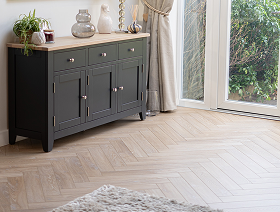
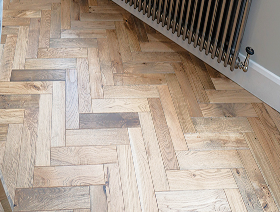
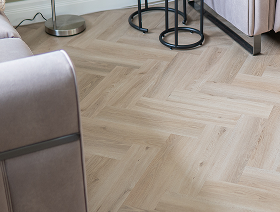
This habit is especially important in homes with modern floor layouts or decorative installations like a chevron flooring pattern, where dust settles easily into grooves and angles.
How Often Should You Vacuum Your House as a Whole?
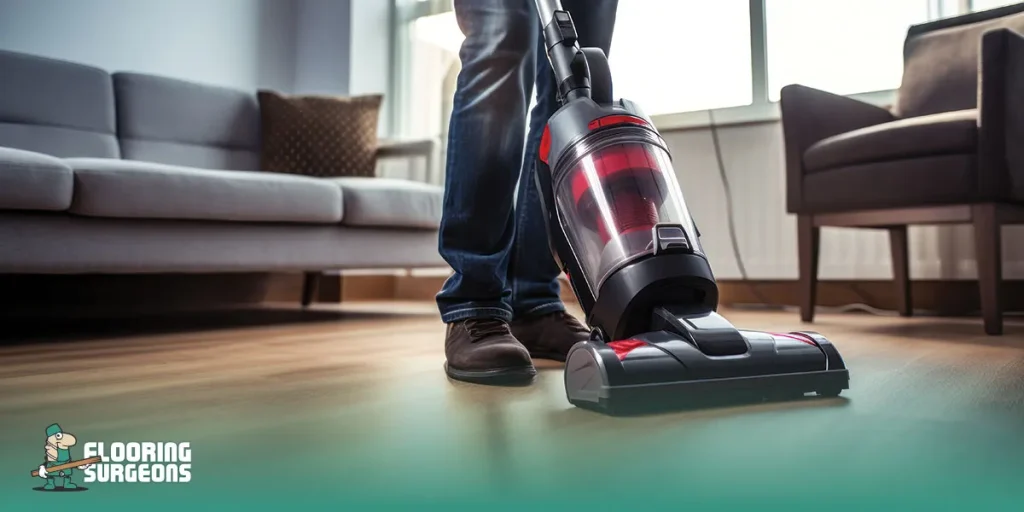
If you’re wondering how often do you vacuum your house, the best approach is to divide your home into zones rather than applying one rule everywhere.
High-traffic zones need frequent attention, while low-use spaces require lighter maintenance. Whole-house vacuuming two to three times per week works well for most households, but daily spot vacuuming in busy areas dramatically improves floor longevity.
Consistent vacuuming also prepares floors for deeper cleaning routines and prevents dirt from spreading between rooms.
Special Focus: How Often Should You Vacuum Hardwood Floors
Hardwood floors demand extra care. Many homeowners ask how often should you vacuum hardwood floors, and the answer is more often than you might expect.
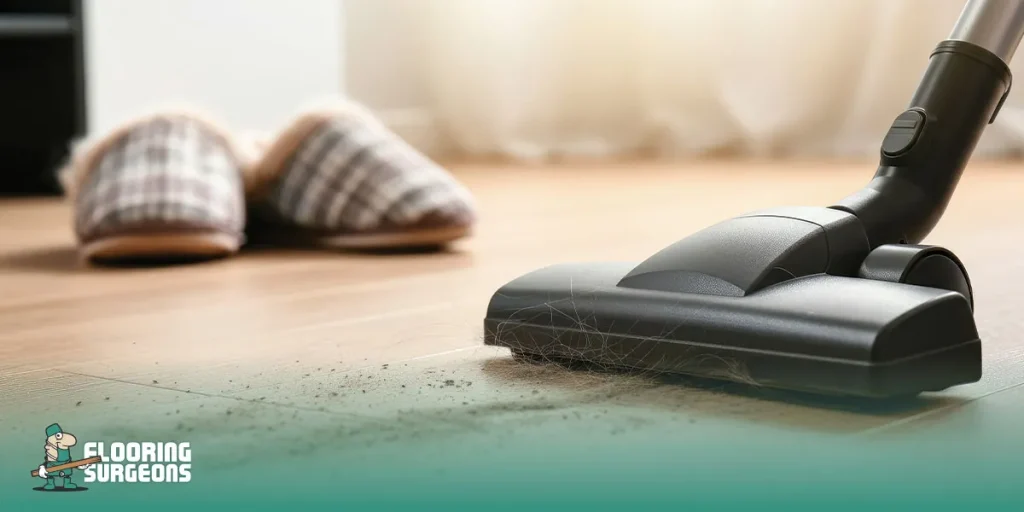
Vacuuming hardwood floors 3–4 times per week removes grit that can scratch finishes and wear down protective coatings. Use a hard-floor vacuum head without rotating brushes to avoid surface damage.
Regular vacuuming also reduces the need for wet cleaning, which can stress natural wood over time. For deeper maintenance guidance, refer to How to Clean Solid Wood Flooring as part of a complete care routine.
How Often to Vacuum Floors When You Have Pets or Allergies
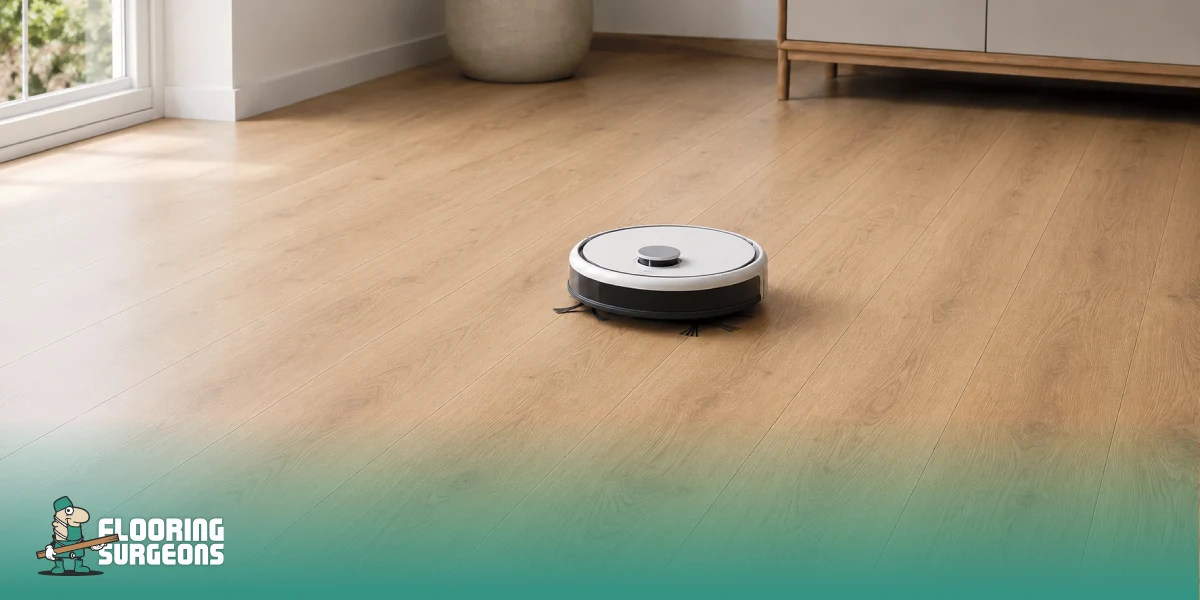
Pet hair, dander, and tracked-in debris dramatically increase the need for vacuuming. In these homes, how often to vacuum floors usually means daily, especially on hard surfaces where hair is more visible.
Vacuuming daily:
- Protects flooring finishes
- Improves air quality
- Prevents debris from embedding into seams and joints
This is particularly important for professionally installed floors maintained under expert standards such as those recommended by Flooring Surgeons.
Choosing the Right Vacuum for Your Flooring
Vacuum frequency is only effective when paired with the right equipment. Hard flooring requires:
- Strong suction
- Soft brush or no-brush heads
- HEPA filtration for fine dust
Avoid stiff rotating brushes on hard floors, especially laminate and wood, as they can cause surface dulling over time.
A proper vacuum combined with consistent scheduling ensures your flooring stays clean without unnecessary wear.
Final Thoughts: Vacuuming Is the Foundation of Floor Care
Understanding how often should you vacuum your house, how often should you vacuum your room, and how often should you vacuum your floors ultimately comes down to one principle: flooring performs best when dirt is removed early and often.
Vacuuming is the simplest, safest, and most effective way to protect your floors, reduce long-term maintenance costs, and preserve the beauty of every surface in your home.
When vacuuming becomes a routine—not an afterthought—your floors reward you with durability, cleanliness, and lasting visual appeal.

Mina Asgari
I’m an SEO Specialist and Content Strategist focused on sustainable business growth. I design data-driven content strategies by deeply analyzing user intent, search behavior, and SEO best practices, ensuring every piece of content serves a clear purpose for both users and search engines.