Scotia Beading for Flooring Edges
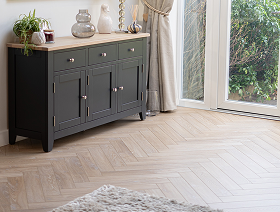
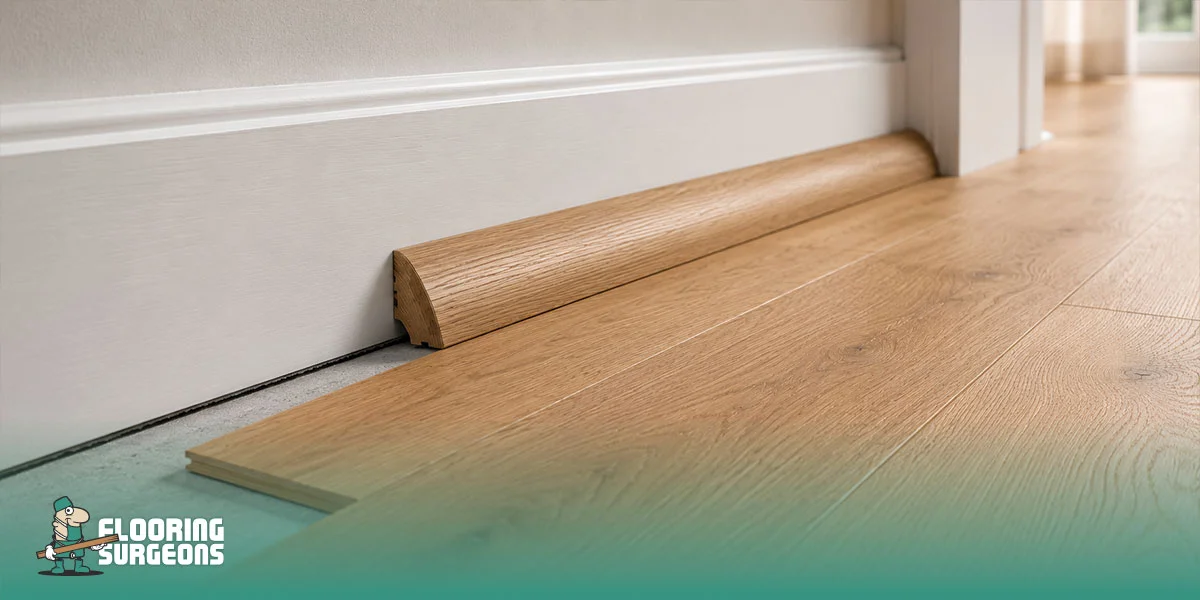
Scotia is commonly used when existing skirting boards are left in place during a flooring installation. As one of the practical flooring accessories used for finishing floor edges, scotia beading can be fitted around the room edge to cover the required expansion gap instead of removing and refitting the skirting.
This makes beading for flooring a practical option for many renovation projects, especially where the floor needs a clean border against skirting boards, door frames or fixed units. The right choice will depend on the floor type, room layout, colour match and profile size required.
Choosing the Right Floor Beading
When choosing floor beading, start with the flooring type and the finish you want to achieve. Some products are designed to match wood-effect floors, while others may be better suited to white, grey, black or neutral room designs.
Wood flooring beading is often used with engineered wood and solid wood floors, while MDF or colour-matched scotia may be suitable for selected laminate, vinyl or wood-effect flooring projects. Always check the product details, length, profile and finish before buying.
Scotia Beading Colours, Profiles and Finishes
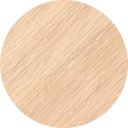
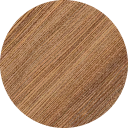
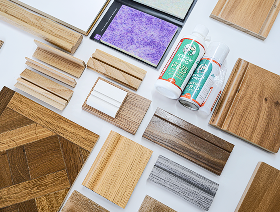
Scotia beading is available in a range of colours and finishes, including oak-effect, white, grey, black, beige and natural wood tones. Choosing a close colour match can help the trim blend with the floor, while a contrasting shade may create a more defined border.
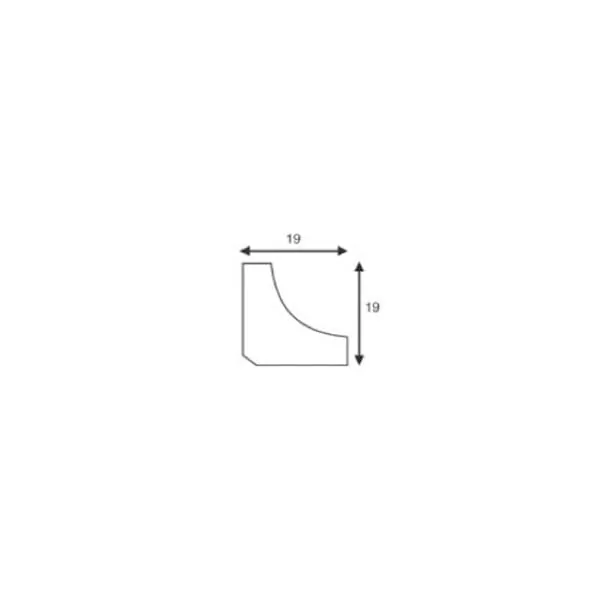
The profile is also important. A scotia bead usually has a curved or concave shape, which helps it sit neatly between the floor and skirting area. Before ordering, check the product size and make sure it is suitable for the expansion gap and edge detail you need to cover.
What to Check Before Buying Beading for Flooring
Before buying beading or scotia moulding, check the practical details of your flooring project. This can help reduce the risk of ordering a trim that does not match the floor, wall edge, or room finish.
| Check |
Why It Matters
|
|
Floor type
|
Scotia suitability can vary between laminate, wood and vinyl floors
|
|
Expansion gap
|
The trim needs to cover the required gap without restricting movement
|
|
Existing skirting
|
Scotia is often used when skirting boards are already fitted
|
|
Colour match
|
A close match can create a more consistent finish
|
|
Profile size
|
The height and depth should suit the gap and edge detail
|
|
Room shape
|
Corners, door frames and fixed units may require careful cutting
|
|
Fitting method
|
Product guidance should be checked before installation
|
Beading, Scotia and Skirting: What Is the Difference?
Beading and scotia are often used to describe similar flooring edge trims. Scotia usually refers to a curved trim fitted along the edge of the room, often against existing skirting boards. Beading can be used more generally for small finishing trims around flooring edges.
Skirting boards are different. They sit along the bottom of the wall and create a wall-to-floor finish. In some projects, skirting may be removed and refitted after flooring installation. In others, scotia beading may be used to cover the expansion gap without replacing the skirting.
Need Help Matching Scotia Beading?
The right beading scotia choice can make a noticeable difference to the final appearance of your floor. If you are unsure which colour, profile or finish is suitable, check the product details carefully before ordering.
The team at Flooring Surgeons can help you consider the flooring type, room edges, existing skirting, and the finish you want to achieve. For projects with unusual room shapes, door frames, stairs or fitted furniture, professional fitting advice may be useful before purchase.