

Room Visualiser
Try our floors in your home
0
0


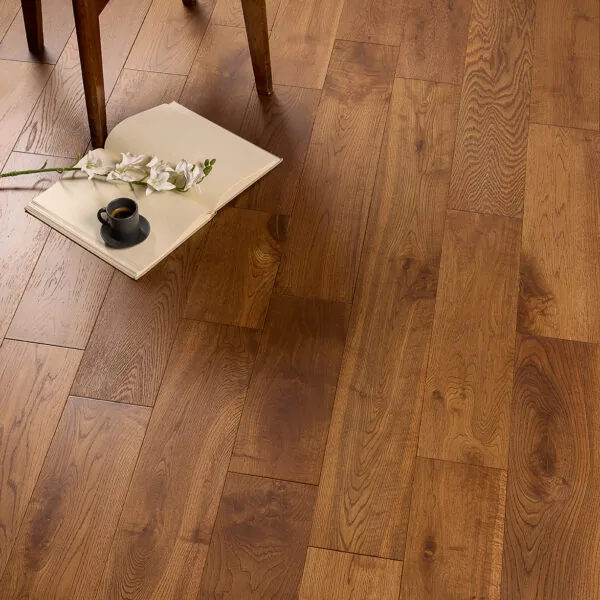
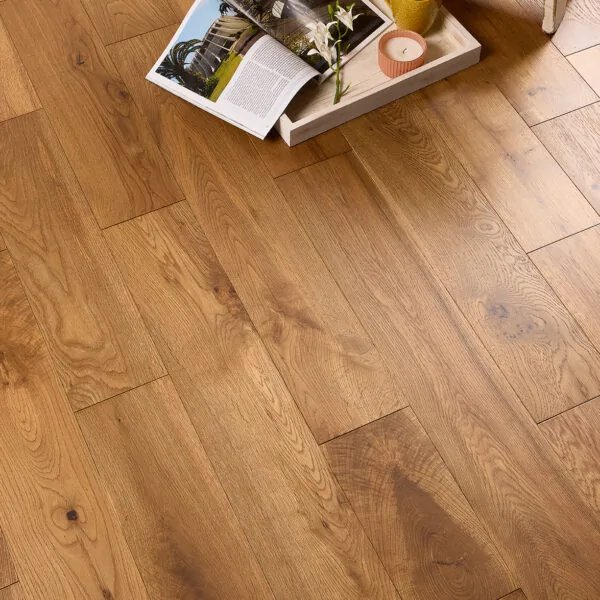
Solid wood flooring can last for many years when it is fitted correctly and maintained with the right care routine. Its lifespan depends on the wood type, thickness, finish, room conditions and how heavily the floor is used.
Solid wood flooring is usually better suited to dry, stable areas such as living rooms, bedrooms, hallways and stairs. For kitchens, bathrooms or other moisture-prone spaces, always check the product details and fitting guidance before ordering.
Some real wood floors may be suitable for underfloor heating, but solid wood can be sensitive to heat and moisture changes. Always check the product specification, timber type, subfloor requirements and manufacturer guidance before installation.
Lacquered solid wood flooring usually has a smoother protective surface, making everyday cleaning easier. Oiled finishes help highlight the natural grain and texture of the wood, but they may need more regular care over time.
Flooring Surgeons offers a range of solid wood flooring options, free samples, product guidance and UK delivery. You can compare colours, finishes and plank styles at home before choosing the floor that best suits your room and project.
Yes, samples are recommended because grain, tone, finish and board detail can look different in natural and artificial light. Order samples to view the floor at home before making a final decision.
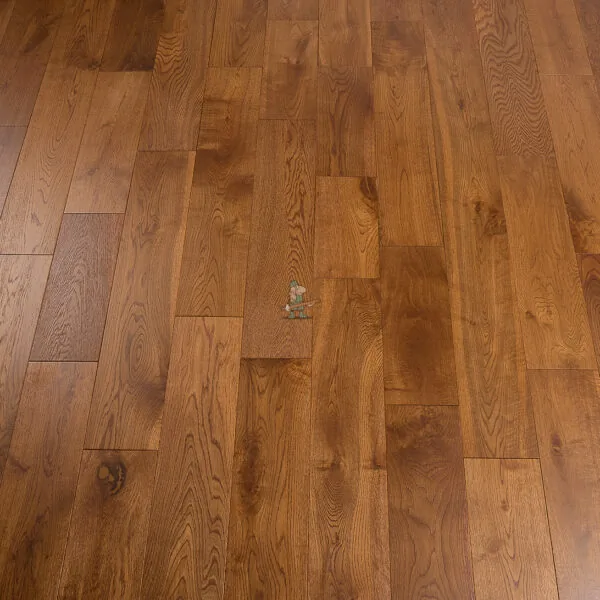
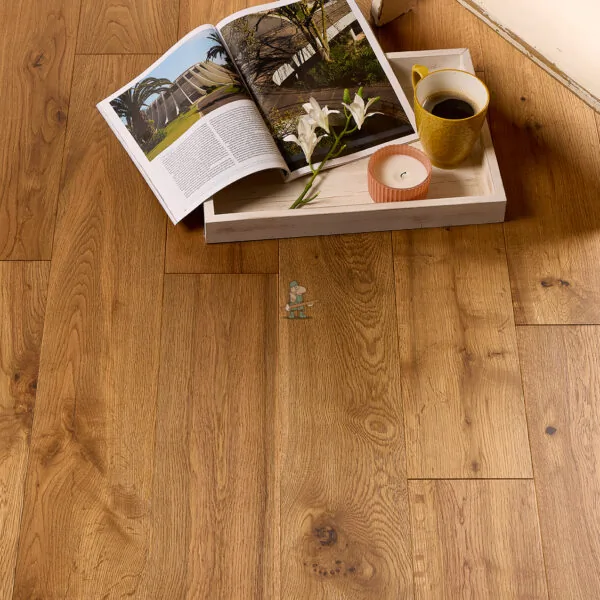
In our solid wood flooring collection, you can explore a range of real wood floors designed to bring natural character, warmth and long-lasting style into your home. From classic plank designs to parquet patterns and wide oak boards, each option offers the authentic look and feel of solid timber while giving you different ways to match your room, décor and renovation needs.
What makes solid wood floors special is the natural material itself. Each board has its own grain, tone and texture, creating a floor that is unique to the space. Depending on the product, thickness and condition, some solid wooden flooring can also be sanded and refinished over time, helping extend its use with the right care. If you are comparing colours, finishes or plank styles, order free solid wood flooring samples to see how the floor looks in your own home before making a final choice.
|
Category |
What to Know |
|
Material |
Solid wood flooring is made from real timber, giving each board natural grain, tone and character. |
|
Best For |
A strong choice for living rooms, bedrooms, hallways, stairs and other suitable dry areas of the home. |
|
Natural Look |
Real wood floors offer an authentic appearance that varies from board to board, unlike synthetic alternatives. |
|
Sanding & Refinishing |
Some solid wood floors can be sanded and refinished over time, depending on thickness, condition and product specification. |
|
Styles & Patterns |
Available in classic plank, parquet, herringbone and other designs, depending on the range. |
|
Plank Width |
Wider boards can create a more open look, while narrower boards may suit traditional interiors or smaller spaces. |
|
Finishes |
Common options may include lacquered, oiled, brushed, hand scraped or unfinished solid wood flooring. |
|
Maintenance |
Regular sweeping, careful cleaning and suitable care products can help protect the finish and reduce everyday wear. |
|
Room Suitability |
Solid wood is usually better suited to stable indoor environments. Always check product guidance before using it in kitchens, bathrooms, conservatories or rooms with underfloor heating. |
|
Before Buying |
Compare samples at home to check colour, grain, finish and how the floor looks in your own lighting. |
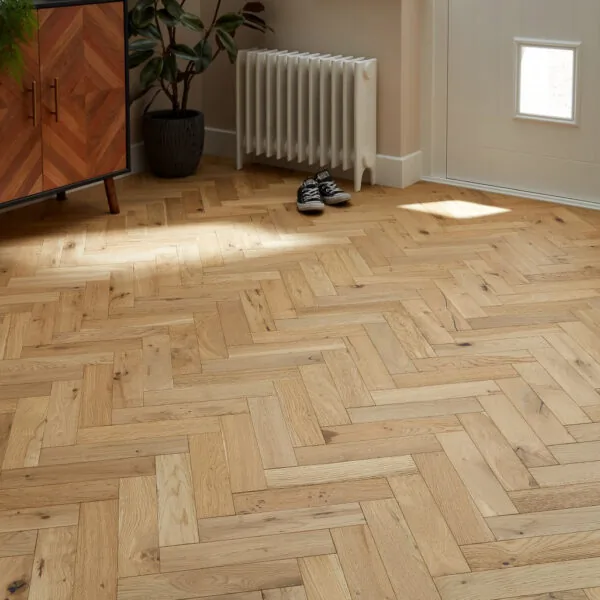
Solid wooden flooring is available in a range of classic styles, from straight plank designs to parquet and herringbone patterns. These patterned floors can add structure, rhythm and visual interest to a room while keeping the natural character of real timber at the centre of the design.
Parquet and herringbone solid wood flooring are often chosen for homes that require a more decorative, traditional finish. Their angled or block-style layouts can work well in entrance halls, living rooms and dining spaces where the floor is intended to become a feature.
Compared with engineered parquet, solid wood parquet offers the depth and authenticity of real timber throughout the board. Some solid wood floors may also be sanded and refinished over time, depending on thickness, condition and product specification. Engineered options may offer more stability in certain environments, so the right choice depends on your room, budget, fitting method and maintenance expectations.
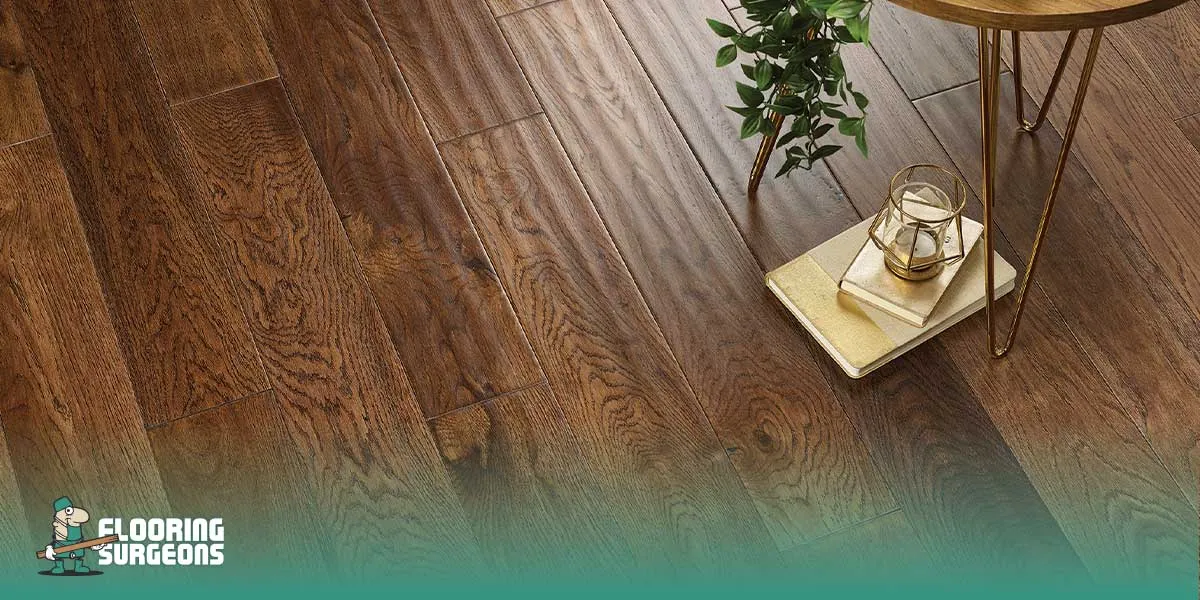
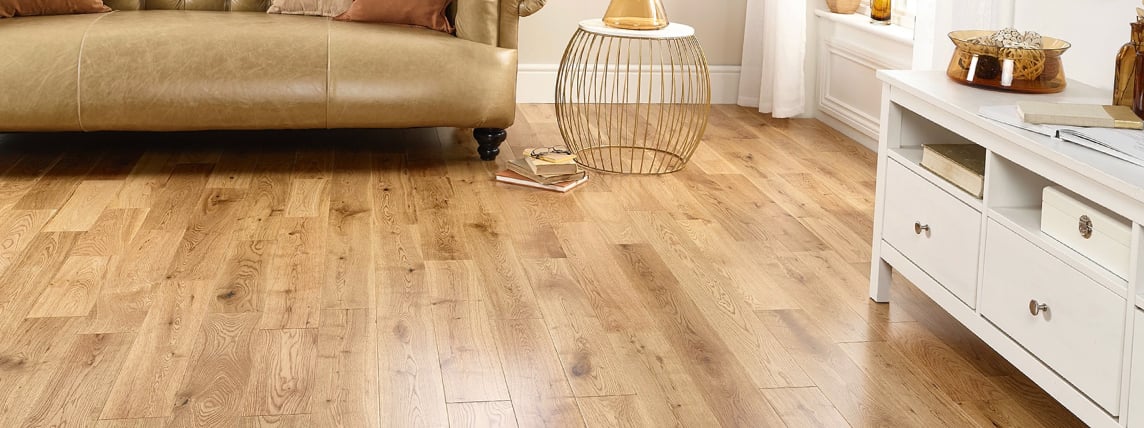
Wide-plank solid wood flooring can help create a more open, seamless look, especially in larger rooms and open-plan spaces. With fewer visible joins than narrower boards, wide planks allow the natural grain, tone and character of real timber to stand out more clearly.
Compared with narrow-plank flooring, wide boards can give the room a calmer, more spacious feel. Narrower boards may suit traditional interiors or smaller rooms where extra detail is preferred. The right choice depends on your room size, interior style and whether you want a bold, open surface or a more detailed floor layout.
Wide oak planks are a popular option for modern homes because they highlight the wood’s natural grain and work well in living rooms, dining areas, and open-plan layouts. If you prefer this look, compare suitable wide-plank solid wood flooring options and review the product details before ordering samples.
Real timber flooring gives each room a natural character that is difficult to repeat with synthetic alternatives. Every board has its own grain pattern, tone variation and texture, helping solid wood flooring feel individual to the home.
Laminate and engineered flooring can both offer practical benefits, but many homeowners choose solid timber flooring for its authenticity and depth. Because the board is made from solid wood, some products can be sanded and refinished over time, depending on thickness, condition and product specification.
This makes real wood flooring a strong option for customers who want a natural material, visible grain and a floor that can be maintained and refreshed with the right care. The best choice will depend on your room, budget, installation needs and how much long-term maintenance you are comfortable with.
Solid wooden flooring can be sensitive to heat and changes in moisture, so it is not always suitable for underfloor heating. Some products may be compatible with low-temperature systems when the timber grade, subfloor, moisture level and installation method are carefully controlled.
Before fitting solid wood floors over underfloor heating, always check the product specification and manufacturer guidance. In some cases, engineered wood flooring may be a more stable option for rooms where underfloor heating is a key requirement.
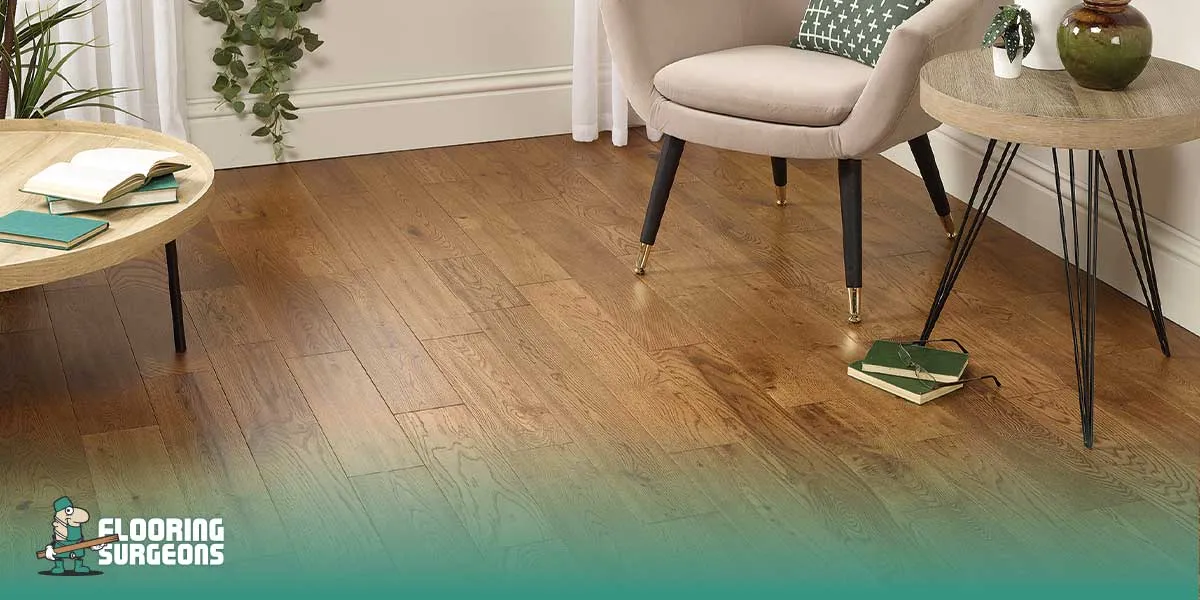
The finish you choose can change both the appearance and day-to-day care of your solid wood flooring. Some finishes create a smoother, more polished look, while others highlight the natural grain and texture of real timber. The right option depends on your room, lifestyle and how much maintenance you are comfortable with.
Lacquered solid wood flooring usually creates a smoother surface with a protective top layer, making everyday cleaning easier in busy homes. It may be a practical choice for customers who want a more polished look with lower day-to-day maintenance.
Oiled solid wood flooring helps bring out the natural texture, warmth and grain of the wood. It can create a softer, more natural appearance, but may need more regular care to maintain the finish over time. Before choosing, always check the product details for maintenance guidance and suitability for your room.
Brushed finishes are designed to emphasise the natural grain of the timber by adding more visible texture to the surface. This can give solid wood floors a warmer, more characterful look, especially in rustic, traditional or Scandinavian-inspired interiors.
Depending on the finish and product specification, brushed surfaces may also help make minor everyday marks less noticeable than very smooth finishes. However, care requirements can vary, so it is best to check the product information before ordering.
Looking after solid wood flooring does not need to be complicated, but it does require regular care. Simple habits such as removing dirt from the surface, using rugs in busy areas and controlling indoor humidity can help reduce scratches, movement and everyday wear. For most homes, regular sweeping and cleaning with a damp, not wet, mop can help protect the natural finish.
Daily care for solid timber floors is mainly about preventing surface damage before it builds up. Use a soft brush or microfibre mop to remove dust and grit, and avoid abrasive cleaners that may damage the finish. Felt pads under furniture legs can also help reduce marks from chairs, tables and other frequently moved items.
Rugs can be useful in high-traffic areas, but it is worth moving them occasionally to help reduce uneven colour changes caused by sunlight exposure. Spills should also be wiped up promptly, especially on real wood floors, as excess moisture can affect the surface and joints over time.
One advantage of solid wood floors is that some products can be sanded and refinished over time. This depends on the thickness, condition, finish and product specification, so it should always be checked before planning any restoration work.
For long-term care, follow the manufacturer’s maintenance guidance and use suitable cleaning products for the finish you choose. With the right care routine, solid hardwood flooring can keep its natural character and remain a practical choice for many areas of the home.
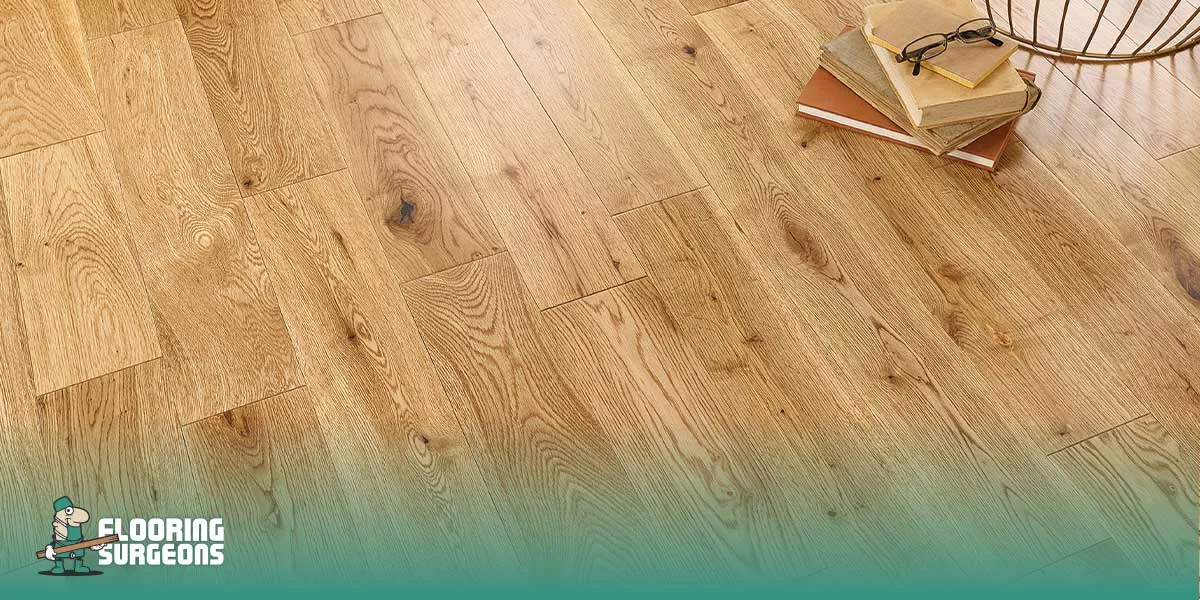
The choice between solid wood flooring and engineered wood flooring depends on your room, budget, installation needs and how you want the floor to perform over time. Solid wood is made from real timber throughout the board, giving it an authentic feel and the potential to be sanded and refinished, depending on thickness, condition, and product specification.
Engineered wood flooring has a real wood top layer with supporting layers underneath. This structure can offer better stability in some rooms, especially where changes in temperature or humidity are a consideration. If stability in these conditions is a priority, you may also want to compare suitable engineered wood flooring options before making your final choice.
Solid timber flooring can be a strong option if you want a natural, real wood floor with long-term character. It is often chosen for living rooms, bedrooms, hallways and other suitable dry areas where the look and feel of solid wood are important.
It can also appeal to customers who prefer traditional materials and want the option of future sanding or refinishing, where the product allows it. Before buying, always check the board thickness, finish, fitting method and maintenance guidance.
Solid wood is not always the best fit for every room. It can be more sensitive to moisture, temperature changes and subfloor conditions than some engineered alternatives. For areas such as bathrooms, basements, conservatories, or rooms with underfloor heating, product suitability should be carefully checked before ordering.
Solid hardwood flooring may also require acclimatisation before installation, which can add time to the project. Understanding these limitations helps you choose the right floor for your home and avoid problems after fitting.
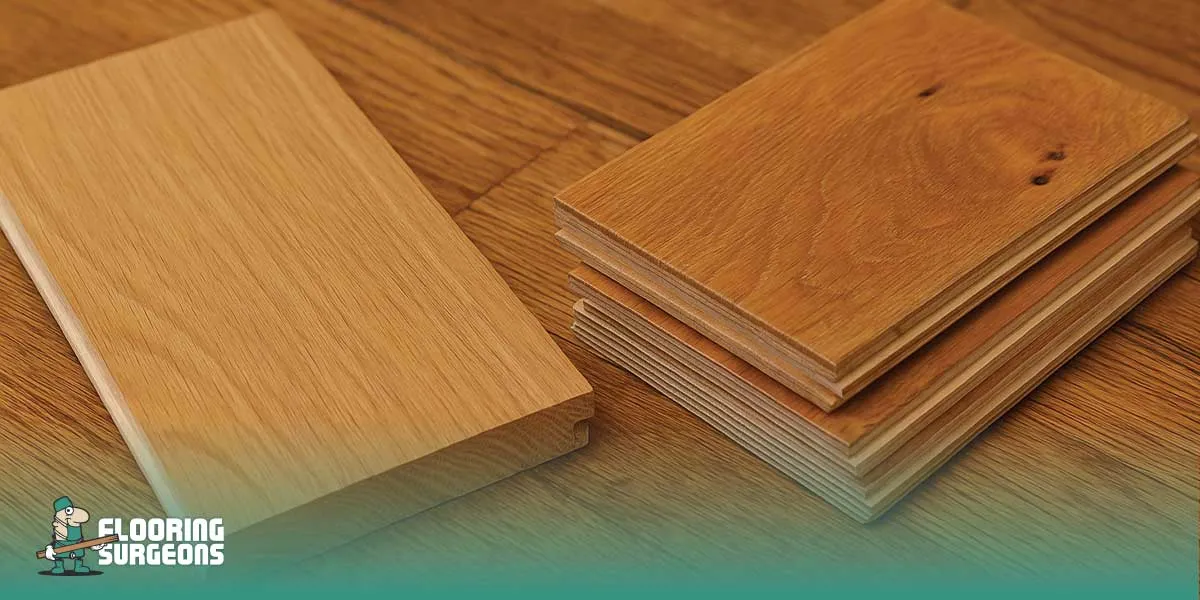
Choosing solid wood flooring is not only about finding the right boards; it is also about getting the right support before you buy. Flooring Surgeons offers free samples, product guidance and UK delivery to help you compare real timber floors with more confidence.
Ordering samples lets you see and touch real wood in your own home before making a final decision. Place them next to your walls, furniture and existing décor, then check how oak, walnut or other wood tones look in natural and artificial light.
Flooring Surgeons provides UK delivery, with delivery times depending on stock availability, order size and location. Our team can also help with product questions, fitting guidance, maintenance advice and choosing suitable solid wood floors for your room or project.
Before ordering, check the product details for finish, thickness, fitting method, warranty information and care guidance. This helps you choose solid wood flooring that suits your home, lifestyle and long-term maintenance needs.
Selected solid wood flooring ranges may include responsibly sourced timber or product certifications, depending on the specification. If sustainability is important for your project, check the product details for sourcing and certification information before buying.
The comfort and sound of a real wood floor can also depend on the product, subfloor, fitting method and any suitable underlay used. In larger or open-plan spaces, the right installation setup can help improve the overall feel of the room.
Natural timber may also change tone gradually with sunlight and everyday use. Lighter oak finishes can become warmer over time, while darker woods may develop more depth. This colour change will vary by wood species, finish, room light and care routine.