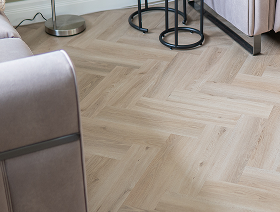
If you are installing wood flooring in the UK, there are standards and regulations you are expected to follow, whether you realise it or not. These rules are not just for installers or large construction projects. As a homeowner, you are ultimately responsible for ensuring your flooring meets basic UK standards around subfloor tolerances, moisture control, expansion gaps, and noise transmission. Ignoring them can lead to floor failure, neighbour complaints, warranty disputes, or costly corrective work later.
In simple terms, UK wood flooring standards exist to prevent movement, noise, and structural problems before they happen. When floors fail, it is rarely because of the product itself. It is usually because the installation did not meet accepted British Standards or building regulation expectations. This is especially important in flats, leasehold properties, and modern homes with underfloor heating.
This guide explains the UK’s wood flooring regulations and what homeowners need to understand. It focuses on what the rules mean in practice, how they affect installation quality, noise, and durability, and where the real responsibility lies. You will get clear answers first, and then deeper explanations where they matter, so you can make informed decisions and avoid common but expensive mistakes.
Table of contents
Why UK Wood Flooring Standards Matter More Than You Think
Most homeowners assume that flooring standards are a technical concern handled entirely by installers. In reality, UK wood flooring standards carry practical and legal consequences that often fall back on the homeowner, not the contractor. Understanding this shift in responsibility is critical to avoid disputes, warranty failures, or unexpected costs.

Homeowner responsibility vs installer responsibility
Installers are responsible for carrying out the work correctly, but homeowners are responsible for approving the method, conditions, and final outcome. If a floor is installed in an environment that does not meet moisture, subfloor tolerance, or acoustic requirements, the responsibility does not disappear just because a professional was hired. Many warranties and insurance claims are rejected because the site conditions did not meet basic standards, even if the artistry itself looked acceptable.
This is especially relevant in flats, leasehold properties, and renovations. Noise transmission, movement, and expansion issues often trigger complaints or management company intervention. When that happens, the question is not who installed the floor, but whether the floor meets accepted UK standards.

Why ignoring standards leads to disputes, not just damage
Most flooring failures do not start with visible damage. They begin with disagreement. Neighbours complain about the noise. Developers dispute responsibility. Manufacturers reject warranty claims. Installers point to site conditions. At that point, the discussion moves away from technical fixes and into liability.
UK wood flooring standards exist to create a shared baseline. When they are followed, disputes are easier to resolve. When they are ignored, even a visually pleasing floor can become a legal and financial problem. Gaps, creaks, or movement may be tolerable from a technical perspective, but if they breach recognised standards, they become grounds for rejection, removal, or remediation.
The key mindset shift is simple. Flooring standards are not an optional best practice. They are risk control. Following them protects the floor, the warranty, and the homeowner when questions are raised later.
British Standards That Apply to Wood Flooring in the UK
When it comes to wood flooring in the UK, there is no single rulebook labelled “wood flooring law”. Instead, flooring quality and compliance are controlled through a combination of British Standards and building regulation principles. You do not need to memorise codes, but you do need to understand what they regulate in practice.
Overview of relevant British Standards
The most relevant British Standards for wood flooring focus on installation conditions, subfloor quality, moisture control, and tolerances rather than appearance. These standards are commonly referenced in warranty claims, disputes, and professional inspections.
Key areas they cover include:
- Subfloor flatness and level tolerances
- Moisture levels in subfloors and timber
- Installation methods and expansion allowances
- Surface regularity and acceptable deviation limits
These standards apply whether the flooring is solid wood, engineered wood, parquet, or chevron patterns.
What standards actually control flooring quality
British Standards do not judge whether a floor looks good. They judge whether it was installed under acceptable conditions. That distinction matters. In real terms, standards are used to assess:
- Whether the subfloor was flat enough before installation
- Whether moisture readings were taken and were within limits
- Whether expansion gaps were provided correctly
- Whether the floor was suitable for the environment, such as underfloor heating or flats
If a floor fails, inspectors and manufacturers rarely argue about style or finish. They look at measurable criteria. Flatness, moisture, and movement tolerance are what determine whether a floor is considered compliant or defective. The important takeaway is this. British Standards act as the reference point when something goes wrong. Even if you never read them directly, they are what decide whether a flooring issue is accepted as normal behaviour or classified as an installation failure.
What Are the British Standards for Floor Tolerances?
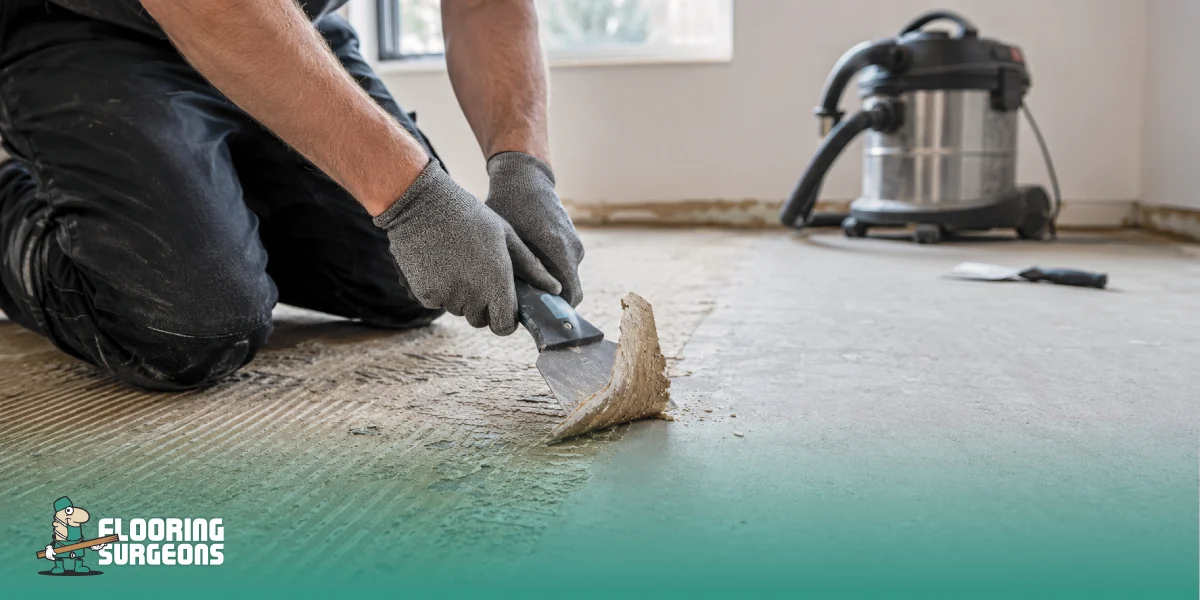
British Standards treat floor tolerances as a structural prerequisite, not a cosmetic detail. For wood flooring in the UK, tolerances define how flat and level a subfloor must be before installation. If these limits are ignored, even the highest-quality wood flooring can fail prematurely. These standards are especially critical when installing engineered wood flooring, which is less forgiving of poor subfloor tolerances and moisture imbalance.
Flatness and level requirements
In simple terms, flatness refers to how even the surface is over short distances, while level refers to the overall slope across the room. British Standards focus far more on flatness than on the absolute level. For most wood flooring installations in the UK, the commonly accepted tolerance is:
| Measurement Area | Maximum Deviation Allowed | Why It Matters |
| 2 metre straightedge | 3 mm deviation | Prevents bounce, flex, and joint stress |
| 1 metre straightedge | 2 mm deviation | Ensures proper board contact and locking |
| Localised high spots | Not permitted | Causes movement, noise, and premature wear |
| Overall room level | Not strictly critical | Wood floors tolerate slope but not unevenness |
A floor does not need to be perfectly level, but it must be consistently flat. This is where many installations fail.
Why tolerances matter for wood flooring longevity
Wood flooring is typically installed as a floating or semi-floating system in most homes. If the subfloor is outside tolerance, boards are forced to bridge gaps or rest on high points. Over time, this leads to stress concentration. When tolerances are respected:
- The load is distributed evenly across the boards.
- Expansion and contraction happen predictably.
- Joints remain stable and quiet.
- Wear is gradual rather than accelerated.
When tolerances are ignored, movement becomes mechanical rather than seasonal, which dramatically shortens the floor’s lifespan.
How poor tolerances cause movement and noise
The wood itself rarely causes creaking, clicking, and floor bounce. They are almost always symptoms of poor subfloor tolerances. Common outcomes of out-of-tolerance floors include:
- Boards flexing under foot traffic
- Locking systems work loose over time.
- Friction noise between boards
- Stress cracks and surface separation
This is why disputes often arise months after installation. The flooring product is blamed, but the root cause is usually a subfloor that never met British Standards in the first place. If a subfloor fails tolerance checks, installation should stop. Proceeding anyway is not an artistry shortcut; it is a compliance risk that almost always leads to failure later.
Expansion Gaps and Movement Rules for Wood Flooring
One of the most misunderstood aspects of wood flooring in the UK is movement. Seasonal movement is expected, engineered for, and legally recognised within British Standards and manufacturer guidelines. It is not a defect and does not indicate poor-quality flooring. Most disputes arise not because movement occurred, but because movement was not allowed.
Seasonal movement is expected, not a defect.
Wood is a hygroscopic material. It absorbs and releases moisture as indoor humidity changes across the year. British Standards and installation guidelines are written with this reality in mind. What this means in practice:
- Expansion in warmer, more humid months is normal.
- Slight contraction and gaps in drier winter conditions are normal.
- Movement becomes a problem only when it is restricted.
From a compliance and dispute perspective, the key question is not whether the floor moved, but whether the floor was allowed to move as designed. If expansion space is missing or blocked, normal seasonal movement turns into stress, noise, lifting, or joint failure.
Minimum expansion gap expectations in UK installs
UK installations follow a principle of continuous expansion allowance rather than a single gap at the wall. Expansion space must exist wherever the floor meets a fixed object. The table below reflects commonly accepted UK expectations aligned with British Standards and manufacturer guidance.
| Location | Typical Minimum Expansion Gap | Why It Is Required |
| Around perimeter walls | 10–15 mm | Allows full-room expansion without compression |
| Door thresholds | 10 mm | Prevents pinch points between rooms |
| Around columns or pipes | 10 mm minimum | Fixed objects block movement first |
| Under kitchen units | Expansion gap required | Cabinets must not trap floating floors |
| Large open-plan areas | Expansion breaks required | Controls cumulative movement stress |
Two critical compliance points often missed:
- Expansion gaps must remain clear after installation.
- Skirting boards and trims must cover gaps without restricting them.
If gaps are filled, sealed, pinned, or compressed by heavy fixtures, the floor is no longer compliant, even if the original gap size was correct.
Why this matters for disputes and liability
In UK flooring disputes, expansion-related failures are one of the most common fault lines between homeowners and installers. Typical dispute pattern:
- Homeowner sees gaps or movement.
- The installer says the movement is normal.
- Homeowner points to noise or lifting.
- Investigation reveals blocked or missing expansion gaps.
At that point, responsibility often shifts. Flooring movement itself is defensible. Prevented movement is not. The legal and technical reality is simple:
- Movement within allowed tolerances is acceptable.
- Damage caused by restricted movement is an installation failure.
Understanding expansion rules early protects homeowners from misdiagnosing normal behaviour and protects installers from avoidable liability. The floor is not failing, the system around it often is.
What Are the Rules for Wood Flooring Noise in the UK?
Noise is one of the most common reasons wood flooring installations end up in dispute, especially in flats. Many homeowners assume noise means poor-quality flooring, but in reality, UK regulations focus on sound transmission between properties, not complete silence inside a room. Understanding this distinction is critical.
Impact noise vs airborne noise
UK regulations clearly separate the two types of noise, and wood flooring is mainly associated with one of them.
- Impact noise: This is sound created by physical contact with the floor, such as footsteps, dropped objects, or furniture movement. Wood flooring naturally transmits impact noise more than carpet because it is a hard surface.
- Airborne noise: This is sound travelling through the air, such as voices, music, or TV noise. Flooring choice has far less influence on airborne noise than do walls and ceilings.
From a regulatory perspective, impact noise is the primary concern when installing wood flooring, especially in multi-occupancy buildings. Creaking, footstep noise, or a hollow sound does not automatically mean the floor is faulty. The key question is whether noise transmission between dwellings exceeds acceptable limits.
Flats vs houses
The rules differ significantly depending on the type of property. In houses, there is generally no legal requirement to meet specific sound insulation standards between floors, because there is no separate dwelling below. Noise may still be annoying, but it is not regulated in the same way. In flats and apartments, the situation is very different. UK building regulations flooring Part E, apply, which focuses on preventing excessive sound transmission between separate dwellings. Key practical differences:
- Flats usually require sound-reducing underlay beneath wood flooring.
- Managing agents or leases often impose additional acoustic requirements.
- Carpet replacement with wood flooring is a common trigger for complaints.
In many leasehold flats, installing wood flooring without acoustic approval can breach lease terms even if the floor itself is installed correctly.
When sound insulation becomes mandatory
Sound insulation becomes mandatory when:
- A new floor is installed or replaced in a flat.
- The property is part of a multi-occupancy building.
- The lease or building management rules specify acoustic performance standards.
In these cases, flooring systems must include an approved acoustic underlay designed to reduce impact sound transmission. The flooring is judged as a system, not just as boards or planks. It is essential to understand that:
- Noise from wood flooring is not automatically a defect.
- Excessive transmission of impact noise between dwellings can be a compliance issue.
- Responsibility may fall on installation choices, underlay selection, or building structure.
This is why many disputes are not about artistry, but about whether the installation met regulatory and lease-based acoustic expectations. Knowing the rules upfront prevents costly rework and neighbour conflicts later.
The 10 Year Rule in UK Building Regulations
The 10-year rule is often misunderstood by homeowners and is misused when flooring problems arise. Many people believe it offers protection or approval after ten years. In reality, it does neither.
What the 10-year rule actually means
- It relates to the time limit for local authority enforcement, not quality assurance.
- After a specific period, councils may lose the power to force corrective work.
- It does not mean the work was compliant, safe, or correctly installed.
In short, the rule concerns the timing of enforcement, not the validation of the work.
What it does NOT protect you from
- Poor or non-compliant wood floor installation standards in the UK
- Ignoring British Standards for tolerances, moisture, or expansion gaps
- Noise complaints, especially in flats or leasehold properties
- Disputes with neighbours, freeholders, or management companies
- Loss of the installer or manufacturer’s warranty
Time passing does not correct a bad installation, nor does it remove responsibility.
Flooring failures and liability timelines
- Flooring issues are judged on when the defect appears, not when it was installed.
- Installer warranties are usually limited to a few years.
- Manufacturer warranties apply only if the standards were followed.
- Noise and movement disputes can arise long after installation.
- Civil liability depends on evidence of compliance, not the age of the floor.
The 10-year rule is not a safety net for flooring decisions. Compliance with British Standards, correct installation, and clear responsibility matter far more than how long the floor has been in place.
Common Wood Flooring Installation Mistakes That Break UK Standards
Most wood flooring failures in the UK are not caused by the material itself. They are caused by installation decisions that ignore British Standards from day one. These mistakes often remain invisible at first, then surface later as movement, noise, gaps, or disputes.
One of the most common errors is poor or rushed acclimatisation. Wood flooring must acclimate to the property’s temperature and humidity before installation. When this step is skipped or shortened, the floor reacts after installation instead of before. Seasonal movement is then blamed on the product, even though the real cause was an installation shortcut. Many movement and noise issues blamed on wood flooring are actually early signs of poor flooring installation, not product failure.
Another critical mistake is ignoring floor tolerances. Installing wood flooring over a subfloor that is not flat or level enough creates uneven pressure points. Over time, this leads to flexing, hollow sounds, joint stress, and creaking. Visually, the floor may look acceptable, but structurally, it is already compromised. The third central failure point is failing to conduct moisture testing.
When moisture levels in the subfloor or timber are not measured and recorded, there is no baseline. If problems arise later, warranties are often void, and proving responsibility becomes difficult. In disputes, missing moisture data is usually interpreted as a non-compliant installation. These mistakes all share one thing. They quietly break UK standards, then loudly cause problems.
Final Checklist for Homeowners Before Installing Wood Flooring
This final checklist is designed to help homeowners pause before installation and confirm that the decision is not only aesthetic but technically and legally sound. Use it as a practical pre-installation filter rather than a formality.
Wood floor installation standards UK
- Subfloor flatness and level tolerances have been checked and recorded.
- Moisture testing of the subfloor and wood flooring has been completed.
- Acclimatisation time has been planned, not shortened.
- The installation method follows recognised British Standards guidance.
British Standards are not optional recommendations. They serve as the reference point for assessing flooring problems. If standards are not followed and documented, it becomes challenging to defend the installation later, even if the floor looks fine at first.
Noise considerations
- Property type confirmed (house vs flat)
- Impact noise requirements checked for flats or leasehold properties
- Acoustic underlay specified and approved where required.
- Lease or building management rules reviewed.
Noise issues are one of the most common causes of disputes after wood flooring is installed. In flats, the problem is rarely the floor itself, but how sound travels to neighbouring properties. Once the floor is down, correcting noise problems is expensive and disruptive. Noise compliance must be addressed before installation, not after complaints start.
Legal responsibility
- The installer’s responsibility is clearly defined in writing.
- Warranty terms linked to correct installation conditions
- Understanding that the 10-year rule does not equal protection
- Evidence and documentation retained.
Time does not protect against poor installation. Liability is based on compliance and evidence, not how long the floor has been in place. If responsibility is unclear or documentation is missing, the homeowner often carries the risk by default.
Final Reality Check
This checklist is not about avoiding all risk. It is about avoiding unnecessary risk. Most flooring problems do not happen because homeowners choose the wrong product. They happen because standards, noise implications, and legal responsibility were never adequately addressed before installation. If every box above can be confidently ticked, the project is far more likely to succeed without disputes, repairs, or regret later on. At Flooring Surgeons, we regularly see disputes that could have been avoided simply by checking tolerances and acoustic requirements before installation.

Haniye Ayanmanesh
As an expert writer for Flooring Surgeons, I combine technical SEO knowledge with a practical understanding of flooring, producing content that helps users make confident decisions while supporting long-term organic growth.