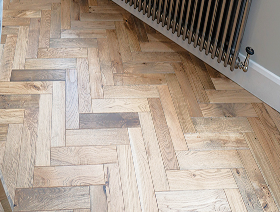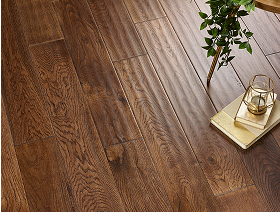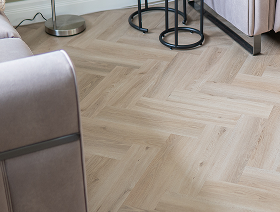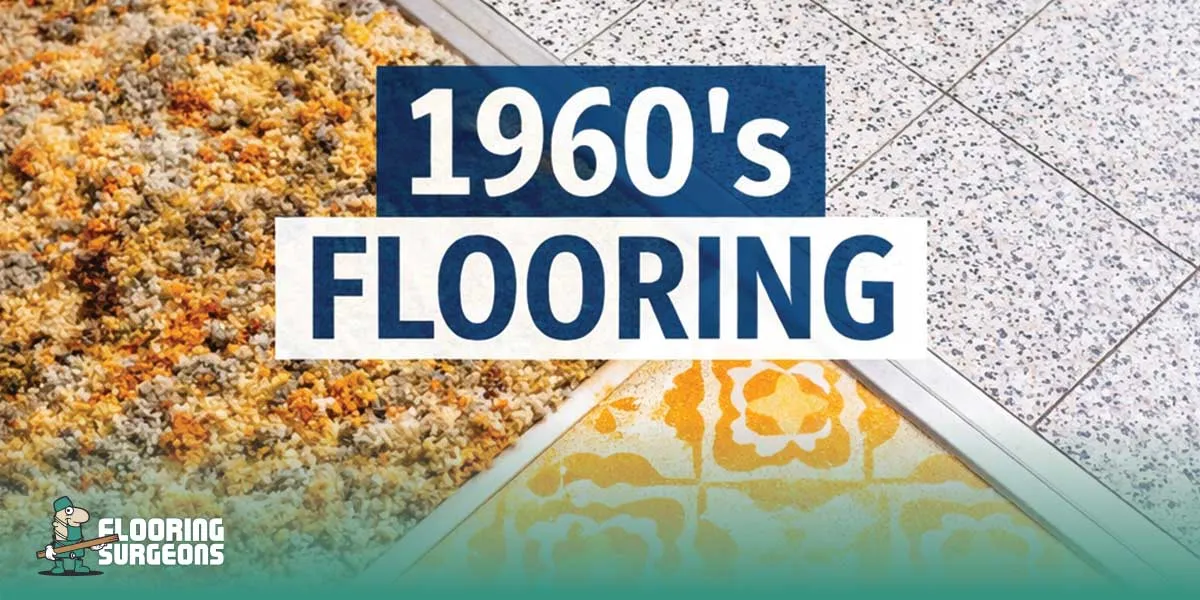
The 1960s brought a major shift in home flooring. Many people still ask what flooring was used in the 1960s, and the answer shows a mix of style and practicality. Homeowners wanted materials that were durable, easy to maintain, and visually striking. Traditional hardwood was still used, but more practical options became popular. The vinyl flooring history in the 1960s shows how vinyl quickly became a household favourite due to its versatility, affordability, and range of colours and patterns. Bold geometric designs and vibrant tones defined the era, influencing interior styles for decades. These innovations are now recognised as classic 1960s flooring types. Today, these trends inspire homeowners to recreate vintage looks using modern solutions like Luxury Vinyl Flooring.
Table of contents
Most Popular Flooring Types in the 1960s
The 1960s offered a wide range of 1960s flooring types that perfectly balanced style and practicality. Homeowners were experimenting with new materials and bold designs, moving away from traditional hardwood in many rooms. From kitchens to living rooms, each type of flooring served a purpose, whether for durability, comfort, or visual appeal. The following are the most iconic and widely used popular flooring in the 1960s that defined the decade’s interior style.
Vinyl Flooring in the 1960s
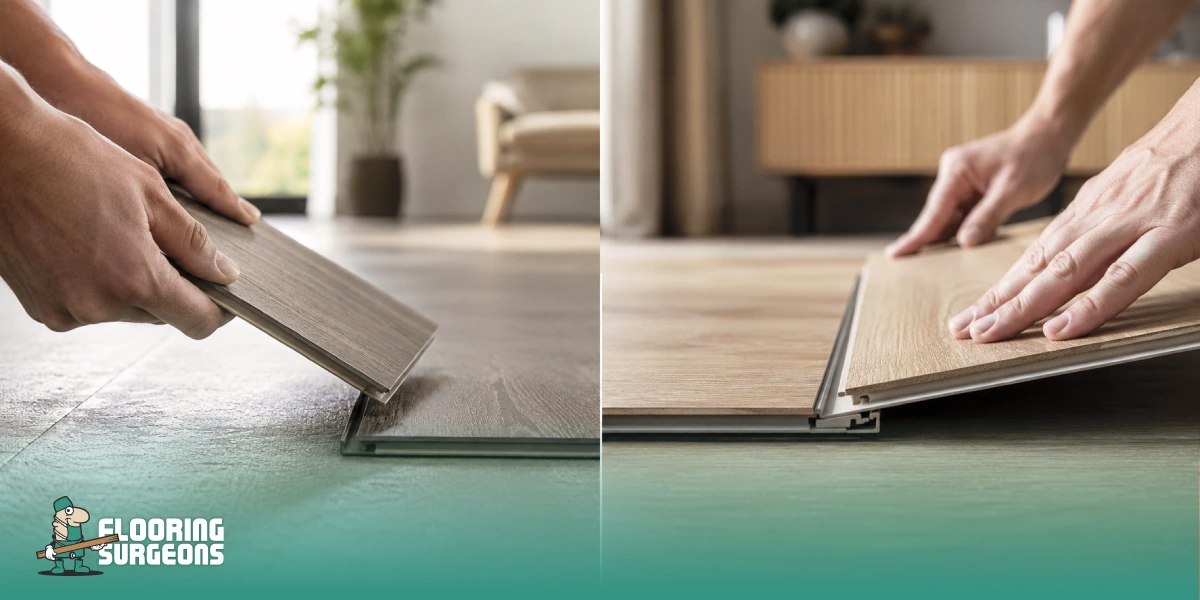
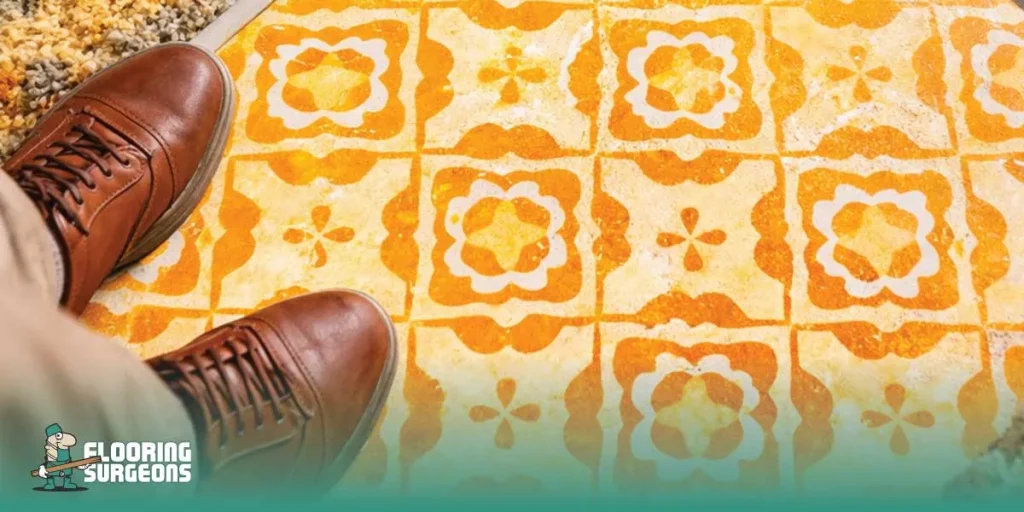
Vinyl was the star of 1960s flooring. It was affordable, durable, and easy to clean, making it ideal for kitchens, bathrooms, and high-traffic areas. Sheet vinyl and tiles allowed for creative patterns. Today, homeowners often choose plank luxury vinyl to replicate the classic look while enjoying modern durability.
Linoleum Flooring in 1960s Homes
Linoleum remained popular in kitchens and hallways. Made from natural materials, it was eco-friendly and practical, though it gradually lost ground to vinyl due to limited design options. Its smooth, resilient surface made it easy to clean and maintain.
Shag Carpet and Wall-to-Wall Carpeting
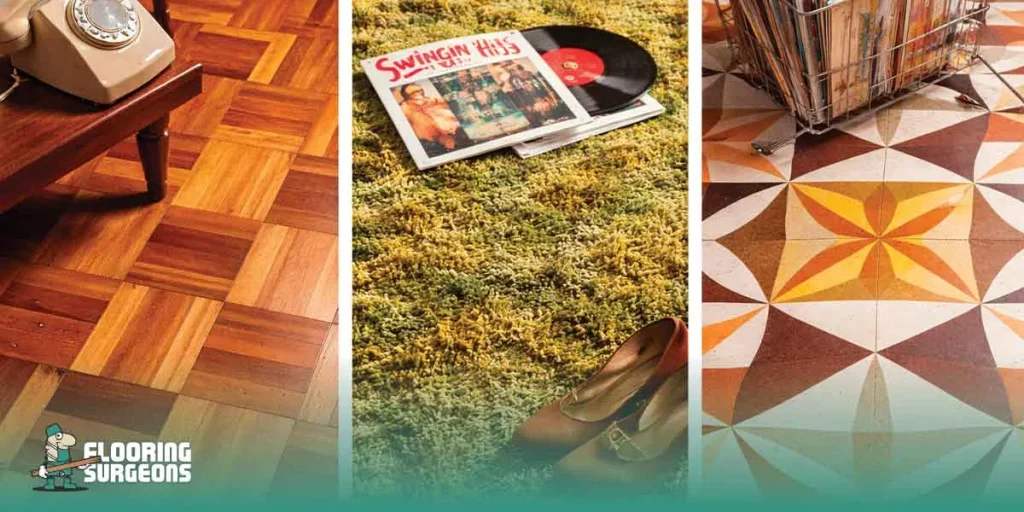
Shag carpets added warmth and texture to living rooms and bedrooms. Thick, plush fibres created a cosy environment, often in bold colours like avocado green, mustard yellow, and burnt orange. Shag carpet defined casual comfort and visual appeal in the 1960s.
Terrazzo Flooring in the 1960s
Terrazzo floors were widely used in both homes and commercial spaces. Stone chips embedded in cement produced polished, decorative surfaces that were durable and stylish. Terrazzo became synonymous with sophistication in mid-century interiors.
Concrete Flooring and Industrial Designs
Concrete floors were common in industrial-style and minimalist homes. Polished or stained concrete offered durability and low maintenance, bridging practicality with modern aesthetics. Its sleek look influenced the emerging mid-century modern design trend.
Common Flooring Patterns and Colors in the 1960s
1960s flooring types were all about vibrant colours and bold patterns. The popular flooring in the 1960s often included avocado green, mustard yellow, burnt orange, and brown. Vinyl flooring history in the 1960s shows that vinyl and linoleum commonly featured geometric and abstract designs, turning floors into the centrepiece of interior spaces. These patterns added personality and energy to homes, a trend that continues to inspire retro and mid-century modern interiors today. For homeowners looking to recreate this vintage charm with modern durability, Luxury Vinyl Flooring is an ideal choice, offering both style and long-lasting performance.
Where Each Type of Flooring Was Commonly Used
| Flooring Type | Typical Areas | Features | Modern Alternatives |
| Vinyl | Kitchens, bathrooms | Durable, easy to clean | Luxury Vinyl Flooring, plank luxury vinyl |
| Linoleum | Hallways, kitchens | Natural, practical | Eco-friendly vinyl alternatives |
| Shag Carpet | Living rooms, bedrooms | Plush, cozy | Modern shag or patterned carpets |
| Terrazzo | Homes, commercial | Decorative, long-lasting | Polished concrete or terrazzo-style tiles |
| Concrete | Industrial/minimalist spaces | Durable, low-maintenance | Stained or polished concrete |
How 1960s Flooring Compares to Modern Flooring
The main difference between 1960s and modern flooring is technology and convenience. Today’s plank luxury vinyl offers water resistance, realistic wood or stone textures, and simpler installation. While shag carpets and terrazzo have timeless appeal, modern materials require less maintenance and longer durability. Retro-inspired flooring allows homeowners to enjoy the charm of the 1960s while benefiting from today’s performance standards.
Can You Still Find 1960s-Style Flooring Today?
Absolutely. Vintage flooring styles are making a comeback. Luxury Vinyl Flooring is particularly popular for homeowners looking to recreate the 1960s aesthetic. With modern materials, you can enjoy the retro look while ensuring durability and practicality. DIY enthusiasts can also learn how to cut thick vinyl plank flooring to customise their installations and achieve precise results.
Best Modern Flooring Options Inspired by the 1960s
For those inspired by mid-century design, modern materials offer the perfect blend of style and function. Options like luxury vinyl, retro-patterned carpets, and polished concrete mimic the look of 1960s floors while improving on durability and ease of maintenance. This makes it simple to bring a touch of vintage charm into contemporary homes.
Expert Tips for Restoring or Replacing 1960s Flooring
- Assess old flooring before restoration to determine if it can be saved.
- Replace worn vinyl with modern plank options for longevity.
- Choose colours and patterns that match the original 1960s style.
- Consult professionals, such as Flooring Surgeons, for guidance on installation and restoration to ensure high-quality results.
Final Thoughts on Flooring Trends of the 1960s
Many people wonder what flooring was used in the 1960s, and the decade truly marked a transformative period for home interiors. From vinyl and linoleum to shag carpets and terrazzo, homeowners combined practicality with bold design choices. Today, modern materials like Luxury Vinyl Flooring allow us to recreate the iconic looks of the 1960s with superior durability and convenience. By blending retro style with contemporary solutions, homeowners can enjoy the best of both worlds while honouring the classic aesthetics of the era.

Mina Asgari
I’m an SEO Specialist and Content Strategist focused on sustainable business growth. I design data-driven content strategies by deeply analyzing user intent, search behavior, and SEO best practices, ensuring every piece of content serves a clear purpose for both users and search engines.