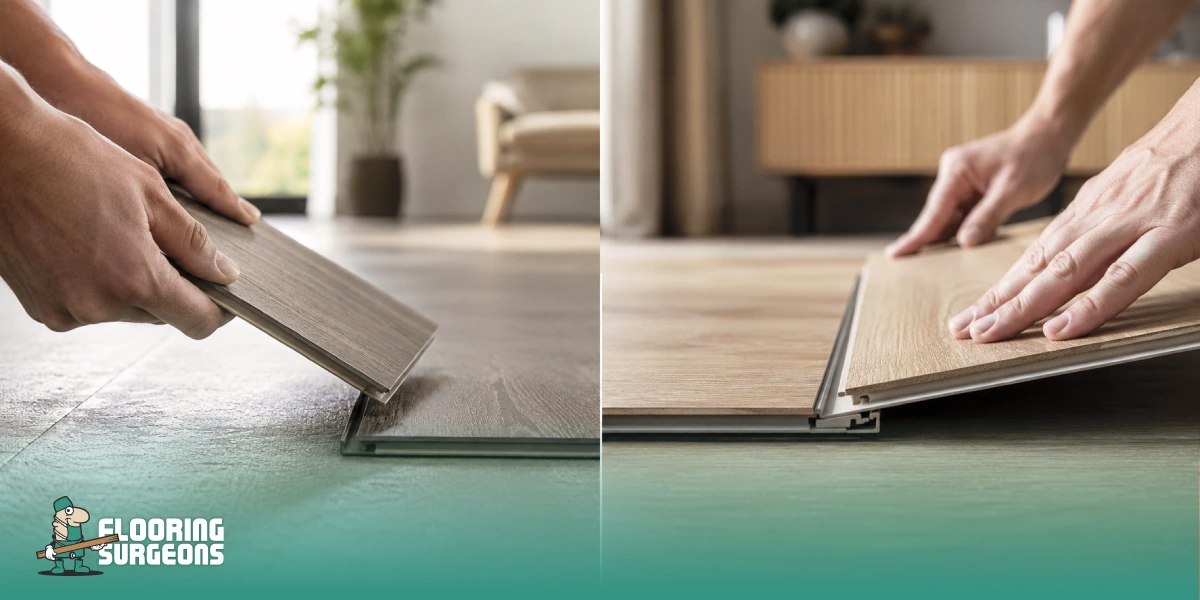
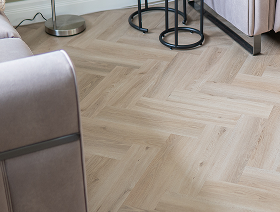
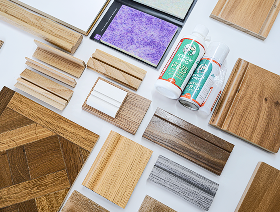
Yes, you can refinish engineered wood flooring, but it depends on the thickness of the top wear layer. Floors with a thicker veneer can be sanded and refinished multiple times, while thinner layers may only allow light screening or recoating. Understanding engineered wood flooring refinishing helps homeowners restore their floors without risking damage. This approach is often more cost-effective than replacement, especially when considering the cost of wood floor repair in the UK. In this guide, we cover the limits, step-by-step process, costs, and practical tips for a successful refinishing project in 2026.
Table of contents
Limits of Refinishing Engineered Wood Flooring
Not all engineered floors can be fully refinished. Key factors that determine whether refinishing is possible include:
- Wear Layer Thickness: Floors with less than 1.5 mm veneer may only allow light resurfacing. Thick veneers (3–4 mm) can withstand sanding and multiple refinishing cycles.
- Floor Age and Condition: Older floors with damage or warped boards may not survive full sanding.
- Construction Type: Multi-layer engineered boards have limitations compared to single-strip veneers.
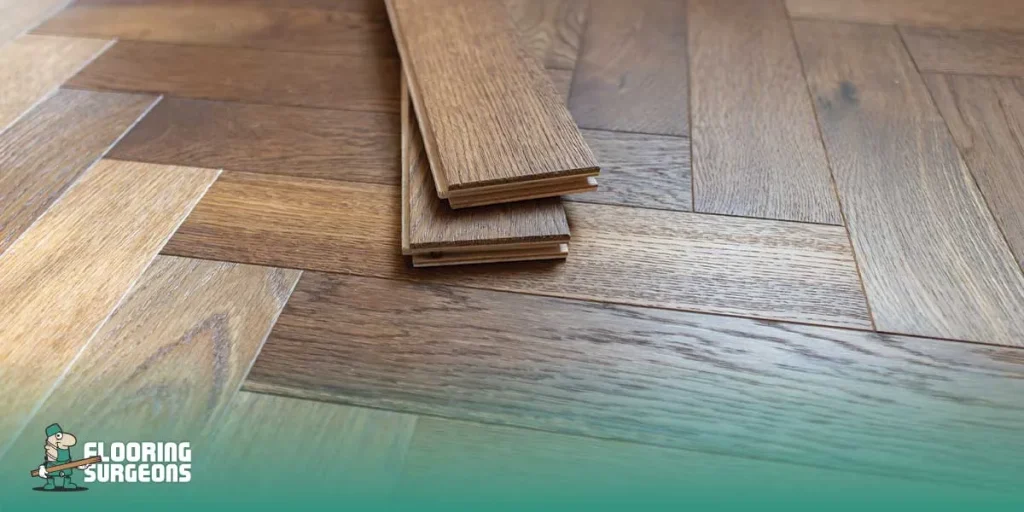
If the top layer is too thin, sanding could expose the plywood core and ruin the floor. This is the main limit of refinishing engineered wood flooring.
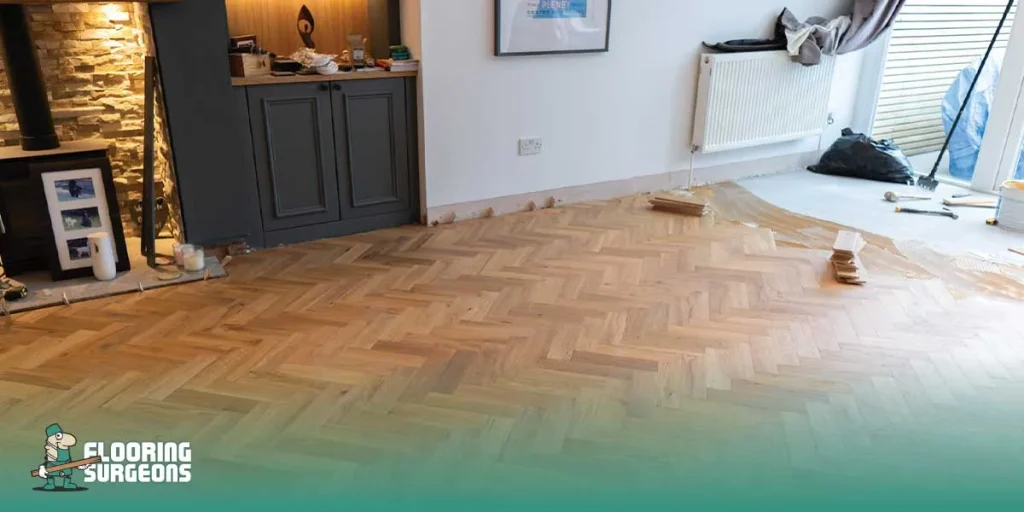
Engineered Wood Flooring Refinishing Costs (UK 2026 Update)
Costs vary depending on the service, floor condition, and size of the area. Here’s an up-to-date 2026 UK cost guide for refinish engineered wood flooring UK:
| Service | Cost Range (£/m²) | Notes |
| Screening & recoating | £10 – £18 | Minimal sanding, refresh finish |
| Light sanding + finish | £15 – £25 | Minor scratches and wear |
| Full sanding + lacquer/oil finish | £20 – £35 | For deeper damage or heavily used areas |
| Gap filling / minor repairs | £4 – £12 | Optional, depending on floor condition |
| Full replacement | £40 – £50 | If wear layer is too thin or damage is severe |
This table provides a clear overview of the expected engineered hardwood floor refinishing cost and helps homeowners plan their budget effectively.
Step-by-Step Process for Refinishing Engineered Wood Flooring
Refinishing engineered wood floors involves several careful steps to restore their appearance while preserving structural integrity.
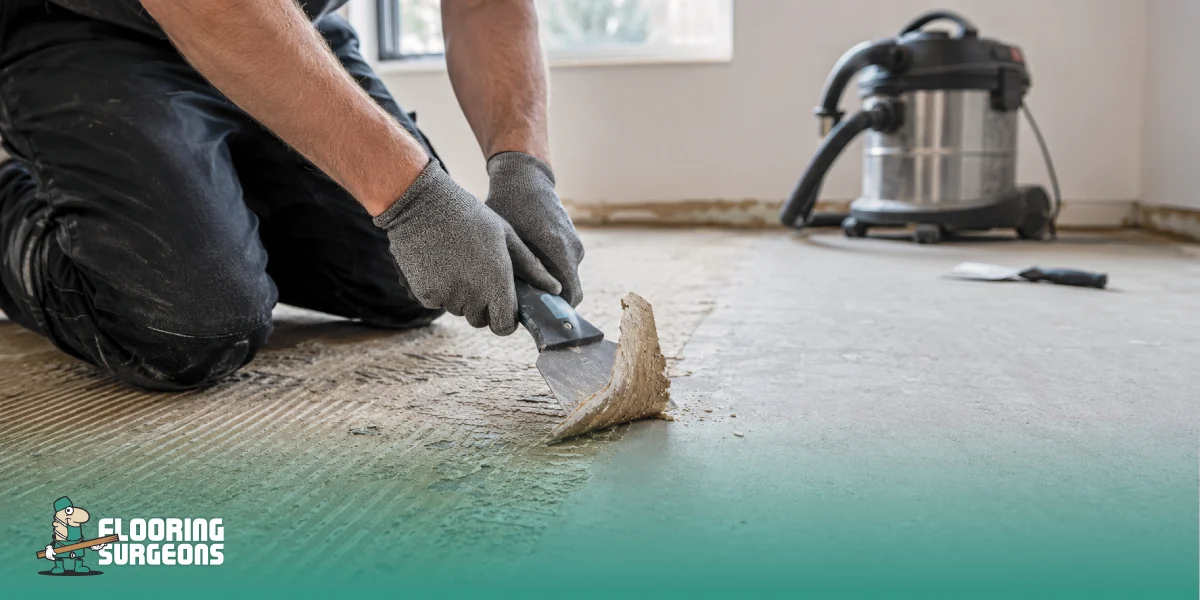
- Cleaning and Inspection: Remove furniture, thoroughly clean the floor, and examine the wear layer to determine whether sanding or light screening is appropriate. Proper assessment also helps you estimate the cost of wood floor repair accurately.
- Screening or Sanding: Floors with thin veneers may only need screening to refresh the surface, while thicker floors can undergo full sanding for more serious damage.
- Repairs: Fill in gaps, scratches, or minor dents to create a smooth surface ready for finishing.
- Finishing: Apply a protective lacquer or oil finish to enhance the floor’s appearance and durability.
Executing each step correctly ensures a long-lasting, visually appealing finish while maintaining the integrity of your engineered wood flooring.
If you’re also curious about refinishing limitations, you may find this related guide on how many times can you sand a wood floor helpful.
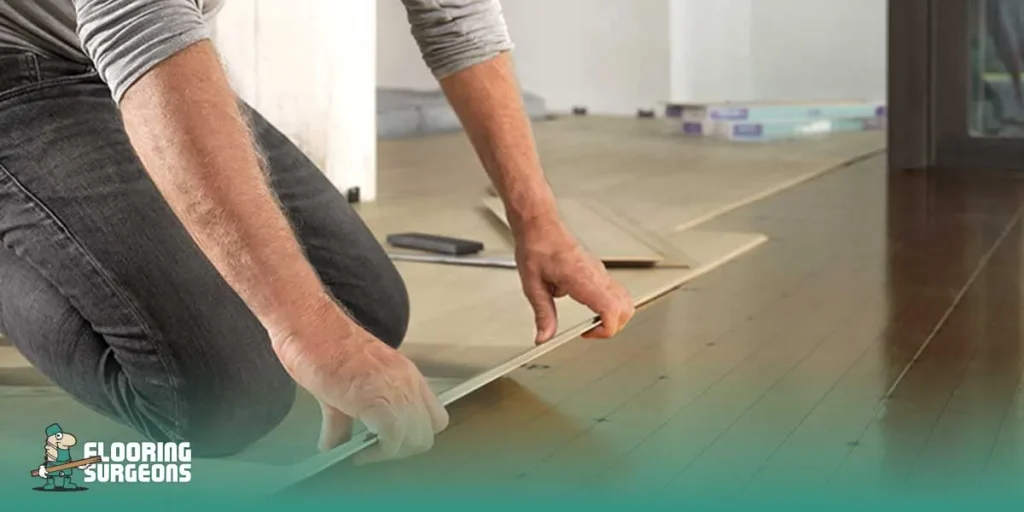
DIY vs Professional Engineered Wood Flooring Refinishing
Choosing between DIY and hiring professionals depends on your skill level, available tools, and the condition of your engineered wood flooring. Both approaches have advantages and limitations, and understanding them ensures the best results for your floor.
DIY Refinishing:
- Ideal for minor scratches, light wear, or simple screening.
- Requires patience, the correct sanding or screening equipment, and knowledge of finishing techniques.
- Cost-effective, as you mainly pay for materials (£10–£18/m² for screening/recoating).
- Risk of uneven sanding, over-sanding, or damaging the veneer if you lack experience.
- Best for small areas or floors with thicker wear layers that allow minimal refinishing.
Professional Refinishing:
- Recommended for full sanding, deep scratches, heavily worn areas, or floors with multiple refinishing cycles.
- Professionals ensure consistent sanding, even application of lacquer or oil, and correct gap filling.
- Offers long-lasting results, saving time and reducing the likelihood of mistakes.
- While more expensive (£20–£35/m² for full sanding + finish), it often proves more cost-effective in the long term by extending floor life.
Engaging Flooring Surgeons for professional refinishing provides homeowners with expert assessment, ensures the correct technique is used for your floor type, and preserves the integrity and appearance of your engineered wood flooring. They can advise whether a light DIY refresh is sufficient or if a full professional sanding and finishing is necessary.
By carefully weighing the condition of your floor, your experience, and your budget, you can decide whether DIY or professional refinishing will give you the most durable and visually appealing result.
Practical Tips Before You Start Refinishing
Before starting refinishing, follow these essential tips:
- Check Wear Layer Thickness: Ensure sanding will not damage the floor.
- Inspect for Damage: Look for water damage, warping, or loose boards.
- Test a Small Area First: See how the floor responds to sanding or screening.
- Protect Surrounding Areas: Cover skirting boards, furniture, and vents.
- Plan for Maintenance: Use proper cleaning products post-refinishing for long-lasting results.
These steps reduce risks and ensure the refinished floor looks and performs its best.
Conclusion – Should You Refinish or Replace?
Refinishing engineered wood flooring is often the most practical and cost-effective solution when the top wear layer is thick enough to withstand sanding. By understanding the limits of refinishing engineered wood flooring, knowing the engineered hardwood floor refinishing cost, and following the correct step-by-step process, homeowners can make informed choices that protect both the beauty and longevity of their floors.
For minor scratches or light wear, DIY techniques like screening or light sanding can refresh the floor quickly and affordably. However, full sanding and finishing, especially for heavily worn or older floors, should be handled by professionals to ensure even results, proper finishing, and long-lasting protection. Engaging experts such as Flooring Surgeons can save time, reduce the risk of costly mistakes, and guarantee a floor that looks as good as new.
When the wear layer is too thin, sanding can damage the floor, making replacement the only viable option. In the UK, replacement costs typically start around £40–£50 per m², depending on wood type and installation requirements.
Ultimately, the decision comes down to floor condition, budget, and long-term goals:
- Refinish if the veneer is thick enough, damage is minimal to moderate, and you want to restore the floor’s natural beauty at a lower cost.
- Replace if the wear layer is too thin, the floor has extensive damage, or you desire a completely new look and design.
By carefully assessing your floor and following best practices, UK homeowners can restore elegance, improve durability, and extend the life of their engineered wood flooring efficiently and safely, whether they choose DIY refinishing or professional services.

Mina Asgari
I’m an SEO Specialist and Content Strategist focused on sustainable business growth. I design data-driven content strategies by deeply analyzing user intent, search behavior, and SEO best practices, ensuring every piece of content serves a clear purpose for both users and search engines.