Many people ask, “Does sleeping on the floor improve sleep quality?” and the clear answer is, “It can, but only under the right conditions.” Sleeping on the floor may improve sleep quality for some people by providing a firmer surface that supports spinal alignment, reduces excess body movement, and creates a cooler sleeping environment. However, the wrong type of flooring can lead to pressure point pain, cold exposure, increased allergens, or joint discomfort.
This means flooring plays a direct role in how well you sleep. Factors such as surface firmness, noise absorption, thermal insulation, and indoor air quality all influence sleep comfort and recovery. Choosing the right flooring helps maximise the benefits of floor sleeping while minimising potential health risks, making it a long-term solution rather than a short-term experiment.
Table of contents
Why Sleep Quality Matters for Overall Health
Sleep is essential for physical recovery, mental clarity, and immune function. Poor sleep quality is linked to back pain, stress, weakened immunity, and reduced focus. Even small environmental factors like sound, temperature, or surface firmness can interrupt deep sleep cycles. This is why the bedroom environment, including flooring, plays a much larger role than many people realise.
How Bedroom Environment Affects Sleep
Your body responds to its surroundings while sleeping. Noise, cold floors, poor air quality, or uncomfortable surfaces can prevent full relaxation. Many people wonder why I can sleep better on the floor, and often the answer lies in improved spinal alignment, cooler temperatures, or reduced movement compared to soft mattresses. Flooring directly influences all of these factors.

The Role of Flooring in Bedroom Comfort
Flooring is not just a design choice; it is the foundation of your sleep environment. Firmness, texture, insulation, and sound absorption all affect how your body rests. Some sleepers even feel sleeping on the floor is better than sleeping in a bed because certain flooring types provide more stability and fewer pressure points than overly soft mattresses.
How Different Flooring Types Affect Sleep Quality
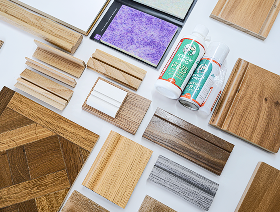
Different materials create very different sleep experiences. Below is how common flooring options compare.
Carpet and Rugs: Sound Absorption & Warmth
Carpeted floors offer softness underfoot, warmth, and excellent noise reduction. They absorb footsteps and reduce echo, creating a calm environment. Carpets are ideal for people sensitive to noise or cold floors, though regular cleaning is important for allergy control.
Hardwood and Laminate Flooring: Aesthetics vs Acoustics
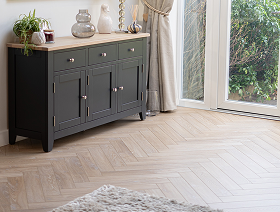
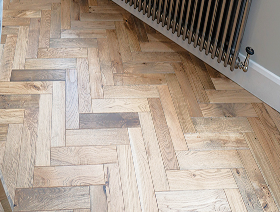
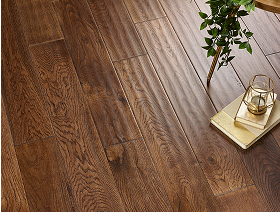
Hardwood and laminate provide firm support and a clean aesthetic. Some people report they sleep better on a hardwood floor due to the stable surface and cooler feel. However, these floors reflect sound, so pairing them with rugs or underlayment is essential. If you’re exploring options, our laminate flooring for sale selection balances durability, comfort, and acoustic performance.
Vinyl, SPC, and PVC Flooring: Comfort and Noise Considerations
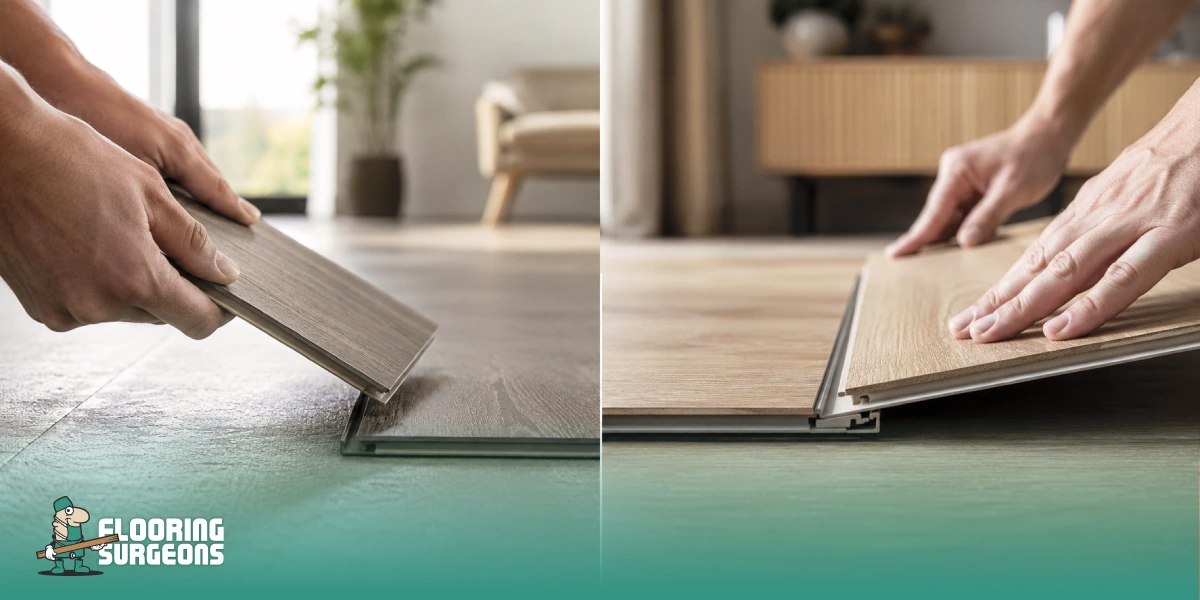
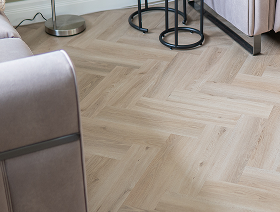
Modern vinyl floors offer a softer feel than hardwood while maintaining firmness. Luxury Vinyl Flooring is especially effective at reducing noise and maintaining comfortable temperatures, making it an excellent choice for sleep-focused bedrooms.
Tile and Stone Flooring: Cool Surfaces and Sound Reflection
Tile and stone stay cool and are easy to clean, which some sleepers prefer. However, they are hard and reflective, which can increase noise and joint discomfort without proper padding.
Flooring and Noise Reduction in the Bedroom
Noise is one of the biggest sleep disruptors. Soft flooring materials and quality underlayment significantly reduce impact noise and vibrations. Even in multi-story homes or apartments, the right flooring system can prevent nighttime disturbances and support uninterrupted sleep.
Flooring Impact on Thermal Comfort and Insulation
Cold floors can pull heat from your body, while insulated flooring helps regulate temperature and create a more stable sleep environment. Materials like carpet and Luxury Vinyl Flooring retain warmth better than tile or stone, helping the bedroom maintain a comfortable temperature throughout the night. By reducing cold shock and heat loss, these flooring options support deeper sleep, faster relaxation, and fewer nighttime disruptions.

Flooring Materials and Indoor Air Quality (VOCs & Allergens)
Some flooring materials release VOCs, which can irritate airways and disrupt sleep. Others trap dust and allergens if not maintained. Choosing low-emission flooring is especially important for sensitive sleepers and spaces such as flooring in healthcare facilities, where air quality is critical.
Practical Comparison: Flooring and Sleep Impact
| Flooring Type | Noise Control | Temperature Comfort | Firmness | Sleep Suitability |
| Carpet | High | Warm | Soft | Great for light sleepers |
| Laminate | Medium | Neutral | Firm | Balanced with rugs |
| Vinyl/SPC | High | Stable | Medium-firm | Excellent overall |
| Tile/Stone | Low | Cool | Very firm | Limited without padding |
Best Flooring Options for a Better Night’s Sleep
If you’re weighing the pros and cons of sleeping on the floor, flooring choice matters just as much as the mattress. The best options combine moderate firmness, noise control, thermal comfort, and clean air performance. Vinyl and well-installed laminate systems often provide the best balance for modern bedrooms.
Tips for Choosing the Right Bedroom Flooring
- Choose medium-firm surfaces for spinal support
- Add acoustic underlayment to hard floors
- Avoid high-VOC materials
- Use rugs strategically for warmth and sound control
- Match flooring to your climate and sleep preferences
Final Thoughts: Can Flooring Really Improve Sleep Quality?
So, can sleeping on the floor cause health problems? It can if the flooring is too hard, cold, or poorly insulated. But with the right flooring system, many people experience better posture, fewer disturbances, and deeper rest. Understanding the effects of sleeping on a floor allows you to make informed decisions that support long-term health.
At Flooring Surgeons, we design flooring solutions that don’t just look good; they actively support comfort, wellness, and better sleep through carefully selected materials and expert installation.
If sleep quality matters to you, your flooring choice should too.

Mina Asgari
I’m an SEO Specialist and Content Strategist focused on sustainable business growth. I design data-driven content strategies by deeply analyzing user intent, search behavior, and SEO best practices, ensuring every piece of content serves a clear purpose for both users and search engines.