When homeowners face floor damage, the first question is usually who is responsible for the floor damage and who should pay for repairs. The short and honest answer is this: responsibility depends on why the flooring failed. If the issue comes from a defective product, the supplier may be responsible. If the problem is caused by poor installation or site conditions, liability often falls on the installer. In some cases, responsibility is shared. Understanding this distinction early can save time, money, and unnecessary disputes.
Below, we break down flooring failure responsibility in a clear, practical way so you know exactly where liability typically lies and what steps to take next.
Table of contents
What Is a Flooring Failure?
A flooring failure is any situation where a floor does not perform as expected under normal conditions. This may include buckling, warping, gaps, cracking, delamination, loose boards, or visible moisture damage. From a legal and technical standpoint, identifying the cause of failure is the key factor in determining flooring defect responsibility. This leads directly to the next question: why do floors fail in the first place?
Why Flooring Failures Happen?
Most failures fall into three broad categories:
- Product or manufacturing defects
- Installation errors or poor workmanship
- Site-related issues, such as moisture or subfloor problems
Understanding these root causes helps clarify who is responsible for flooring failure cases and prevents blame from being placed on the wrong party, especially when dealing with Laminate Flooring.

When Is the Flooring Supplier Responsible?
A supplier or manufacturer is usually responsible when the flooring itself is defective or unsuitable for its intended use. This is the core of flooring supplier responsibility.
Product Defects and Material Issues
Common supplier-related problems include:
- Manufacturing defects
- Inconsistent material quality
- Flooring not suited for the environment where it was sold for use
In these cases, flooring fails liability often points toward the supplier, especially when installation followed manufacturer guidelines.
Flooring Warranties (What Suppliers Cover)
Most suppliers offer material warranties, not labour coverage. These warranties typically cover replacement of defective flooring but exclude installation or removal costs. This is where many flooring warranty issues arise and cause confusion for homeowners. As responsibility shifts from product to process, installation becomes the next critical factor.
When Is the Flooring Installer Responsible?
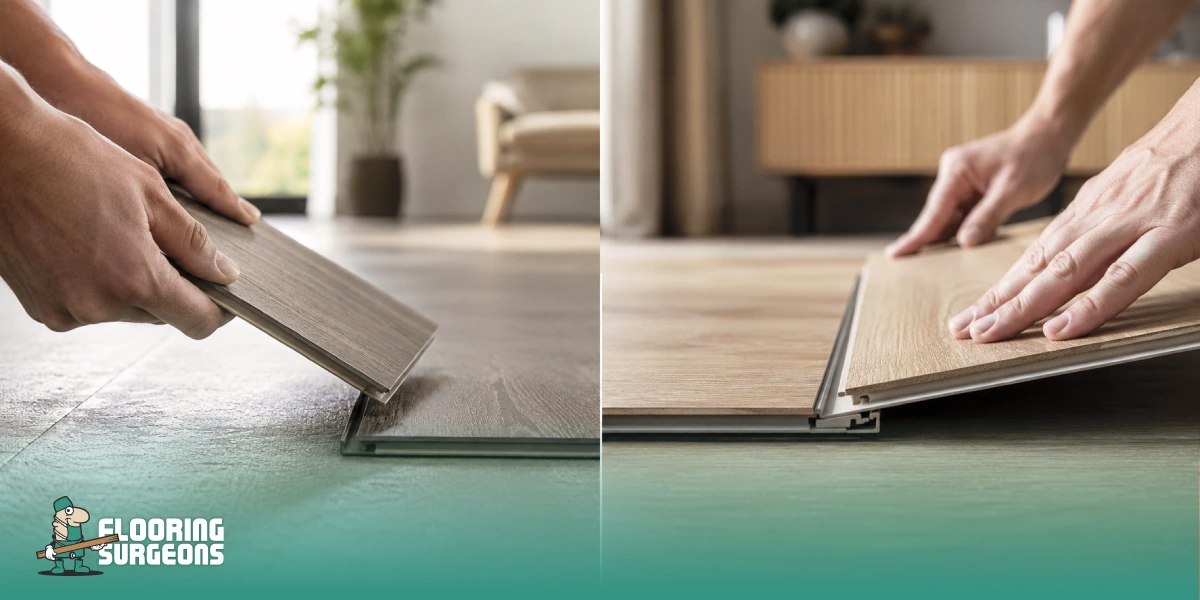
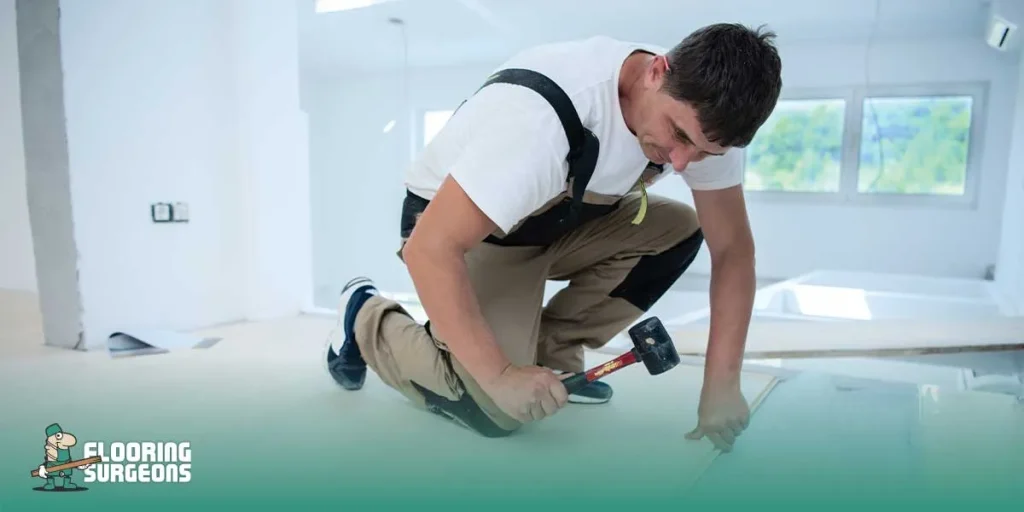
If the flooring product is sound but problems appear after installation, responsibility may rest with the installer. This is known as flooring installer liability.
Installation Errors and Poor Workmanship
Installer responsibility often applies when there is:
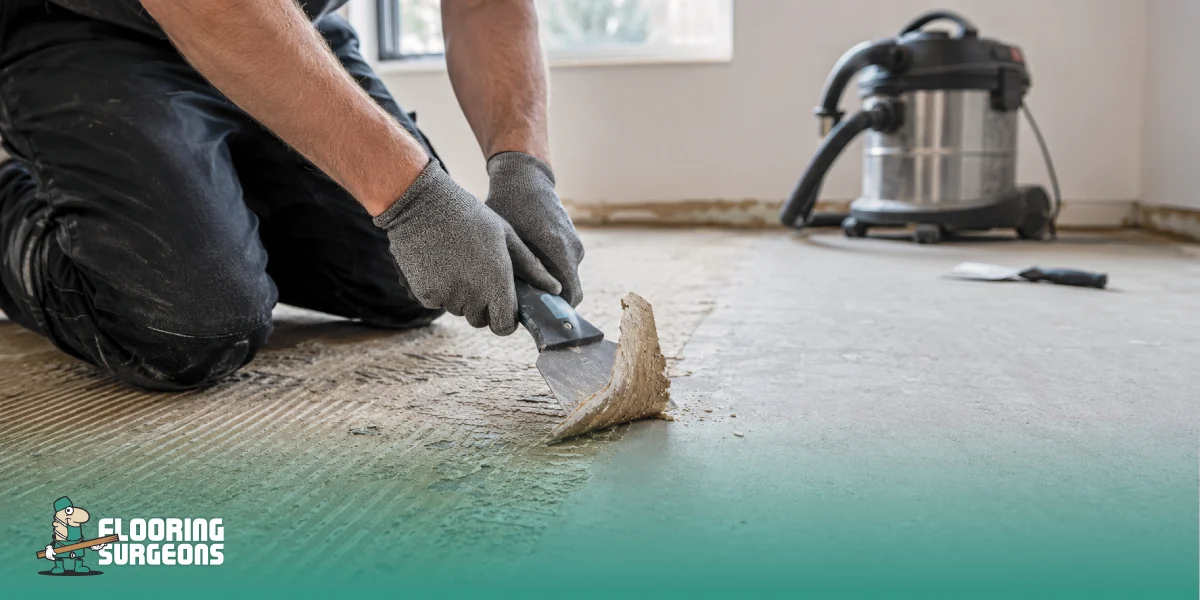
- Improper subfloor preparation
- Failure to follow the manufacturer’s instructions
- Incorrect acclimation or layout
These mistakes frequently determine who pays when the floor fails, especially if damage appears soon after installation.
Moisture Testing and Site Conditions
Installers are expected to evaluate site conditions before installation. Failing to test moisture levels or ignoring warning signs can shift liability entirely to the installer, even if the flooring itself is high quality. At this point, many disputes arise between suppliers and installers. So, how is responsibility actually determined?
Flooring Supplier vs Installer: How Responsibility Is Determined
In disputes involving flooring supplier vs installer responsibility, professionals typically examine:
- The condition of the flooring before installation
- Compliance with manufacturer guidelines
- Site conditions and moisture reports
- Installation methods and documentation
Independent inspections are often used to establish flooring failure responsibility objectively.
The Role of Contracts and Inspections
Clear documentation is one of the strongest tools for resolving disputes fairly.
Installation Contracts and Liability
Contracts often define limits of responsibility and exclusions. These documents play a major role in deciding who is responsible when flooring fails, especially in legal or warranty claims.
Independent Flooring Inspections
Third-party inspections help identify the true cause of failure and prevent finger-pointing. Their reports are frequently the deciding factor in assigning flooring defect responsibility. To simplify this process, the table below outlines common scenarios and typical responsibilities.
Flooring Failure Responsibility Overview
| Cause of Failure | Likely Responsible Party | Notes |
| Manufacturing defect | Supplier | Covered by material warranty |
| Improper installation | Installer | Labor-related liability |
| Moisture in subfloor | Installer or homeowner | Depends on testing and disclosure |
| Unsuitable product choice | Supplier or installer | Based on recommendation |
| Mixed causes | Shared responsibility | Requires inspection |
What to Do When Your Flooring Fails
If your floor shows signs of failure:
- Document the damage immediately
- Review warranties and contracts
- Contact both the supplier and the installer
- Request an independent inspection
- Avoid repairs until responsibility is determined
If the issue involves the base structure, what is this guide on what to do if subfloor is damaged? Can help clarify next steps.
How to Prevent Flooring Failure
Prevention starts before installation:
- Choose flooring appropriate for the space, such as moisture-resistant options
- Work with qualified professionals
- Ensure moisture testing and proper subfloor preparation
- Keep written records of all work
These steps dramatically reduce disputes over who is responsible for floor damage later on.
Final Verdict: Who Is Responsible?
So, who is responsible when flooring fails? There is no one-size-fits-all answer. Liability depends on whether the failure was caused by a product defect, installation error, or site condition. Understanding warranties, contracts, and inspection findings is essential to determining who is responsible for flooring failure situations fairly.
At Flooring Surgeons, the focus is always on transparency, proper installation standards, and helping homeowners make informed decisions that prevent costly flooring failures before they happen.

Mina Asgari
I’m an SEO Specialist and Content Strategist focused on sustainable business growth. I design data-driven content strategies by deeply analyzing user intent, search behavior, and SEO best practices, ensuring every piece of content serves a clear purpose for both users and search engines.