Everyone wants floors that last, ones that can handle daily wear and still look great. With durability now a big deal in both homes and businesses, manufacturers keep searching for new ways to protect floors and extend their lifespan.
One of the latest ideas is self-healing flooring. Basically, these materials can fix small scratches and surface damage on their own, so you don’t have to keep repairing or fussing over them. Sure, the tech isn’t everywhere yet, but it’s already changing how people design new floors. Here, we’ll dig into how these self-healing materials actually work, where the technology stands right now, and which flooring options already deliver that kind of toughness and performance.
Table of contents
What Are Self-Healing Flooring Materials?
Basically, these floors can fix up little scratches or scuffs on their own. Instead of those annoying marks sticking around forever, the floor sort of smooths itself out and looks almost new again. Most of the time, this self-healing magic only happens right on the surface. It’s designed to handle everyday wear, such as people walking across it or dragging chairs.
The whole idea of floors that heal themselves fits into a bigger movement: making floors that last longer and are easier to look after. We’re not seeing these everywhere just yet, but honestly, it’s a pretty cool direction for flooring tech.
How does self-healing flooring actually work?
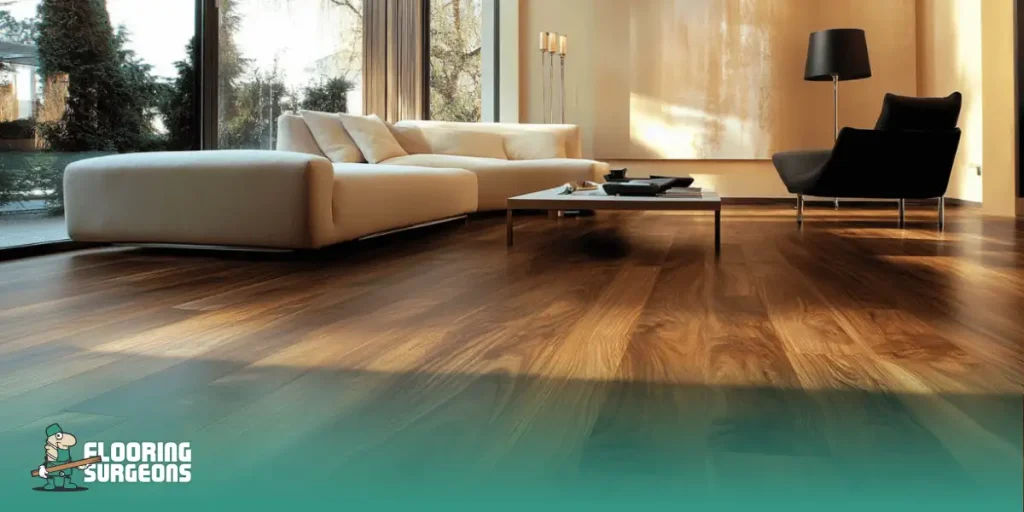
Basically, these floors use special materials that can repair minor scratches or scuffs on their own. When you get a nick or some regular wear, the material actually reacts, softens, reconnects, or shifts at a tiny, almost invisible level. The damage kind of melts away, or at least becomes way less obvious.
Honestly, the main point isn’t to fix big structural problems. It’s about keeping your floors looking good and slowing down everyday wear and tear, so they last longer. People are still developing this tech for large-scale flooring, but it’s already making the next generation of floors tougher and more durable for the long term.
Types of Self-Healing and Advanced Flooring Materials
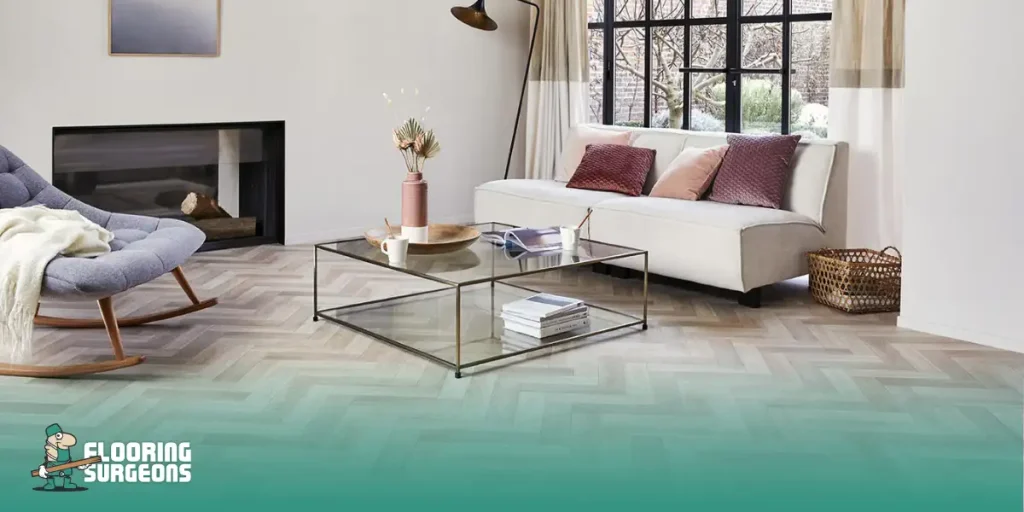
While researchers are still figuring out how to make truly self-healing floors, many of today’s flooring products already borrow some of these ideas. These modern floors are built to stand up to wear and tear, so you don’t have to worry as much about replacing them anytime soon.
| Technology Approach | How It Works | Flooring Relevance |
| Flexible polymer bonds | Bonds reconnect after minor surface damage | Reduces scratches and scuffs in polymer-based floors |
| Protective surface layers | Absorb impact and resist wear | Common in advanced vinyl flooring solutions |
| Multi-layer structures | Damage stays within top layers | Used in engineered wood and laminate flooring |
Flexible Polymer Bonds
Here’s something neat: some floors use flexible polymers, so when the surface gets scratched or dinged, the molecules actually reconnect. That little bit of “self-healing” hides minor damage. You’ll mostly find this in experimental polymer flooring right now. It’s not everywhere yet, but it’s sparked a bunch of ideas for floors that last longer.
Protective Surface Layers
Think of protective layers as armour for your floor. These tough coatings can take a lot of abuse without wearing out fast. Vinyl and other resilient floors use this trick, so they hold up in high-traffic areas and require less maintenance. Plus, they still look good.
Multi-Layer Construction
Multi-layer floors are like a layer cake: the top layers take the hits, but the whole thing stays nice-looking. That’s why you see this setup in laminate and engineered wood flooring. It does the job right now, at least until truly self-repairing floors are everywhere.
Benefits of Self-Healing Flooring Materials
- Smart flooring keeps your floors looking sharp and significantly reduces maintenance costs. Honestly, it just makes them last longer.
- You don’t see as much wear and tear. Little scratches and scuffs sort of disappear, so your floors stay looking new, something homeowners often worry about, as discussed in Does Laminate Flooring Scratch?
- These floors can take a beating. They’re built for the daily grind, kids running around, office foot traffic, you name it.
And here’s the thing: you don’t have to wait for some futuristic technology. Modern options like Luxury Vinyl Flooring already fight off scratches and keep that fresh shine for years.
Challenges and Limitations of Self-Healing Floors
- Self-healing flooring has some great perks, but it’s not perfect. Most of these technologies are still pretty new, so you’ll mostly find them in testing phases or in a handful of places.
- These floors can handle small scratches and scuffs, but they won’t fix bigger, structural damage. Price is another issue.
- These advanced smart flooring materials usually cost more than regular flooring.
Right now, if you want something reliable for everyday life, laminate flooring makes sense. It’s tough, holds up well over time, and doesn’t scratch easily.
The Future of Self-Healing Flooring Technology
Smart flooring materials are an exciting new development in flooring technology. Even while fully self-repairing floors are still being developed, many of the same benefits are available in advanced flooring options, such as durability, scratch resistance, and ease of care. People who own homes and companies may make smart choices today and be ready for the new technologies that are coming soon by learning about these materials, something Flooring Surgeons help make possible with today’s flooring solutions.

Ana.Soltanpoor
I’m an SEO Specialist with a strong background in content management and organic search. I build data-driven content strategies by aligning user intent, search behavior, and SEO best practices to ensure every piece of content delivers clarity, relevance, and measurable organic performance.