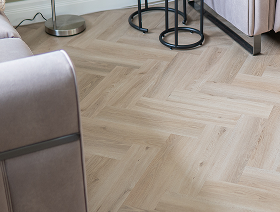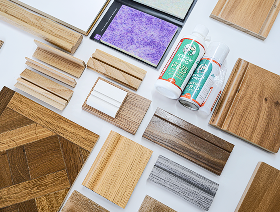
Many homeowners ask, Do carpets improve air quality?, especially when trying to create a healthier living space. The truth is that flooring plays a much bigger role in indoor air quality than most people realise. From the materials used to the way floors interact with dust, allergens, and moisture, your flooring choice can directly affect the air you breathe every day. Understanding how flooring impacts indoor air quality helps you make smarter decisions, not just for comfort but for long-term health.
Table of contents
Why Indoor Air Quality Matters More Than You Think
Before looking at flooring types, it’s important to understand how indoor air quality affects our health. Poor air quality indoors has been linked to allergies, asthma flare-ups, headaches, fatigue, and sleep disruption. Because we spend most of our time inside, even small airborne irritants can build up and affect well-being over time.
Flooring either contributes to these problems or helps reduce them.
Does Carpet Affect Air Quality?
One of the most common questions is, ” Does carpet affect air quality? Carpet behaves differently from hard flooring. It traps dust, pollen, pet dander, and other particles instead of letting them circulate freely in the air. This can be helpful in the short term, but only if the carpet is cleaned properly and regularly.
Without consistent maintenance, trapped pollutants can be released back into the air through walking, vacuuming, or air movement, negatively affecting indoor air quality.
Do Carpets Improve Air Quality or Make It Worse?
This leads directly to another debated topic: do carpets improve air quality? The answer depends on lifestyle and cleaning habits. In low-traffic homes with frequent vacuuming using HEPA filters, carpet can temporarily reduce airborne particles. However, in busy households, carpets can become long-term reservoirs for allergens and moisture.
This is why many health-focused homes are moving toward hard surface flooring options.

Hard Flooring and Air Quality Performance
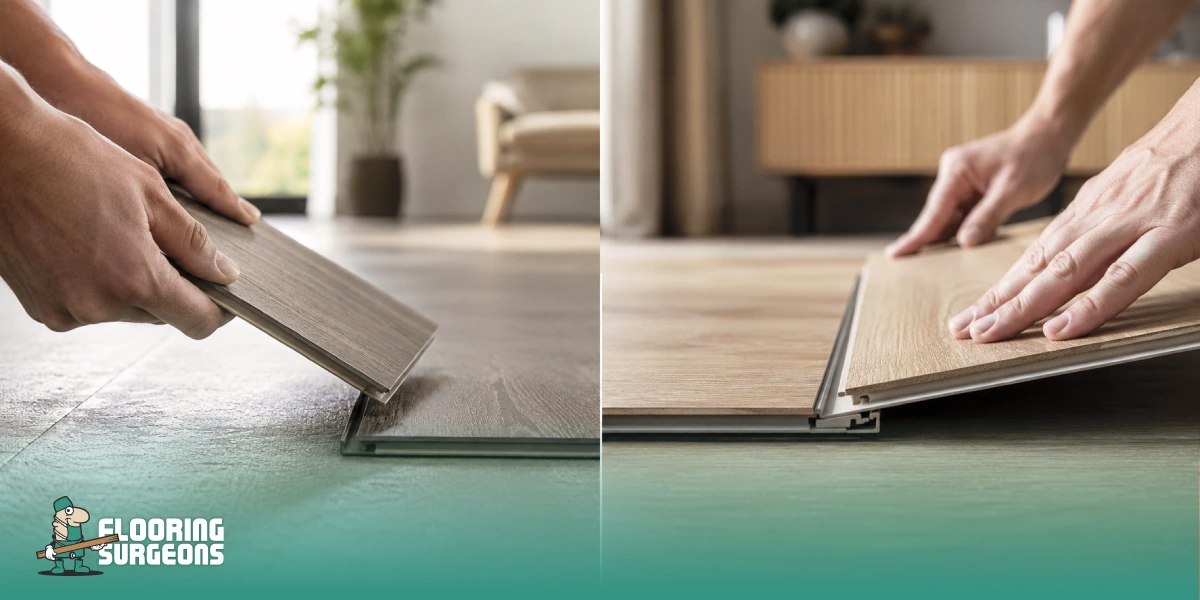
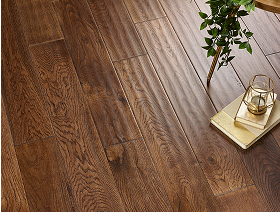
Hard flooring surfaces don’t trap allergens in the same way carpets do. Materials such as wood, vinyl, tile, and stone allow dust and particles to be easily removed instead of absorbed. This makes routine cleaning more effective and predictable.
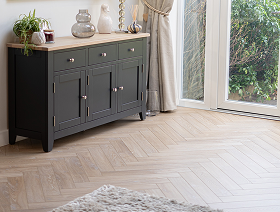
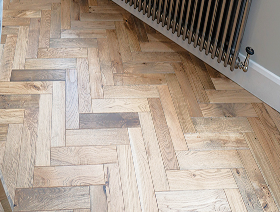
Options like engineered flooring are particularly popular because they combine stability with sealed surfaces that limit dust retention and moisture absorption. When properly finished, they support cleaner indoor air without sacrificing comfort or style.
Flooring Types and Their Impact on Indoor Air Quality
The table below provides a clear comparison to help you choose wisely:
| Flooring Type | Impact on Indoor Air Quality | Key Considerations |
| Carpet | Mixed | Traps allergens, requires frequent deep cleaning |
| Solid Wood | Good | Low dust retention, depends on finish |
| Engineered Wood | Very Good | Stable, sealed surface, low allergen build-up |
| Vinyl & LVT | Good | Easy to clean, check VOC ratings |
| Tile & Stone | Excellent | No allergen trapping, moisture resistant |
This comparison highlights why material choice matters just as much as cleaning habits.
VOCs, Finishes, and Hidden Air Pollutants
Beyond dust and allergens, flooring can affect air quality through chemical emissions. Some adhesives, finishes, and synthetic materials release volatile organic compounds (VOCs), especially when new. These emissions can linger for months and reduce indoor air quality without obvious signs.
Choosing certified low-VOC products and allowing proper ventilation during installation significantly reduces this risk.

Flooring, Breathing, and Sleep Quality
Air quality doesn’t just affect daytime comfort. It also influences how well you rest. Poor indoor air can contribute to nasal congestion, dry throats, and restless sleep. If you’re interested in this connection, you may also want to read Can Flooring Impact Sleep Quality?, which explores how surface choices influence nighttime comfort.
Healthy air starts from the ground up.
Making Health-Focused Flooring Decisions
From our experience at Flooring Surgeons, the healthiest flooring choice is one that balances low emissions, easy maintenance, and long-term durability. There is no single solution for every home, but understanding how flooring impacts indoor air quality helps you avoid choices that quietly harm your living environment.
The right floor doesn’t just look good; it supports better breathing, better sleep, and better everyday health.

Mina Asgari
I’m an SEO Specialist and Content Strategist focused on sustainable business growth. I design data-driven content strategies by deeply analyzing user intent, search behavior, and SEO best practices, ensuring every piece of content serves a clear purpose for both users and search engines.