Flooring marketing promises durability, low maintenance, and long-term performance, but in real homes, those promises often don’t hold up. Here is the simple truth most buyers want to know upfront:
flooring rarely fails because it is defective; it fails because it is chosen and promoted for ideal conditions, not real-life use. In everyday homes, flooring is exposed to constant foot traffic, furniture movement, cleaning routines, moisture, and lifestyle habits that product descriptions rarely account for. As a result, issues such as early wear, surface damage, noise, or unexpected maintenance costs tend to appear months after installation, not years later, as marketing often implies.
This gap between marketing claims and real-world performance leaves many homeowners feeling misled, not because information was false, but because critical context was missing. Terms like “scratch-resistant” or “suitable for high-traffic areas” are technically accurate, yet rarely explained in practical, lived-in terms.
This article closes that gap. It explains what flooring is actually like to live with over time, how it performs under everyday conditions, and where common problems really come from. The goal is not to promote or criticise specific products, but to help you understand flooring performance beyond advertising so you can make a decision based on reality, not promises. If you need a quick answer, this is it: flooring should be chosen based on lifestyle and long-term behaviour, not marketing language. If you want the evidence, examples, and practical breakdown behind that answer, the sections below will walk you through it.
Table of contents
Why Flooring Marketing Looks Better Than Reality
Flooring marketing is designed to communicate confidence, not context. Most product descriptions focus on performance claims without explaining the conditions under which those claims are made. This is where the first gap between expectation and reality begins.

Common Flooring Claims You See in Ads
Phrases like “scratch-resistant”, “low maintenance”, and “ideal for high-traffic areas” appear across almost all flooring categories. These claims are usually based on controlled tests that measure resistance under specific conditions, such as light abrasion or short-term pressure. What is rarely explained is how limited those conditions are compared to daily life.
In real homes, scratches do not come from a single test motion. They come from grit under shoes, chair legs being dragged, toys dropped repeatedly in the same spot, and cleaning tools used week after week. Marketing language simplifies durability into a single label, while real wear is cumulative and uneven.

Expectations vs Reality in Flooring Performance
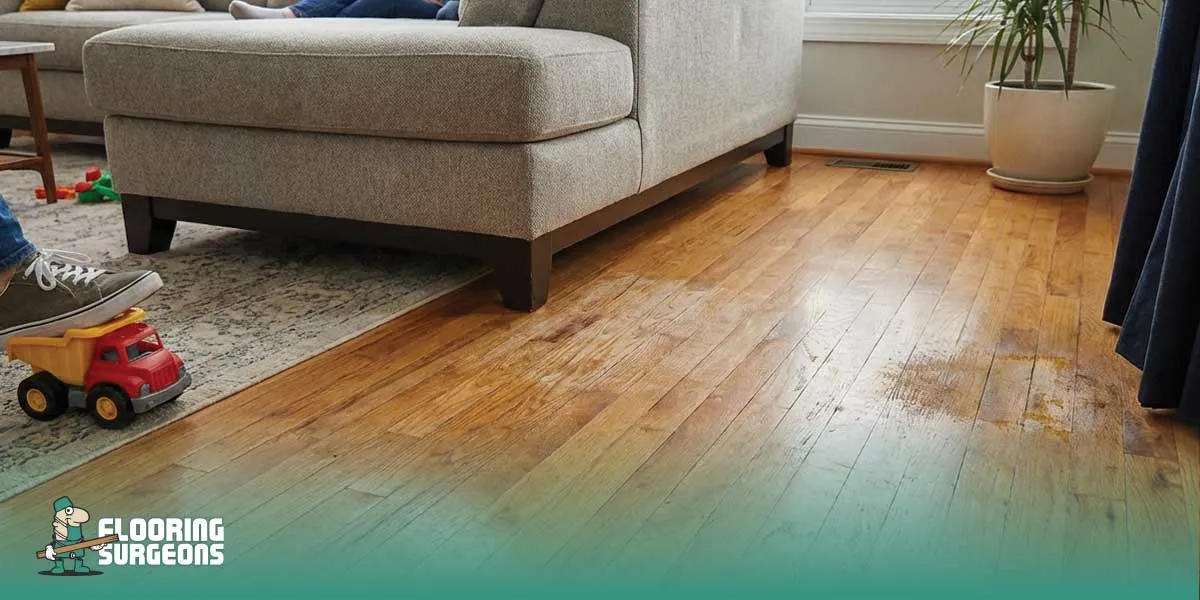
Buyers often expect flooring to look largely unchanged for years, even though marketing imagery shows pristine surfaces long after installation. In reality, flooring performance changes gradually and visibly, especially in areas that receive consistent use. The mismatch is not usually a dramatic failure. It is a subtle decline. Loss of surface finish, visible traffic paths, small edge damage, or increased sensitivity to moisture and cleaning products. These changes do not mean the flooring is defective. They mean the expectations were shaped by incomplete information. Marketing presents flooring as a static product. Real life treats it as a working surface.
What Happens to Flooring After 6 Months of Use
The first six months after installation are often the most revealing period for flooring performance. This is when real habits begin to show their impact and when early issues, if they exist, become noticeable.
Flooring Performance in High-Traffic Areas
Hallways, entrances, kitchens, and living areas experience concentrated wear. Even durable flooring materials will begin to show signs of wear here before anywhere else. The most common changes include surface dulling, fine scratches, and slight colour variation along walking paths. These effects are normal, but they are rarely discussed before purchase. Many homeowners expect uniform ageing across the floor, when in reality wear is localised and pattern-based.
How Flooring Behaves With Kids and Pets
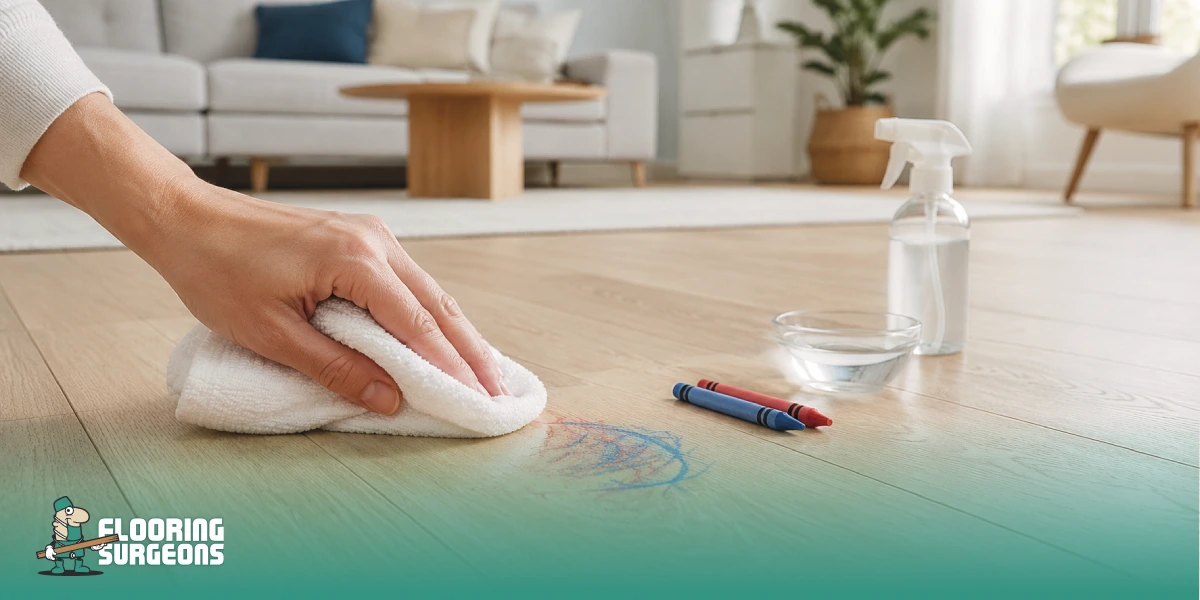
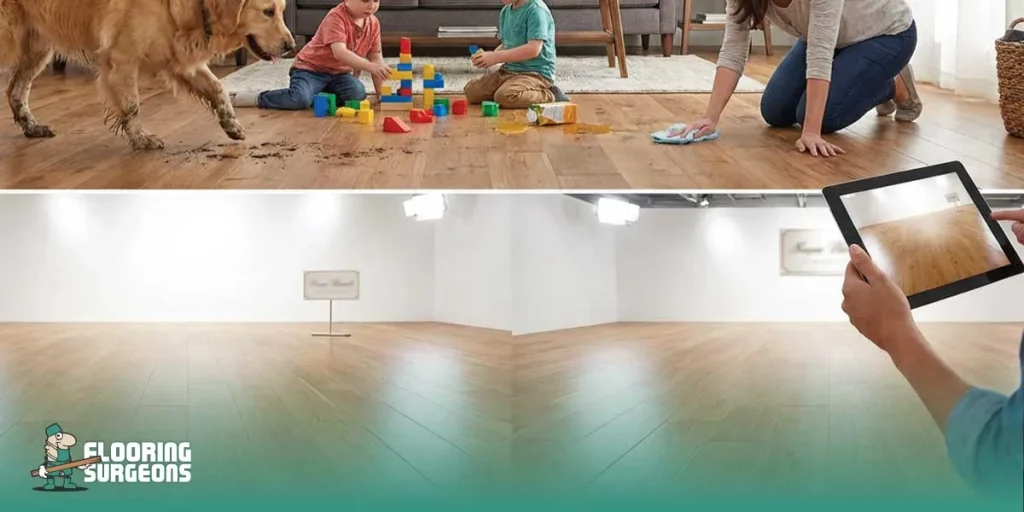
Homes with children or pets place very different demands on flooring. Spills are cleaned more frequently, impact is less predictable, and movement is more chaotic. Floors marketed as tough often perform well structurally, but visually age faster under these conditions. Small dents, surface marks, and edge wear tend to appear sooner, especially in play areas or near feeding and sleeping zones. This does not mean the flooring is unsuitable, but it does mean appearance expectations should be adjusted.
Real Maintenance Costs Nobody Mentions
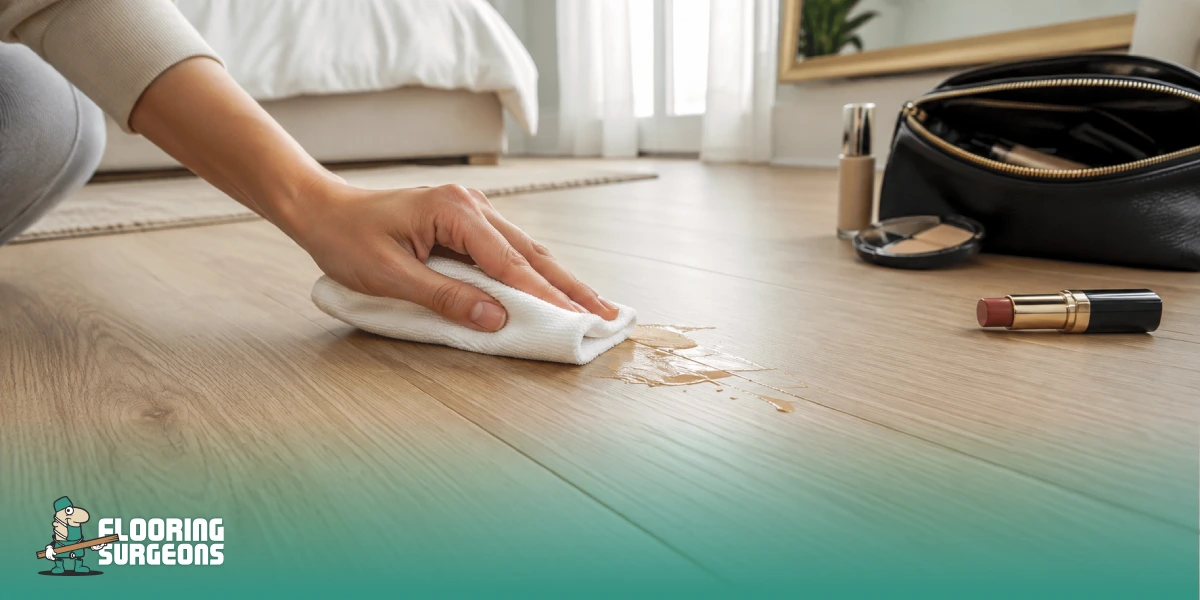
Maintenance is often described as simple, but simplicity does not mean zero effort or zero cost. Specialised cleaning, protective pads, periodic refinishing, or professional deep cleaning can be included in the ownership package during the first year. These costs are rarely highlighted upfront because they are not immediate. However, over time, they shape homeowners’ satisfaction with their choice.
The Impact of Poor Installation on Flooring Performance
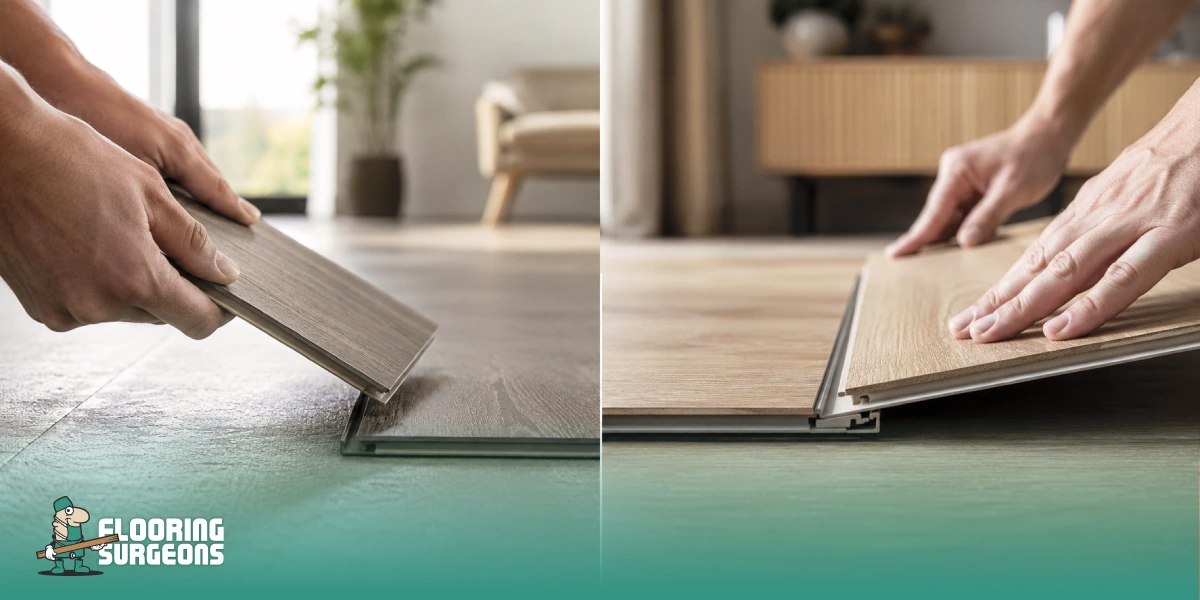
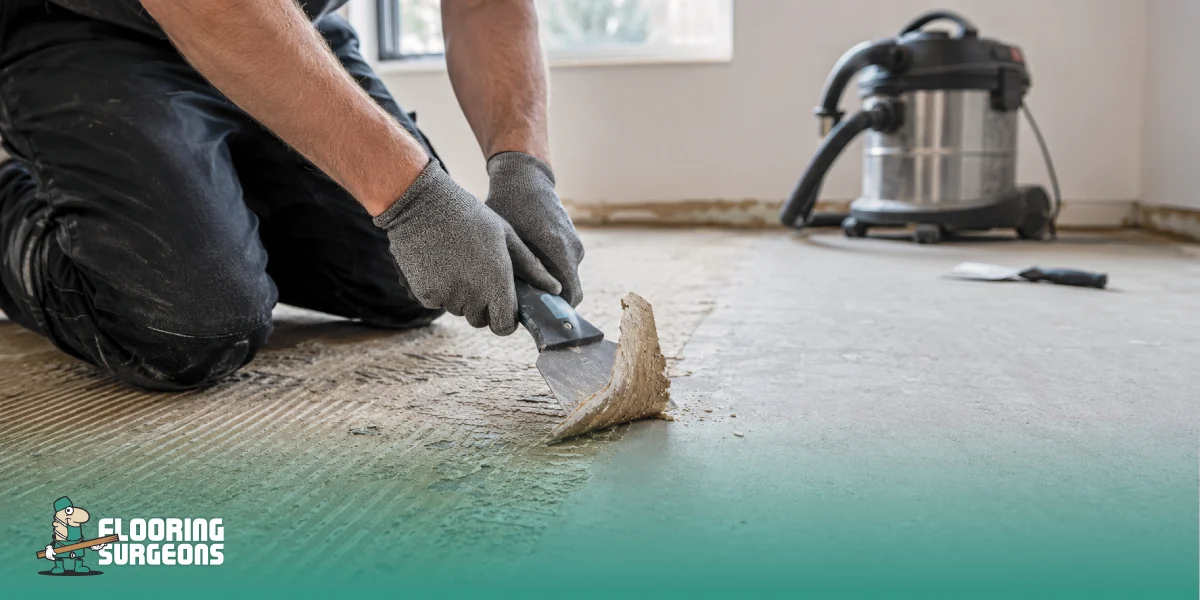
Installation quality plays a major role in how flooring behaves over time. Minor mistakes such as uneven subfloors, poor expansion gaps, or rushed fitting may not be visible at first. After several months, they can lead to noise, movement, joint separation, or accelerated wear. When problems appear, the flooring itself is often blamed, even though the root cause lies beneath the surface. Installation quality plays a major role in how flooring behaves over time. Minor mistakes such as uneven subfloors, poor expansion gaps, or rushed fitting may not be visible at first, but they strongly influence how flooring behaves after installation, especially once daily use begins.
Real User Complaints About Popular Flooring Types
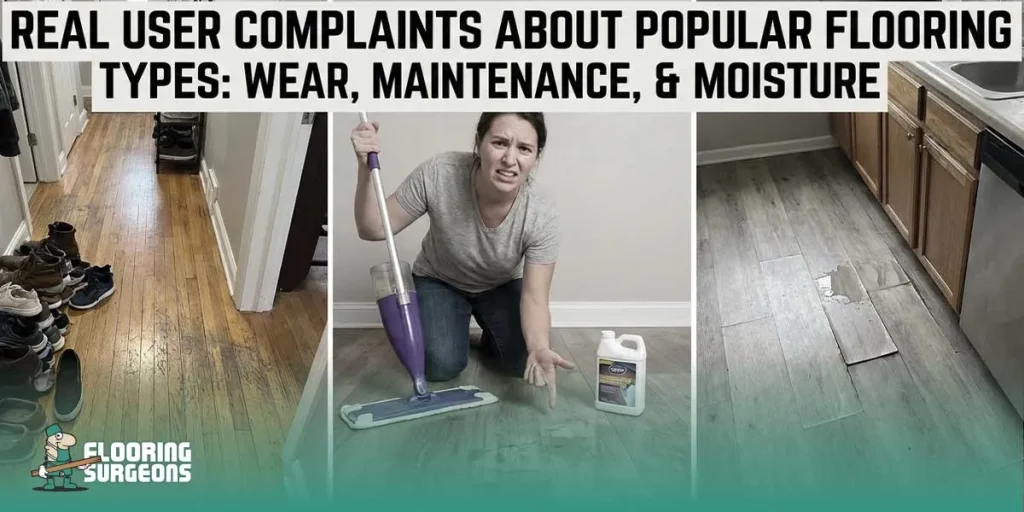
When homeowners talk about flooring problems, the complaints are rarely about catastrophic failure. Most issues are about everyday frustration and unmet expectations that only become clear after months of use.
Across different flooring types, several themes appear repeatedly. Buyers often report that surfaces wear sooner than expected, especially in high-traffic areas. Others report that maintenance feels more demanding than advertised, requiring specific products or routines they were never told about. Noise underfoot, visible joints, and sensitivity to moisture are also common points of dissatisfaction.
Most Common Flooring Regrets After Installation
Regret usually comes from a mismatch, not from choosing the “wrong” product in absolute terms. The most frequent regrets fall into a few clear categories:
- Choosing flooring based on appearance rather than daily use
- Underestimating how visible wear would be in high-traffic zones
- Assuming all “durable” flooring performs the same way
- Not factoring in long-term maintenance effort and cost.
In many cases, homeowners say they would have made a different choice if real-life examples had been shown instead of showroom samples.
Flooring Problems Reported After One Year
After roughly a year, patterns become easier to identify. Flooring does not suddenly degrade, but it starts to reveal how it truly responds to the household environment. Commonly reported issues include surface dulling, minor joint separation, persistent marks that do not clean out, and increased noise or movement. These problems are rarely severe enough to justify replacement, but they are enough to reduce satisfaction. The key issue is that buyers did not expect these changes to appear so soon.
Case Studies: Marketing Claims vs Real Homes
The table below illustrates how common marketing claims compare with homeowners’ real-world outcomes across different flooring categories.
| Marketing Claim | What It Usually Means | What Homeowners Often Experience |
| Scratch-resistant | Tested against light abrasion | Fine scratches visible in busy areas |
| Low maintenance | No sealing or refinishing required | Regular cleaning with specific products |
| Suitable for high-traffic | Structurally durable | Visual wear appears quickly in pathways |
| Long-lasting appearance | Surface integrity remains intact | Noticeable ageing within 12 months |
This gap does not indicate dishonesty. It highlights how marketing language simplifies complex, real-world behaviour.
Flooring Marketing Myths That Mislead Buyers
Many flooring myths persist because they sound logical and reassuring. In practice, they often lead buyers to overlook more important decision factors.
One of the most common myths is that harder automatically means more durable. Hardness can improve resistance to dents, but it does not prevent surface wear or visible ageing. Another misconception is that a premium price guarantees better long-term performance. Cost often reflects materials and finishes, not suitability for a specific lifestyle.
How to Choose Flooring Based on Lifestyle, Not Ads
The most reliable way to avoid disappointment is to reverse the usual buying process. Instead of starting with product features, start with how your home actually functions. For homes with variable foot traffic and changing conditions, reviewing different engineered wood flooring options can help buyers understand how structure, finish, and installation method affect long-term performance in real living spaces. Consider factors such as:
- Who uses the space and how often
- Whether spills, dirt, or moisture are frequent
- How much time and effort are you willing to spend on upkeep?
- Whether appearance or resilience matters more over time
When lifestyle leads the decision, marketing claims become reference points rather than decision drivers.
Questions You Should Ask Before Buying Flooring
Before committing to any flooring, buyers should ask questions that marketing materials rarely answer clearly. For example:
- What will this floor look like after visible wear appears?
- Which areas will age fastest, and how noticeable will it be?
- What maintenance will realistically be required after the first year?
- How sensitive is this flooring to installation quality?
Clear answers to these questions matter more than headline features.
Flooring Selection Checklist for Real-World Use
A practical checklist helps ground the decision in reality:
- Match flooring performance to daily habits, not ideal scenarios.
- Ask for real-life photos, not just showroom displays.
- Understand maintenance beyond basic cleaning.
- Factor installation quality into long-term performance.
- Accept that all flooring shows wear, just in different ways.
Future Trends: How Flooring Marketing Is Changing
There are early signs that flooring marketing is slowly shifting. More brands are beginning to acknowledge real-world use, highlighting lifestyle suitability rather than perfect visuals. Transparency around maintenance and ageing is increasing, though it is still far from standard.
As buyers become more informed and sceptical of generic claims, marketing is being pushed toward clearer, more experience-based communication. This change benefits homeowners who want realistic expectations rather than idealised promises.
How to Avoid Flooring Marketing Traps
The easiest way to fall into a flooring marketing trap is to assume that broad claims apply equally to every home. Most marketing language is technically accurate, but strategically incomplete. It highlights strengths while quietly ignoring limitations that only appear with daily use.
To avoid disappointment, buyers need to stop reading claims as guarantees and start reading them as conditions. A floor described as durable may last structurally for years, but still show visible wear early on. A floor labelled low maintenance may not require sealing, yet still demand careful cleaning and ongoing protection.
Avoiding marketing traps comes down to one shift in mindset: Do not ask how good the product sounds; ask how it behaves in real life.
The Smart Way to Choose Flooring That Lasts
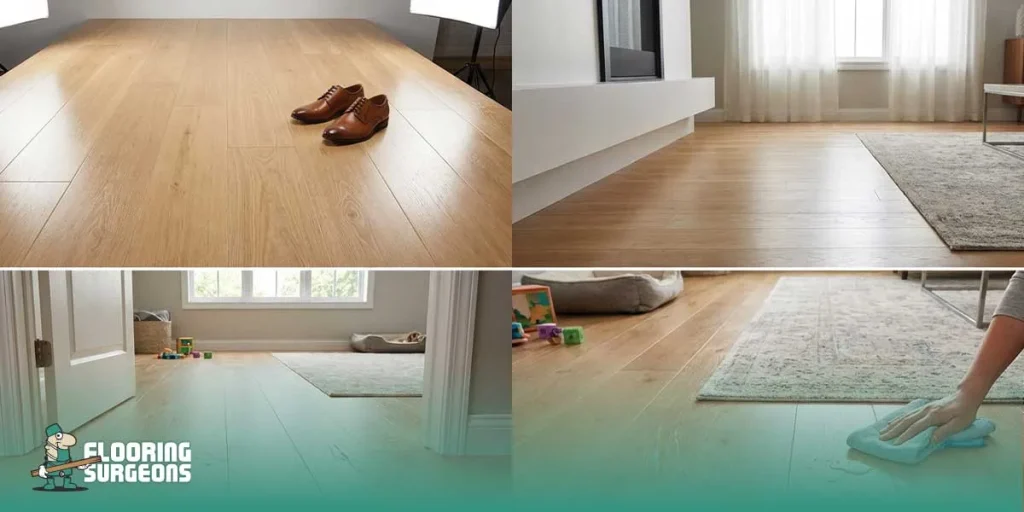
Long-lasting flooring is not the one with the strongest claims, but the one that aligns best with how the space is actually used. That alignment reduces friction between expectation and reality, which is where most dissatisfaction comes from. A smarter approach focuses on:
- How the space is used day to day, not how it looks on installation day
- How will visible wear affect satisfaction over time?
- How much maintenance feels acceptable in real routines
When flooring is chosen with these factors in mind, minor wear becomes expected rather than frustrating. Longevity becomes about suitability rather than perfection.
Final Verdict: What Flooring Marketing Doesn’t Tell You
Flooring marketing does not lie, but it does simplify. It shows best-case performance, controlled environments, and ideal usage patterns. What it rarely shows is ageing, compromise, and the reality of lived-in spaces.
The most important truth is this: All flooring wears, but not all wear feels the same to live with. Buyers who understand this before purchase tend to feel informed rather than misled. They accept visible change as part of ownership, not as a failure. That shift is what turns a flooring decision from a gamble into a considered choice.
Understanding real-world flooring performance requires experience beyond brochures and product labels. At Flooring Surgeon, this practical knowledge comes from working directly with homes where flooring is lived on every day, not just displayed in showrooms.

Haniye Ayanmanesh
As an expert writer for Flooring Surgeons, I combine technical SEO knowledge with a practical understanding of flooring, producing content that helps users make confident decisions while supporting long-term organic growth.