When most people try to boost their EPC rating, they jump straight to boilers, insulation, or window replacements. Hardly anyone talks about flooring. Still, it quietly matters. The right floor helps your home retain heat and distribute it more evenly. Sure, the flooring’s impact on EPC ratings isn’t direct, but it does make a difference in heat loss, how well your heating works, and how efficient your place feels overall.
In this guide, we dig into how flooring fits into the whole EPC picture. You’ll see how different floor finishes work with heating systems, what underfloor heating does to your rating, and how certain materials help trap warmth. We’ll also talk about floor insulation and why it’s so tied to your EPC score. With a few smart flooring choices, you can make your home more efficient, and you don’t need to tear everything up to do it.
Table of contents
What Is an EPC Rating (and Why Flooring Still Matters)
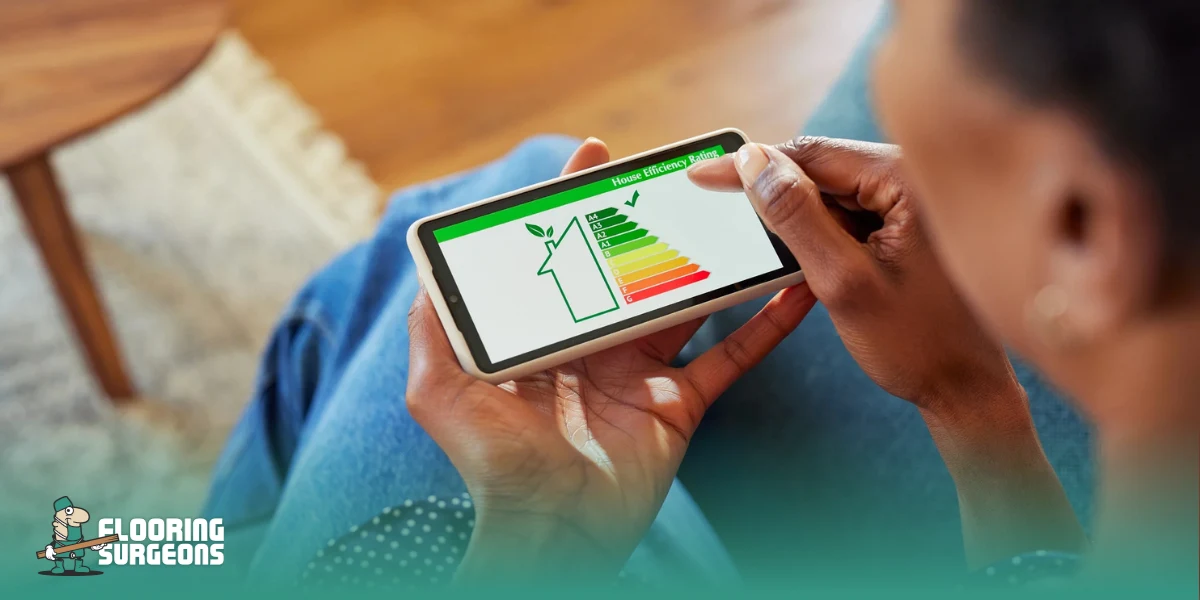
An Energy Performance Certificate, or EPC, basically tells you how good a property is at holding onto heat and using energy efficiently. It looks at factors such as heat loss, insulation, and how well the heating system works. Flooring doesn’t get its own section on the report, but that doesn’t mean it doesn’t matter.
This is where the flooring impact on EPC ratings becomes relevant. The type of flooring you pick actually plays a role in how well your home retains heat and how evenly heat spreads. Sure, EPCs stick to the numbers, energy use, insulation, that sort of thing, but your flooring can quietly tip those numbers up or down. So, just because you don’t see “flooring” listed on your EPC, don’t shrug it off. The right floors help your home stay warm, which makes a real difference in your energy rating.

What Actually Affects EPC Ratings in Homes
An EPC score measures how much energy your home needs to stay comfortable. So, what do assessors actually check? They focus on where heat escapes, how your home heats up, and how well that warmth gets around. These are the core factors that affect EPC ratings, not the fancy fixtures or how new your kitchen looks.
Insulation Quality (Including Floors)
Insulation is a big deal, and that includes the floors. Good insulation reduces heat loss, which matters even more in older homes. Assessors always check the walls and roof, but don’t ignore the floors. Poor floor insulation can make ground-floor rooms much harder to keep warm.
Heating Systems & Heat Distribution
Heating systems aren’t all the same, and it’s not just about the heater itself, but how the heat spreads around your home really counts. Low-temperature setups need good heat transfer, and sometimes even your floors and what’s under them can make a big difference, even if you don’t notice it.
Windows matter too, especially the type of glazing you pick. Still, when it comes to your EPC score, it’s really about how everything works together, not just each part on its own.
How Flooring Decisions Affect EPC Ratings Indirectly
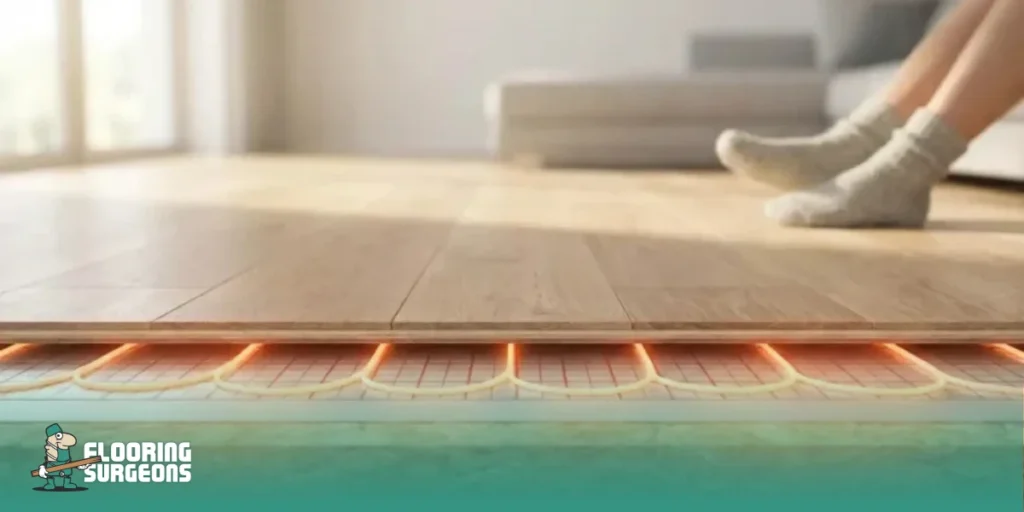
Flooring doesn’t get its own score on an EPC, but it quietly shapes how much energy your home needs to stay warm. Think about how heat moves, how it lingers, and how well your heating system works with whatever’s underfoot. The real impact comes from how your flooring works with insulation and heating, not from its style or colour. So, while no one’s judging your taste in carpet or tiles, the type of floor you pick still matters for your home’s energy performance.
- Thick carpet with a heavy underlay feels cosy, but it traps heat at the surface. You get warm feet, sure, but the rest of the room might stay cooler, which isn’t great for low-temperature heating systems.
- Laminate flooring lets heat through better unless you pick the wrong underlay, in which case you lose those benefits fast.
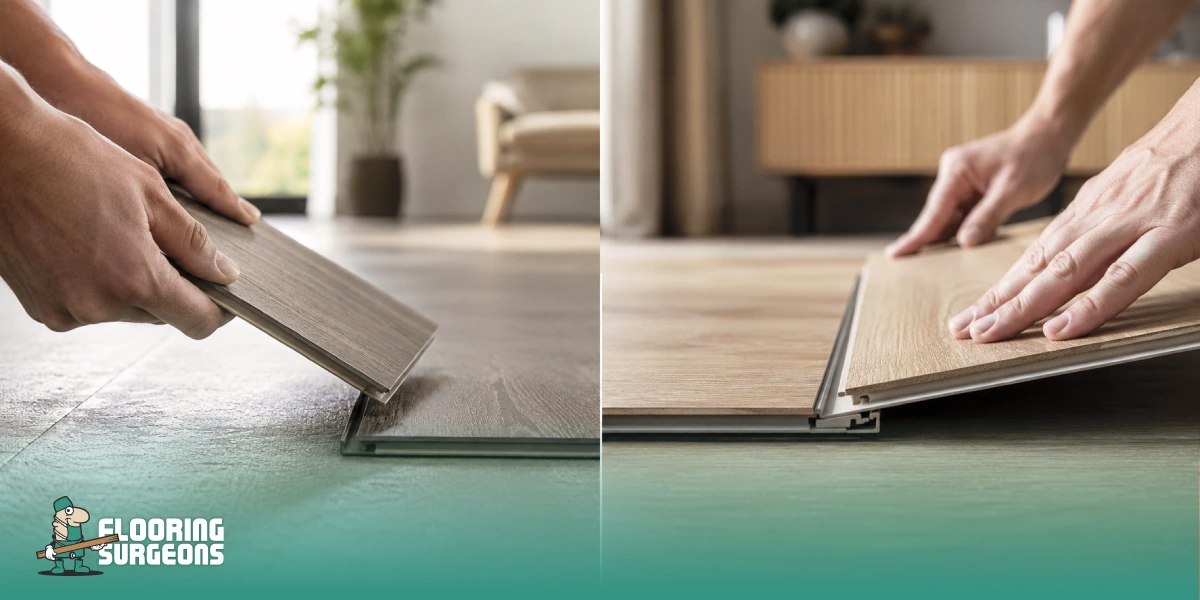
- Engineered flooring hit a sweet spot. They spread heat evenly and work well with modern heating setups. If you care about energy efficiency, they’re a practical choice.
- Luxury vinyl flooring barely resists heat. Heat moves fast and evenly through it, so it’s a solid pick if you want to get the most from your heating system.
But don’t forget about the subfloor. If it’s not insulated properly, even the best flooring can’t stop heat from slipping away before it ever gets to you.
Comparing Flooring Flooring Choices and Energy Efficiency
The table below summarises the indirect impact each flooring type can have on a home’s EPC rating, helping you quickly compare which materials support better energy performance.
| Flooring factor | Effect on heat performance | Impact on heating efficiency | Indirect EPC influence |
| Thick carpet with heavy underlay | Reduces heat transfer | Can restrict heat output | May lower overall efficiency |
| Laminate flooring | Moderate heat transfer | Depends on underlay quality | Generally neutral |
| Engineered wood flooring | Balanced heat movement | Supports even distribution | Slightly positive |
| Luxury vinyl flooring (LVT/SPC) | Low thermal resistance | High compatibility with UFH | Helps maximise efficiency |
| Poor subfloor insulation | High heat loss | Increases energy demand | Negative impact |
Does Carpet Affect EPC Ratings
The carpet feels cosy and looks good, but it actually does a bit more than that. Thick carpet with a chunky underlay can trap heat right at the surface, which isn’t great if you have underfloor heating or a low-temperature system. It kind of blocks the warmth from spreading through the room. Thinner carpets or just a simple rug? Those let the heat move around better, so you usually get a boost in overall warmth.
Floor Insulation and EPC Points
Floor insulation really matters, especially for ground-floor rooms where heat loves to escape. If you’re wondering how to reduce heat loss through the floor, the biggest win is improving insulation beneath the subfloor, since even high-quality floor finishes can’t stop heat from leaking into the void or the ground below.
Good floor insulation teams up with your heating system, so you don’t waste energy, and the heat actually gets where you want it. The best part? You don’t need to tear your place apart or spend a fortune; just this one upgrade can make a real difference.
Key Takeaways: Flooring and EPC Ratings
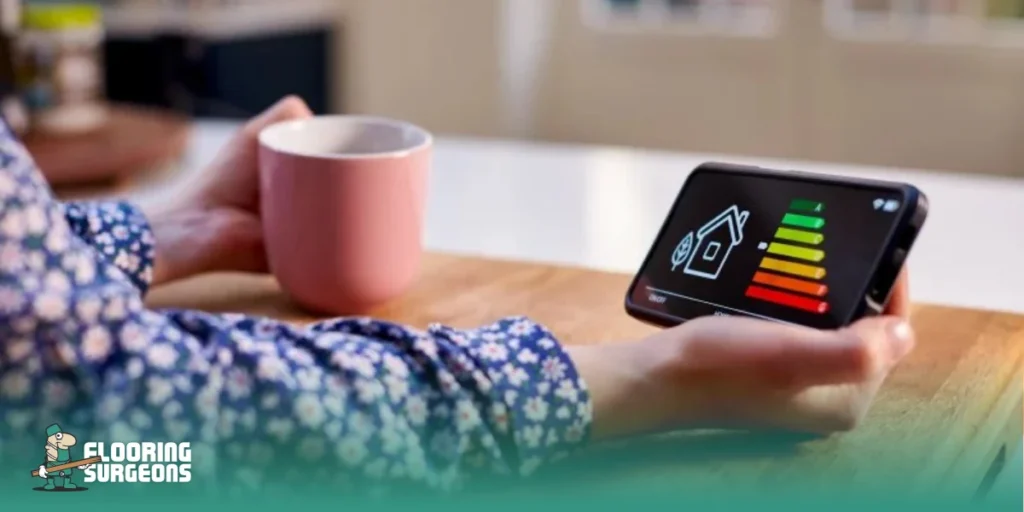
Flooring doesn’t appear as a separate line on your EPC certificate, but it still plays a big role in how well your home retains heat and uses energy. The right flooring, whether it’s laminate, engineered wood, luxury vinyl, or just a good carpet with decent underlay, can make subtle but real improvements to your home’s energy performance. And you don’t have to tear the whole place apart to get those benefits.
When you mix quality flooring with solid insulation and a heating system that actually fits your space, you make it easier for your home to use energy efficiently. That can give your EPC rating a quiet boost. If you want advice that actually fits your home, or you’re looking for someone to handle the installation, the team at Flooring Surgeons can help you find floors that tick all the boxes: comfort, style, and energy savings.

Ana.Soltanpoor
I’m an SEO Specialist with a strong background in content management and organic search. I build data-driven content strategies by aligning user intent, search behavior, and SEO best practices to ensure every piece of content delivers clarity, relevance, and measurable organic performance.