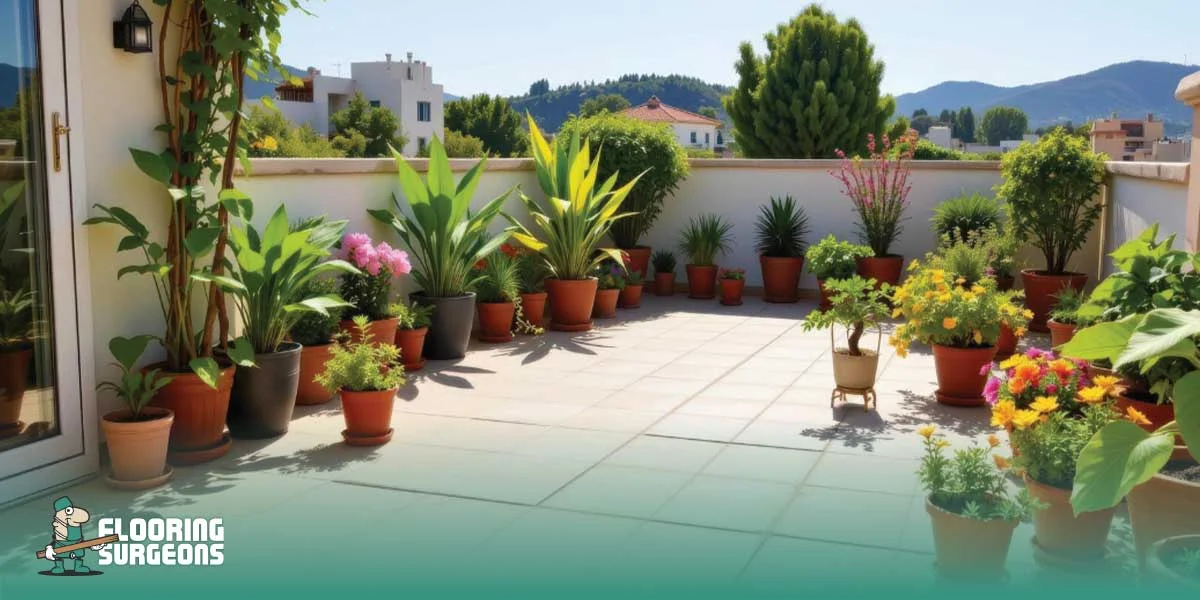
Looking for the best tiles for terrace flooring? You’re in the right place. The perfect terrace tiles are not just about looks; they must be durable, weather-resistant, slip-proof, and easy to maintain. In short, the tiles you choose can turn your terrace into a beautiful, safe, and long-lasting outdoor retreat or leave you struggling with cracks, fading, and slippery surfaces.
At Flooring Surgeons, we’ve helped countless homeowners select good tiles for terraces that withstand sun, rain, and heavy foot traffic, while matching the style of their homes. In this guide, you’ll get practical tips, material recommendations, and expert advice on everything from types of tiles for terraces to budget-friendly options, helping you make a confident, informed choice right away.
Table of contents
Why Choosing the Best Tiles for Terrace Matters?
Your terrace is more than just an outdoor area; it’s an extension of your home. Choosing good tiles for the terrace ensures durability, safety, and style. The right tiles resist slipping, fading, and cracking while complementing your design. Many homeowners ask, ” Which tiles are best for a terrace? It depends on the climate, traffic, and whether the terrace is covered or open. Understanding these basics sets the stage for the next step: assessing your terrace environment to pick tiles that truly last.
Understand Your Terrace Environment to Choose the Best Tiles for Terrace
Before selecting tiles, it’s essential to assess the unique conditions of your terrace. Not all tiles perform equally under sun, rain, or frost, and understanding your terrace environment helps you avoid costly mistakes. Here are the main factors to consider:
- Sunlight Exposure: Terraces that get direct sunlight all day can heat up quickly, making certain tiles uncomfortable to walk on barefoot. Prolonged UV exposure can also fade colours over time. Light-colored or UV-resistant tiles are ideal for sunny areas.
- Rain, Moisture, and Frost: Outdoor tiles are constantly exposed to water. Tiles that absorb water easily can crack during freezing conditions. Porcelain and certain natural stones are low-porosity materials that handle moisture and frost better than standard ceramics.
- Frequency of Use: High-traffic terraces like those near kitchens or outdoor dining areas require thicker, more durable tiles. Consider both the weight of furniture and the number of daily footsteps to ensure longevity.
- Covered vs Open Terraces: Covered terraces are shielded from direct rain and sun, allowing for a broader range of tile options. Open terraces need materials that resist UV, water, and thermal expansion. Even decorative tiles should meet functional requirements.
By carefully evaluating these factors, you can narrow down your choices to tiles that can withstand harsh outdoor conditions. This step is crucial before moving on to choosing weather-resistant materials, where you’ll match your terrace conditions with the most suitable tile types.
Tip 1: How to Pick Weather-Resistant Tiles for Terrace Flooring
Outdoor tiles face some of the harshest conditions, so choosing weather-resistant materials is essential. A terrace tile must handle:
- UV rays: Prolonged sun exposure can fade colours and make tiles brittle. For example, standard ceramic tiles in Mediterranean terraces may lose their glossy finish in 2–3 years if not UV-resistant.
- Rain and moisture: Low-porosity tiles prevent water absorption, avoiding cracking during freezing. Porcelain tiles absorb less than 0.5% water, making them ideal for wet climates.
- Temperature fluctuations: Outdoor surfaces expand and contract. Materials that can’t accommodate this may warp or crack. Granite and certain natural stones perform exceptionally well in regions with hot summers and freezing winters.
Recommended Weather-Resistant Materials
- Porcelain Tiles: Dense, low-porosity, frost-resistant, and slip-resistant. Widely used on rooftops in cities like Boston and London for long-lasting performance.
- Natural Stone (Granite, Slate, Travertine): Durable, visually striking, and ideal for high-end terraces. Example: A New York rooftop terrace with granite tiles has lasted 15+ years with minimal upkeep.
- Outdoor-Grade Ceramics: Affordable and versatile, suitable for mild climates or covered terraces. Requires careful selection in freezing areas.
- Outdoor-Rated Vinyl: Many love Luxury Vinyl Flooring indoors, but can vinyl flooring be used outdoors? Only outdoor-rated vinyl with UV stabilisers and waterproof backing performs well on terraces, such as covered balconies in Los Angeles. Standard indoor vinyl will warp in the sun and rain.
By selecting the right material, you ensure your terrace tiles look great and withstand harsh weather for years. Once the material is chosen, the next step is slip resistance and safety, which is critical for wet or icy conditions. To learn more about the suitability of vinyl for outdoor spaces, check out our detailed guide on can vinyl flooring be used outdoors.
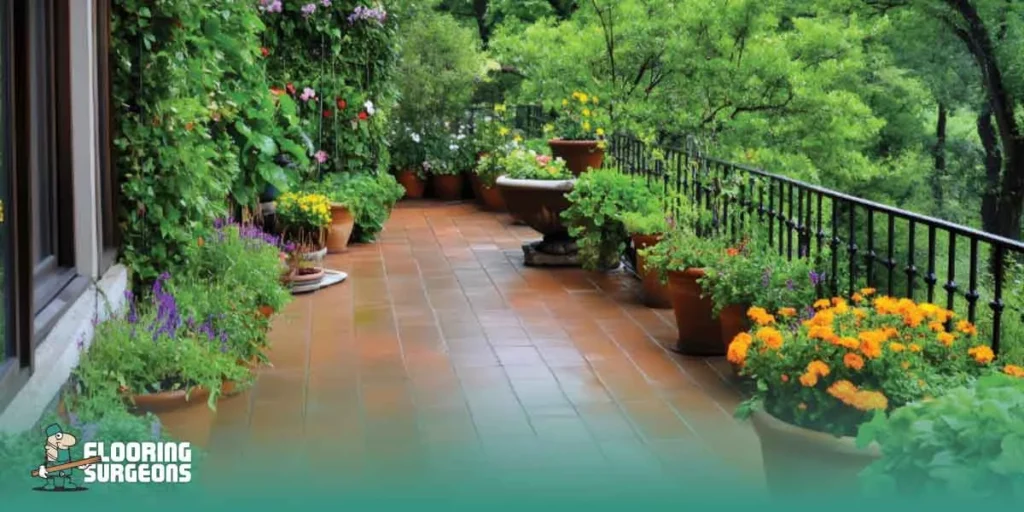
Tip 2: Prioritize Slip Resistance for the Best Tiles for Terrace Flooring
Safety is crucial when selecting terrace tiles. Wet outdoor surfaces can be slippery, increasing the risk of accidents. Choosing tiles with proper slip resistance protects your family and prevents costly injuries.
Key Factors for Slip Resistance
- Surface Texture: Matte, textured, or grooved tiles provide better grip than smooth, glossy ones. For example, many terraces in Seattle and London use R11-rated porcelain with a lightly textured finish to ensure safe footing during frequent rain.
- Slip-Resistance Ratings: Outdoor tiles are rated from R9 to R13. R11 balances safety and comfort, while R12–R13 is recommended for high-traffic or sloped areas.
- Material Choice:
- Slate and granite naturally improve traction.
- Outdoor porcelain can have anti-slip finishes.
- Outdoor vinyl (if UV-stable) should also be textured to reduce slipping.
- Environmental Conditions:
- Rainy climates: Choose higher R-rated tiles.
- Poolside terraces: Use textured porcelain or natural stones for a consistent grip even when wet.
Real Example: A family in Portland installed matte, textured porcelain tiles rated R11 around their terrace and dining area. Even during heavy rainfall, the tiles remained safe for children and pets, showing how the right choice prevents accidents without compromising style. By addressing slip resistance early, you ensure a terrace that is both safe and functional. The next step is to compare the types of tiles for the terrace that match your style, durability, and maintenance needs.
Tip 3: Which Tiles Is Best for Terrace? Comparing Popular Types
Choosing the right material is key to a terrace that lasts and looks great. Understanding the types of tiles for terraces helps balance durability, style, and maintenance. Here’s a closer look at the main options:
1. Porcelain Tiles
- Durability: Extremely strong, low-porosity, frost- and UV-resistant.
- Maintenance: Very low; easy to clean with mild soap and water.
- Best For: All-weather terraces, rooftops, high-traffic areas.
- Example: A London rooftop terrace installed R11 textured porcelain tiles. After 10 years, the tiles resisted sun, rain, and frost without cracking.
2. Natural Stone (Granite, Slate, Travertine)
- Durability: Very long-lasting, scratch- and wear-resistant.
- Maintenance: Periodic sealing may be needed, especially for travertine.
- Best For: Luxury terraces, high-end patios, outdoor dining areas.
- Example: A New York rooftop terrace used granite tiles that have remained intact for over 15 years, with natural texture providing slip resistance.
3. Outdoor-Grade Ceramic Tiles
- Durability: Moderate; suitable for mild climates or covered terraces.
- Maintenance: Low; cleanable with water but prone to cracking under frost if not properly rated.
- Best For: Budget-friendly terraces, small patios, decorative spaces.
- Example: A Barcelona terrace used textured ceramic tiles, offering safe footing and an elegant pattern at an affordable price.
4. Concrete Tiles
- Durability: Heavy-duty; excellent for large terraces or industrial-style designs.
- Maintenance: Low; occasional sealing may improve longevity and prevent water absorption.
- Best For: Rooftops, communal terraces, modern minimalist designs.
- Example: A Chicago rooftop terrace used concrete tiles to support heavy planters and furniture without cracking.
Key Takeaways: Selecting the right material ensures your terrace resists weather, heavy traffic, and wear while complementing your home’s design. Combining material knowledge with your terrace environment (covered in the previous section) allows an informed choice that balances longevity, safety, and aesthetics.
Next, we’ll explore how to match your terrace tiles with design and style goals, including wall tiles, colour, and finishes, for a cohesive and beautiful outdoor space.
Tip 4: Match Aesthetic & Design Goals with the Best Tiles for Terrace
Choosing terrace tiles isn’t just about durability; it’s about creating a space that enhances your home’s style and outdoor living. The right choices can make your terrace feel larger, cosier, or more luxurious, depending on your goals.
Key Design Considerations
Color:
- Light shades (beige, soft grey, cream) make small terraces appear larger and airy.
- Dark tones (charcoal, slate, deep brown) add warmth and intimacy, ideal for private lounges.
Texture & Finish:
- Smooth or polished tiles offer a modern, elegant look but may be slippery when wet.
- Matte or lightly textured finishes enhance safety and add visual interest.
Wall Tiles & Accents:
- Choosing the best tiles for terrace wall areas creates design cohesion.
- Example: A Milan terrace paired textured porcelain floor tiles with stacked slate accent walls, achieving a sophisticated lounge.
Patterns & Layout:
- Herringbone, diagonal, or mixed-size layouts add depth and character.
- Large-format tiles make spacious terraces feel seamless, while smaller tiles create rhythm in cosier areas.
- Real Example: In Barcelona, light-colored porcelain floor tiles combined with darker ceramic wall tiles expanded visual space and framed the terrace elegantly for family gatherings.
By aligning tiles with your aesthetic and functional goals, you create a terrace that is durable, safe, and visually striking. Once your design direction is clear, the next step is budget planning and finding the best tiles for the terrace without overspending.
Tip 5: Consider Budget-Friendly Options for Cheap Tiles for Terrace
High-quality terrace tiles don’t always have to be expensive. You can find cheap tiles for the terrace that combine durability, safety, and style. The key is to focus on materials and finishes that offer the best performance for the price.
Smart Budget Tips
Textured Porcelain Tiles:
- Affordable, highly durable, and weather-resistant.
- Example: A family in Lisbon installed R11 textured porcelain tiles on their open-air terrace, achieving a long-lasting, slip-resistant floor that looked premium without overspending.
Outdoor Ceramic Tiles:
- Inexpensive and versatile in patterns. Best for mild climates or covered terraces.
- Example: A Barcelona apartment used outdoor-grade ceramics in a herringbone layout, creating a stylish yet budget-friendly terrace.
Mixing Materials for Impact:
- Combine affordable floor tiles with premium accents like natural stone borders or decorative wall tiles for a luxurious look on a smaller budget.
Long-Term Savings:
- Investing in slightly more expensive but low-maintenance tiles can save money over time by reducing replacement and upkeep. For instance, porcelain tiles last longer than cheap ceramic, cutting repair costs over a decade.
By balancing cost, durability, and style, you can select terrace tiles that perform well and enhance your outdoor space. Once your budget is set, the next step is considering tile size, thickness, and format, which affect both appearance and long-term performance.
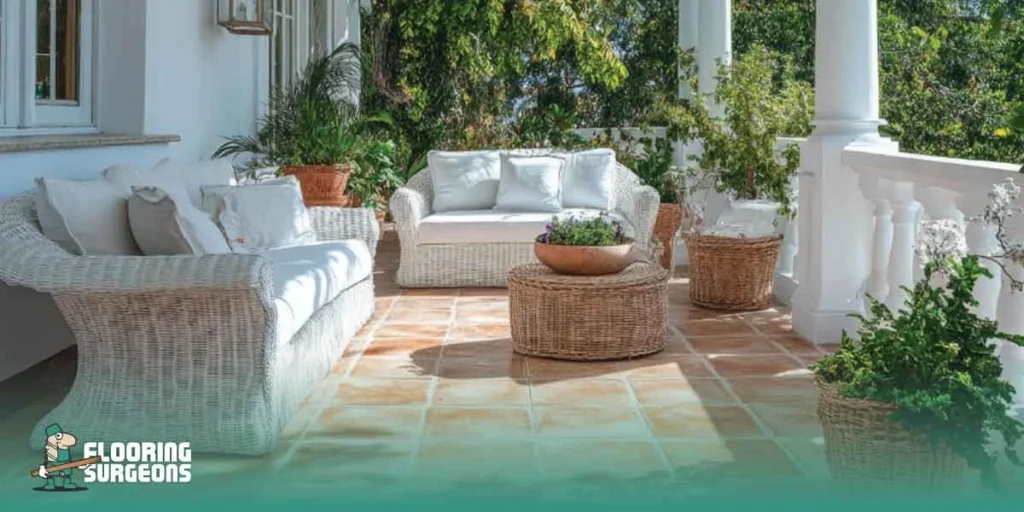
Tip 6: Tile Size, Thickness & Format for the Best Tiles for Terrace Flooring
The size, thickness, and format of terrace tiles affect durability, safety, and comfort. Choosing the right dimensions ensures your terrace looks seamless and performs well under heavy use and weather changes.
Key Considerations for Tile Size
Tile Thickness:
- Outdoor tiles usually range from 10 to 20 mm thick.
- Thicker tiles (15–20 mm): Ideal for high-traffic terraces, heavy furniture, or planters. They resist cracking and last longer.
- Thinner tiles (10–12 mm): Suitable for covered or low-traffic areas but may need extra care in extreme weather.
Tile Size:
- Large-format (600×600 mm or bigger): Creates a modern, seamless look; best for spacious terraces.
- Smaller tiles (200×200 mm or mosaic): Offer better slip resistance due to more grout surface; ideal near pools or sloped areas.
Tile Format & Layout:
- Rectangular tiles elongate small terraces visually; square tiles create balance.
- Herringbone, diagonal, or staggered patterns add character and hide minor imperfections.
Real Examples:
- A Toronto rooftop terrace used 15 mm thick large-format porcelain tiles (600×600 mm) with an R11 textured finish. The terrace withstood snow, rain, and daily foot traffic for over 8 years while maintaining a seamless modern look.
- A smaller poolside terrace in Barcelona used 200×200 mm textured tiles to ensure safe footing and a non-slip surface around the water.
Selecting the right thickness, size, and layout improves both functionality and visual appeal. Once dimensions are decided, the next step is balancing functionality and comfort to make the terrace enjoyable to walk on.
Tip 7: Functionality & Comfort for Good Tiles for Terrace
A terrace is more than decorative; it’s an extension of your living space, where comfort and usability are as important as style. The right tiles make your outdoor area welcoming, safe, and practical for daily use, family gatherings, or entertaining guests.
Key Considerations for Functionality
Foot Comfort:
- Highly textured tiles improve slip resistance but may be rough on bare feet.
- Smooth or lightly textured porcelain or natural stone balances safety with comfort.
Seamless Indoor-Outdoor Flow:
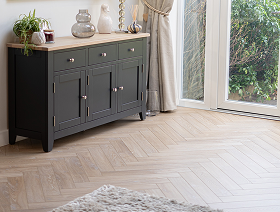
- Many homeowners pair indoor Walnut Engineered Flooring with outdoor terrace tiles in complementary tones.
- Example: A London townhouse matched warm-toned engineered wood indoors with neutral-textured porcelain outdoors, making the terrace feel like a natural extension of the living room.
Functional Layout:
- Consider furniture, planters, and traffic.
- Slightly textured tiles in dining areas prevent chair legs from slipping, while smooth tiles near lounge areas enhance barefoot comfort.
Climate Adaptation:
- Light-colored tiles keep surfaces cooler in hot climates.
- Textured tiles improve safety in rainy or humid regions without sacrificing comfort.
Real Example:
- A Sydney terrace paired lightly textured porcelain with indoor walnut flooring. The seamless transition created one continuous, safe, and comfortable area for entertaining and everyday family use.
By prioritising functionality and comfort, your terrace becomes not only visually appealing but also practical, safe, and enjoyable. Once this balance is achieved, the next step is maintenance and longevity, ensuring your terrace remains beautiful for years to come.
Tip 8: Maintenance & Longevity of the Best Tiles for Terrace Flooring
Easy maintenance is just as important as durability and design. Choosing tiles for a terrace that balance low maintenance with long-term resilience saves time, effort, and money.
Key Considerations for Maintenance
Material-Specific Care:
- Porcelain tiles: Extremely low-maintenance; resistant to stains, water, and frost. Sweeping and occasional mopping are enough.
- Natural stones (granite, slate, travertine): Durable but may require periodic sealing to prevent water absorption and staining. Granite is especially hardy; travertine needs more attention in humid or rainy areas.
- Soft stones (marble, limestone): Require regular sealing and careful cleaning to prevent etching or discolouration.
Grout & Sealing:
- Properly sealed grout prevents water infiltration, mould, and mildew.
- Outdoor terraces benefit from epoxy or silicone-based sealants, especially in climates with heavy rain or freeze-thaw cycles.
Ease of Cleaning:
- Textured or slip-resistant tiles may need more frequent sweeping, but most modern outdoor tiles clean easily with water and mild detergent.
- Avoid harsh chemicals that can damage the finish over time.
Real Example:
- A Toronto rooftop terrace used porcelain tiles for their low-maintenance qualities. After 8 years, the terrace remained in excellent condition with routine cleaning, whereas a neighbouring terrace with soft limestone required frequent sealing and careful care to prevent staining and wear.
Selecting durable, low-maintenance tiles ensures your terrace stays beautiful, functional, and safe for years. With maintenance in place, the next step is professional installation, which guarantees optimal performance from day one.
Tip 9: Expert Advice for Installing the Best Tiles for Terrace
Even the best tiles for the terrace can fail if not installed correctly. Proper installation ensures durability, safety, and long-term performance. Consulting professionals like Flooring Surgeons helps avoid common mistakes that shorten a terrace’s lifespan.
Key Installation Considerations
Drainage & Slope:
- Outdoor terraces need a slight slope (1–2%) to prevent water pooling. Poor drainage can crack tiles or erode grout.
- Example: A Boston rooftop terrace corrected its slope before installation, preventing water accumulation that had lifted ceramic tiles previously.
Spacing & Grouting:
- Proper spacing allows for thermal expansion. Tiles installed too tightly may crack in hot or cold weather.
- Use weather-resistant grout; epoxy-based grout is ideal for high-traffic or exposed terraces.
Subfloor Preparation:
- A stable, level, and well-drained subfloor prevents uneven tiles and long-term issues. Properly cured concrete slabs provide the best foundation.
Professional Expertise:
- Minor errors, such as misaligned tiles, incorrect adhesive, or poor sealing, can lead to costly repairs. Professionals ensure tiles are laid perfectly, enhancing longevity and safety.
Real Example:
- A London rooftop terrace installed porcelain tiles over a properly sloped concrete base. Years later, despite heavy use and frequent rain, the tiles remain intact and safe, proving the value of expert installation.
By following professional advice, your terrace remains durable, beautiful, and safe. The next step is planning for long-term success, ensuring your tiles continue to perform well for years to come.
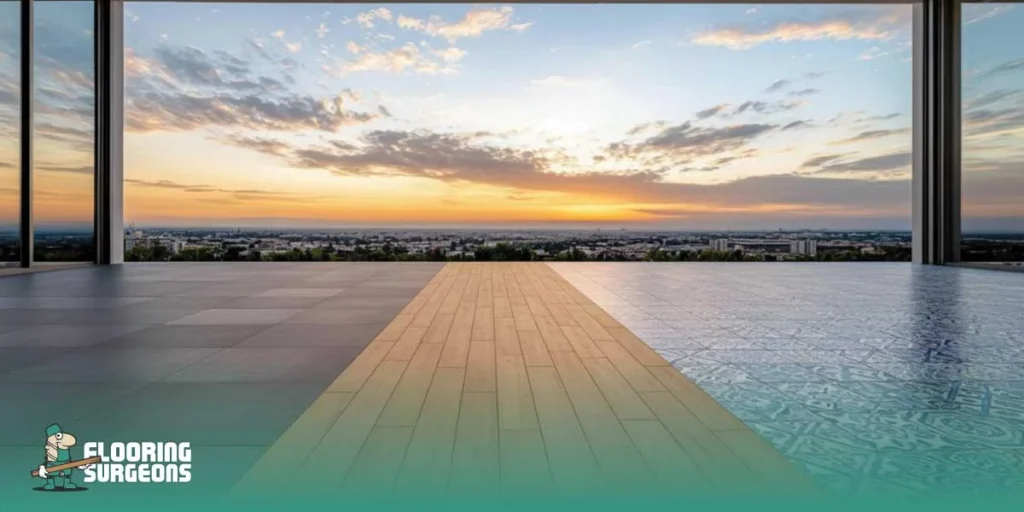
Tip 10: Planning for Long-Term Success with the Best Tiles for Terrace Flooring
Choosing terrace tiles isn’t just about how they look today; it’s about long-lasting beauty, safety, and functionality. Thoughtful planning helps answer the question: which tiles are best for a terrace in real-world conditions?
Key Factors for Long-Term Success
Durability:
- Select materials that withstand local weather, heavy foot traffic, and furniture weight.
- Example: Porcelain tiles on a London rooftop terrace resisted frost and UV exposure for over 10 years without damage.
Safety & Slip Resistance:
- High-quality tiles with proper R-rated slip resistance (R11–R13) prevent accidents in wet or icy conditions.
- Example: A poolside terrace in Barcelona used R12 textured porcelain tiles, combining elegance and safety.
Aesthetic Longevity:
- Choose timeless colours and finishes rather than trendy designs. Neutral tones or natural stone age gracefully and stay visually appealing.
Low Maintenance:
- Tiles that require minimal cleaning and sealing reduce long-term effort and cost. Porcelain and granite are excellent examples.
Integration with Indoor Spaces:
- Pairing indoor Walnut Engineered Flooring with outdoor terrace tiles creates a seamless transition, enhancing the sense of space and style.
- Example: In Sydney, textured porcelain terrace tiles matched indoor wooden flooring, maintaining durability, safety, and aesthetic harmony after 7 years of exposure to sun, rain, and heavy use.
By considering these factors, your terrace will remain safe, beautiful, and functional for decades. Combined with expert installation and regular care, your tiles will perform optimally over time.
Terrace Tile Comparison Table
| Tile Material | Durability | Slip Resistance | Maintenance | Cost Range | Ideal For |
| Porcelain | Very High | High (R11-R13) | Very Low | Medium | All-weather terraces, rooftops |
| Granite / Slate | Very High | Medium-High | Medium | High | Luxury terraces, rooftops |
| Outdoor-Grade Ceramic | Medium | Medium (R10-R11) | Low | Low-Medium | Small terraces, patios |
| Concrete | Very High | Medium | Low | Medium | Large terraces, industrial-style |
| Outdoor Vinyl | Medium | Medium | Low | Low-Medium | Lightweight outdoor solutions, covered areas |
Final Thoughts
Selecting the best tiles for terrace flooring goes beyond appearance; it’s about balancing style, durability, safety, and budget. With proper planning, you can confidently choose high-quality tiles for a terrace, discover affordable tiles that perform well, and create an outdoor space that is both elegant and practical.
Don’t overlook the best tiles for the terrace wall, which frame your terrace and enhance overall design continuity. Well-chosen wall tiles elevate the space, making it feel cohesive and luxurious.
By considering types of tiles for the terrace, weather resistance, slip resistance, tile size and thickness, and maintenance, you ensure your terrace remains functional and beautiful for years. Pairing indoor finishes like Walnut Engineered Flooring with your terrace tiles creates a seamless indoor-outdoor flow, improving comfort and visual appeal.
Following these expert tips transforms your terrace into a durable, stylish, and comfortable outdoor extension perfect for relaxing, entertaining, and daily use. For professional guidance, Flooring Surgeons provides tailored advice to ensure your terrace performs beautifully for decades.

Mina Asgari
I’m an SEO Specialist and Content Strategist focused on sustainable business growth. I design data-driven content strategies by deeply analyzing user intent, search behavior, and SEO best practices, ensuring every piece of content serves a clear purpose for both users and search engines.