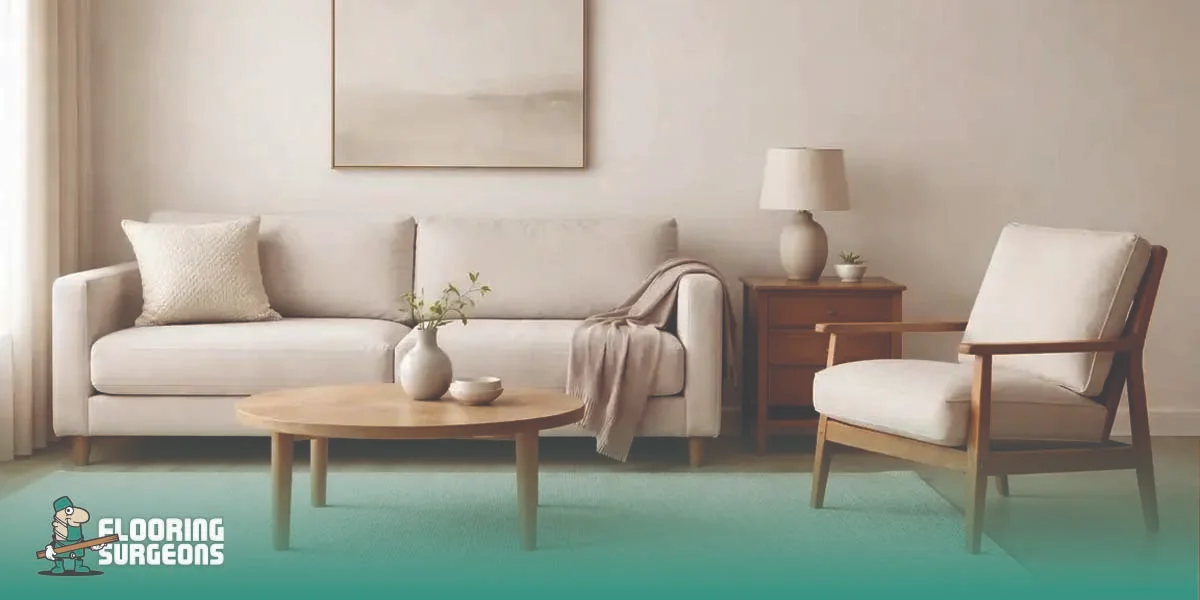
A home with mixed furniture styles often feels warmer, more personal, and more lived-in than a room where everything matches too closely. But mixing furniture styles can also make a space feel busy when there is no clear link between the pieces. If you want to mix and match furniture styles without making your home feel overwhelmed, the key is to keep enough consistency in colour, scale, texture, and finish so the room still feels calm and connected.
The difference usually comes down to a few simple choices. If you want to mix and match furniture styles without making your home feel overwhelmed, it helps to keep a clear visual thread running through the room. Colour, scale, texture, and even flooring can make very different pieces feel like they belong together. In this guide, you will see how to combine styles in a way that feels cohesive, comfortable, and easy to live with.
Table of contents
Use the 80/20 Rule to Mix Furniture Styles More Easily
If you are wondering how to mix furniture styles without making the room feel confused, it usually helps to let one style lead and bring in a second style in smaller touches. That keeps the space more controlled while still giving it character.
For example, a room can feel much calmer when most of the larger pieces follow one direction, while smaller items add contrast. A modern sofa, a vintage side table, or a traditional cabinet paired with cleaner lighting can work well because the balance still feels intentional. This also makes it easier to spot what belongs in the room and what does not. When there is one clear starting point, mixing styles feels more curated and less overwhelming.
Find the Common Thread That Makes Different Pieces Feel Connected
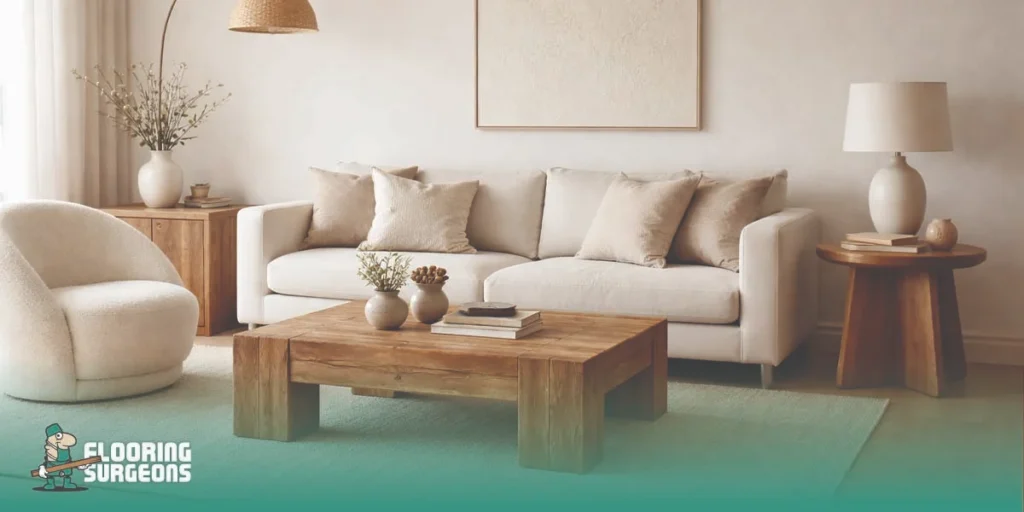
When different furniture styles work in the same room, there is usually one element quietly connecting them. That might be a repeated colour, a similar wood tone, a shared shape, or a finish that appears more than once. Without that link, even good pieces can feel unrelated.
This is often what makes it easier to combine furniture styles without making the room feel disjointed. A curved chair, a clean-lined sofa, and a rustic table can still sit well together when they share a similar tone or material direction. The floor can help here, too.
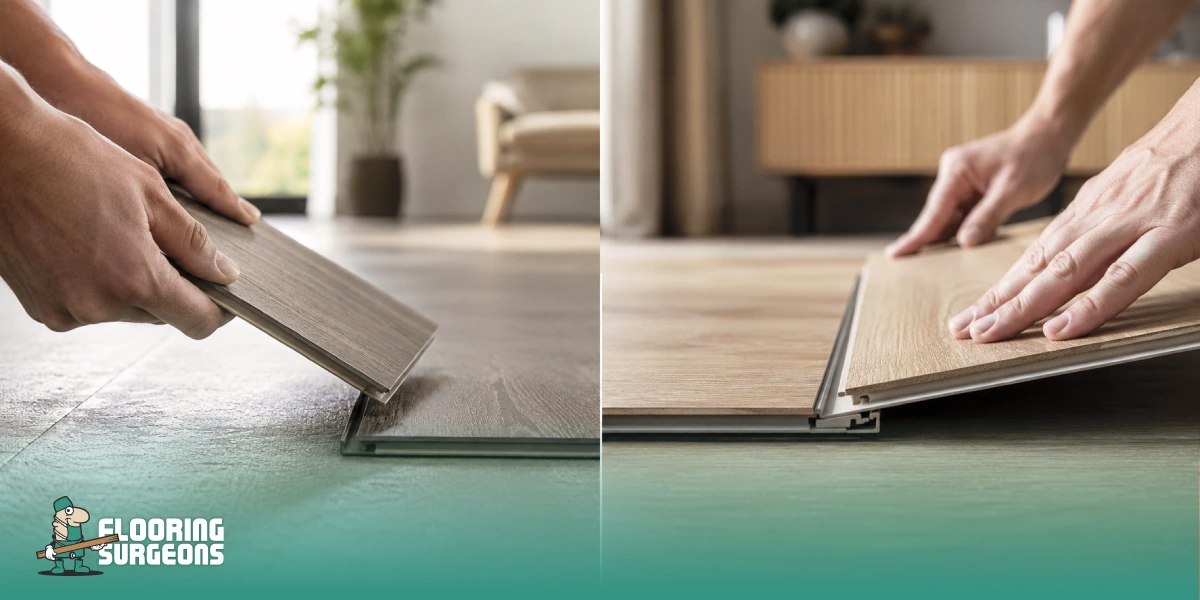
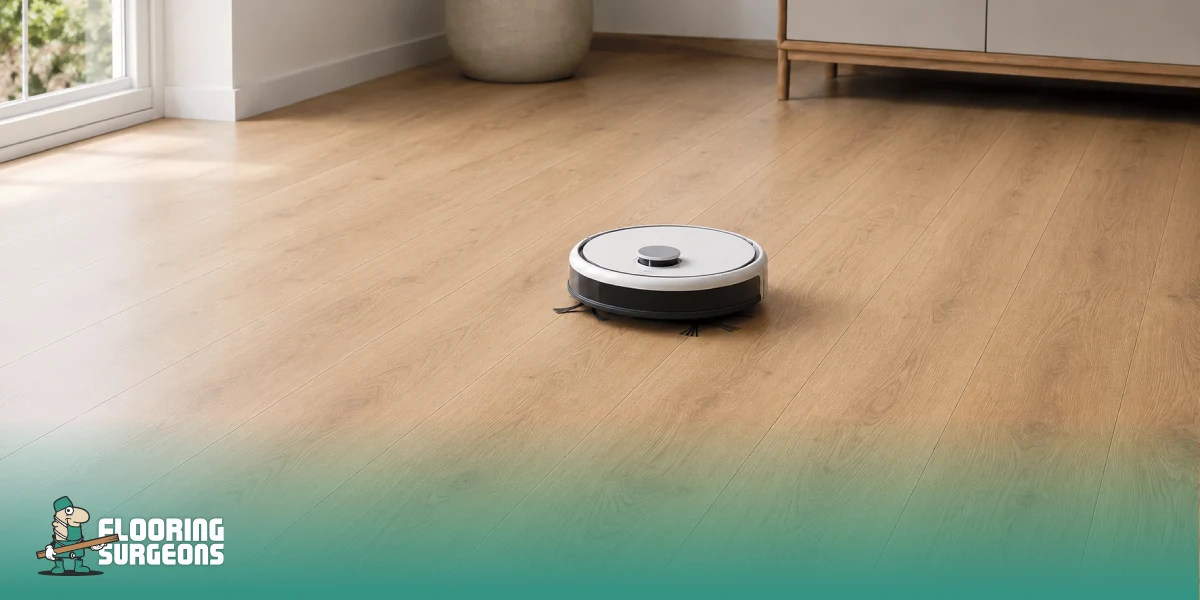
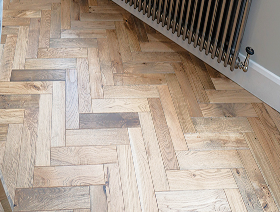
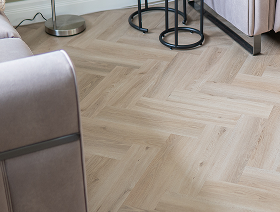
A simple base like laminate flooring can make mixed furniture styles feel more cohesive, especially when the rest of the palette stays steady. The goal is not a perfect match. It is giving the eye enough consistency to move through the space without feeling distracted.
Keep the Colour Palette Simple
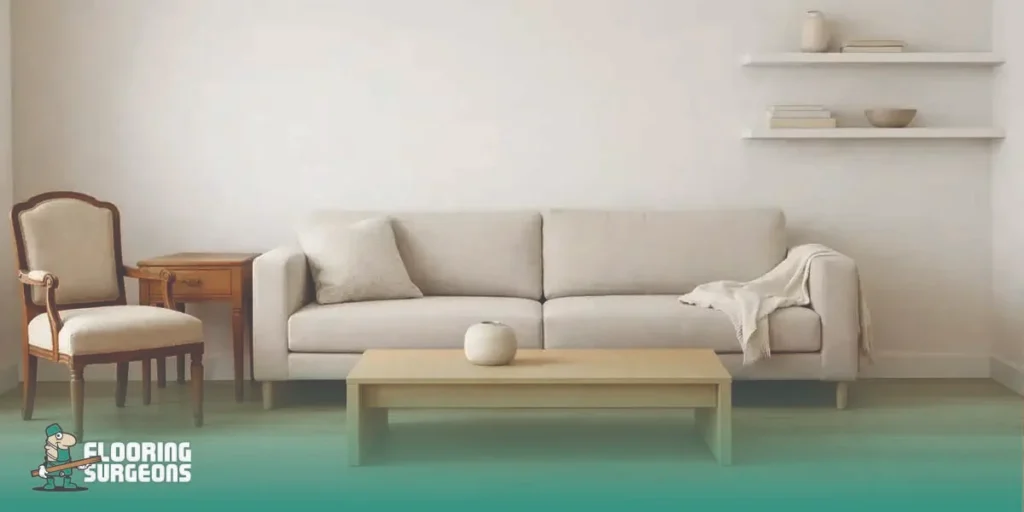
A room feels more settled when the colours stay controlled, even if the furniture styles do not match. Too many contrasting tones can make the space feel busy much faster than mixed silhouettes or materials. A simpler palette gives different pieces more room to work together.
This does not mean everything has to be neutral. It just means the main colours should feel connected. When the larger pieces stay within a close range, smaller accents can add contrast without making the room feel scattered. This also helps create a better sense of flow, especially if you want to create flow between rooms using layout and design rather than make each space feel separate. In many homes, light laminate flooring also helps keep the overall look open and less visually heavy.
Pay Attention to Scale and Visual Weight
Furniture styles can be different and still feel right together when the size and visual weight stay balanced. A room often feels overwhelmed when several large or heavy-looking pieces compete at once. In many cases, this matters more than whether the styles match perfectly.
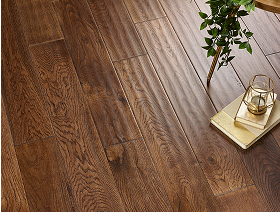
Try to balance solid shapes with lighter ones so the room does not feel crowded from one side to the other. A bulky sofa, for example, usually works better when paired with slimmer chairs, open-legged tables, or simpler storage pieces. Repeating a warm finish can help here, too. In some spaces, oak laminate flooring adds that kind of visual continuity by giving different furniture styles a more grounded base without pulling too much attention.
Create More Depth With Texture
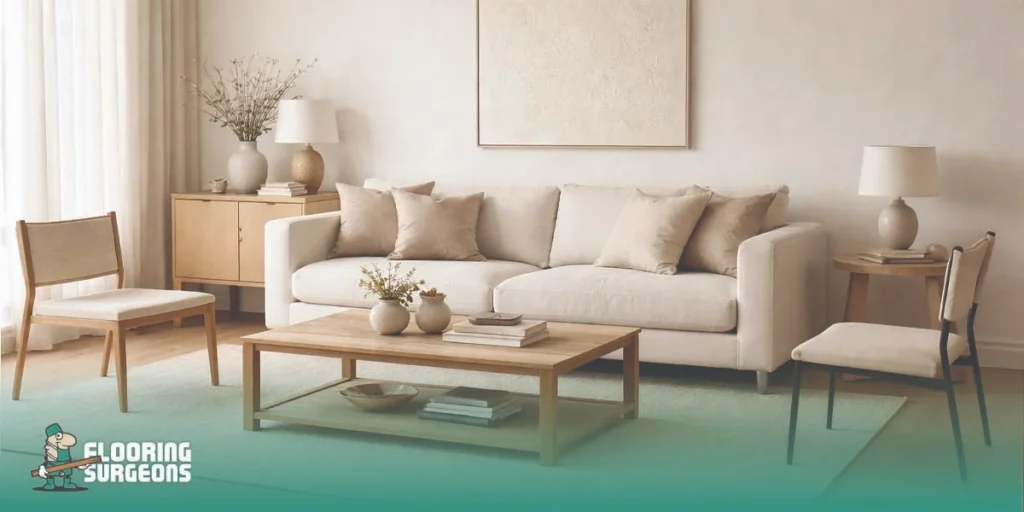
Texture helps a room feel layered without relying on too many colours or bold shapes. It can make mixed furniture styles feel warmer and more connected, especially when the overall palette stays simple.
The key is not to add too many strong finishes at once. A softer fabric, a natural wood tone, and one smoother surface are usually enough to create depth without making the room feel busy. When texture is used with more control, the space feels richer, not heavier.
Common Mistakes That Make a Mixed-Style Room Overwhelming
Mismatched furniture styles usually stop looking intentional when too many strong elements compete at once. The problem is rarely the idea of mixing styles itself. It is usually the lack of control behind it.
- Too many statement pieces: when everything wants attention, nothing feels settled.
- Too many finishes: wood, metal, gloss, texture, and pattern can quickly feel scattered when they all fight for space.
- No visual pause: every room needs a few calmer surfaces so the eye can rest.
- Ignoring room flow: pieces may work on their own, but still feel disconnected across the space.
How to Keep a Room Balanced Without Look Too Matched
You do not need every part of the room to feel the same. In fact, mixed furniture styles usually look better when some elements remain steady, and others add contrast. The key is knowing which details should create consistency and which ones can add variety.
| Keep More Consistent | You Can Vary More Freely |
| Main colour direction | Accent shapes |
| Overall visual weight | One or two statement pieces |
| One or two wood tones | Smaller décor details |
| General mood of the room | Chair or table styles |
| Flooring base | Lamps, art, and accessories |
Let One Piece Lead the Room
In most well-balanced rooms, one piece quietly sets the direction for everything else. That is often the sofa, dining table, bed, or another large item that naturally draws the eye first. Once that piece feels right, it becomes much easier to mix in something older, cleaner, softer, or more decorative around it.
This also helps reduce overthinking. Instead of trying to make every item stand out, you only need one clear anchor and a few supporting pieces around it.

Use Flooring as a Quiet Base, Not the Main Feature
When furniture styles are mixed, the floor often does its best work in the background. A calm base helps different shapes, finishes, and eras sit together more naturally. If the floor is too visually dominant, it can compete with the furniture rather than support it.
This is why simpler finishes usually work better in mixed-style rooms. A clean, understated floor can help hold the space together without making the room feel too busy. In homes where the palette already includes warm wood tones, a softer oak-inspired finish can also add continuity without forcing everything to match. The goal is not to make the floor the focal point. It is to give the room a steady foundation that lets the furniture do more of the talking.
Furniture Style Combinations That Usually Work Well
Some furniture styles feel easier to mix because they already share a similar mood, material, or shape language. That does not mean they have to follow strict rules, but a few combinations usually feel more natural from the start.
- Modern and traditional: clean lines feel softer when paired with classic shapes.
- Mid-century and boho: both work well with warm wood, texture, and relaxed styling.
- Rustic and contemporary: contrast works best when the room still feels edited.
- Classic and minimalist: simple forms can balance more detailed furniture without looking cold.
The safest approach is to mix styles that create contrast without creating conflict. When the room keeps one clear direction, even different pieces can feel like they belong together.
A Simple Checklist Before You Add Another Piece
Before bringing in another chair, table, or cabinet, it helps to pause and check whether the room still feels clear. A piece can look good on its own and still feel wrong in the space if it adds too much weight, contrast, or distraction.
- Does it relate to something already in the room?
- Does it add contrast without breaking the overall mood?
- Is there already enough variety in shape, texture, or finish?
- Will the room still feel open once it is in place?
- Does it support the room, or does it compete with everything else?
A quick check like this makes styling decisions easier and helps prevent the room from feeling crowded, piece by piece.
Final Thoughts
Mixing furniture styles works best when the room feels connected, not overly matched. A clear direction, a few repeated elements, and enough visual breathing space usually make the biggest difference. That is also why the foundation of the room matters more than many people expect. As Flooring Surgeons often highlights through its flooring ranges, the right base can quietly support the rest of the space and make different furniture styles feel easier to bring together.

Ana.Soltanpoor
I’m an SEO Specialist with a strong background in content management and organic search. I build data-driven content strategies by aligning user intent, search behavior, and SEO best practices to ensure every piece of content delivers clarity, relevance, and measurable organic performance.