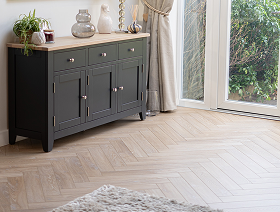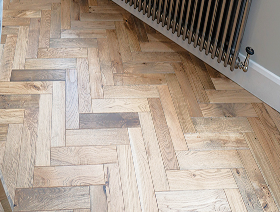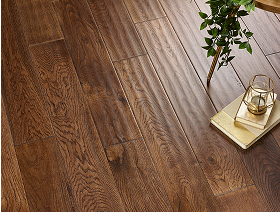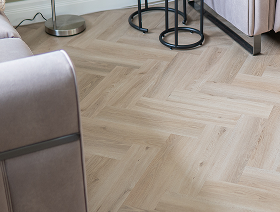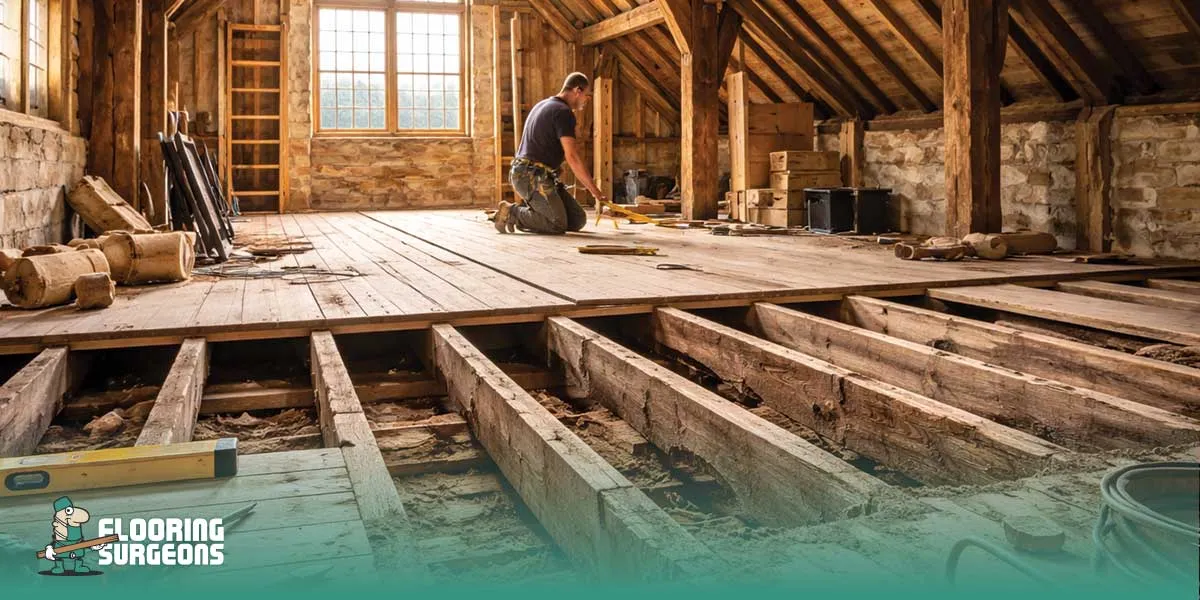
Converting a loft or barn into a living space can substantially increase a property’s value and distinctiveness. These areas often feature notable architectural elements, such as exposed beams, soaring ceilings, and open layouts, which are challenging to replicate in contemporary construction.
However, one of the most overlooked aspects of these conversions is the floor structure. Unlike purpose-built living areas, lofts and barns were originally designed for storage or agricultural use rather than continuous residential loads. Installing flooring in these spaces often reveals structural and environmental challenges, such as weak joists, uneven subfloors, moisture, and poor insulation. Recognising these helps ensure stability and comfort.
Table of contents
Why Flooring Is the Biggest Challenge in Loft and Barn Conversions
Flooring is technically complex in loft and barn conversions because these structures were not built for residential use. Furniture, traffic, insulation, and modern flooring impose substantially greater loads than these buildings were designed to bear. Lofts and barns, therefore, require flooring systems that are carefully reinforced, levelled, insulated, and protected from environmental conditions.
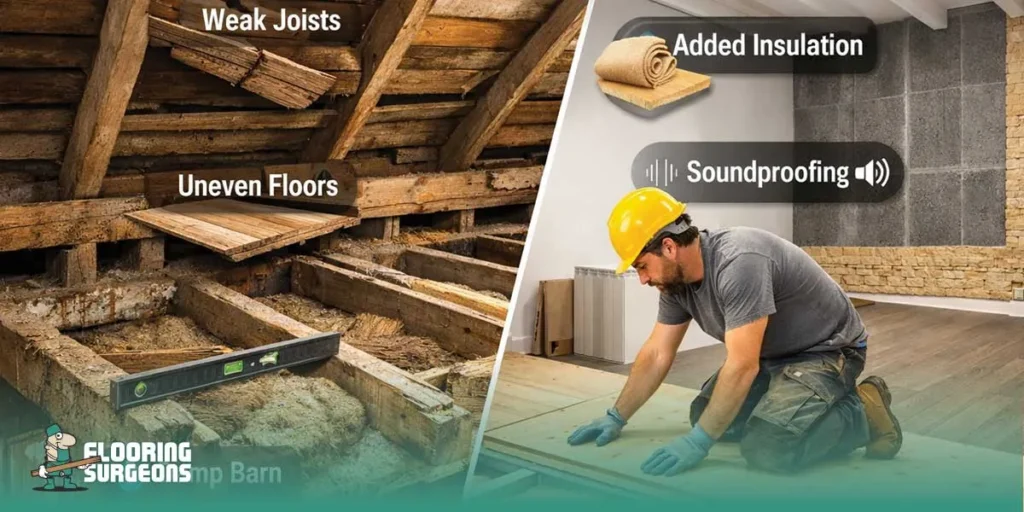
Common reasons flooring becomes challenging in these conversions include:
- Original structures were not designed for living spaces: Many loft floors were built only to support light storage.
- Undersized timber joists: Older joists may not support modern residential loads.
- Uneven floor levels: Buildings naturally settle over time, causing sloped or irregular surfaces.
- Limited insulation layers: Older structures rarely include proper thermal or acoustic insulation.
- Moisture exposure in barns: Agricultural buildings often retain ground moisture.
- Sound transfer between floors: Without acoustic treatment, footsteps easily travel through the structure.
Addressing these factors early in the design process helps prevent costly flooring failures later.
Structural Flooring Problems in Converted Lofts
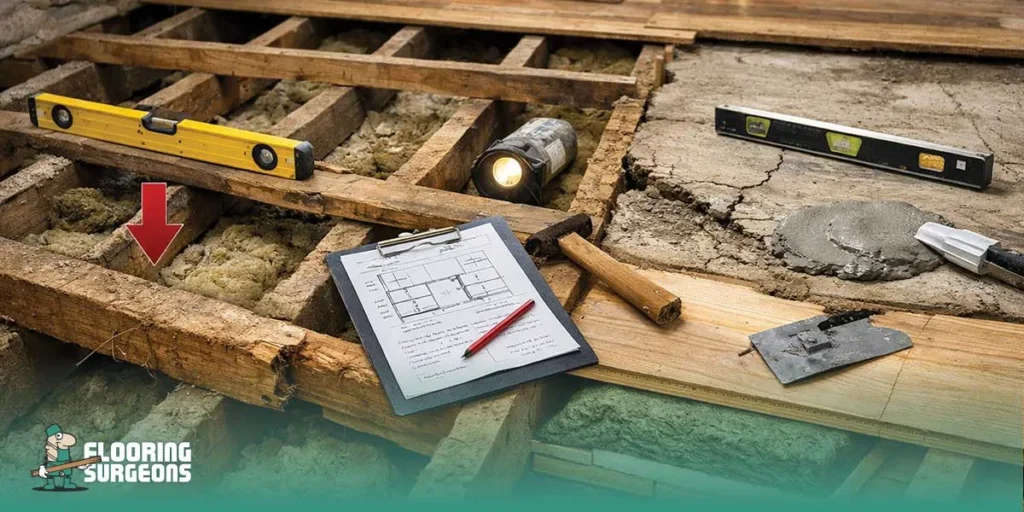
Most loft floors depend on timber joists intended for light storage, not residential use. Before installing new flooring, assess joist load capacity and subfloor condition. Overlooking these structural limits can cause sagging, creaking, and lasting damage.
Weak or Undersized Floor Joists
Traditional loft joists were typically designed to support ceiling plaster and light storage. When the space is converted into a bedroom or office, the load increases significantly due to:
- furniture
- flooring materials
- insulation layers
- daily foot traffic
If the joists are too small or too widely spaced, the floor may flex or sag over time. In these cases, structural reinforcement such as additional load-bearing joists may be required.
Uneven Subfloors
Older buildings often develop uneven floors due to structural settling and timber movement caused by humidity. Uneven surfaces create serious problems when installing rigid flooring materials such as engineered wood or tile. Proper subfloor levelling is therefore essential before installing finished flooring. This may involve:
- installing levelling boards
- applying self-levelling compounds
- adjusting joist heights
A stable and level base helps prevent premature wear and structural movement.
Insufficient Soundproofing
Sound insulation is frequently overlooked in loft conversions. Without proper acoustic treatment, footsteps and movement can easily transmit through the floor. Effective acoustic flooring systems often include:
- insulation between joists
- soundproof underlayments
- floating floor structures that absorb vibration
Enhancing sound insulation greatly improves comfort in the rooms below.
Limited Floor Build-Up Height
Loft conversions typically offer limited space for flooring layers. Structural reinforcement, insulation, and finished flooring must all fit within a restricted ceiling height. To address this challenge, installers often choose low-profile flooring systems or floating floors that provide stability and insulation without increasing thickness.
Unique Flooring Challenges in Barn Conversions
Barn conversions present distinct flooring challenges because these structures are typically erected on stone or concrete bases and were intended for agricultural purposes. Moisture penetration, uneven foundations, and temperature swings are prevalent issues to resolve before flooring installation.g.
Moisture and Dampness
Moisture is one of the most significant challenges in barn conversions. Many barns have floors that sit directly on soil or untreated concrete, which allows ground moisture to rise through the surface. If not properly managed, this moisture can lead to:
- warped flooring
- mold growth
- adhesive failure
Solutions often include installing damp-proof membranes (DPM) or breathable flooring systems that regulate moisture.
Uneven Stone or Concrete Bases
Barn floors are rarely perfectly level. Stone slabs and early concrete bases may crack, slope, or become uneven over time. Proper subfloor preparation may include:
- grinding uneven areas
- filling cracks
- applying self-levelling compounds
- installing a levelling screed
These steps create a stable base for modern flooring materials.
Temperature and Insulation Problems
Because barns were originally built for ventilation rather than insulation, they often experience large temperature fluctuations. To improve comfort and energy efficiency, many barn conversions incorporate insulated subfloor systems, thermal barrier layers, and flooring designed to work efficiently with underfloor heating. Proper insulation prevents temperature changes from affecting flooring performance.
Loft vs Barn Conversion Flooring Challenges
These structural differences explain why flooring systems must be selected specifically for each type of conversion.
| Challenge | Loft Conversions | Barn Conversions |
| Structural Load | Timber joists that may be undersized | Strong base but often uneven |
| Moisture | Usually low | Often high |
| Insulation | Acoustic insulation required | Thermal insulation required |
| Subfloor | Timber | Concrete or stone |
| Floor Height | Limited build-up height | More flexibility |
Best Flooring Types for Loft and Barn Conversions
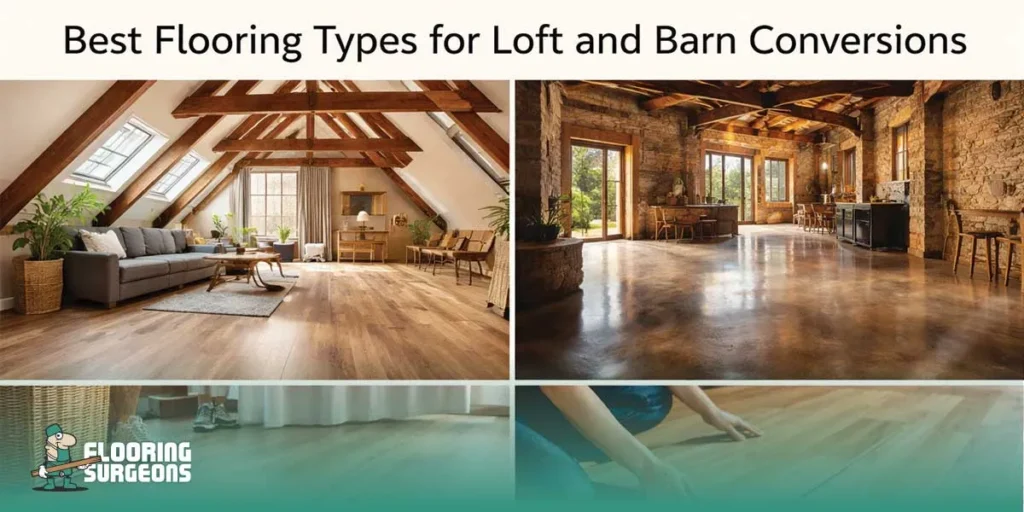
Choosing the right flooring material depends on structural load, moisture exposure, insulation requirements, and durability. Several flooring options consistently perform well in converted spaces.
Engineered Wood Flooring
Engineered flooring is widely used in loft conversions because it offers the appearance of natural wood while providing improved structural stability. Benefits include:
- greater resistance to temperature and humidity changes
- compatibility with floating installation systems
- natural aesthetics suitable for older buildings
Luxury Vinyl Flooring (LVP)
Luxury vinyl plank flooring is a versatile option for both lofts and barns. Key advantages include:
- moisture resistance
- lightweight structure
- easy maintenance
- suitability for uneven surfaces with a proper underlay
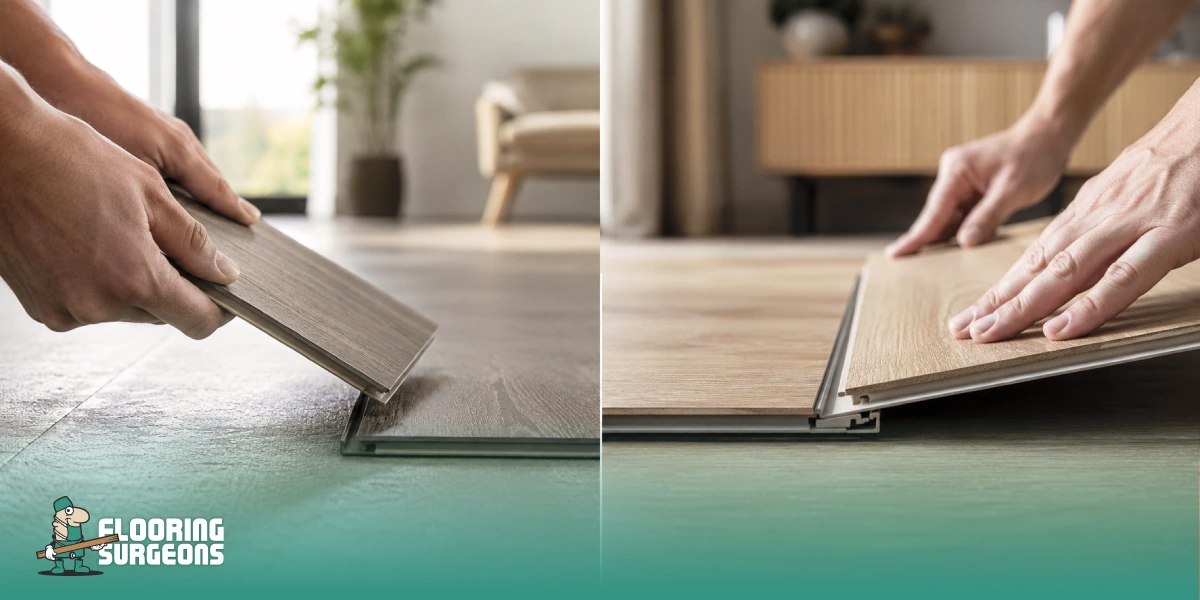
Floating Floor Systems
Floating floors connect boards together without attaching them directly to the subfloor. This installation method:
- accommodates structural movement
- improves acoustic insulation
- works well over uneven surfaces
Floating systems are particularly useful in older buildings.
Polished Concrete (Barn Conversions)
In barn conversions built on concrete slabs, polishing the existing concrete floor can create a durable, visually appealing surface. A polished concrete barn floor offers:
- exceptional durability
- high moisture resistance
- compatibility with underfloor heating
- a modern look that complements rustic structures
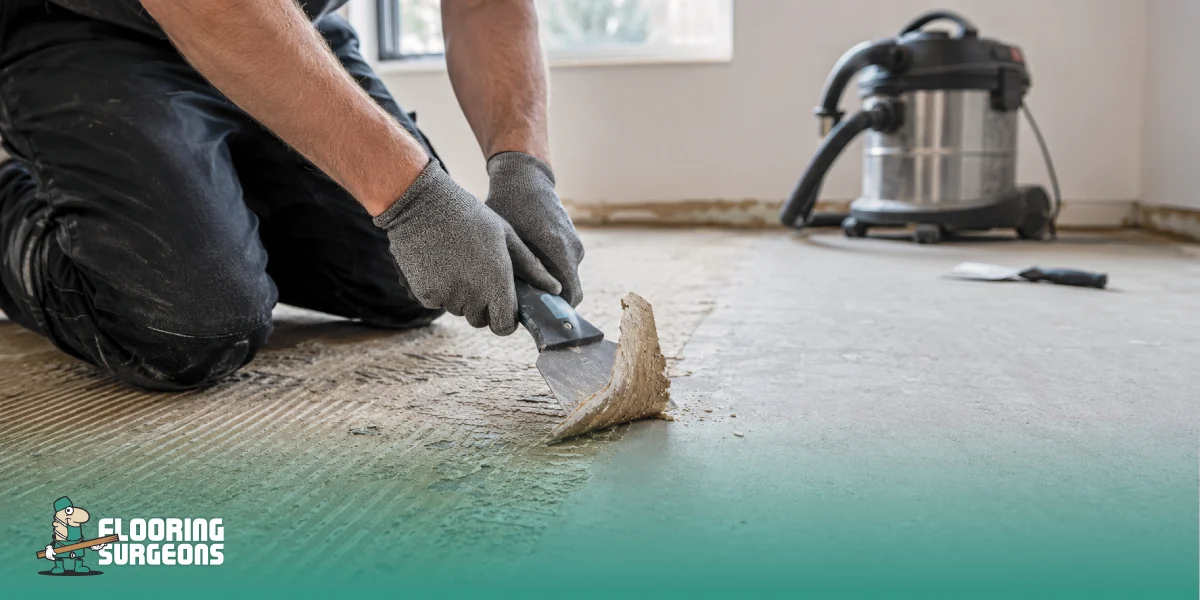
Subfloor Preparation: The Step Most People Overlook
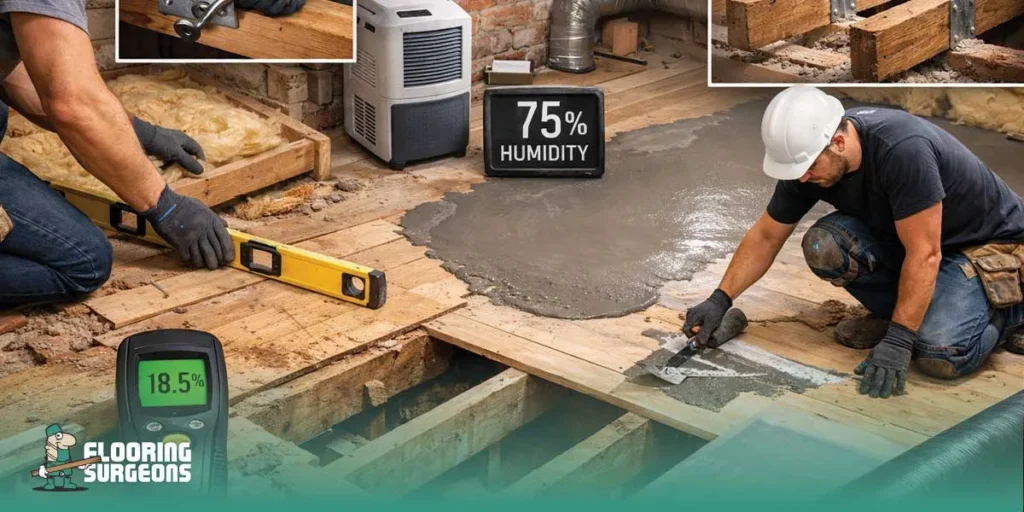
One of the most crucial steps in flooring installation is subfloor preparation, especially in converted structures with uneven bases, structural movement, and hidden moisture that can undermine the finished floor. Even premium flooring materials may fail if their foundation is unstable or irregular. Before installing flooring, professionals typically check:
- structural joist strength
- moisture levels
- subfloor leveling
- insulation layers
- ventilation conditions
Addressing these issues early helps ensure long-term durability and prevents problems such as floor movement or cracking.
How Flooring Specialists Solve These Problems
Complex flooring challenges in converted buildings often require professional evaluation. Specialists typically address these issues by:
- reinforcing structural joists
- installing levelling systems
- applying moisture barriers
- designing floating floor installations
- improving acoustic insulation
By resolving the underlying structural problems first, flooring systems can perform reliably for many years.
Key Mistakes to Avoid When Choosing Flooring for Conversions
Common flooring failures in loft and barn conversions often result from avoidable mistakes.
- Ignoring structural load limits
- Choosing flooring materials that are too heavy
- Skipping moisture testing
- Not levelling the subfloor properly.
- Overlooking acoustic insulation
Careful planning helps prevent costly repairs later.
When to Consult a Flooring Specialist
A professional assessment is recommended when:
- floors appear uneven or sloped
- The building contains older timber joists.
- Moisture or dampness is present.
- Structural reinforcement may be required.
Early consultation helps identify hidden structural issues and ensures the flooring system is safe and durable.
Conclusion
Loft and barn conversions can create unique and beautiful living spaces, but flooring must be carefully planned to address structural and environmental challenges. Reinforcing joists, levelling subfloors, managing moisture, and selecting suitable materials all contribute to a durable flooring system. With proper preparation and expert assessment, converted spaces can achieve both structural reliability and long-term comfort. Complex flooring challenges in converted buildings often require professional evaluation, which is why specialists such as Flooring Surgeons begin by assessing the structure beneath the floor rather than focusing only on the surface materials.

Haniye Ayanmanesh
As an expert writer for Flooring Surgeons, I combine technical SEO knowledge with a practical understanding of flooring, producing content that helps users make confident decisions while supporting long-term organic growth.