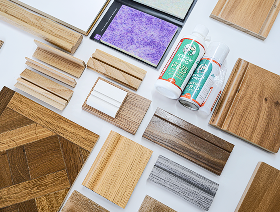
A child-friendly home is a space that feels safe, practical, and stylish. It should support everyday family life with durable materials, smart storage, easy-to-clean surfaces, and a layout that works for both children and adults. Good design is not about making a home look childish; it is about choosing finishes, furniture, and flooring that can handle real life without losing comfort or style.
In this guide, you’ll find safe and stylish interior ideas for creating a child-friendly home, from room layout and storage to materials and flooring choices that suit busy family spaces.
Table of contents
What Makes a Home Truly Child-Friendly?
A child-friendly home is more than a space with corner guards and safety locks. It should feel safe, easy to live in, and visually calm. Good child-friendly home design supports daily family life without making the space feel cluttered or overly themed.
A practical home for children starts with smart choices. Clear walkways, stable furniture, soft edges, and easy-to-clean surfaces all help create a safer and more comfortable environment. The goal is not to make the home look temporary, but to make it work better for real life.
Strong kid-friendly interior design is about balance. Rooms should be simple to maintain, comfortable to use, and still attractive for adults. Durable materials, useful storage, and thoughtful layout choices make it easier to create a safe and stylish home that stays functional as children grow.

Start with Safety, But Design for Real Life
A safe home should still feel like a home. The aim is not to fill every room with obvious childproofing, but to make better design choices from the start. In a well-planned child-friendly home, safety works quietly in the background while the space stays practical and stylish.
Prioritise Safer Layout Choices
Begin with the areas your family uses most. Keep walkways open, avoid unstable furniture in busy zones, and choose pieces with softer edges where possible. In open-plan spaces, a clear layout also makes supervision easier and helps the room feel less chaotic.

Choose Materials That Can Handle Daily Use
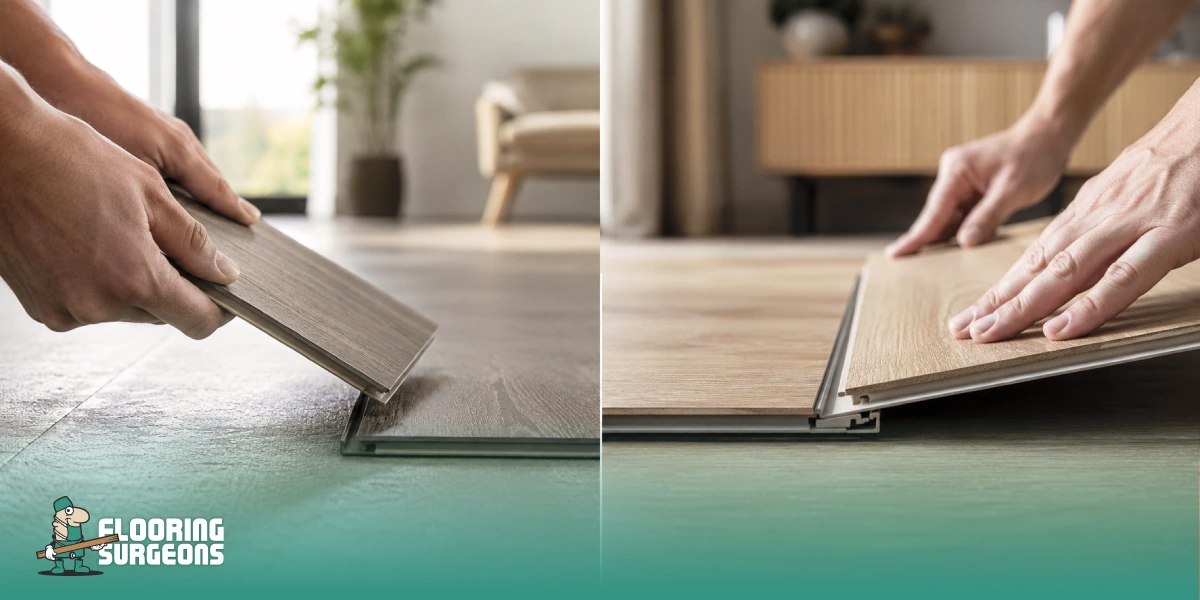
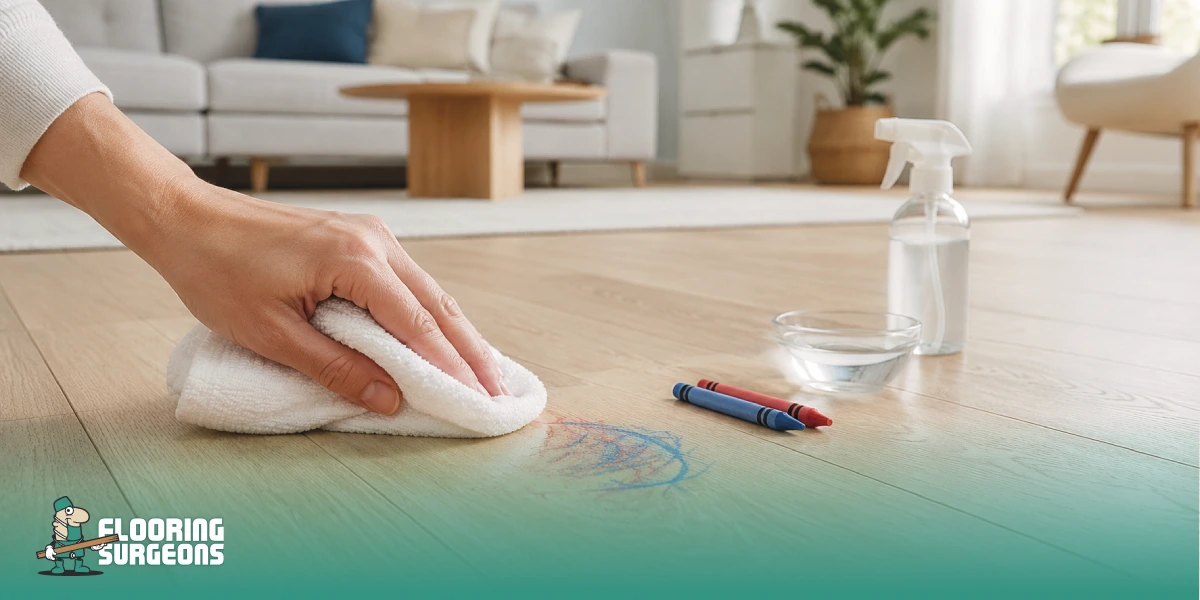
Busy family homes need surfaces that are easy to wipe down and hard to damage. Washable fabrics, durable finishes, and practical flooring make everyday life much easier. In high-use areas, options like Waterproof Luxury Vinyl can work well because they are easier to manage around spills, mess, and constant foot traffic.
Focus on the Biggest Risk Points
Instead of overdoing safety products, focus on the details that matter most. Anchor tall storage, keep sharp or breakable décor out of reach, and reduce slip risks in kitchens, hallways, and other active spaces. This is usually more effective than trying to childproof every visible corner.

Choose Materials That Can Handle Kids Without Looking Cheap
The right materials make a big difference in a busy family home. They need to be easy to clean, durable enough for daily use, and still attractive enough to suit the rest of the interior. A good family-friendly home design does not rely on disposable or overly child-focused finishes. It uses practical surfaces that still feel considered.
Homes with children get more spills, marks, and everyday wear, so low-maintenance finishes are worth prioritising. Washable paint, wipe-clean surfaces, and durable fabrics help rooms stay neat without constant effort. This is one of the simplest ways to create a safe and stylish home that feels realistic to maintain.
Make Flooring Part of the Design Plan
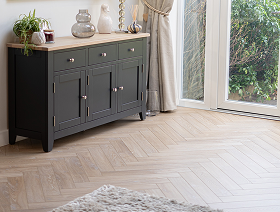
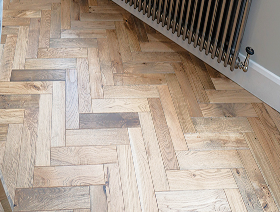
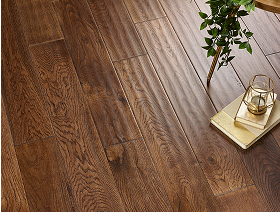
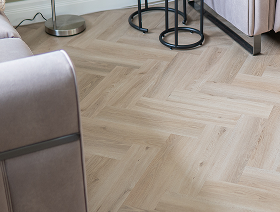
Flooring has a big impact on how a room looks and how easy it is to live with. In high-use spaces, practical options such as Laminate Flooring can help reduce stress around mess and daily traffic. In family areas where style and function both matter, it also helps to carefully consider the floor’s overall look, especially in rooms where children spend the most time.

Room-by-Room Child-Friendly Interior Ideas
A child-friendly home works best when each room is designed around how it is actually used. Some spaces need better storage, others need more durable surfaces, and some simply need a clearer layout. Looking at the home room by room makes it easier to create a space that feels both practical and well-designed.
Living Room
The living room often has to do the most. It should feel comfortable for adults but still work for play, movement, and everyday mess. Rounded tables, closed storage, and soft textiles can make the space easier to manage without changing its overall style.
Kitchen and Dining Area
Kitchens need materials that can withstand spills, quick cleanups, and constant foot traffic. A simple layout, easy-clean finishes, and fewer visual distractions usually work better than overdecorating.
Bedroom or Nursery
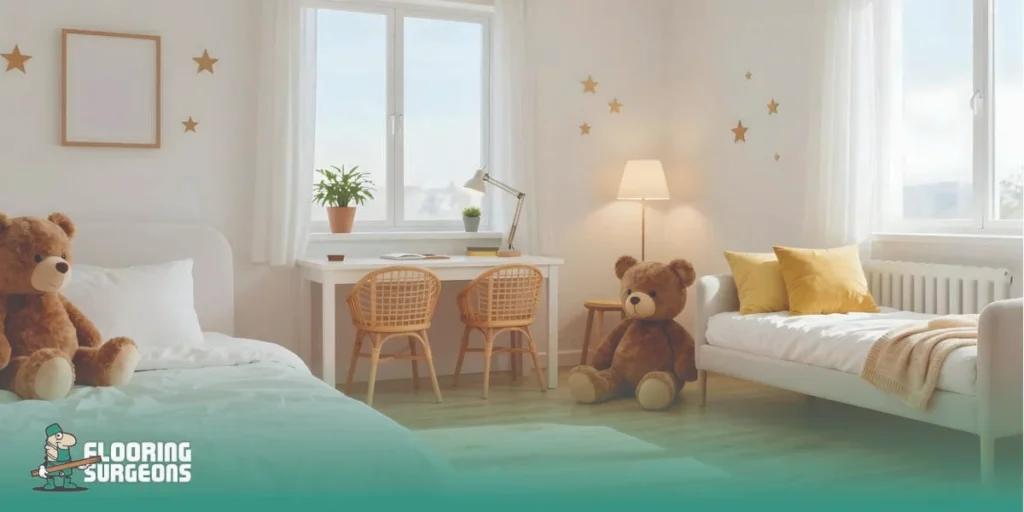
Bedrooms should feel calmer and softer than shared family spaces. Good storage, gentle lighting, and a simple colour palette can make the room feel more restful while still being easy to use. If you want to explore room-specific flooring ideas for younger children, explore our guide, Best Flooring For a Baby’s Room.

Smart Storage Ideas That Keep the Home Stylish
Storage plays a big role in child-friendly home design. Without it, even a well-decorated room can start to feel busy and hard to manage. The best approach is to make storage part of the design, not an afterthought.
In living rooms and dining areas, closed cabinets, baskets, and built-in units help keep toys, books, and daily clutter out of sight. This makes the room feel calmer and more polished while still keeping essentials close at hand.
Children use spaces better when some storage is accessible to them. Low shelves, labelled baskets, and simple organisers can make tidying easier and help the home feel more functional. In smaller rooms, a few well-placed storage pieces usually work better than too much furniture.
How to Keep the Look Stylish as Your Child Grows
A home designed for children should not feel temporary. The easiest way to keep it looking good over time is to build around a simple base and add flexible details. Neutral walls, durable finishes, and timeless furniture give the space a more lasting feel, while colour and personality can come through in rugs, art, bedding, and smaller accessories.
This approach makes updates easier as your child gets older. Instead of redesigning the whole room every few years, you can change only the parts that are easy to replace. It also helps the home feel more balanced overall, which is important in a safe, stylish home where practicality should not dominate the design.

Best Flooring Choices for a Child-Friendly Home
Flooring has a direct impact on comfort, cleaning, and day-to-day safety. In a busy family home, the best option is usually one that feels durable, easy to maintain, and suitable for the way each room is used. Instead of choosing based on appearance alone, it is better to look at how the floor will perform under daily wear.
| Flooring option | Best for | Main benefit |
| Waterproof Luxury Vinyl | Kitchens, high-traffic family areas | Easy to clean and practical around spills |
| Waterproof Laminate Flooring | Busy shared spaces | Durable look with lower maintenance |
| Laminate Flooring for Living Room | Family living areas | Balances style and everyday use |
| Luxury Vinyl Flooring for Kitchen | Kitchens and dining zones | Handles moisture and frequent cleaning well |
The right flooring also helps the whole interior feel more balanced. If you want the space to look pulled together, it helps to think about tone and finish early on, especially when matching floors with walls, furniture, and soft furnishings.
Conclusion
A well-planned child-friendly home should feel safe, comfortable, and easy to live in without losing its style. With the right layout, practical materials, smart storage, and durable flooring, it is possible to create spaces that work for family life now and still look good in the years ahead.
At Flooring Surgeon, we help you create practical, stylish spaces with flooring designed for real family living.

Ana.Soltanpoor
I’m an SEO Specialist with a strong background in content management and organic search. I build data-driven content strategies by aligning user intent, search behavior, and SEO best practices to ensure every piece of content delivers clarity, relevance, and measurable organic performance.