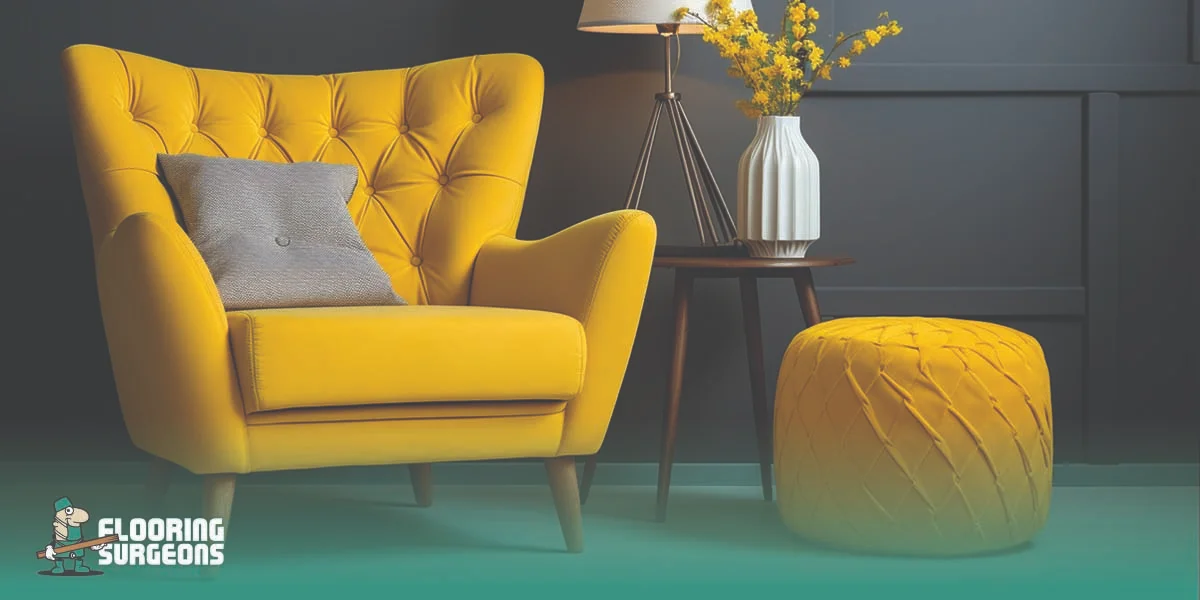
Yellow can lift a room in a way few colours can, but it has to be used with care. If you want to incorporate yellow into your interior design, the goal is not to fill a space with bold colour. It is to choose the right shade, place it in the right spots, and balance it with materials and tones that stop it from feeling too strong.
From soft butter yellow to deeper mustard tones, this colour can work in living rooms, bedrooms, kitchens, and hallways when it is introduced in a controlled way. In this guide, you will see how to use yellow without making a room feel busy or overpowering, which colours and finishes pair best with it, and how to create a brighter space that still feels calm, stylish, and lived-in.
Table of contents
The Easiest Ways to Add Yellow to a Room Without Overdoing It
Yellow works best when it feels considered, not forced. In most homes, the safest approach is to start small and let the colour support the room rather than dominate it. That usually means bringing it in through accents, a focal piece, or a limited surface, rather than spreading it across every corner.
Start With Small Yellow Accents
If you are unsure how much yellow your space can handle, begin with details that are easy to change. Cushions, throws, lampshades, vases, and artwork can add warmth without locking you into a strong design choice. This works especially well in neutral rooms that need a little more energy.

Use Statement Piece Instead of Repeating The Colour
One yellow chair, bench, headboard, or painted side table often has more impact than several smaller yellow items competing for attention. A single focal point gives the room direction and keeps the overall look cleaner. This is often the easiest way to add yellow to an interior without making it feel busy.
Try Yellow in Soft Furnishings Before Paint
Paint can be effective, but it is not always the best starting point. Curtains, rugs, bedding, and upholstered pieces let you test how yellow behaves in the room across different times of day. In spaces with abundant natural light, softer yellow textiles can feel bright and fresh without becoming overwhelming.
Keep The Rest of The Palette Grounded
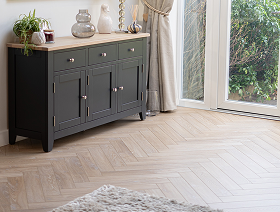
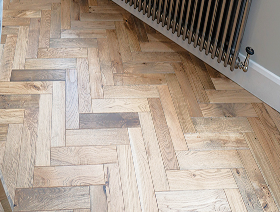
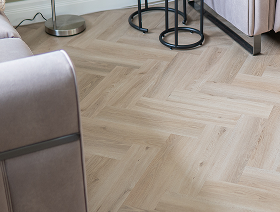
Yellow usually looks better when paired with calmer tones and natural materials. Warm whites, soft greys, muted greens, oak finishes, and simple textures help the colour feel more settled. In lighter schemes, pairing yellow with light laminate flooring can also help keep the room open and airy rather than heavy.
Choose the Right Shade of Yellow for the Mood You Want
Not every yellow creates the same effect. Some shades feel soft and easy to live with, while others bring more contrast and energy into a room. If you want yellow interior design to look balanced, the shade matters just as much as where you use it.
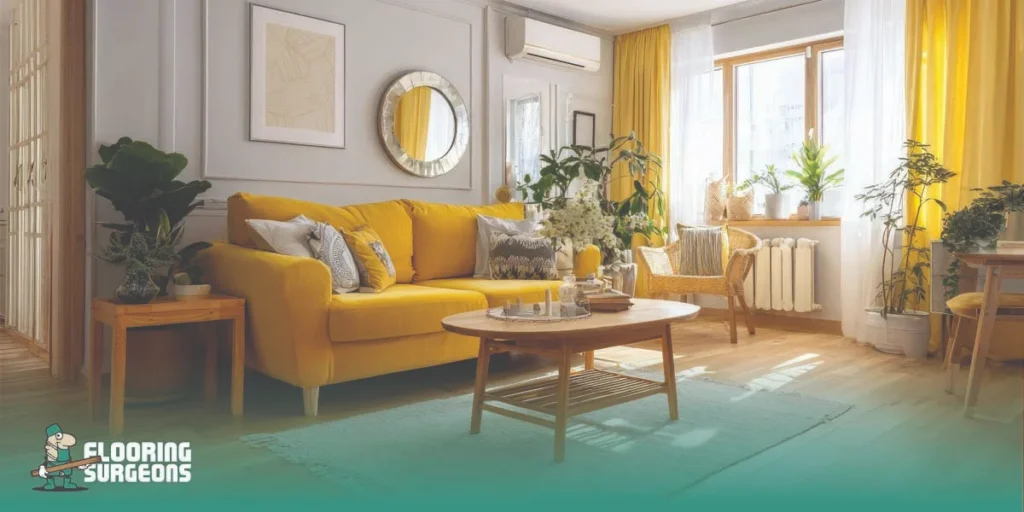
Butter yellow for a soft, relaxed look
Butter yellow works well in spaces that need light without feeling too sharp. It has a gentler feel than brighter yellows, which makes it a good fit for bedrooms, quieter living areas, and rooms with a calm, neutral base. It also sits more comfortably with pale finishes, soft whites, and natural textures.
In rooms that already feel open and bright, this kind of yellow can add warmth without taking over. It tends to work best when the rest of the palette stays simple, and the materials feel light rather than heavy.
Mustard and ochre for warmth and depth
If you want a richer look, deeper yellow tones can be a stronger choice. Mustard and ochre bring more depth to a space and often feel more grounded than clear, bright yellow. They work especially well with warm neutrals, wood finishes, muted greens, and earthy materials.
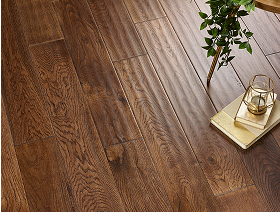
These shades usually suit interiors that need character rather than brightness alone. They can also help a room feel more settled, especially when paired with natural surfaces and oak-engineered flooring, which supports a warmer, more layered look.
Bright yellow for smaller focal points
Stronger yellows can still work, but they are usually better in controlled amounts. Instead of covering large areas, use them where you want the eye to land first. A chair, painted cabinet, lampshade, or piece of art can introduce energy without making the whole room feel loud.
This is often the safest approach in smaller rooms or spaces with limited natural light. Bright yellow draws attention quickly, so it needs enough calm around it to feel intentional.
In some interiors, even the contrast between darker and lighter floors can shift the entire mood of the space, which is why details like The Psychology of dark flooring vs light flooring can be useful when you want the final scheme to feel balanced rather than accidental.
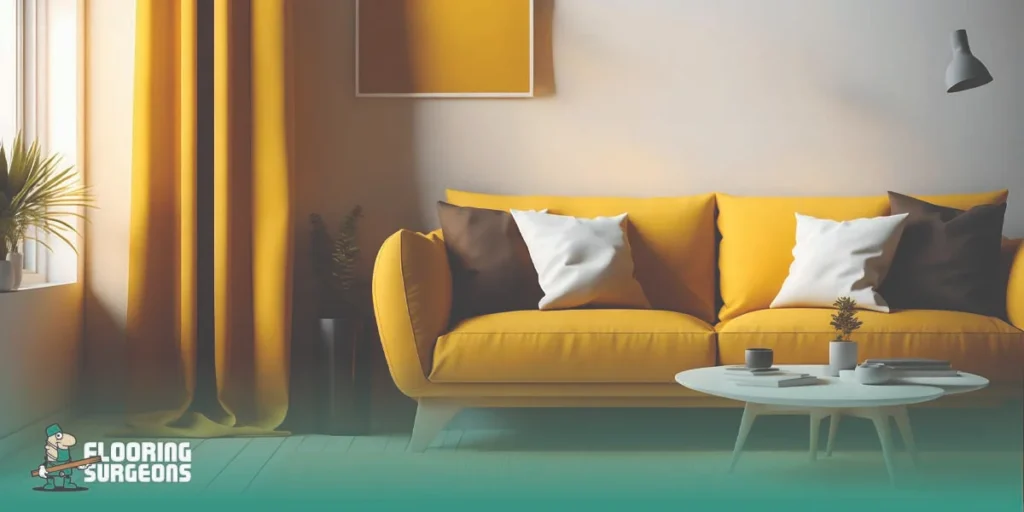
What Colours and Materials Go Best With Yellow?
One of the biggest questions when decorating with yellow is how to keep it feeling balanced. The answer usually comes down to choosing the right supporting palette. If you are wondering about the best colours that go with yellow, softer neutrals, muted contrast tones, and natural materials are often the easiest place to start.
| If you want the room to feel… | Best yellow choice | Pair it with | Works especially well in |
| Soft and airy | Butter yellow | White, pale grey, light wood tones | Bedrooms, smaller living spaces |
| Warm and grounded | Mustard or ochre | Warm neutrals, natural oak, linen | Living rooms, dining areas |
| Fresh and lively | Soft yellow accents | Muted blue, sage green, off-white | Kitchens, hallways |
| Bright but controlled | Clear yellow in small doses | Calm neutrals, simple finishes | Accent corners, focal points |
- Yellow and white for a clean, fresh look: These colours are among the easiest to use. They keep a room feeling bright and open, especially when the yellow is soft rather than bold. This works well in spaces that need more lightness without too much visual weight.
- Yellow and grey for a balanced modern feel: Grey gives yellow more control. It softens brighter tones and helps muted yellows feel more polished. If you want a modern look that still feels warm, this is usually a reliable choice.
- Yellow and blue or green for more character: Blue and green can give yellow more depth. Blue creates a clearer contrast, while green makes it feel more natural and relaxed. The key is to keep the tones slightly muted so the palette still feels settled.
- Yellow with natural wood and earthy materials: Natural materials often make yellow easier to live with. Wood, linen, stone, and warm neutral finishes help the colour feel more grounded.
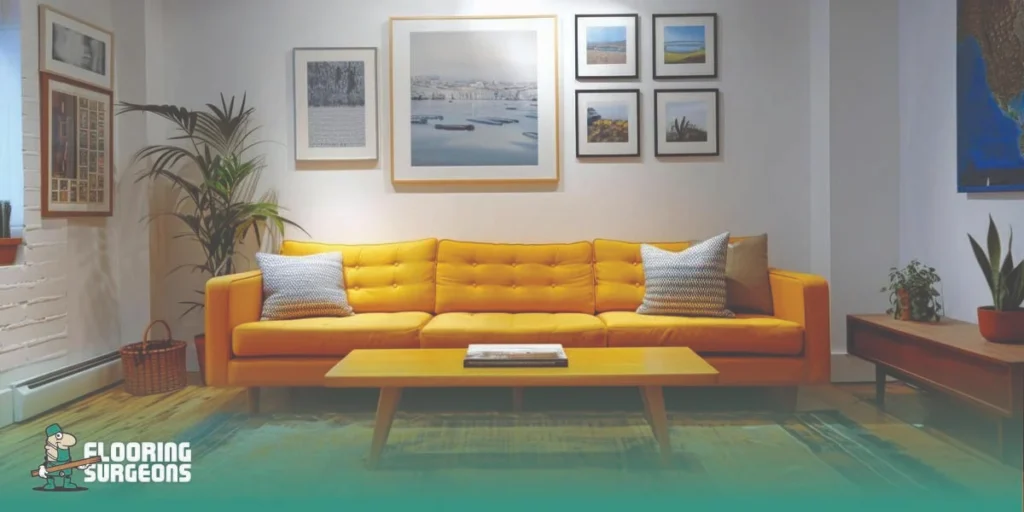
Where Yellow Works Best in the Home
Some of the best yellow room ideas are also the simplest. Yellow does not need to dominate a space to work well. In most homes, it has a greater impact when used in areas where it can add warmth, soften a plain palette, or bring light to a room that feels flat.
- Living room: Yellow can make a living room feel warmer and more welcoming, especially when paired with a neutral base palette. Softer shades tend to work better across larger areas, while stronger yellows usually look best in smaller accents or as a single clear focal point.
- Bedroom: In bedrooms, yellow works best when it feels calm rather than energetic. Butter yellow and other muted tones can add warmth without disturbing the relaxed feel most people want in this space.
- Kitchen and dining area: Yellow often suits these spaces because it adds brightness and energy. Used in moderation, it can make these areas feel fresher and more alive without becoming too loud.
- Hallway or entryway: A hallway is a good place to use yellow if the space feels dark or lacks personality. Even a small amount can make the entrance feel lighter, warmer, and more inviting from the moment you step in.
Final Thoughts on Using Yellow in Interior Design
Yellow can make a room feel warmer, brighter, and more inviting, but it needs the right balance. The shade you choose, the amount you use, and the colours and materials around it all shape the final result.
If you want yellow to work well in your home, keep it intentional. Softer tones can gently lift a space, deeper shades can add warmth and depth, and natural finishes help everything feel more settled. If you’re exploring how different colours work with flooring and interior materials, you can browse design-friendly options at Flooring Surgeons to help create a balanced and cohesive look. In most interiors, yellow looks best when it adds character without taking over.

Ana.Soltanpoor
I’m an SEO Specialist with a strong background in content management and organic search. I build data-driven content strategies by aligning user intent, search behavior, and SEO best practices to ensure every piece of content delivers clarity, relevance, and measurable organic performance.