Modern interiors are evolving. The era of stark whites and sterile minimalism is gradually giving way to spaces that feel warmer, deeper, and more grounded. Moody palettes and earthy tones are no longer just a design preference. They are becoming a defining element of interiors that feel intentional and lived-in.
However, creating this atmosphere goes beyond choosing darker colours or adding texture. The foundation of a truly rich interior often begins with what lies beneath. Flooring quietly shapes how colours settle, how light interacts with a space, and how the entire room is experienced.
This guide explores how to use earthy tones and moody palettes effectively, and how the right flooring choices can elevate a space from visually appealing to genuinely immersive.
Table of contents
What Is a Moody Interior? Key Elements Explained
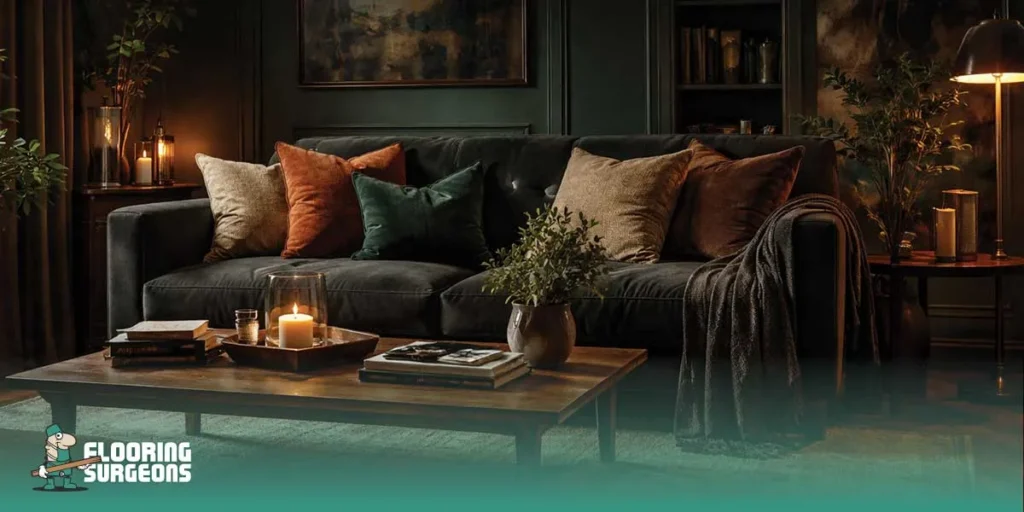
Moody interiors are not simply about making a space darker. They are about creating depth, contrast, and a sense of atmosphere that feels intentional rather than accidental. The goal is to design a space that feels grounded and immersive, where every element works together to shape the room’s experience.
What Are the Key Features of Moody Interior Design?
At the heart of moody interior design lies a careful balance between colour, texture, and light. These elements work together to create a space that feels rich and layered rather than heavy or overwhelming.
- Deep, saturated colours such as charcoal, forest green, and rich browns that create visual depth
- A dark colour palette balanced with softer, earthy tones to avoid heaviness
- Contrast between light and shadow to add dimension and prevent flatness
- Layered textures, including wood, stone, and textiles, that enrich the space
- Natural materials that ground the design and connect it to organic elements
- Ambient lighting that softens the atmosphere rather than overpowering it
- Controlled lighting that highlights specific areas instead of flooding the room
Why Earthy Tones Feel Warmer and More Grounded in Interiors
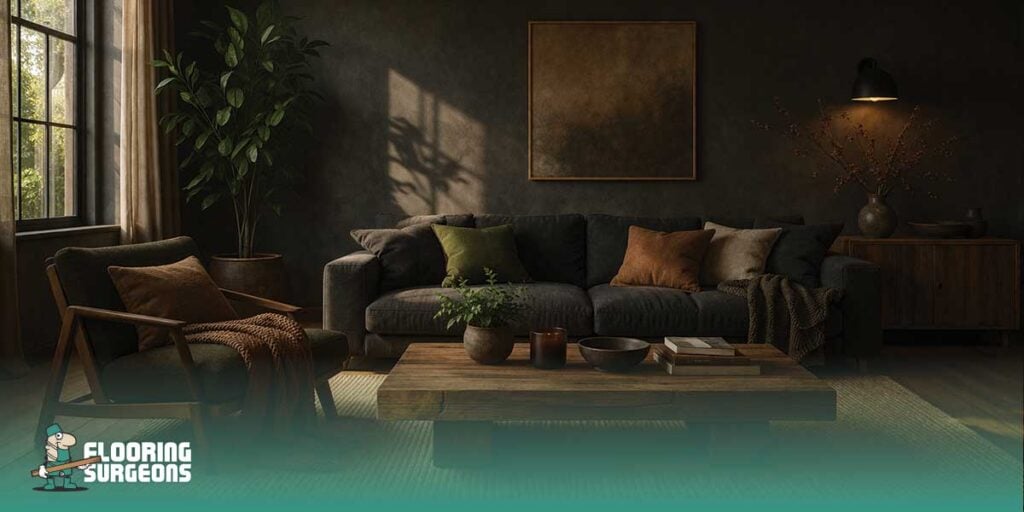
Earthy tones play a crucial role in shaping how a space feels, not just how it looks. A well-balanced earthy-toned interior, built around warm neutrals and a natural colour palette, tends to feel calmer, more stable, and easier to live in over time. These colours subtly reduce visual noise and create a sense of grounding, especially when paired with natural materials. Rather than demanding attention, they allow the space to settle, making it feel more cohesive and comfortable throughout the day.
The Role of Flooring in Moody Interiors
Once earthy tones establish the visual language of a space, flooring becomes the element that holds everything together. It is not just a surface beneath the design, but the layer that quietly determines how colours behave and how the room is perceived as a whole.
In moody interiors, this becomes even more critical. Darker palettes and natural tones rely on balance. Without the right foundation, a space can quickly feel either too heavy or visually disconnected.
Why Flooring Sets the Tone of the Room
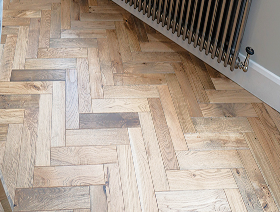
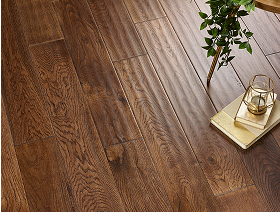
Flooring acts as the visual anchor of a moody interior. It grounds the palette and influences how every other element is experienced. In spaces built around earthy tones, materials such as dark wood flooring or natural flooring textures do more than add warmth. They absorb or reflect light in subtle ways, shaping contrast and depth across the room.
This interaction directly affects colour perception. The same wall tone can appear richer or flatter depending on the flooring beneath it. Choosing the right flooring for moody interiors is therefore less about matching colours and more about creating a balanced relationship between light, material, and tone.
Best Flooring Materials for Earthy Palettes
Choosing the right material is where aesthetic intention meets practical decision-making. Each flooring type interacts differently with earthy tones, influencing both the mood and functionality of the space.
| Material | Mood Effect | Best For |
| Dark hardwood | Deep, luxurious | Living rooms |
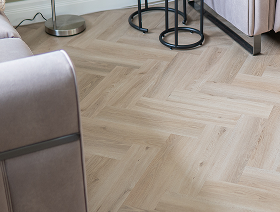
| Engineered wood | Warm, stable | Open-plan areas |
| Stone flooring | Organic, raw | Kitchens |
| Textured vinyl | Practical warmth | High-traffic areas |
For readers who want the warmth of wood with better day-to-day stability, it often makes sense to browse engineered flooring options before narrowing the final tone and finish.
Colour Pairings That Work with Earthy Flooring
Once the flooring is defined, the next step is understanding how other colours interact with it. In moody interiors, colour pairing is less about contrast alone and more about creating a balanced flow across surfaces. If you want a more detailed look at matching flooring with wall colours, undertones, and light conditions, this next step becomes much easier.
The wrong combination can break the depth you have built, while the right one can make the entire space feel cohesive and intentional.
Best Wall Colours to Pair with Earthy Flooring
Choosing the right wall colour is not about matching exactly, but about complementing the tone and depth of the flooring beneath it. Strong pairings tend to work with the material’s natural undertones rather than against them.
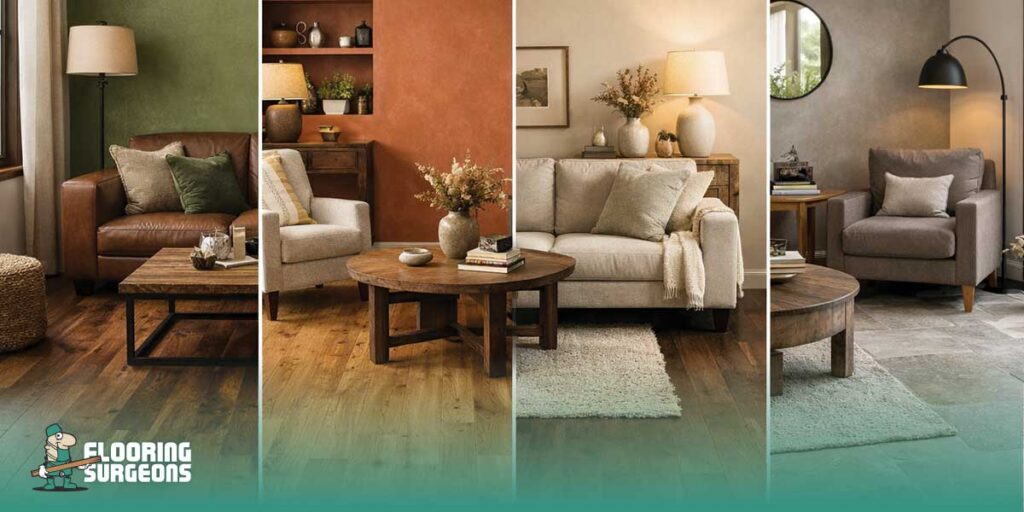
- Walnut flooring with olive green walls
Creates a rich, grounded look with strong natural depth, ideal for living spaces - Oak flooring with clay or terracotta tones
Adds warmth without overwhelming the space, perfect for softer, moody interiors - Dark flooring with soft beige or warm neutrals
Introduces contrast while keeping the atmosphere calm and balanced - Stone flooring with muted greys or taupe shades
Enhances the organic feel without making the space feel cold
Common Mistakes When Matching Flooring and Wall Colours
Even well-designed spaces can feel off if colour relationships are not carefully considered. These are some of the most common interior design mistakes when working with darker or earthy flooring.
- Choosing colours that are too similar in tone
This removes contrast and makes the space feel flat - Ignoring undertones in flooring colour matching
Warm floors with cool walls can create visual tension. - Overusing dark shades without balance
Too much darkness can make a room feel heavy and closed in - Relying on paint samples without testing in natural light
Lighting conditions can completely change how colours appear
What Textures Work Best in Moody Interiors?
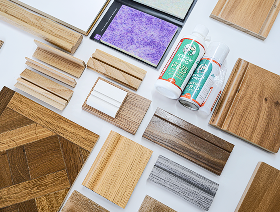
Moody interiors rely on more than colour alone. Texture is what adds depth and prevents darker palettes from feeling flat or one-dimensional, especially when you understand how floor texture creates visual warmth across the room.
Choosing the right finishes can completely change how a space feels, even when the colour scheme stays the same.
Matte vs Gloss Finishes in Moody Interior Design
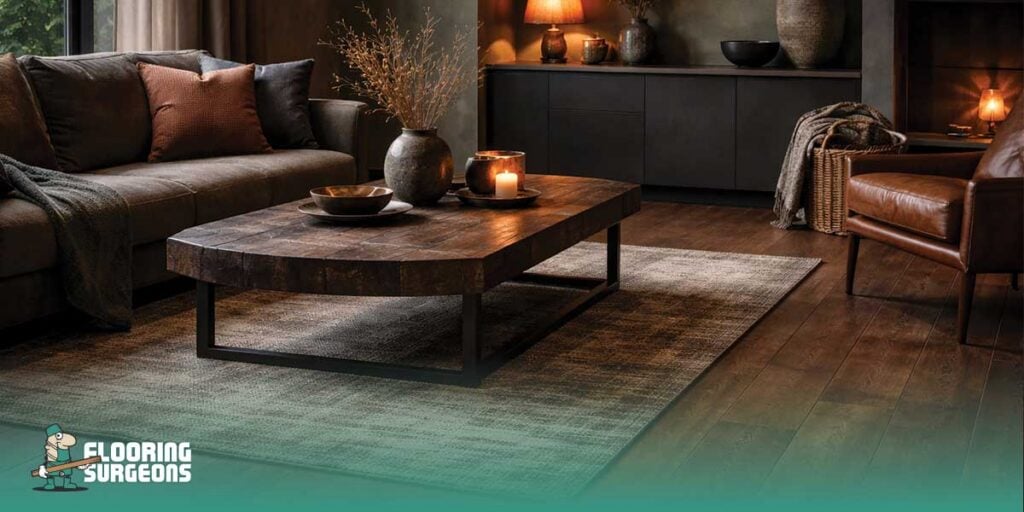
Matte finishes are typically more effective in moody interiors because they absorb light rather than reflecting it. This helps colours appear deeper and more consistent across the space. Gloss finishes, by contrast, reflect light and can interrupt the atmosphere, especially when used on large surfaces like flooring or cabinetry. For flooring in particular, matte or brushed finishes tend to better support earthy tones, while high-gloss surfaces can feel visually disconnected from the overall mood.
How to Use Lighting in a Moody Interior Without Making It Too Dark
Lighting is what keeps a moody interior functional and inviting. Without the right balance, darker tones and textured surfaces can make a space feel closed in rather than comfortable.
How Natural Light Affects Dark Interiors
Natural light plays a key role in softening darker palettes. Spaces with good daylight can support deeper flooring tones and richer colours without feeling heavy.

Best Lighting Types for Moody Interiors
Instead of relying on a single overhead source, layered lighting works best:
- Ambient lighting for overall softness
- Task lighting for functionality
- Accent lighting to highlight textures and materials
This approach maintains the mood while keeping the space usable.
How to Choose the Right Flooring for a Moody Interior
Once colour, texture, and lighting are understood, flooring becomes a more informed decision. The goal is not just to match the style, but to support how the space will function over time.
What to Consider When Choosing Flooring for Dark Interiors
- Amount of natural light in the room
- Level of daily use or foot traffic
- Desired depth and intensity of the mood
- Maintenance and durability requirements
Dark vs Medium Flooring: Which One Should You Choose?
| Flooring Tone | When to Use | Effect |
| Dark flooring | Large, bright spaces | Deep, dramatic feel |
| Medium flooring | Smaller or dim spaces | Balanced and adaptable |
How to Create a Cohesive Moody Interior with Flooring and Colour
A cohesive interior is not built by individual choices, but by how those choices connect. Flooring, colour, and lighting must work together to create a space that feels intentional rather than assembled. When earthy tones are supported by the right flooring and balanced with thoughtful lighting, the result is a space that feels natural, immersive, and comfortable over time.
How to Balance Light in a Moody Interior
Lighting is what determines whether a moody interior feels inviting or overly dark. Once deeper tones and earthy materials are introduced, light needs to be controlled carefully to maintain depth without losing clarity.
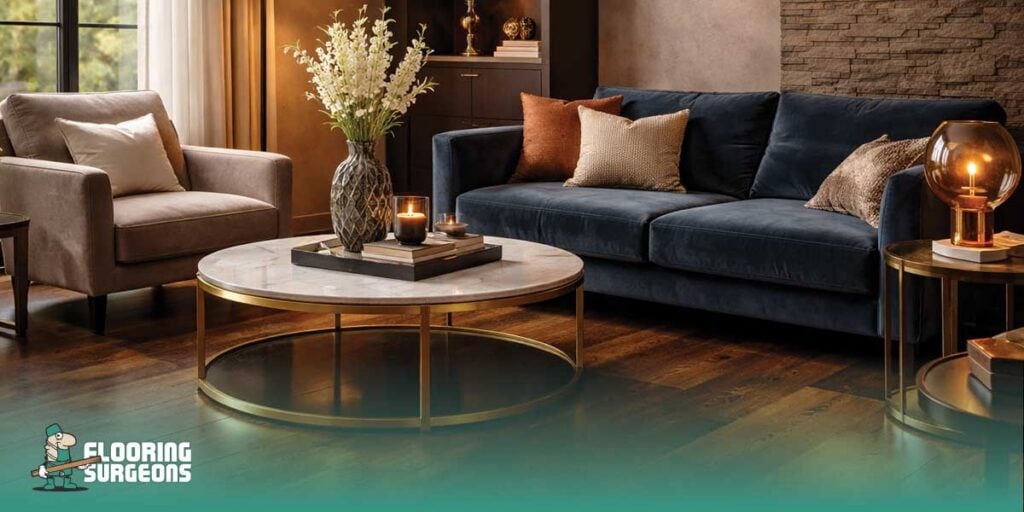
Natural vs Artificial Lighting in Moody Interiors
Natural light softens darker palettes and helps reveal the true undertones of materials. Spaces with larger windows can support deeper flooring tones without feeling enclosed. Artificial lighting, on the other hand, should be layered rather than centralised. A combination of ambient lighting and focused sources keeps the space functional while preserving the intended atmosphere.
Reflective vs Absorptive Surfaces in Moody Lighting Design
In moody lighting design, balance comes from mixing surfaces that absorb light with those that reflect it. Flooring, especially darker wood or matte finishes, typically absorbs light and enhances depth.
To maintain balance:
- Use lighter walls or soft furnishings to reflect light.
- Introduce subtle reflective elements, such as glass or metal.
- Avoid overusing glossy finishes, as they can disrupt the mood.
How to Choose the Right Flooring for a Moody Interior
At this stage, the focus shifts from inspiration to decision-making. Choosing flooring for moody interiors requires balancing visual impact with how the space will be used over time.
What to Consider Before Choosing Flooring
If you are still weighing tone rather than material, the psychology of dark flooring vs light flooring helps explain why some spaces feel grounded and luxurious while others feel calmer and more open.
- How is the room used on a daily basis?
- How much natural light does the space receive?
- Do you want a deeper, dramatic atmosphere or a softer balance?
- How important are durability and maintenance?
Dark vs Medium Flooring: Which One Works Best?
| Flooring Tone | Best Use Case | Overall Effect |
| Dark flooring | Larger, well-lit rooms | Rich, grounded, dramatic |
| Medium flooring | Smaller or lower-light spaces | Balanced, flexible, easier to style |
How to Create a Moody Interior with the Right Flooring
A well-designed interior is not defined by individual choices, but by how those choices connect. Colour, texture, lighting, and flooring need to work together to create a space that feels consistent and intentional.
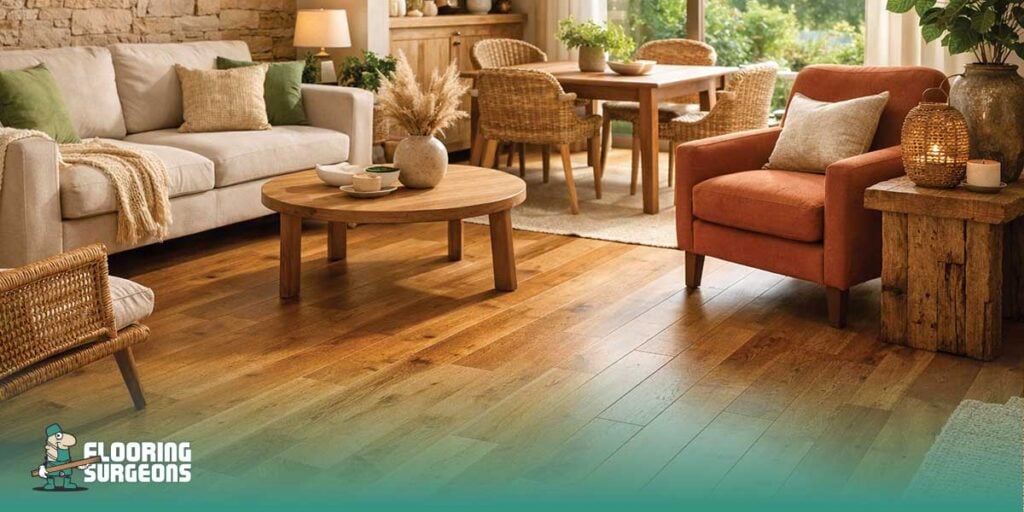
When earthy tones are supported by carefully selected materials and balanced lighting, the result is an interior that feels natural, comfortable, and refined rather than overly styled. Flooring plays a lasting role in this, shaping how the space is experienced every day. Choosing the right approach is not only about aesthetics, but about creating a space that continues to feel right over time. Exploring different materials in person or getting informed guidance from Flooring Surgeons can make that balance easier to achieve, especially when light, tone, and texture all need to work together.

Haniye Ayanmanesh
As an expert writer for Flooring Surgeons, I combine technical SEO knowledge with a practical understanding of flooring, producing content that helps users make confident decisions while supporting long-term organic growth.