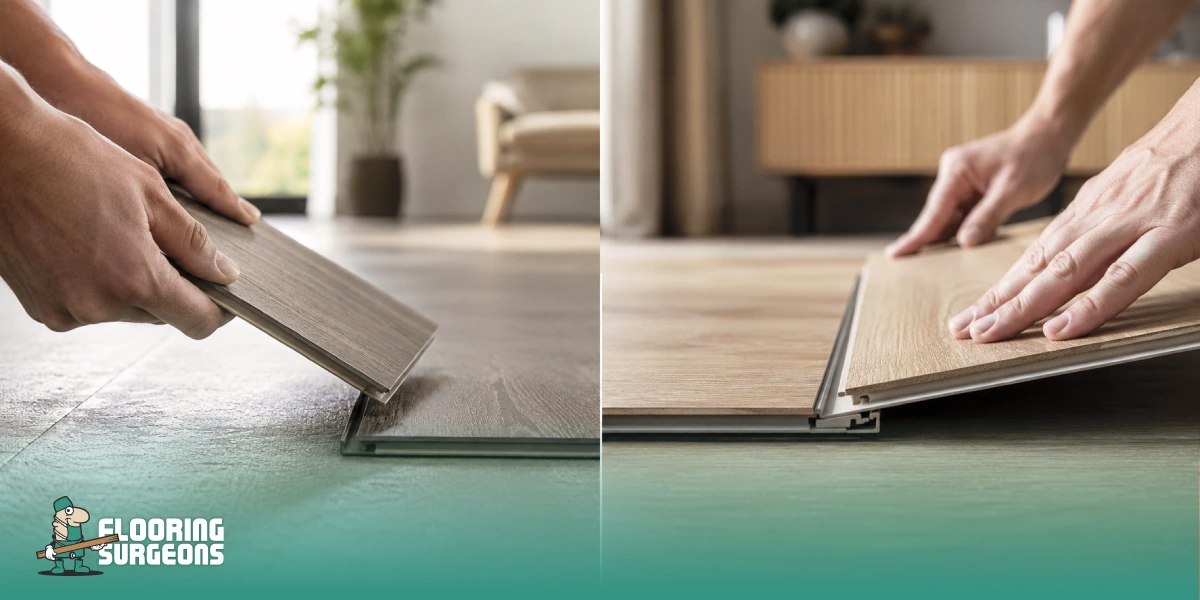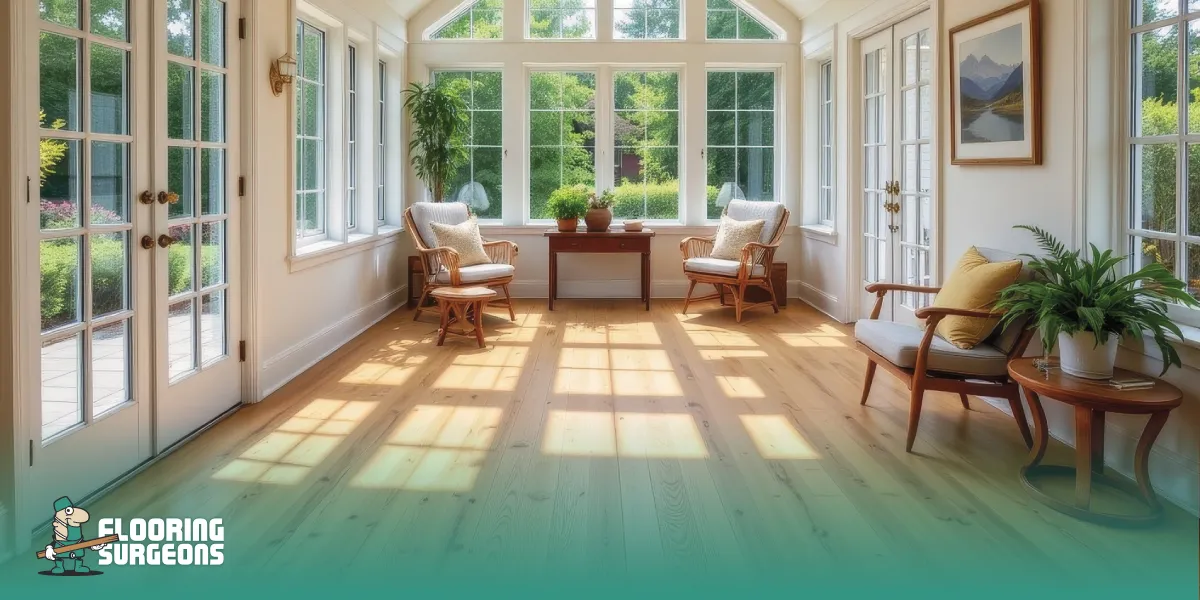
The floor is one of the first places you notice when the temperature outside rises. Certain floors heat up quickly, causing a room to feel warm and humid. Others barely warm up even on hot summer afternoons. It’s not just what a floor is made of… colour also matters. So does the thickness and how much direct sunlight enters the room.
If you want to know which flooring is best to keep your feet cool in the summer months, read on. Below, we break down the best flooring for summer heat.
Table of contents
Why Some Floors Stay Cool While Others Trap Heat
Some floors heat up faster than others. Heat-resistant flooring keeps a lot of the heat out. Low heat retention means that the floor feels cooler longer, even when the room temperature is high. High-heat-retention materials will absorb heat and remain hot long after the sun has set.
Realising how floors vary will help you pick flooring that won’t overheat your house.
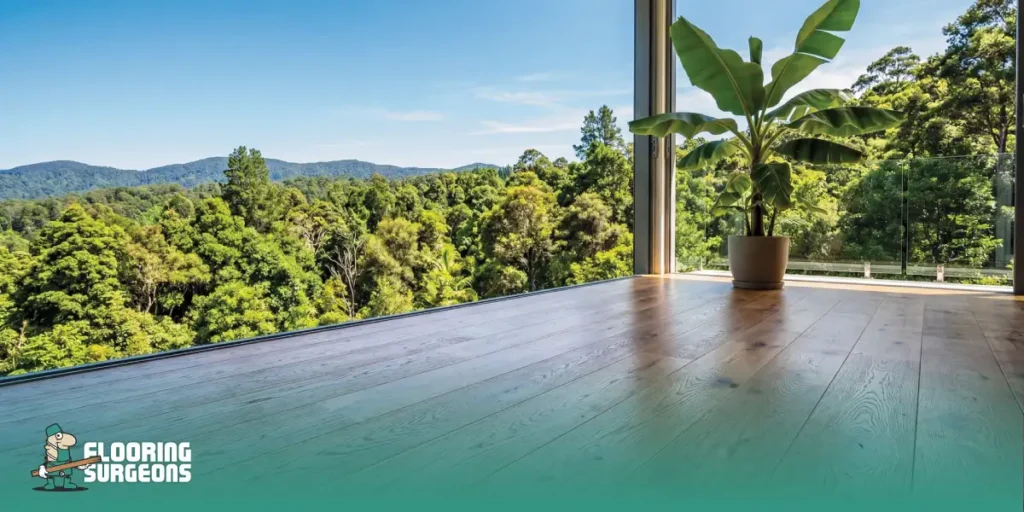
Best Flooring for Hot Climate; Coolest Flooring Options
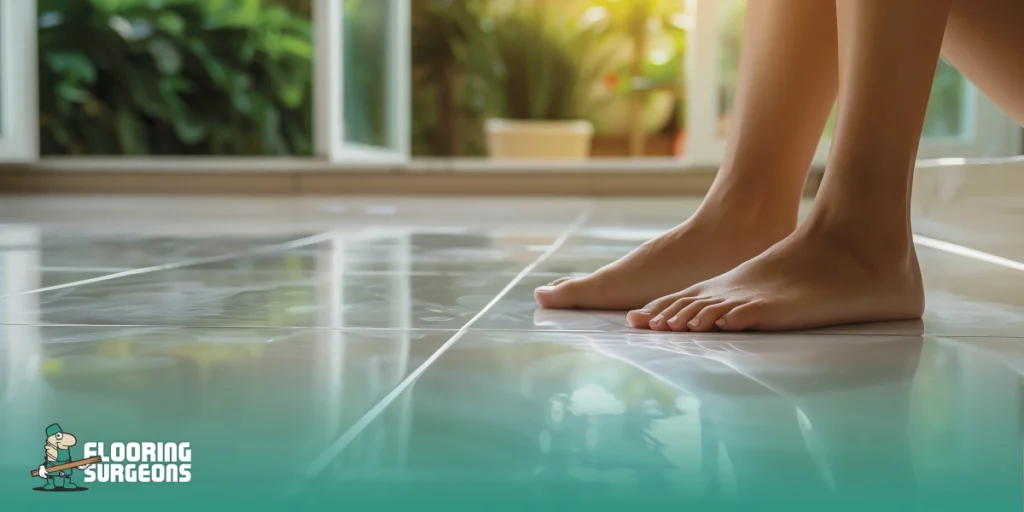
Stone, porcelain tile, and polished concrete feel the coolest underfoot during hot summers. These materials won’t absorb heat, so they’re great for rooms that get a lot of direct sunlight, typical of hot climates.
Stone Flooring
Stone remains cool for two reasons: its ability to absorb heat slowly and its ability to release absorbed heat slowly. Marble, slate and limestone floors will often feel cool to the touch even in rooms with copious amounts of sunlight because they typically feel cooler than the ambient air around them.
Stone is also ideal for rooms that experience temperature fluctuations throughout the day, because it heats up slowly.
Stone flooring is ideal for hot climates, particularly in sun-exposed homes.
Porcelain & Ceramic Tile
The tile feels cool underfoot because it rapidly draws heat away from itself. Porcelain tile stays cooler longer, even in higher temperatures, making it a reliable choice for kitchens, living rooms, and entrances.
Glazed tiles and matte tiles are different, but both perform better than other flooring options if you want to keep a space from feeling stuffy.
Concrete & Polished Concrete
Concrete is an effective temperature-regulating flooring material; it absorbs heat slowly throughout the day and releases it later when it’s cooler. This prevents your floors from heating up during the hottest part of the day..
It’s ideal in homes with expansive windows or open floor plans where radiant heat can influence softer flooring materials.
Vinyl & LVT
Vinyl will never naturally stay cooler than stone or tile, but it is more durable than wood because it absorbs less heat. Waterproof versions and thicker LVT models, such as Waterproof Luxury Vinyl, handle heat better in warm rooms and climates.
Engineered Wood & Laminate
Wood-based floors generally warm up faster than mineral materials, but engineered wood and laminate can still work for homeowners who want a cooler feel without switching to tile.
Options like Laminate Flooring offer the appearance of tile with easier installation and a more budget-friendly alternative. Lighter colours and thinner boards also help reduce heat buildup.

Choosing the Right Cool Flooring Option Based on Your Space
Rooms heat differently, so there isn’t always a single best choice. Solar patterns, room usage and traffic levels are key factors to consider when choosing the best radiant floor option. By evaluating your rooms individually, you can select flooring that will maintain comfort in each room rather than settling for a “one‑size‑fits‑all” solution.
Apartments & High‑Rise Homes
Hotter temperatures are typically found on the upper floors of buildings with large windows or balconies exposed to the sun. Tile, stone, or polished concrete floors are great choices for this area as they handle temperature changes well.
If your apartment doesn’t have great airflow, then a flooring material that is naturally cooler may help your space feel cooler in the afternoon.
Houses With Large Windows
Homes with extended runs of glass or large sliding doors tend to heat up first. Rooms facing south heat up quickly, and floors exposed to the sun can radiate heat for hours.
Porcelain tile or lighter stone hues are great options, as they retain little heat and feel cool beneath your feet even when the sun is bearing down on them directly.
Kitchens & Living Areas
Rooms with the highest traffic throughout the day are where surface temperatures matter. Cooler tiles that are comfortable to walk on barefoot create enjoyable kitchen and bathroom spaces.
Porcelain tile and LVT both score highly here. Tile will naturally remain cool to the touch, while thicker luxury vinyl will remain stable and not heat up excessively fast – ideal for high-traffic family rooms.
Bedrooms vs Common Areas
Bedrooms can use materials that absorb coolness into the night. This is particularly helpful if the room receives morning sunlight. Stone and matte-finished tiles retain their heat long after dark.
Bedrooms are one thing. High-traffic areas like living rooms see a lot more foot traffic and direct sunlight, so you care about durability just as much as you do coolness. Tile, light laminate or engineered wood with a light finish is almost always your best bet.
Comparison Table: Coolest Flooring Materials for Hot Summers
| Flooring Material | How Cool It Stays in Summer | Heat Retention | Best For | Sunlight Performance | Key Advantages | Considerations |
| Natural Stone (Marble, Travertine, Granite) | Very cool underfoot | Very low | High‑sun rooms, open living areas | Excellent even in direct sun | Naturally cold, durable, long lifespan | Can feel too cold in winter, higher upfront cost |
| Porcelain & Ceramic Tile | Consistently cool | Low | Kitchens, living rooms, apartments | Excellent; resists heat buildup | Low maintenance, highly durable | Hard surface, requires quality installation |
| Polished Concrete | Stays cool most of the day | Medium‑low | Modern homes, large spaces | Excellent when lightly shaded | High thermal mass, very stable | Needs sealing; can feel firm underfoot |
| Vinyl & Luxury Vinyl Tile (LVT) | Moderately cool | Medium | Family homes, kitchens, bedrooms | Good in shaded or indirect sun | Soft, waterproof, budget‑friendly | Warms faster than stone/tile under strong sunlight |
| Laminate Flooring (including Tile‑Effect Laminate) | Lightly cool | Medium‑high | Living rooms, rentals, budget updates | Fair; performs best in moderate sunlight | Affordable, easy to install | Can warm up in sun; not as cool as tile or stone |
| Engineered Wood (Light‑Colour Options) | Slight cooling effect | Medium‑high | Bedrooms, low‑sun areas | Fair; lighter tones help | Natural look, stable vs solid wood | Not ideal for high‑heat areas; |
How to Maximise the Cooling Effect of Your Floors
No matter what material you choose, if it is naturally cooler, the setup of your room and maintenance can alter the surface temperature throughout the day. These small changes can make a big difference in your comfort level. Here are easy ways to keep your floors cool.
- Use Light‑Coloured Finishes: Light colours reflect heat away. Regardless of whether you opt for stone, tile, vinyl or engineered wood, light colours will keep the surface cooler and prevent afternoon overheating.
- Improve Airflow: Warmth that collects near the floor can dissipate as air moves. Ceiling fans, cracked doors, and cross‑ventilation can cool your floors more quickly, particularly at night.
- Use Rugs Strategically: Since rugs collect heat, roll them out only on the traffic paths you want cushioning.
- Keep Appliances and Electronics Away From Floor Level: Certain devices, especially near living rooms or kitchens, radiate heat downward. Keeping them slightly elevated or giving them breathing room helps prevent localised warming.
- Maintain Proper Insulation: Installing the correct insulation beneath your floor will limit heat loss through the building fabric. Floors can contribute to heat loss in winter and heat gain in summer, negatively affecting the temperature and comfort in your home.
Read our article, How to reduce heat loss through the floor for more information on insulation and flooring options.
So, What Floors Actually Stay Cool in Extreme Summer Heat?
Flooring choices that remain cool in the summer reflect how each type of flooring absorbs and transfers heat. Stone, porcelain tile and polished concrete rank highest on the list of flooring that won’t get hot since they don’t transfer heat easily, even in rooms with intense sunlight. Vinyl and LVT fall somewhere in the middle and tend to be comfortable in rooms with minimal sun. Light‑tone laminate and engineered wood should be limited to rooms with little sun. Selecting the right materials can also make for energy-efficient flooring by reducing the need for excessive air conditioning.

Ana.Soltanpoor
I’m an SEO Specialist with a strong background in content management and organic search. I build data-driven content strategies by aligning user intent, search behavior, and SEO best practices to ensure every piece of content delivers clarity, relevance, and measurable organic performance.