Water damage rarely shows itself. One day, your floor looks fine — the next, you have bent boards, soft spots, and a repair bill you didn’t expect. Timing is the issue. By the time you realise something’s wrong, moisture has been trapped beneath the flooring for weeks. The damage accrues long before you can see it. That is why moisture-sensing flooring was made.
Floors these days are designed to do more than just look nice. Some can outright repel water. Others include sensors that detect leaks early, allowing you to catch them before further damage occurs. This article explains how built-in floor leak detection systems work, compares protection levels, and offers guidance on selecting the right type for your needs.
Table of contents
Why Early Leak Detection in Floors Matters
Most water damage is not caused by catastrophes. Instead, hidden water damage creeps up from steady leaks like a dripping pipe, a washer machine condensation, or even a hairline crack in bathroom caulking that went unnoticed for months.
Long before water stains appear, moisture is seeping into your subflooring and quietly causing damage. Within 24 to 48 hours, you’ll develop mould. By the time you find a soft spot in your flooring from a puddle hidden by furniture, or catch a musty smell, it’s too late for a simple repair. Repairing water damage averages $3,000 to $12,000, and 80% of that is due to delayed discovery.
Water damage prevention flooring gives you peace of mind by catching leaks early. The key is stopping moisture before it reaches your subfloor. Flooring with integrated water sensors provides instant leak detection, alerting you so you can act quickly and avoid major damage.
How Do Moisture-Detecting Floors Work?
Not all moisture-detecting floors work the same way. Some use embedded sensors that actively monitor humidity levels beneath the surface. Others rely on materials designed to react visibly when they come into contact with water, no electronics required. The more advanced systems connect to your phone and send alerts the moment moisture crosses a threshold. The simpler ones just give you a visual cue before the damage gets serious.
Embedded Moisture Sensors
Tiny sensors are installed in the floor or beneath it. Typically, they’re installed in the subfloor or underlayment, where they continuously monitor relative humidity and temperature. If there’s a spike in moisture, perhaps from a slow leak under a dishwasher, the sensor will detect it right away. Many systems calibrate to a baseline reading upon installation, then alert you to anything out of the ordinary. The benefit: rapid detection. You’re not waiting for visible damage. You’re getting data before the water even reaches the surface.
Smart Home Integration and Alerts
Wireless water alarm sensors connect to your home network either through Wi-Fi or Bluetooth. They send an alert to a central hub or to your phone when moisture is detected. You’ll receive a push notification — sometimes almost instantly. Some systems can also integrate with smart home systems like Google Home or Alexa. Alerts tell you exactly which sensor detected moisture, so you’ll know where to look. Advanced systems can also tie into smart water valves. These water valves shut off automatically if a leak is detected. Remote monitoring works great if you’re frequently away from home or want to monitor a rental property from afar.
Passive vs Active Detection Systems
Passive systems don’t require power or connectivity. They rely on materials that change colour or texture when exposed to moisture, like moisture-indicator strips embedded in underlayment. These won’t send you a text, but they give you a clear visual signal during routine inspections. Active systems continuously monitor conditions and automatically alert you. They cost more upfront and require occasional battery changes or wiring, but they catch problems you’d never notice on your own. Passive works if you’re checking regularly. Active works even when you’re not.
Types of Flooring That Help Detect or Resist Moisture Early
Not all flooring handles moisture equally. Some materials are naturally resistant; they won’t absorb water, even if a leak goes unnoticed for hours. Others have built-in sensors that monitor beneath the surface. Some offer both features. Before exploring specific types, it’s important to know the difference between waterproof flooring and moisture-resistant flooring, they’re not the same. Waterproof flooring keeps water out entirely. Moisture-resistant flooring slows absorption but has its limits. For leak-prone areas, waterproof is usually the better choice. Here’s how the main options compare.
Quick Comparison: Best Flooring Options for Moisture Protection
| Flooring Type | Water Resistance Level | Leak Detection Capability | Best Use Areas | Key Advantages | Limitations |
| Luxury Vinyl Plank (LVP) | 100% Waterproof | No (requires separate sensors) | Kitchens, bathrooms, basements | Fully waterproof, durable, wood-like appearance | Water can seep through seams |
| Waterproof Laminate | Water-resistant to waterproof (core-dependent) | No | Living areas, light-moisture zones | Affordable, stylish | Less durable than LVP in heavy moisture |
| Tile (Ceramic/Porcelain) | 100% Waterproof | Compatible with subfloor sensors | Bathrooms, kitchens | Extremely durable, moisture-proof | Cold and hard underfoot |
| Engineered Hardwood | Moisture-resistant | No | Living spaces, kitchens (low moisture) | Real wood look, more stable than solid wood | Not waterproof |
| Smart Flooring Systems | Depends on surface material | Yes (built-in sensors) | Whole home / high-risk areas | Real-time alerts, leak detection | Higher cost, complex installation |
Luxury Vinyl Plank (LVP): Built-In Moisture Resistance
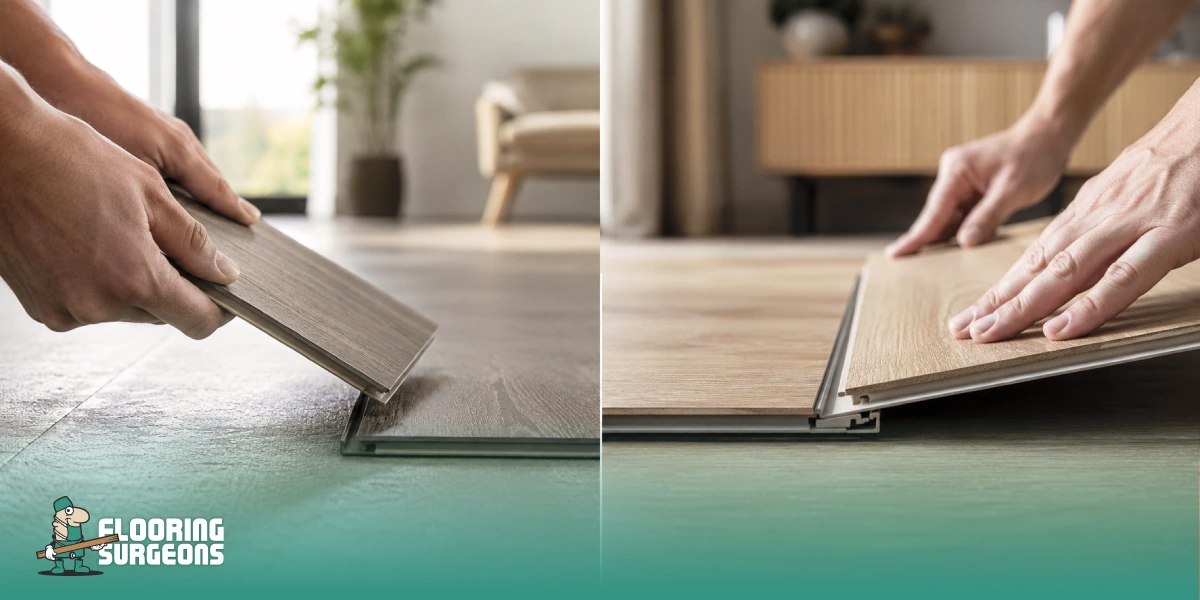
LVP is one of the most practical choices for wet-prone areas. It’s 100% waterproof at the plank level, meaning water can sit on top of the flooring and not seep into the material. Water can still enter through seams and the subfloor beneath (hence installation is important). But for kitchens, bathrooms, laundry rooms or basements, waterproof luxury vinyl flooring options offer you peace of mind without skimping on style. If you love the look of hardwood but don’t want to worry about moisture, check out waterproof Luxury Vinyl today to see how it can transform your space.
Waterproof Laminate Flooring
Traditional laminate and water were never a good combination. However, modern laminate flooring changed that by using a sealed core, usually SPC (stone plastic composite), that blocks moisture from reaching the subfloor, even if water gets through the seams. As a result, these newer floors are more durable underfoot than older laminate and hold up well in moderate-moisture environments. If you want the look of wood without the price tag of LVP, choosing laminate flooring is a practical, cost-effective solution that offers both style and moisture resistance.
Tile Flooring: The Traditional Moisture-Safe Choice
Ceramic and porcelain tile are the best flooring for wet areas. Tile itself does not absorb water. Grout lines are the enemy here, and as long as you seal them periodically, the threat is small. Tile will not buckle, swell, or develop mould on its own. It’s also the easiest floor to pair with in-floor moisture sensors, since the sensor wiring can run beneath the tile without affecting the surface. The tradeoff is comfort, tile is hard and cold underfoot, which makes it less appealing in living spaces.
Engineered Hardwood with Moisture Barriers
Solid hardwood and moisture don’t mix. Engineered hardwood is different. Because of its cross-ply design, it is much more dimensionally stable. It’s much less likely to swell or warp than solid wood when exposed to changing humidity levels. In combination with a high-quality moisture barrier underlayment, it can be used in kitchens and other above-grade areas where occasional water exposure can happen. It’s not waterproof, but it will perform far better than hardwood in these applications if installed properly. Keep in mind: If you live in a high-humidity climate or an area of your home prone to leaking, LVP or tile is always a better choice.
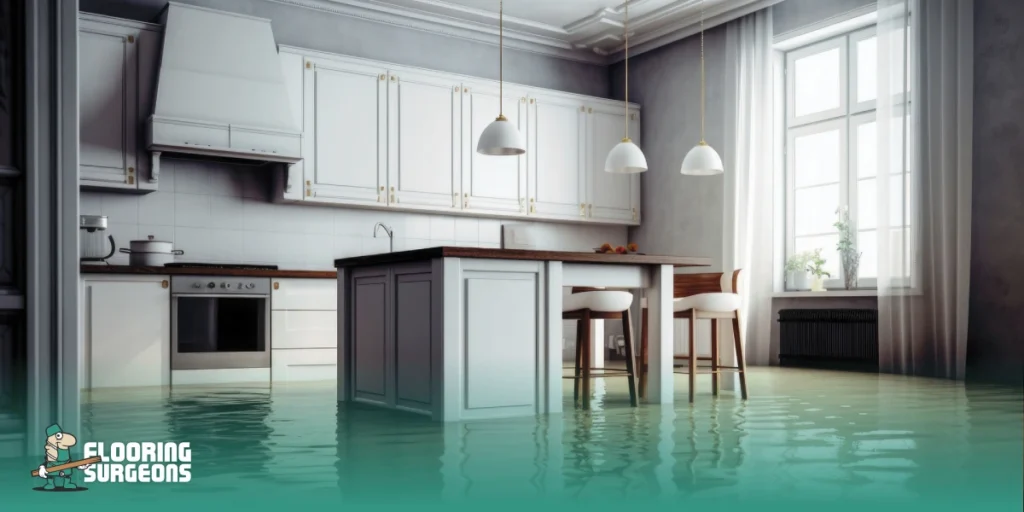
Smart Flooring Systems with Integrated Sensors
This is the most proactive option. Smart flooring systems embed moisture sensors directly into the underlayment or subfloor layer, sometimes across the entire floor area, not just at a single point. They monitor humidity and temperature continuously and push alerts to your phone the moment something changes. Some systems integrate with smart home platforms and can trigger automatic water shutoff valves. The upfront cost is higher, and installation is more involved. But for homeowners who’ve dealt with water damage flooring before, or who manage properties remotely, the peace of mind is hard to put a price on.
Signs Your Floor Is Already Showing Moisture Damage
These signs indicate more than just surface problems. If any are present, moisture has likely already reached the subfloor:
- Soft or spongy spots when you walk
- Warping or buckling along plank edges
- Cupping or crowning in wood floors
- Discolouration or dark staining near baseboards or appliances
- A musty smell that doesn’t go away after cleaning
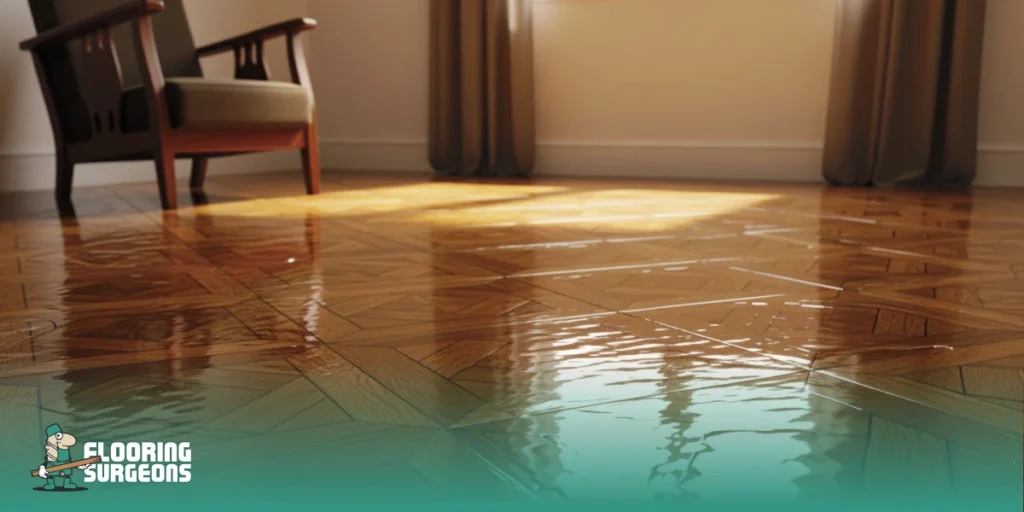
The longer you wait, the deeper the damage goes. If you’re already seeing surface stains, learn how to remove water stains from wood floors before they spread further.
Protect Your Investment Before the Damage Starts
The best time to deal with water damage is before it happens. Whether you’re renovating a bathroom, upgrading your kitchen, or just tired of worrying about the next leak, choosing the right floor makes all the difference. Waterproof options like luxury vinyl and tile give you peace of mind. Smart systems with moisture sensors take it a step further. At Flooring Surgeons, we help homeowners find flooring that fits their space and their risk level, not just their style. Browse our moisture-resistant and waterproof collections today, or contact us now for a personalised recommendation and take the first step toward worry-free floors.

Ana.Soltanpoor
I’m an SEO Specialist with a strong background in content management and organic search. I build data-driven content strategies by aligning user intent, search behavior, and SEO best practices to ensure every piece of content delivers clarity, relevance, and measurable organic performance.