


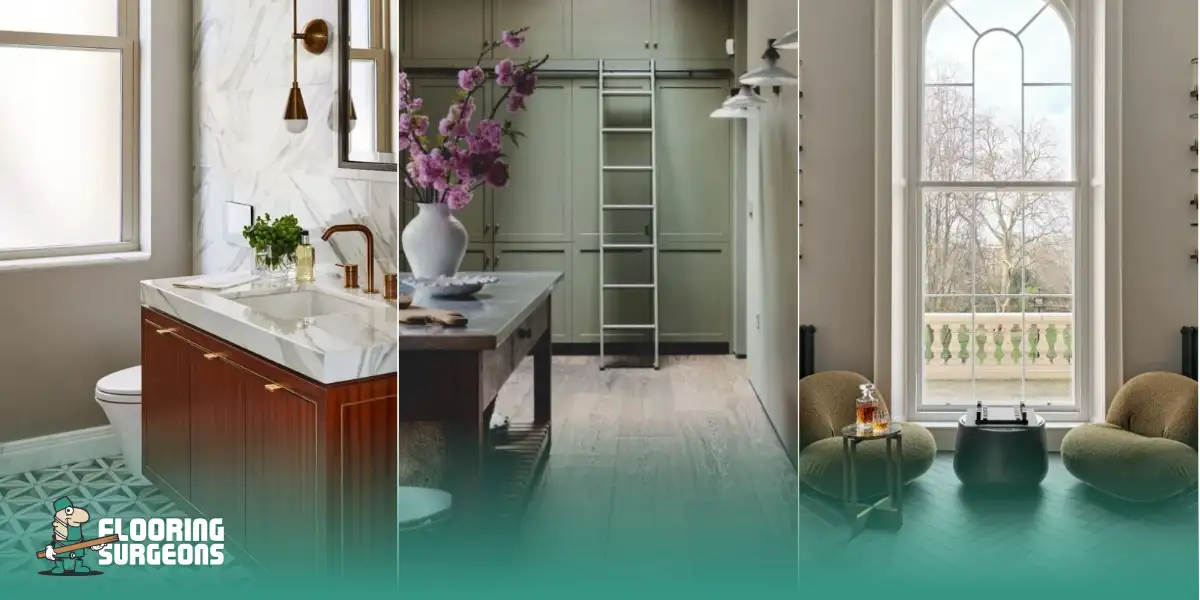
Interior design often feels more polished when a space includes materials that break away from the expected. While paint colours, furniture, and lighting all shape the mood of a room, the materials you choose can add the texture, depth, and contrast that make an interior feel more considered. Unexpected materials in interior design are especially effective because they bring personality without relying on overly decorative styling. In this guide, we’ll look at 10 unexpected materials that can elevate your interior design and help a room feel warmer, richer, and more visually interesting.
Table of contents
1. Cork for Warmth and Texture
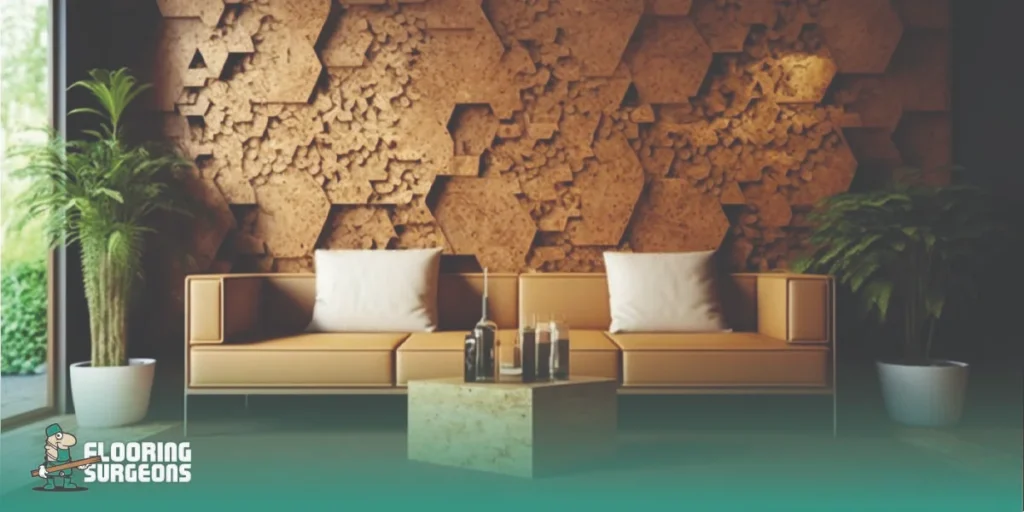
Cork is not a material people expect to see in a refined interior, which is exactly why it works. It adds a softer, more natural texture than many standard finishes and can make a room feel warmer straight away. In spaces that look too polished or flat, cork introduces a more relaxed layer without making the design feel heavy.
It is also useful in practical terms. Cork helps soften sound, so it suits bedrooms, home offices, reading corners, and other quieter parts of the home. A full cork scheme can feel too much, but a single wall, a panel detail, or a smaller feature is often enough. It works especially well with neutral colours, black accents, simple shapes, and natural materials when you want the room to feel calm and grounded.
2. Fluted Glass for Privacy and Light
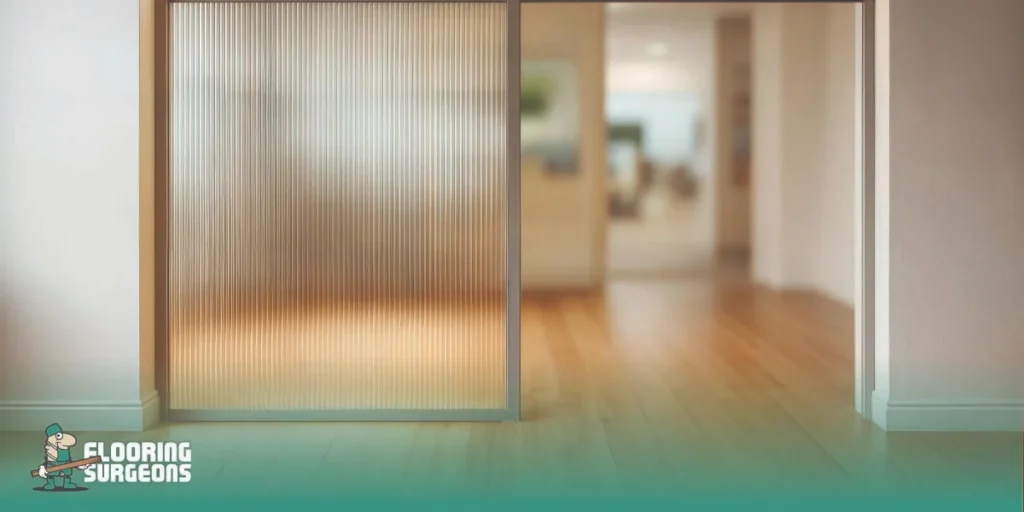
Fluted glass is a smart choice when a space needs more texture and detail without losing its sense of openness. It adds a softer layer than plain glass and can make a room feel more polished without drawing too much attention to itself. That balance is what makes it one of the more useful unexpected materials in interior design.
It works especially well on cabinet doors, room dividers, and internal doors because it gives a little privacy while still allowing light to move through the space. Fluted glass usually looks best when it is paired with simple finishes, warm wood tones, and Herringbone Flooring, especially in interiors that need subtle detail rather than strong contrast. Used well, it can make a room feel lighter, calmer, and more considered.
3. Limewash Walls for Soft Depth
Limewash is a good fit for interiors that need more depth without adding obvious pattern. The finish has a cloudy, lived-in quality that gives walls a softer look than standard paint, which is why it works so well in spaces that feel too flat or clean. Among unusual materials for interiors, it stands out because the effect is subtle but still noticeable.
It suits calm, layered schemes where texture matters more than sharp contrast. Limewash works especially well with natural fabrics, stone details, timber finishes, and simple shapes that let the surface speak for itself. In homes that lean towards warm minimalism or quieter, more organic design, it can make the whole room feel more relaxed and more visually complete.
4. Reclaimed Wood for Character and Warmth
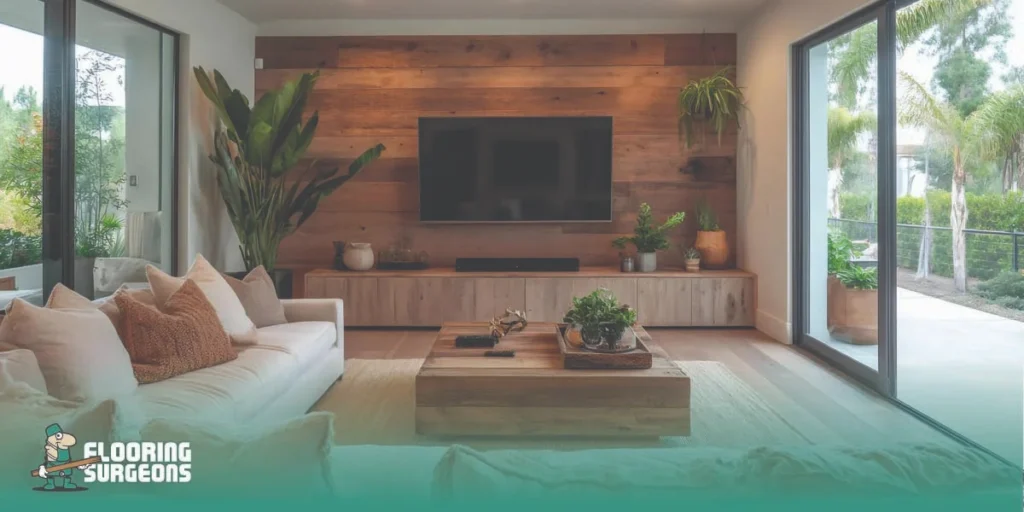
Reclaimed wood brings something that many newer finishes cannot: a sense of age, texture, and natural variation. That is what makes it so effective in interior design. It adds warmth, but it also gives a room more depth and personality, which helps a space feel less flat and less manufactured.
It works especially well in interiors that need a more grounded, lived-in look. A reclaimed wood wall, shelf, bench, or ceiling detail can introduce character without making the room feel overly rustic. This material also sits well alongside stone, linen, matte metal, and Oak Engineered Flooring, especially when the aim is to create a space that feels calm, layered, and more visually rich.
5. Burnished Brass for a Richer Finish
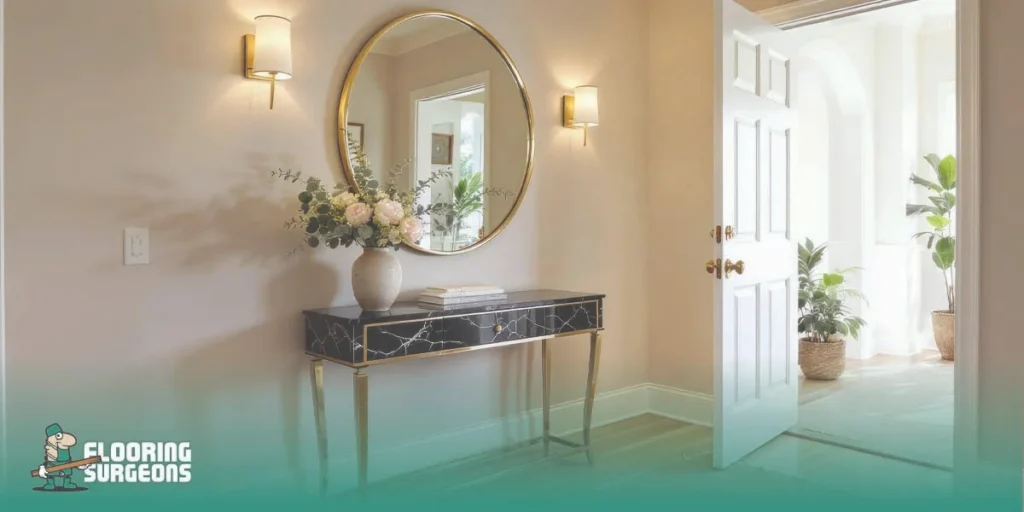
Burnished brass can lift a room in a way that feels subtle rather than flashy. Unlike brighter metallic finishes, it has more depth and softness, which makes it easier to use in everyday interiors. This is one reason it works so well as one of those statement materials for interiors that add interest without overpowering the space.
It is often most effective in smaller details such as handles, lighting, taps, mirror frames, or edging. Those touches can bring warmth and contrast, especially when the rest of the scheme is fairly simple. Burnished brass pairs particularly well with darker woods, stone surfaces, fluted glass, and quiet, neutral backdrops where the finish has room to stand out.
6. Terrazzo for Pattern and Movement
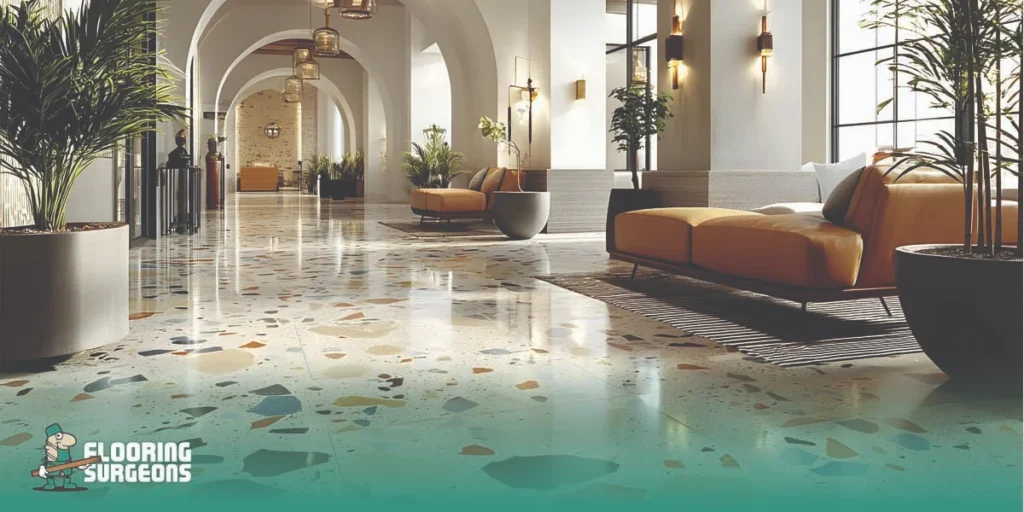
Terrazzo is a good option when a room needs more visual interest but not a loud or overly busy finish. Its mix of tones and fragments gives a surface natural movement, which can make a space feel more layered and more memorable. Among unique interior design materials, terrazzo stands out because it brings pattern in a way that still feels structured and refined.
It works especially well in bathrooms, kitchens, entryways, and smaller statement areas where one surface can do more of the design work. Terrazzo looks best when the rest of the palette is kept fairly controlled, so the material has room to stand out without competing with everything around it. Paired with simple cabinetry, soft neutrals, or Tile Effect Laminate Flooring, it can make an interior feel fresher and more design-led without losing balance.
7. Textured Stone for Quiet Luxury
Textured stone can make a room feel richer without relying on bold colour or obvious decoration. Unlike polished surfaces that sometimes feel too sleek, stone with a more natural finish brings depth, softness, and a stronger sense of material character. That is a big reason it works so well in interiors that aim for a quieter, more refined look.
It works best when used as a feature rather than repeated everywhere. A textured stone wall, fireplace surround, basin area, or tabletop can add weight and contrast in a very controlled way. In spaces built around neutral colours, natural fabrics, and simple forms, it helps create the kind of layered finish that feels calm, expensive, and easy to live with.
8. Backlit Stone for a Dramatic Focal Point
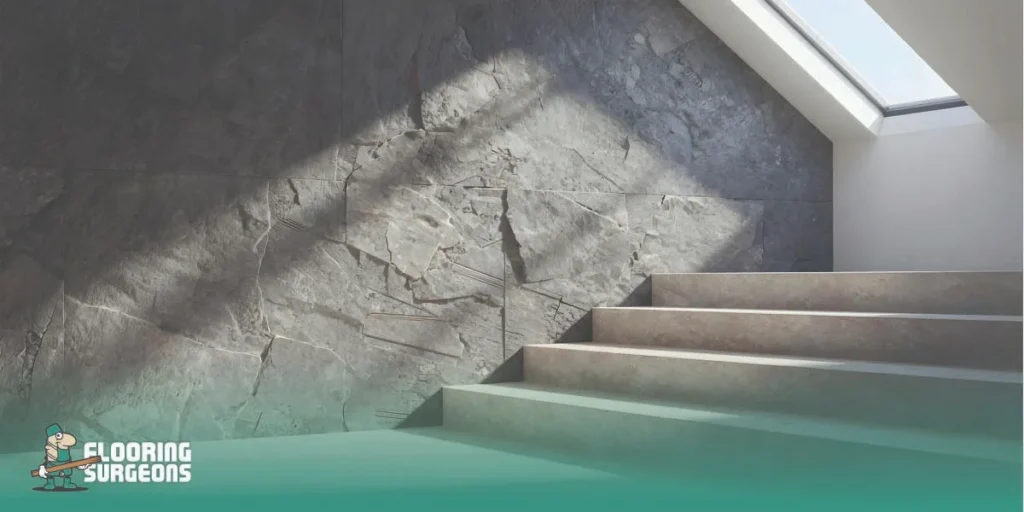
Backlit stone has a stronger visual impact than most finishes, but it can still feel elegant when it is used in the right place. The light brings out the natural pattern in the surface and gives the material a softer glow, which makes it feel more atmospheric than a standard stone feature. In interiors that need one standout element, it can add depth and drama without relying on colour.
It usually works best in smaller, controlled areas rather than across a whole room. A bar front, vanity wall, alcove, or statement panel is often enough to make the effect work. When the rest of the scheme is fairly simple, backlit stone can turn one section of the room into a real focal point while still keeping the overall design balanced.
9. Cane and Woven Panels for Natural Contrast
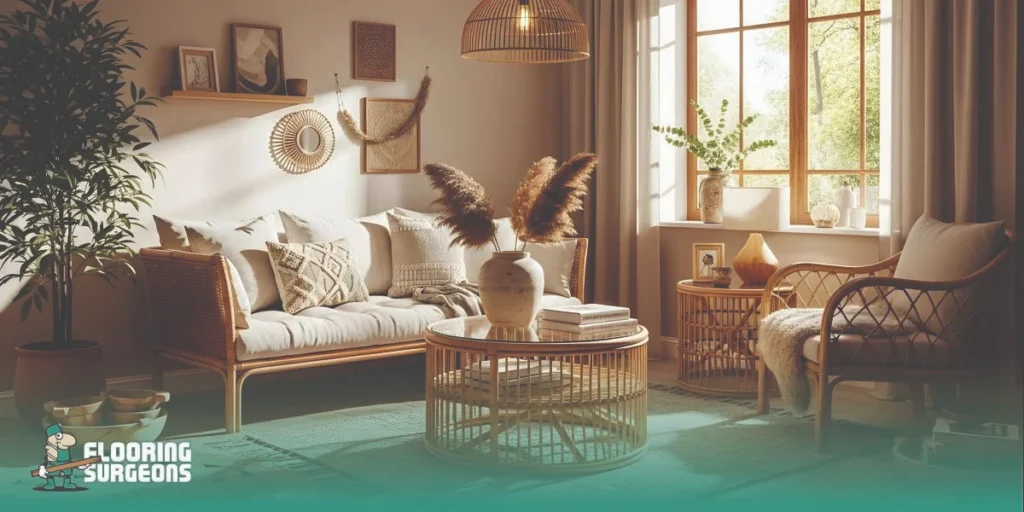
Cane and woven panels can soften a room that feels too solid or overly polished. They bring a lighter, more breathable texture into the space, which makes them useful in interiors that need warmth without extra heaviness. As unexpected materials in interior design, they work well because they add detail in a quieter and more relaxed way.
These finishes are often most effective on cabinet fronts, wardrobe doors, headboards, or small panel details where the texture can stand out without taking over the room. Cane pairs well with wood, linen, matte paint, and other natural surfaces, especially in homes where layering texture in interior design matters more than strong pattern or bold colour. Used carefully, it can make a scheme feel softer, warmer, and more lived-in.
10. Microcement for a Seamless Look
Microcement works well in interiors that need a cleaner and more continuous finish. Because it can be used across walls, floors, and built-in surfaces, it helps a room feel more connected and less broken up. That makes it especially useful in modern spaces where simplicity matters, but the design still needs texture and material depth.
It tends to look best in calm, pared-back schemes where the surface can speak for itself. Bathrooms, kitchens, and smaller rooms often benefit from it because the seamless effect can make the space feel more open. Paired with warm woods, soft lighting, and clean, contemporary flooring, microcement can bring a subtle edge to a room without making it feel cold or unfinished.
Quick Comparison of Unexpected Materials in Interior Design
| Material | Best Quality | Works Best In | Overall Effect |
| Cork | Warmth and softness | Bedrooms, home offices, reading corners | Calm and grounded |
| Fluted Glass | Privacy with light flow | Cabinet doors, dividers, internal doors | Light and refined |
| Limewash | Soft depth | Living rooms, bedrooms, hallways | Relaxed and layered |
| Reclaimed Wood | Character and texture | Feature walls, shelving, ceiling details | Warm and lived-in |
| Burnished Brass | Subtle contrast | Lighting, handles, taps, trim details | Rich and polished |
| Terrazzo | Pattern and movement | Bathrooms, kitchens, entryways | Playful but structured |
| Textured Stone | Material depth | Fireplaces, walls, basins, tabletops | Quiet luxury |
| Backlit Stone | Strong focal point | Vanity areas, bars, alcoves, statement panels | Dramatic and elegant |
| Cane and Woven Panels | Natural contrast | Wardrobes, headboards, cabinet fronts | Soft and organic |
| Microcement | Seamless finish | Bathrooms, kitchens, modern small spaces | Clean and contemporary |
Final Thoughts
The right materials can change the feel of a room more than many people expect. A finish with texture, warmth, or contrast can make a space look more layered, more personal, and far less generic. The key is not to use too many statement surfaces at once, but to choose one or two that bring real character and let the rest of the scheme support them.

Ana.Soltanpoor
I’m an SEO Specialist with a strong background in content management and organic search. I build data-driven content strategies by aligning user intent, search behavior, and SEO best practices to ensure every piece of content delivers clarity, relevance, and measurable organic performance.