

So, what flooring was used in the 1940s—and how can you bring that vibe back? Back then, wartime shortages meant folks went with whatever worked: hardwood in the living room, sturdy linoleum for the kitchen, some early vinyl showing up by the end of the decade, and plain ceramic tiles in the bathroom. These floors weren’t about showing off. They just felt solid, cozy, and built for real life. In this guide, you’ll get a room-by-room look at what people actually used in 1940’s Interior Design, why they made those choices, and how you can pull off that same timeless style today—without giving up modern comfort or durability.
Table of contents
What Flooring Was Most Common in the 1940s?
In many 1940s homes, hardwood was the most common choice in living rooms, bedrooms, and hallways because it felt warm and could be refinished over time. Kitchens typically used linoleum, valued for durability and easy cleaning—often in simple patterns like checkerboard designs. By the late 1940s, vinyl flooring began appearing as postwar manufacturing expanded. Bathrooms most commonly featured ceramic tile in soft, practical colors. Together, these materials shaped 1940s interior design flooring, balancing comfort, function, and long-term wear—an influence that still shows up in vintage-inspired renovations today.
How World War II Shaped 1940s Home Flooring Materials
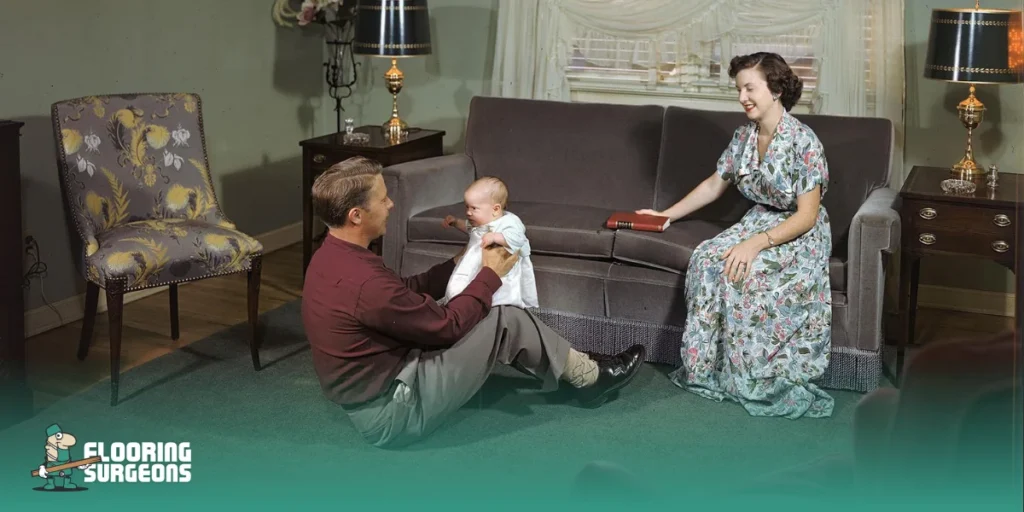
World War II changed the way people floored their homes in the 1940s. With resources tight and factories focused on the war effort, folks had to get practical about what went under their feet. Hardwood stuck around if you could get it, but linoleum really took off. It was tough, easy to clean, and just made sense when money and materials were short. After the war, factories shifted gears and started cranking out new products like early vinyl flooring—suddenly, homes had more moisture-resistant options. The mix of wartime shortages and postwar inventions gave 1940s interior design flooring their own unique style.
Popular 1940s Floor Colors, Patterns, and Layout Styles
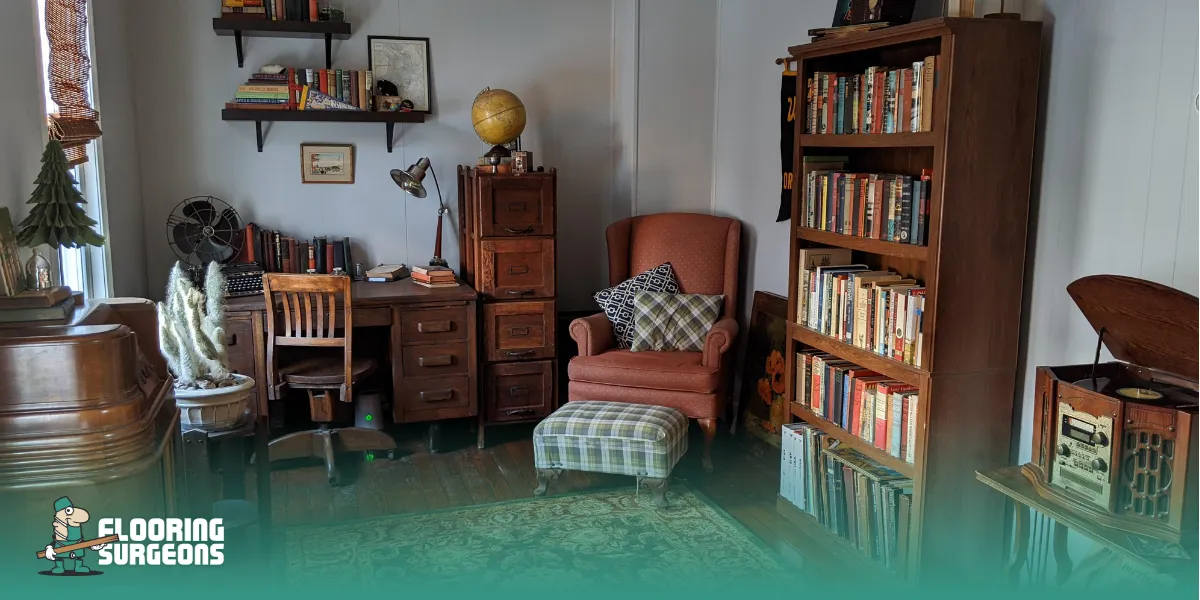
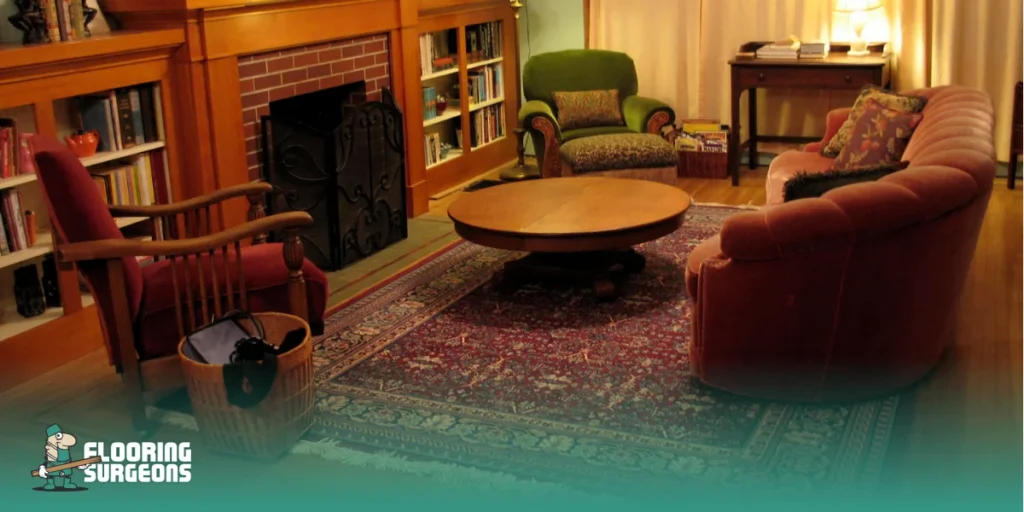
Floor design in the 1940s felt inviting—nothing flashy, just a quiet, easy charm. People leaned into natural wood like oak or maple, especially in living rooms and bedrooms. It brought a kind of cozy warmth that made the space feel lived in.
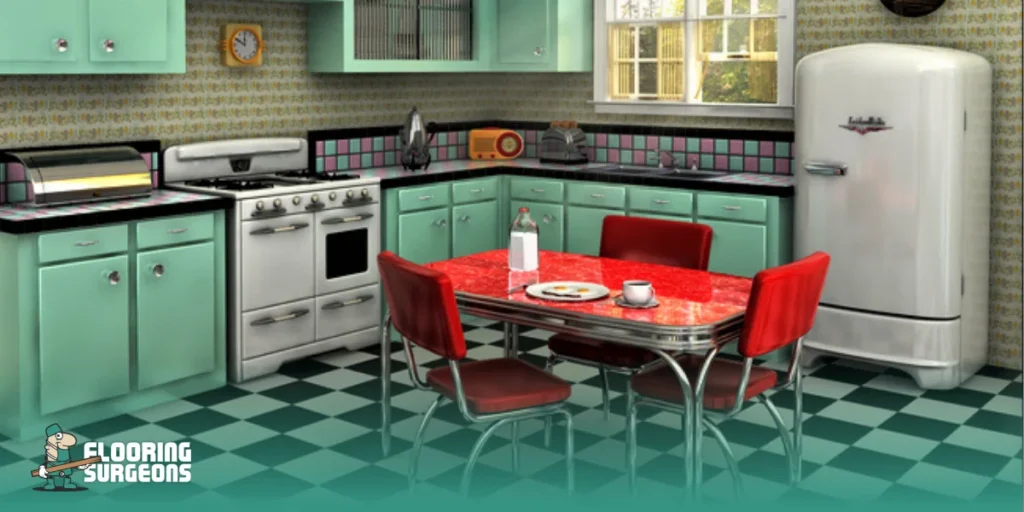
Kitchens always have checkerboard linoleum. It’s bold, it’s crisp, and honestly, it’s a breeze to clean. That high-contrast look gave the room energy without overdoing it.
Bathrooms went a softer route. Picture pastel ceramic tiles—nothing too loud, just gentle colors that kept things calm and practical, which really fit the mood after the war.
You’d also spot some subtle geometric patterns or maybe a simple border along the edges. Just enough to keep things interesting, but not so much that it took over the whole room. People liked things straightforward, with little touches of style where it counted.
Comparing 1940s Floors with Modern Flooring Alternatives
Bringing back the feel of a 1940s home isn’t as tough as it used to be. You don’t have to hunt down old, worn-out materials anymore. These days, modern flooring options do a great job capturing that vintage charm—warmth, style, and all the little details—without the headaches of old-fashioned upkeep. The trick is to pick floors that keep the spirit of the era alive, but also give you better durability, resist moisture, and hold up for years in a busy home.
Preserving the Look of Solid Wood with Modern Construction
Back in the 1940s, hardwood floors set the tone for a lot of interiors—especially in living rooms, hallways, and bedrooms. They added warmth, and honestly, they lasted forever. These days, you can still get that same, genuine wood look. Go for solid wood flooring if you want the real deal, or try engineered wood flooring for something a bit more stable. Both options let you keep those classic wood grain patterns, but they hold up better to the demands of modern life.
If you’re not sure which one fits your home best, see What is the Difference Between Solid Wood and Engineered Wood Flooring?
Decorative Wood Patterns Inspired by Vintage Craftsmanship
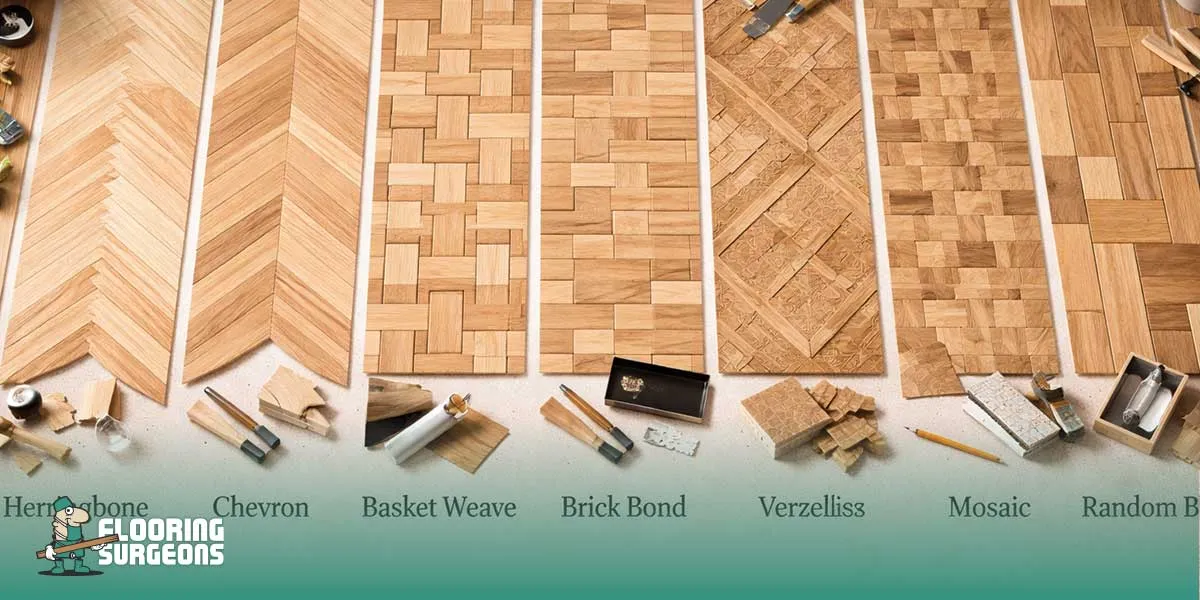
There’s more to old-school wood floors than just straight boards. Upscale homes from the ’40s often used geometric designs—think patterns that gave the room a little movement without being too flashy. Today’s parquet and herringbone flooring keep this tradition alive. They bring in that vintage vibe, but with the kind of precision and quality that makes installation smoother for modern homes.
Resilient Flooring Options That Replicate Linoleum Style
Back in the 1940s, kitchens and utility rooms leaned on linoleum because it was cheap and easy to keep clean. These days, real linoleum isn’t as popular, but newer luxury vinyl flooring options—like LVT and SPC—pull off the same look. They handle water a lot better, stand up to wear, and honestly just make more sense for everyday life. If you want that vintage vibe without the hassle, modern vinyl is the way to go. For a deeper breakdown of what actually performs best in busy kitchens, check out What is the Best Flooring for Kitchens?
How to Recreate a True 1940s Flooring Style in Modern Homes
Bringing back a real 1940s flooring vibe isn’t about tracking down exact old materials. It’s more about picking modern floors that capture the look and feel—think warmth, practicality, and using the right style for each room. When you match surfaces thoughtfully, you keep that vintage charm, but you also get the perks of today’s tough, easy-care options.
| Room | Authentic 1940s Flooring | Modern Way to Recreate the Look |
| Living room & hallways | Natural hardwood planks | Stable wood construction with classic grain appearance |
| Kitchen | Checkerboard linoleum | Moisture-resistant resilient flooring with retro patterns |
| Bathroom | Pastel ceramic tile | Water-resistant tile or modern resilient alternatives |
| Bedrooms | Simple wood flooring | Warm wood-look surfaces with improved durability |
Choosing materials this way keeps the spirit of 1940s interior design flooring intact while ensuring the performance expected in modern homes.
Wrapping Up: Bringing 1940s Flooring Into Modern Homes
Flooring from the 1940s had a certain charm—sturdy, straightforward, and warm. That vibe still draws people in. When you want to capture that vintage look today, you don’t have to sacrifice comfort or durability. Modern materials let you keep the classic style and still stand up to the messiness of real life.
At Flooring Surgeons, you’ll find floors that blend old-school appeal with today’s strength and coziness. Once you land on the right option for your place, you’re set. You get a genuine 1940s feel with all the perks of a modern home.

Ana.Soltanpoor
I’m an SEO Specialist with a strong background in content management and organic search. I build data-driven content strategies by aligning user intent, search behavior, and SEO best practices to ensure every piece of content delivers clarity, relevance, and measurable organic performance.