

Choosing the right flooring is a big decision, and many homeowners ask, are slate floors good? The short answer is yes—slate flooring can be an excellent choice if it fits your lifestyle, budget, and space. Slate is durable, naturally slip-resistant, and visually timeless. However, it also comes with higher costs, a colder surface, and specific maintenance needs.
In this guide, we break everything down clearly. You’ll learn where slate flooring works best, where it doesn’t, how it compares to other materials, and whether it’s the right long-term investment for your home.
Table of contents
Are slate floors good?
Slate flooring has been used for centuries, and for good reason. It’s a natural stone that offers strength, texture, and character that many modern materials struggle to replicate. That said, understanding where slate excels and where it struggles is key before deciding.
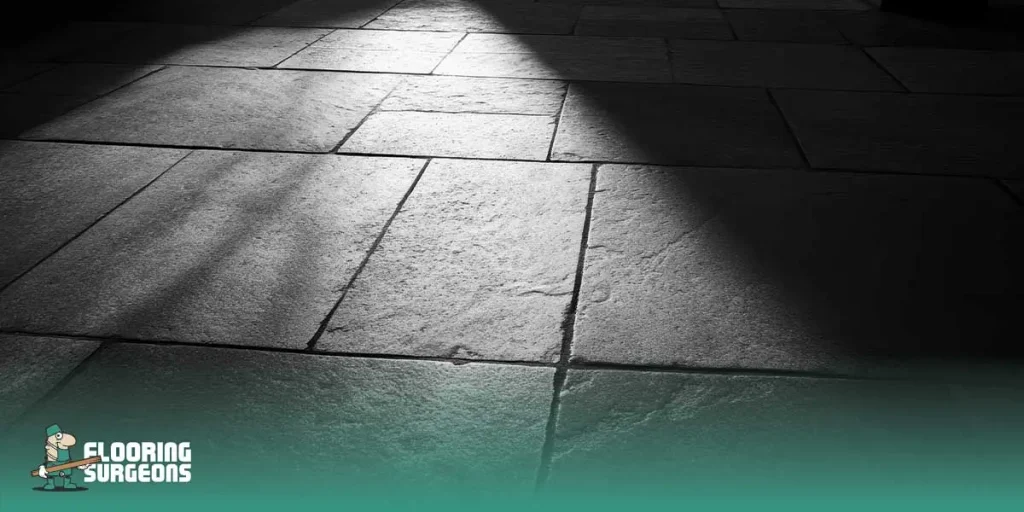
Pros and Cons of Slate Flooring
Slate flooring offers clear strengths, but it’s not without compromises. Understanding both sides helps set realistic expectations.
Advantages of Slate Floors
Slate flooring offers a combination of natural beauty and long-term performance that makes it a popular choice for many homeowners. As a natural stone, slate brings an organic, timeless look that cannot be fully replicated by manufactured materials. Beyond its appearance, slate is valued for its strength, safety, and ability to perform well in demanding environments such as kitchens, hallways, and bathrooms.
Understanding the main advantages of slate floors helps clarify why this material continues to be used in both traditional and modern homes.
Natural appearance and design versatility
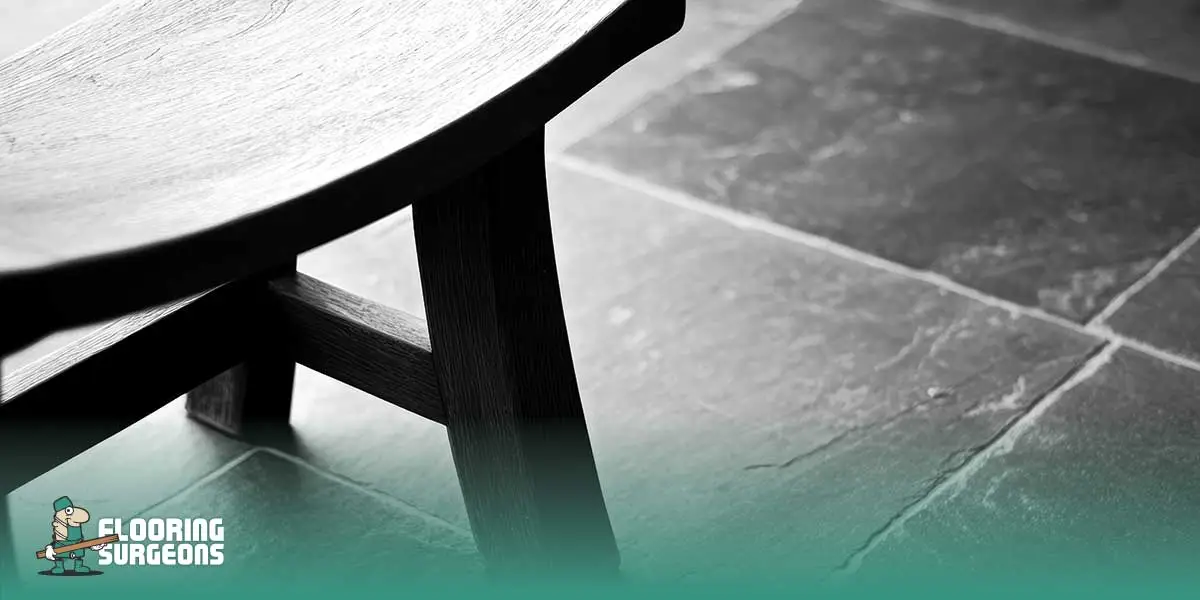
Each slate tile is unique. Variations in color, texture, and veining give floors depth and character. Slate works well in rustic, modern, and traditional interiors.
Slip resistance and moisture resistance
Slate’s textured surface provides excellent grip, even when wet. This makes it suitable for bathrooms, kitchens, and entryways where moisture is common.
These advantages make slate appealing, but they come with trade-offs.
Disadvantages of Slate Floors
While slate flooring offers many benefits, it is not without its drawbacks. Like all natural stone materials, slate comes with specific limitations that should be carefully considered before installation. Understanding these disadvantages helps homeowners avoid unexpected costs, comfort issues, or maintenance challenges in the long run. Being aware of where slate may fall short is just as important as knowing its strengths.
Cost, installation complexity, and maintenance needs
Slate is more expensive than ceramic tiles and requires skilled installation. Poor installation can lead to cracking or uneven surfaces.
Cold surface and comfort considerations
Slate retains cold, especially in winter. Without underfloor heating or rugs, it may feel uncomfortable in living areas. Understanding these pros and cons naturally leads to durability questions.

Are slate floors durable?
Durability is one of slate’s biggest selling points. But it depends on the quality of the stone and the installation.
Are slate floors durable in high-traffic areas
Yes, are slate floors durable in high-traffic areas is often asked, and high-quality slate performs very well. It resists scratches and wear better than many alternatives, making it suitable for hallways and kitchens.
Longevity vs. cracking: what really affects durability
While slate lasts decades, cracking can occur if the subfloor isn’t thoroughly prepared. Thickness, tile grade, and professional fitting all directly affect lifespan.
Now let’s focus on one of the most common installation areas.
Are slate floors good for kitchens?
Many homeowners specifically ask, are slate floors good for kitchens? In most cases, yes—but with some caveats.
Water, stains, and heat resistance in kitchens
Slate naturally resists water and heat. When sealed properly, it also resists stains from spills, making it well-suited for busy kitchens.
Cleaning and maintenance expectations for kitchen use
Routine sweeping and occasional mopping are enough. Resealing every few years keeps the surface protected and looking its best.
When slate flooring is NOT recommended for kitchens
Slate may not be ideal if you want a warmer, softer surface underfoot or if heavy objects are frequently dropped. In those cases, alternatives like cheap solid wood flooring may feel more forgiving.
Next, let’s talk about long-term care options.
Maintenance, Repair, and Restoration of Slate Floors
Slate flooring is considered relatively low-maintenance compared to materials like wood, but its repair and restoration options are more limited. Regular sweeping and mopping are usually sufficient to keep the surface clean, while periodic sealing helps protect the stone from stains and moisture absorption.
Unlike wooden floors, slate cannot be sanded, as sanding damages the stone’s natural texture and surface. This is a common misconception which can permanently affect the appearance of the tiles. Slate also cannot be refinished in the same way as timber flooring. Instead, maintenance and restoration typically involve deep cleaning, resealing, and replacing individual damaged tiles when necessary.
Although slate floors can technically be painted, this is rarely recommended. Paint reduces the natural slip resistance of the stone and tends to wear or peel over time, especially in high-traffic or moisture-prone areas. For these reasons, preserving slate in its natural form is usually the most practical and durable approach. These limitations in restoration and modification are important to consider when comparing slate with other flooring types.
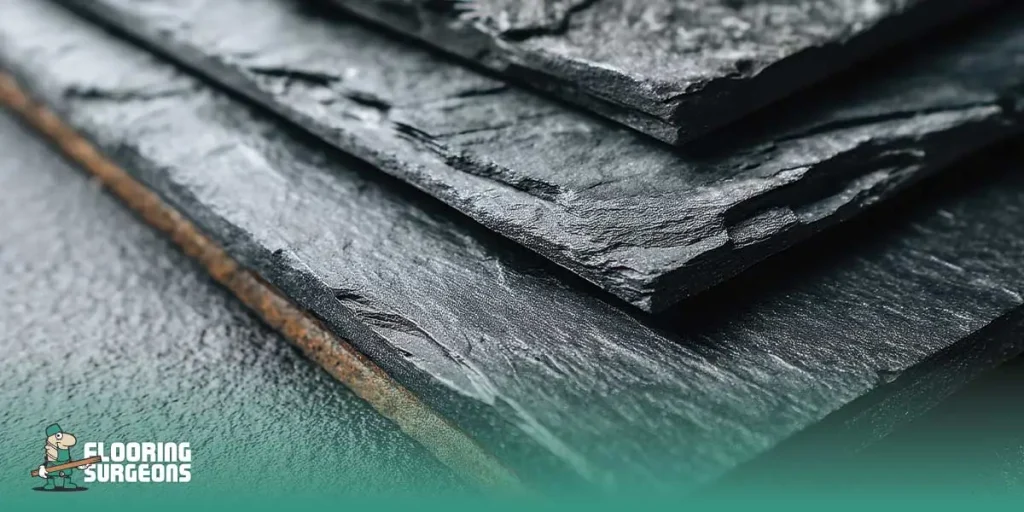
Slate Floors vs Other Flooring Options
Understanding alternatives helps clarify whether slate fits your needs.
Slate vs ceramic tile
Ceramic tiles are cheaper and easier to install. However, slate offers better durability and a more natural appearance.
Slate vs porcelain tile
Porcelain is highly durable and lower maintenance. Slate wins on texture and uniqueness but requires more care.
Slate vs hardwood flooring
Hardwood feels warmer and can be restored multiple times. If you’re considering restoration, you may find this guide helpful: Is It Worth Restoring Old Wooden Floors in Period UK Homes? Slate outperforms wood in moisture-heavy environments but lacks warmth. Now, let’s summarize who Slate is really for.
Who Should Choose Slate Flooring (and Who Shouldn’t)
Slate is not a one-size-fits-all solution.
Best use cases for slate flooring
- Kitchens and utility rooms
- Bathrooms and entrances
- Homes prioritizing durability and natural materials
Situations where slate floors are not a good idea
- Bedrooms and living rooms without heating
- Homes with uneven subfloors
- Budgets focused on low upfront cost
If you need help choosing flooring, Flooring Surgeons is ready to offer you free advice on the best flooring ideas for your space, tailored to your budget and space.
Final Verdict: Are slate floors good for your home?
So, are slate floors good? Yes, if you want a long-lasting, natural, and slip-resistant floor and are prepared for higher installation costs and a firmer, colder surface.
Slate is ideal for kitchens, hallways, and moisture-prone areas. It’s less suitable where warmth and softness matter most. When chosen for the right space and installed professionally, slate flooring remains a durable and stylish investment for decades.

Mina Asgari
I’m an SEO Specialist and Content Strategist focused on sustainable business growth. I design data-driven content strategies by deeply analyzing user intent, search behavior, and SEO best practices, ensuring every piece of content serves a clear purpose for both users and search engines.