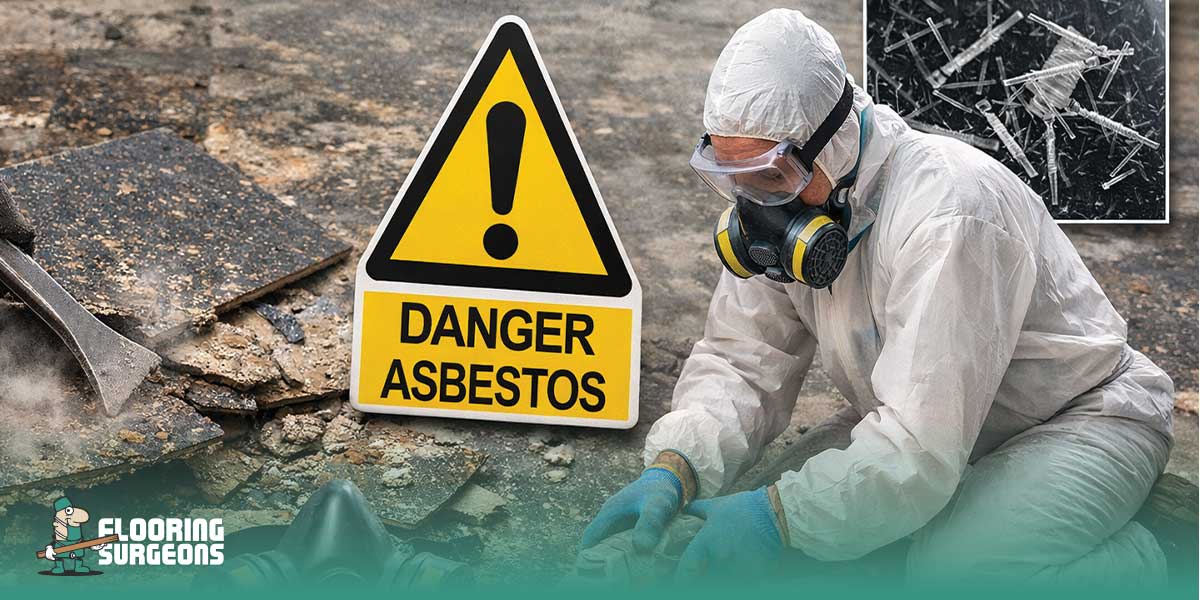


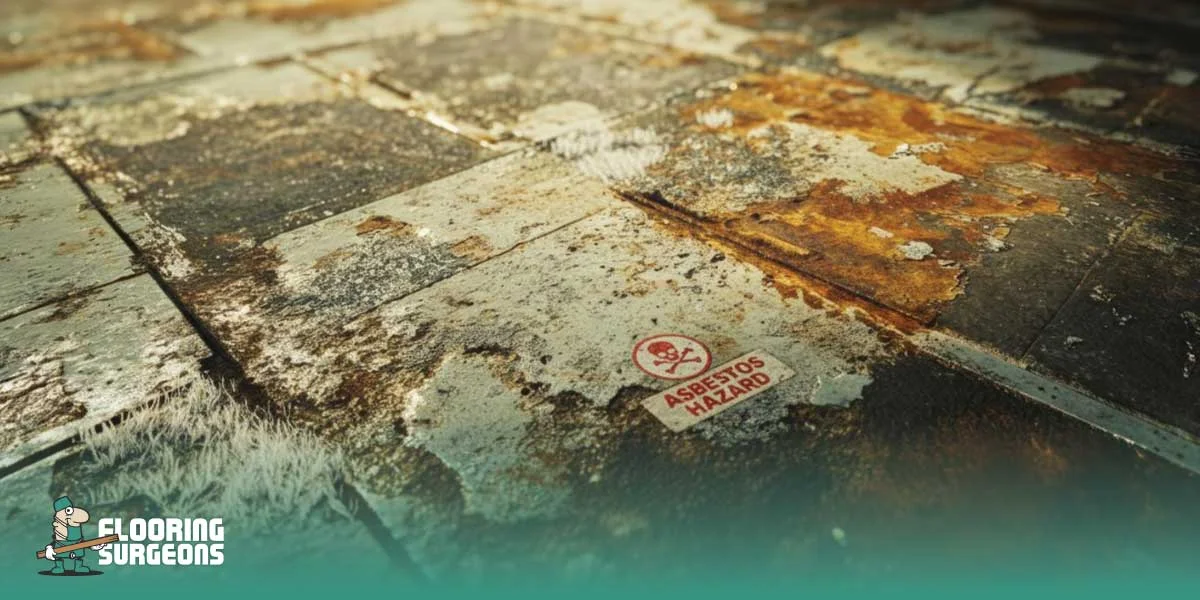
Finding asbestos in the basement is more common than many homeowners expect, especially in houses built before the 1980s. In older construction, asbestos was frequently used in flooring materials because of its strength, heat resistance, and durability.
Basements were particularly suitable for these materials since flooring needed to withstand moisture, heavy storage, and temperature changes. As a result, many older homes still contain asbestos tiles in the basement or adhesive layers with asbestos fibers beneath the floor surface.
Today, homeowners often discover these materials when renovating or upgrading to modern options such as laminate flooring wood. During these upgrades, old flooring layers may be exposed, revealing materials that were installed decades ago. Understanding why asbestos was used in flooring, where it appears in basement floors, and how to deal with it safely is essential before starting any renovation project.
Table of contents
Why Asbestos Was Widely Used in Flooring
To understand why asbestos appears so often in basement floors, it helps to look at how flooring materials were designed in the past. From the 1920s to the late 1970s, asbestos fibers were added to many flooring products to improve performance. These fibers reinforced flooring materials and helped them resist wear and damage.
In flooring systems, asbestos provided several key benefits:
- Increased durability for high-traffic areas
- Resistance to moisture and humidity
- Fire protection for structural materials
- Improved insulation for concrete floors
- Longer lifespan compared to traditional flooring
Because basements often experience moisture and temperature fluctuations, asbestos-reinforced flooring became a practical solution for builders. This is why many homes still contain asbestos in basement floor layers today.
Where Asbestos Appears in Basement Flooring Systems
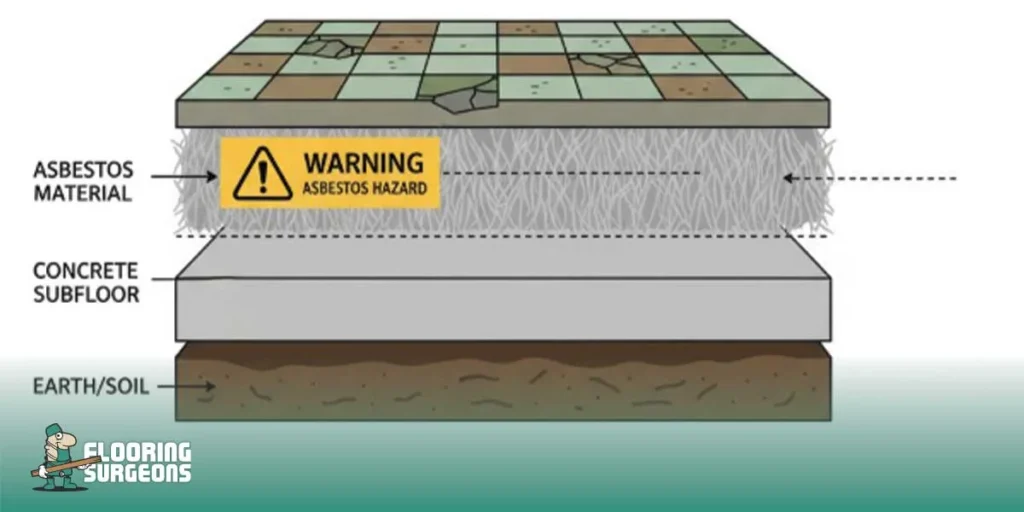
When discussing asbestos in basements, the flooring structure is usually the most important place to examine. Basement flooring often consists of several layers, and asbestos may appear in more than one of them.
Floor Tiles
One of the most recognizable materials is asbestos tiles in the basement. These tiles were commonly manufactured in sizes such as 9×9 inches and installed directly over concrete basement floors.
The tiles were durable, affordable, and easy to maintain, which made them popular in residential basements. Even today, many older basements still have these tiles intact beneath newer flooring layers.
Adhesive Layers Beneath Flooring
Another hidden location is the adhesive used to install the tiles. Many older flooring systems used black mastic adhesive that could contain asbestos fibers.
When homeowners remove flooring without realizing this layer exists, they may accidentally expose asbestos-containing materials. For example, a homeowner removing old vinyl flooring may discover a black adhesive layer attached to the concrete slab. In some cases, that adhesive contains asbestos and requires professional testing.
Subfloor and Structural Layers
In certain homes, asbestos fibers were also added to cement-based floor underlayment materials. These layers helped strengthen the floor structure and improve moisture resistance.
Because basements sit directly on concrete foundations, these reinforcement materials helped prevent cracking and floor damage over time. Although less common, this can still contribute to asbestos in basement floor systems.
Can Asbestos Also Be Found in Basement Walls?
Although flooring is the most common location, some basements also contain asbestos in basement walls. This typically occurs in older cement boards, insulation panels, or fire-resistant construction materials.
However, compared with flooring materials, wall applications were less widespread in residential basements. For homeowners investigating asbestos risks, flooring layers remain the most important area to inspect first.
Signs Your Basement Flooring May Contain Asbestos
Because asbestos fibers are microscopic, they cannot be confirmed through visual inspection alone. However, several clues can suggest the presence of asbestos in basement flooring.
Common signs include:
- Old 9×9 vinyl tiles
- Black adhesive under tiles
- Flooring installed before 1980
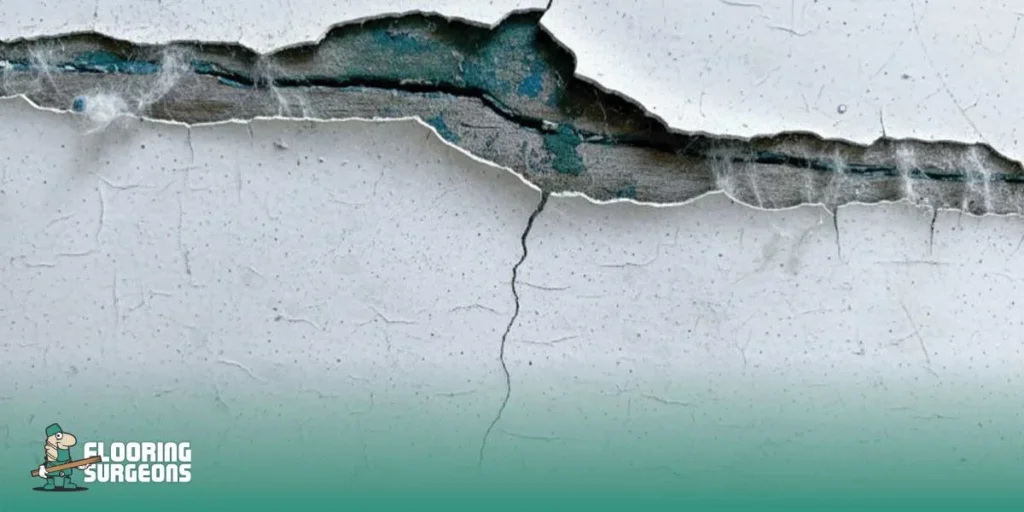
- Brittle or cracked basement tiles
- Multiple flooring layers stacked over time
Homeowners renovating older properties often encounter these materials when replacing flooring types. During renovation research, many people also ask questions like does parquet flooring have asbestos, especially when evaluating other vintage floor styles. Understanding the age and type of flooring in your home helps determine whether professional testing is necessary.
Basement Flooring Layers That May Contain Asbestos
| Flooring Layer | Possible Asbestos Material | Why It Was Used | Risk Level |
| Surface tiles | Vinyl asbestos tiles | Durability and water resistance | Medium |
| Adhesive layer | Black mastic glue | Strong bonding and stability | Medium |
| Underlayment | Cement fiber board | Structural reinforcement | Low–Medium |
| Pipe insulation near floors | Insulated wrap | Heat protection | Higher if damaged |
This layered structure explains why asbestos can remain hidden beneath newer flooring installations.
What To Do If You Discover Asbestos Flooring
If you suspect asbestos in basement flooring, the safest approach is to avoid disturbing the material. Cutting, sanding, or breaking flooring materials can release asbestos fibers into the air. These airborne fibers can remain suspended and become hazardous if inhaled.
Instead, follow these steps:
- Stop renovation work immediately
- Avoid vacuuming or sweeping damaged tiles
- Contact a certified asbestos testing professional
- Wait for laboratory analysis before proceeding
Professional testing is the only reliable way to confirm asbestos in flooring materials.
Safe Flooring Renovation Options
Once testing confirms whether asbestos is present, homeowners can safely plan basement upgrades.
There are two common solutions:
Encapsulation: Sealing the asbestos material beneath new flooring layers.
Professional Removal: Removing asbestos materials using specialized safety procedures.
After proper treatment, homeowners can safely install modern flooring options, including moisture-resistant systems such as Laminate Flooring For Bathroom, which are increasingly used in finished basements.
Professional Flooring Assessment Matters
Because basement flooring often includes several hidden layers, professional evaluation can prevent costly mistakes during renovation.
A flooring expert can identify older materials, determine whether testing is required, and recommend safe installation methods for new flooring systems. This is why many homeowners consult Flooring surgeons before replacing basement flooring in older properties. Professional guidance helps ensure both safety and long-term flooring performance.
Conclusion
The presence of asbestos in the basement is often closely connected to older flooring systems. In many homes built before the 1980s, builders used asbestos to strengthen flooring materials and improve moisture resistance.
As a result, homeowners may still encounter asbestos tiles in the basement, adhesive layers, or other materials containing asbestos within basement flooring structures. In some cases, additional materials such as asbestos in basement walls may also exist, but flooring remains the most common location.
Before beginning any basement renovation, it is essential to understand the structure of your flooring system and test older materials when necessary. With the right precautions and professional support, homeowners can safely upgrade their basements while protecting both their property and their health.

Mina Asgari
I’m an SEO Specialist and Content Strategist focused on sustainable business growth. I design data-driven content strategies by deeply analyzing user intent, search behavior, and SEO best practices, ensuring every piece of content serves a clear purpose for both users and search engines.