


Creating a healthier home starts from the ground up. Choosing allergy friendly flooring plays a major role in reducing indoor allergens, improving air quality, and supporting the well-being of anyone dealing with allergies or asthma. With the right flooring choices, you can dramatically limit dust, pollen, pet dander, mold, and VOCs—making your home safer, cleaner, and more comfortable.
Before exploring each option, let’s look at what truly matters when selecting flooring for sensitive individuals.
Table of contents
Why Flooring Matters for Allergy Sufferers?
Your flooring is one of the largest surfaces in your home, and it often becomes a collection point for dust mites, dander, and irritants. Smooth, low-emission, easy-to-clean flooring materials significantly reduce allergen build-up. This is why choosing the best flooring for allergies and asthma is essential for long-term health and comfort.
To guide your decision, the following sections break down the most effective hypoallergenic materials, their benefits, and how they compare.

What is the best flooring for allergy sufferers?
When choosing the best flooring for allergy sufferers, the goal is to create a living environment that minimizes dust, mold, pollen, and chemical emissions. The ideal surface should be smooth, low-maintenance, and resistant to moisture—qualities that help reduce irritation for anyone with allergies or asthma. Options like hardwood, tile, bamboo, luxury vinyl, and cork are among the best flooring for allergies and asthma, offering excellent indoor air quality and easy cleaning routines.
Selecting the best hypoallergenic flooring also means paying attention to VOC levels, durability, and how well the surface resists’ allergen build-up over time. These features work together to provide a healthier home foundation, especially for families seeking long-term comfort and clean air.
With these essentials in mind, let’s explore the most effective allergy-friendly materials—beginning with one of the most trusted and timeless choices.
1. Hardwood Flooring: A Reliable Hypoallergenic Classic
Hardwood is often considered the best hypoallergenic flooring, thanks to its smooth surface and minimal dust retention. Unlike carpets, hardwood does not trap allergens and is easy to maintain with regular sweeping or dry mopping. Low-VOC finishes further improve indoor air quality, making hardwood a strong long-term solution.
It also offers excellent durability and timeless aesthetics—a combination many homeowners appreciate. When comparing pricing options, it’s helpful to consider alternatives as well, such as reviewing luxury vinyl flooring prices to understand how hardwood fits into the wider market.
Smooth transitions from one flooring type to another help explore additional eco-friendly and allergy-safe options.
2. Bamboo & Cork Flooring: Sustainable and Allergy-Safe
Bamboo and cork offer two of the most sustainable flooring choices available today. Both materials naturally resist mold, mildew, and dust accumulation.
Bamboo Benefits
- Fast-growing, eco-friendly
- Hard, smooth, easy to clean
- Low emission levels when sourced from reputable manufacturers
Cork Benefits
- Naturally antimicrobial
- Soft underfoot
- Excellent thermal and acoustic insulation
For budget-minded homeowners comparing affordability, exploring cheap engineered flooring provides a useful perspective on cost differences while still maintaining hypoallergenic qualities.
With these solutions covered, the next category offers even stronger resistance to moisture and allergens.
3. Tile & Stone Flooring: The Easiest to Keep Allergen-Free
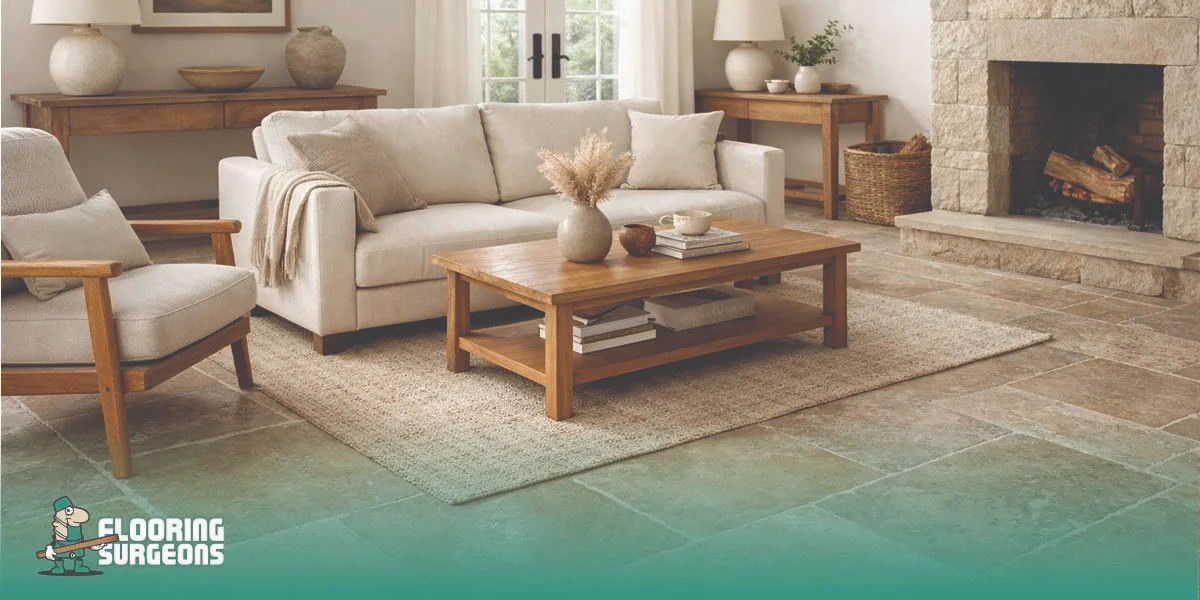
Tile and stone are among the most allergy-resistant flooring materials available. Their non-porous surfaces prevent dust, pollen, and dander from settling. They are also ideal for moisture-prone areas, helping eliminate mold growth—a major trigger for respiratory issues.
Their lifespan is exceptional, and maintenance is minimal, making them a dependable choice for households prioritizing hygiene and indoor air quality.
As we transition from natural to synthetic options, vinyl becomes an impressive contender.
4. Luxury Vinyl Flooring: Durable, Low-VOC, and Easy to Maintain
Modern luxury vinyl offers strong hypoallergenic benefits. High-quality vinyl has:
- Non-porous surfaces
- Low VOC emissions
- Strong resistance to moisture and mold
- A soft walking feel
- Realistic wood and stone designs
Because of its practicality and wide design range, luxury vinyl is one of the best floorings for allergy sufferers who want peace of mind without sacrificing style. Many families with young children also look for flooring guidance, which is why resources like blog: best flooring for babies can support decision-making while keeping health at the forefront.
Next, let’s move to laminate, another option that mirrors wood aesthetics while offering easy maintenance.
5. Laminate Flooring: Budget-Friendly and Hypoallergenic
Laminate floors feature smooth, sealed surfaces that don’t trap allergens. They are affordable, easy to clean, and available in countless designs. However, buyers should check VOC certifications and avoid moisture exposure, which can affect performance over time.
Laminate can still serve as an effective choice for allergy-prone homes, especially when installed with proper underlay and ventilation.
With laminate discussed, another natural material offers additional health advantages.
6. Linoleum & Marmoleum: Natural, Non-Toxic, and Allergen-Resistant
Made from linseed oil, jute, resins, and wood flour, linoleum is biodegradable and naturally hygienic. Marmoleum, its modern version, is antibacterial and extremely durable. Both options provide:
- Low VOC emissions
- Smooth, allergen-resistant surfaces
- Eco-friendly sourcing
These attributes make linoleum a smart option for homeowners seeking both sustainability and allergy relief.
Now, let’s cover flooring choices that allergy sufferers should avoid.
Allergy-Triggering Flooring Types to Avoid
Certain materials worsen allergy symptoms and decrease indoor air quality. The most problematic include:
Carpeting
- Traps dust, mites, pet dander, pollen
- Difficult to clean deeply
- Holds moisture → mold growth
Area Rugs & Mats
- Collect allergens easily
- Release particles when walked on
- Require constant washing and vacuuming
Natural Fibre Flooring (e.g., sisal, jute)
- Retains moisture
- Harbors dust and spores
- Not suitable for highly sensitive individuals
To help readers discover additional expert insights during research, one can explore sources like Flooring surgeons, though only a single reference is included as required.
With problem floors identified, supporting habits help reinforce an allergy-safe home.

Tips for Creating an Allergy-Proof Home
Regardless of which flooring you choose, these habits amplify your results:
- Vacuum regularly using a HEPA filter
- Use an air purifier to trap airborne irritants
- Clean bedding weekly to remove dust mites
- Keep pets out of bedrooms
- Maintain low indoor humidity to prevent mold
- Choose low-VOC cleaners and finishes
Consistent upkeep helps every hypoallergenic flooring choice perform at its best.
Final Thoughts
Improving indoor air quality begins with selecting the best flooring for allergies and asthma and understanding which materials perform best under real-world conditions. From hardwood and bamboo to tile, vinyl, linoleum, and more, every allergy-friendly surface contributes to a safer and healthier home. With mindful choices and proper maintenance, you can dramatically reduce allergens and enjoy a cleaner environment year-round.

Mina Asgari
I’m an SEO Specialist and Content Strategist focused on sustainable business growth. I design data-driven content strategies by deeply analyzing user intent, search behavior, and SEO best practices, ensuring every piece of content serves a clear purpose for both users and search engines.