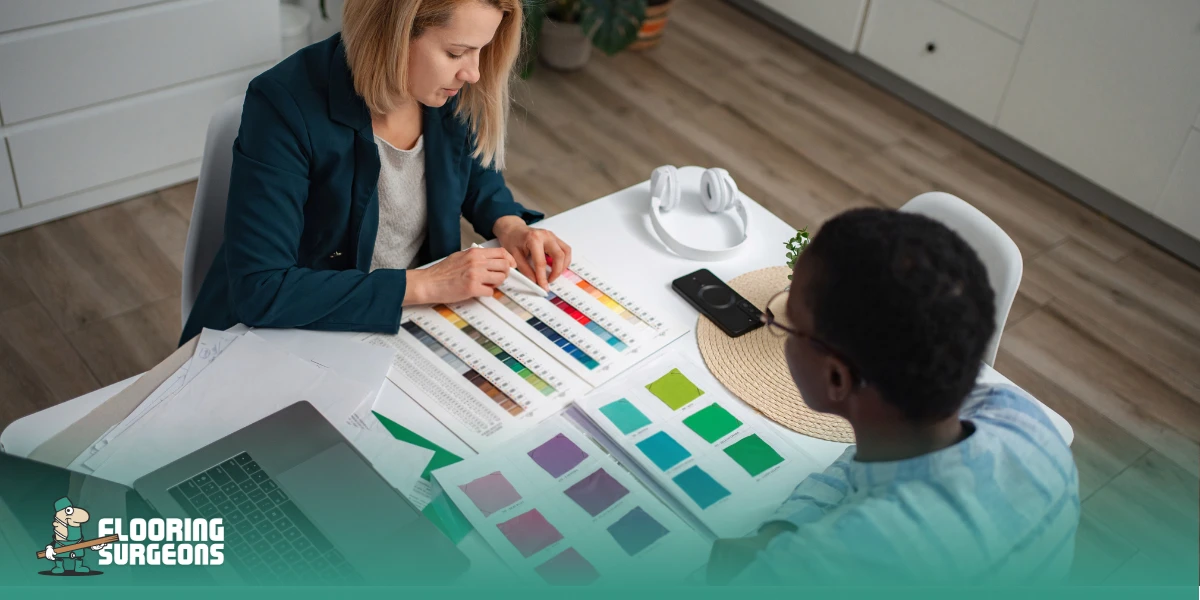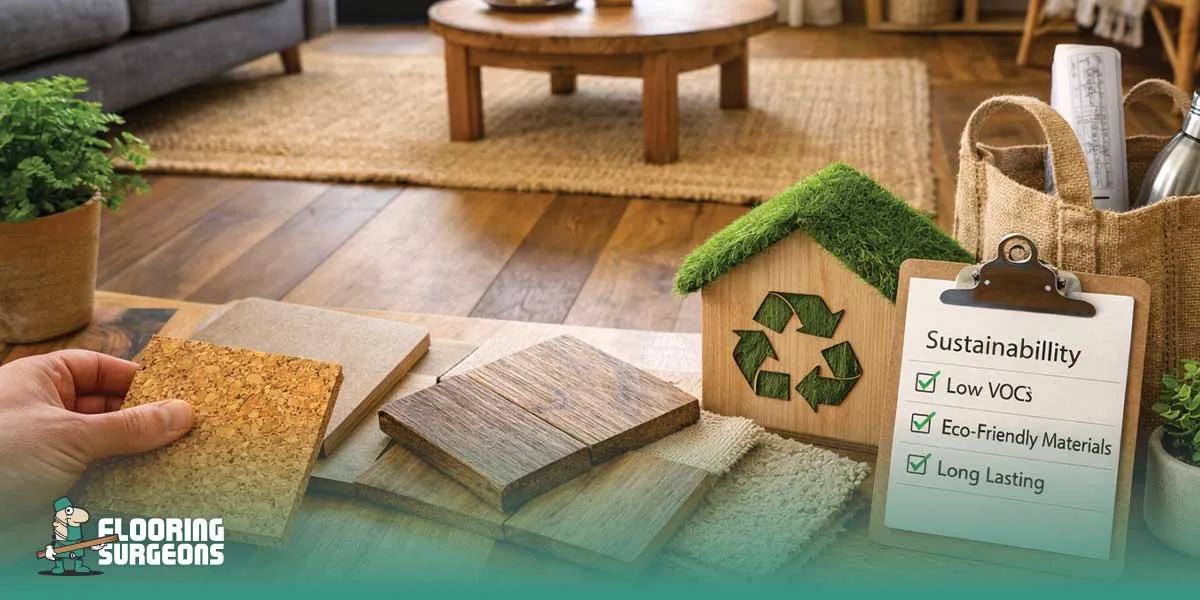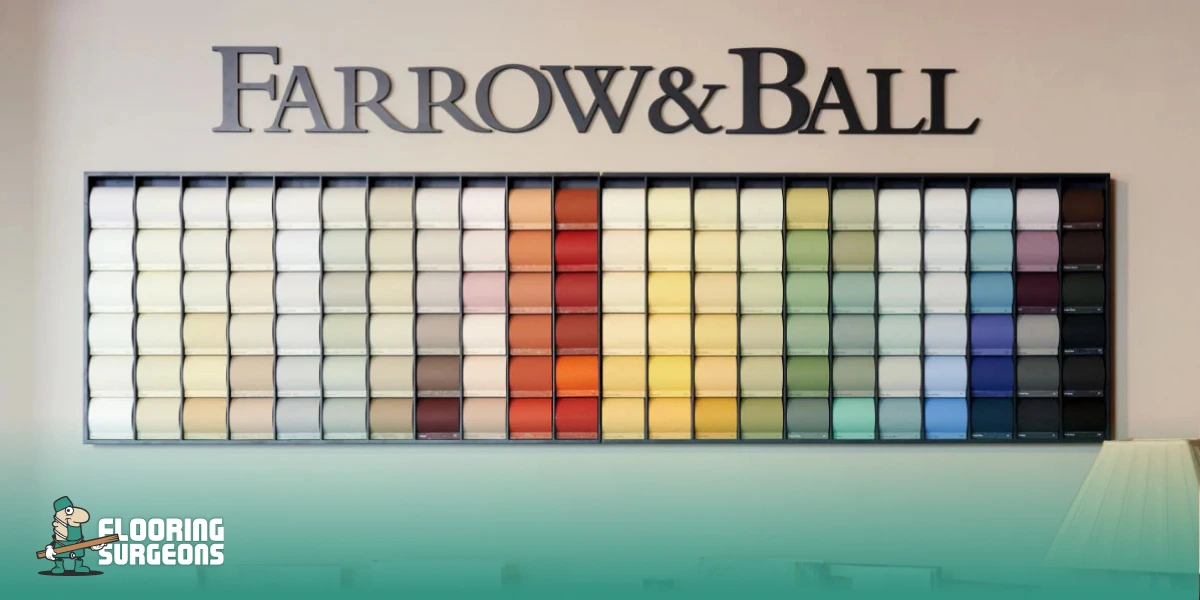


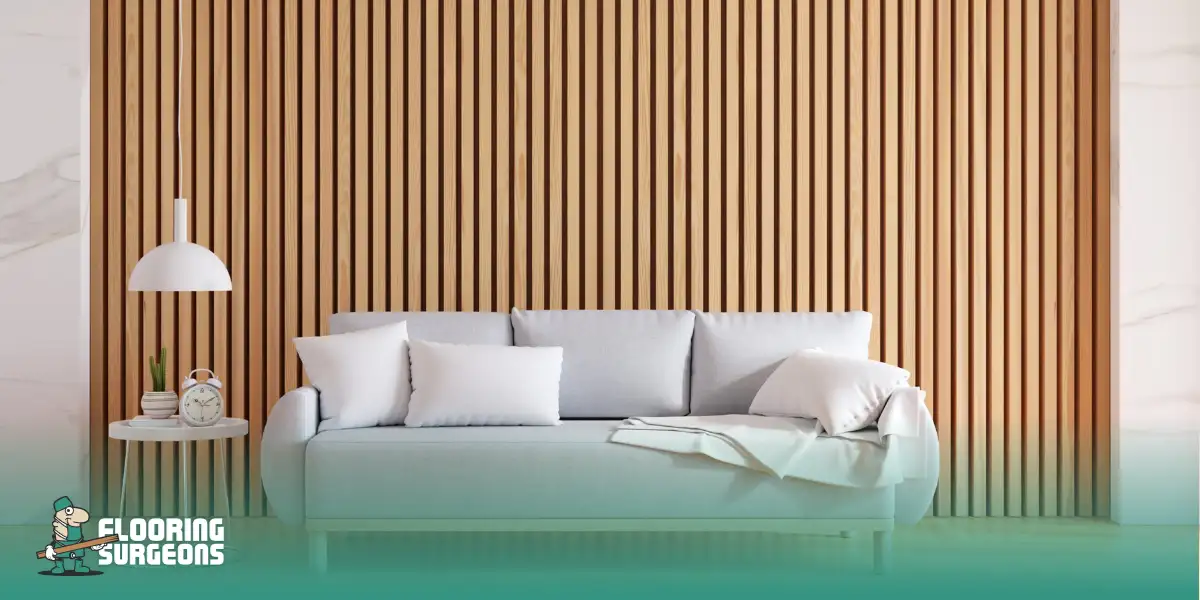
A lot of people are sick of plain painted walls and want something that looks different and lasts longer. That’s why a lot of people are now asking, “Can flooring be used on walls?” Even though it can appear unusual at first, using wood, vinyl, and laminate vertically can work quite nicely.
They may drastically alter a room’s atmosphere, are easier to clean, and withstand regular use better than paint. Naturally, not every style of flooring is appropriate for every area. We’ll discuss what works, what doesn’t, and how to utilize flooring on walls without being overdone in this tutorial.

Table of contents
Why Choose Flooring for Your Walls?
These days, flooring is more than just something you use beneath your feet. To give a room a little more personality, many homeowners are beginning to install vinyl and laminate flooring on their walls. It provides the room a completed, modern look and usually holds up far better over time than paint or wallpaper.
Practicality is another reason why this concept appeals to individuals. Walls deal with wetness, spills, and everyday wear in spaces like kitchens and bathrooms. Flooring materials tolerate those circumstances better, stay looking clean longer, and don’t need much effort to maintain. You receive a long-lasting surface instead of worrying about flaking paint or ruined wallpaper.
Which Flooring Types Work Best on Walls?
To make it easier to see which flooring works best on walls, here’s a simple comparison of the most common materials.
| Material | Moisture Resistance | Durability | Maintenance | Best Rooms | Notes |
| Vinyl | Excellent | High | Very easy | Kitchen, Bathroom, Laundry | Lightweight, easy to cut and install |
| Laminate | Good | High | Easy | Living Room, Bedroom, Hallway | Can handle occasional moisture but not constant wetness |
| Wood (Engineered or Solid) | Low to Moderate | Very High | Moderate | Living Room, Dining Room | Needs sealing; avoid in bathrooms |
| Floor Paint / Floor Coatings | High | Medium | Easy | Basement, Utility Rooms | Can be applied over existing walls for a smooth finish |
Top Benefits of Using Flooring on Walls
Although applying laminate or vinyl to walls may seem strange at first, the benefits soon become apparent. These materials are great for kitchens and bathrooms, which get a lot of use and are often steamy. They can handle bumps, splashes, and everyday use without getting damaged. Unlike paint or wallpaper, which can peel or stain, they are easy to clean with a fast wipe.
They can also handle moisture, which protects your walls and makes your finish last longer. Understanding the cost of luxury vinyl flooring helps explain why it frequently makes sense over time due to its longevity and easy maintenance, even though the initial cost may appear larger.
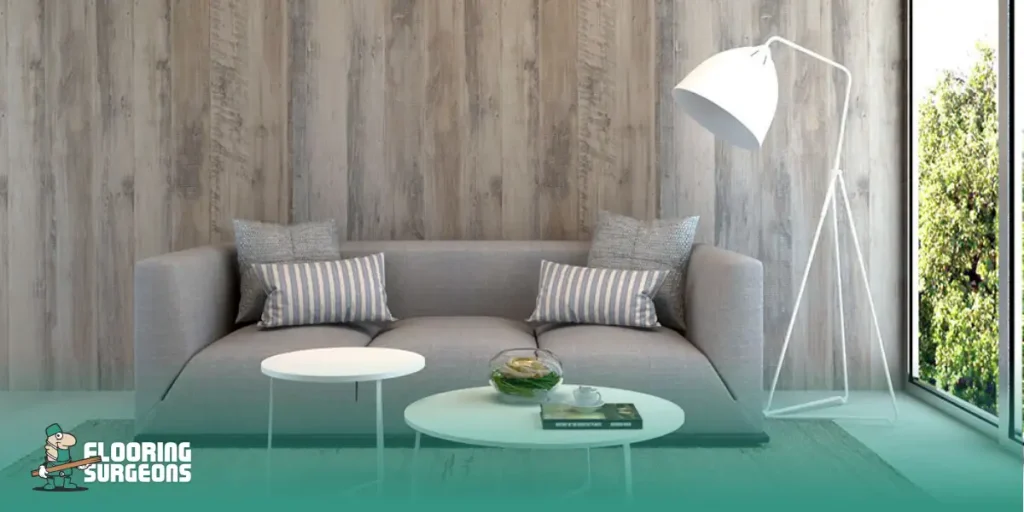
Step-by-Step Guide to Install Flooring on Walls
If you’re wondering how to utilize flooring on walls, here’s a brief instruction to get you started.
Step 1: Get the wall ready
Dust, oil, and anything else that might keep the boards from adhering should be completely removed from the wall. To make the boards sit flat, smooth down any lumps or rough regions.
Step 2: Take measurements and cut
Take accurate measurements, then cut your planks to fit. Verify each piece twice before proceeding, using a utility knife for vinyl and a saw for laminate.
Step 3: Use glue
Select an adhesive that is appropriate for the type of flooring you have. To provide a long-lasting hold, spread it as directed by the manufacturer.
Step 4: Install the planks
Press each plank into position starting at the bottom. Keep edges tight and straight, and take your time – precise placement makes a great difference in the final design.
Step 5: Complete the edges
For a finished look, add trim or a tiny caulk bead around the corners. Let the adhesive dry completely before touching the wall.
And that’s it. It’s not as difficult as you may think, and you’ll have a wall that looks brand new.
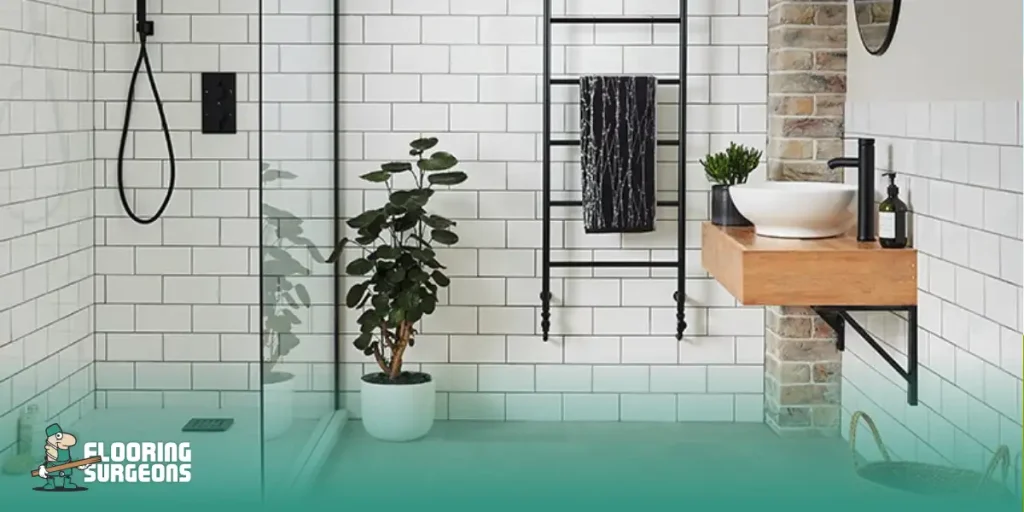
Creative Ways to Use Flooring for Stunning Wall Designs
Flooring isn’t just for the floor; wall flooring, such as laminate and vinyl, may drastically alter a space’s atmosphere.
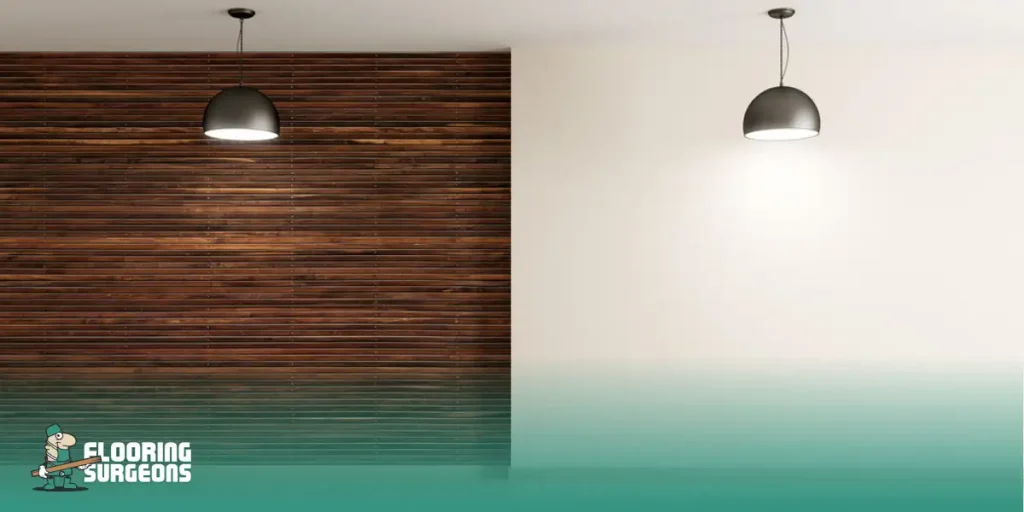
- Take a look at a feature wall. Choose a wall and use flooring planks to cover it. The whole place suddenly feels braver, a little more alive.
- In the kitchen, swap out the conventional backsplash for vinyl or laminate. It looks crisp, wipes down fast, and makes things feel fresh again.
- Bathrooms are also brightened. Put flooring panels on the walls, and you have a sleek, futuristic design that handles dampness without blinking.
- Remember your hallway or entryway. For additional warmth and texture, cover the walls with flooring materials. It simply seems welcoming as soon as you come in.
This blog post, “Can I Have Different Flooring in Different Rooms?” delves more into the topic of how flooring options operate across your home, which is something you might be considering if you’re looking at bold wall ideas.
Easy Maintenance Tips for Long-Lasting Flooring Walls
Follow these simple steps to keep your vinyl or laminate flooring walls looking great:
- If you find dust or a spill, just grab a wet cloth and wipe it up. It’s easy and quick. Use soap and water that isn’t too strong. Strong cleansers merely wear down the finish.
- Check the borders and seams of these walls in bathrooms or anywhere else that gets steamy to make sure water doesn’t seep in where it shouldn’t.
- Corner guards keep your furniture from getting a lot of dings and scratches in high-traffic areas. Yes, laminate can withstand some water, but it’s usually better to keep things dry.
Final Thoughts: Enhance Your Space with Flooring Walls
You can add flooring on your walls if you want. It may sound crazy, but vinyl and laminate really do look great up there. They’re not just pretty; they’re also tough, easy to clean, and they make the whole room feel different right away. Don’t use ordinary paint or wallpaper. Try something that truly catches the eye.
If you want it done right, Flooring Surgeons know their stuff and can walk you through the whole process.

Ana.Soltanpoor
I’m an SEO Specialist with a strong background in content management and organic search. I build data-driven content strategies by aligning user intent, search behavior, and SEO best practices to ensure every piece of content delivers clarity, relevance, and measurable organic performance.