


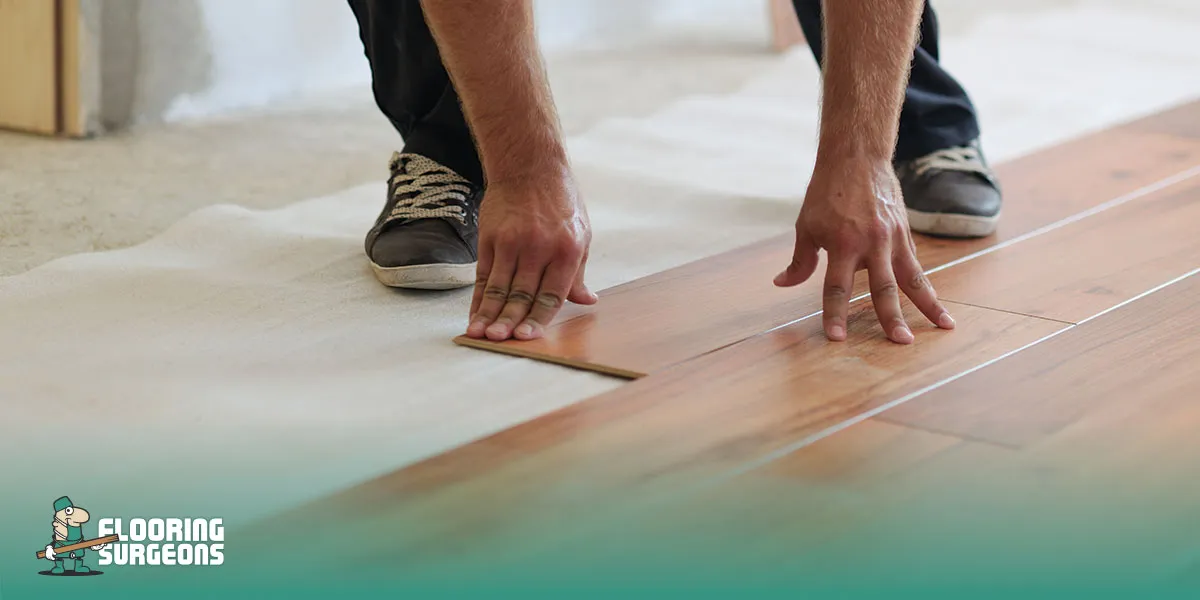
Renting a house or apartment is an exciting step, but it often comes with its own set of rules and limitations, especially when it comes to making changes. One of the most frequent questions tenants ask is, “Can you change flooring in a rented house?” Whether you’re dreaming of upgrading your floors or just curious about your options, this guide will help you understand the rules, explore creative alternatives, and provide practical tips for renters who want to make their space feel more like home all while staying within the boundaries set by your landlord.
Table of contents
Do You Need Permission to Change the Flooring in a Rental?
In most cases, the short answer is yes – you can change the flooring in your rental property, but it typically requires permission from your landlord. If you’re wondering, “Can I change the flooring in my apartment?”, the specifics will be outlined in your lease agreement, so it’s important to read the fine print. If the agreement does not mention alterations to the flooring, it’s always a good idea to approach your landlord for written consent.
Getting written consent is crucial to avoid any misunderstandings down the line. It will clarify who is responsible for costs and whether you need to restore the original flooring when moving out.
Financial and Legal Considerations
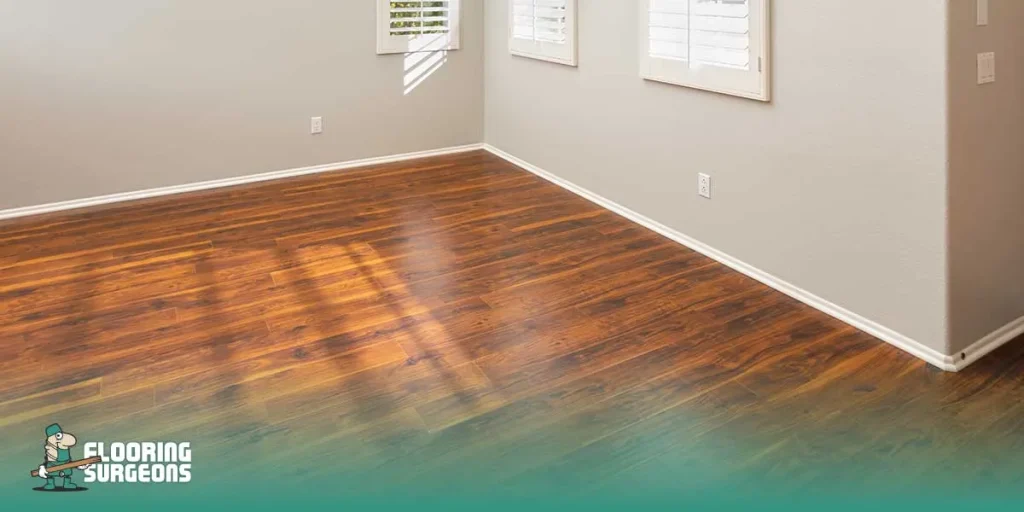
When replacing flooring in a rented property, you may find that the financial responsibility largely falls on you, the tenant. If the landlord agrees to let you change the flooring, you’ll typically be expected to bear the cost of materials and installation. That said, some landlords may cover part or all of the costs, so it’s always worth discussing.
If you’re wondering, “Can you change flooring in an apartment?”, it’s essential to keep in mind that for more significant projects, such as upgrading to laminate flooring or engineered flooring for a hallway, you should check any restrictions. For instance, in apartment buildings, noise concerns may limit the type of flooring you can install. It’s always best to ask before starting any major renovations.
Alternatives to Changing Flooring
If you’re wondering, “Can you change the flooring in a rental?” but find obtaining permission or covering the costs of new flooring daunting, there are renter-friendly alternatives that allow you to personalize your space without making permanent changes.
1. Use Rugs and Mats
Rugs are one of the easiest and most affordable ways to update the flooring in your rental home. They’re perfect for adding warmth and style, and they can be easily removed when you move out. Plus, they offer protection to the existing floor, especially in high-traffic areas.
2. Vinyl Flooring Stickers
Vinyl stickers or peel-and-stick tiles are another great option for renters looking to update their space. These are available in a wide range of designs and can be applied to kitchens, bathrooms, or even living rooms. They are removable, so you can take them with you when you move.
3. Layer Multiple Rugs
If you’re working with a larger room or want to cover up worn-out or unsightly flooring, try layering rugs. This approach not only hides imperfections but also helps create a unique and cozy atmosphere that reflects your personal style.
For expert advice and assistance with flooring needs, you can always reach out to Flooring Surgeons.
When Should a Landlord Replace Flooring?
While tenants might be curious about “can you change flooring in a rented house,” it’s important to note that landlords have their own responsibilities when it comes to flooring. In general, landlords are required to maintain the property and ensure that it is safe and habitable. If the flooring is damaged or poses a health hazard, such as mold, landlords are obligated to replace or repair it.
However, landlords are not responsible for replacing flooring simply for aesthetic reasons. Wear and tear, like minor scuffs or stains, does not usually warrant a replacement unless it affects the living conditions of the tenants.
Transform Old House to Modern
For those considering updating the entire flooring in their rental property, Transform Old House to Modern can be an exciting project. Whether you are upgrading from outdated carpet to sleek laminate flooring or opting for engineered wood for a more luxurious finish, the right flooring can drastically enhance the overall look and feel of the home.
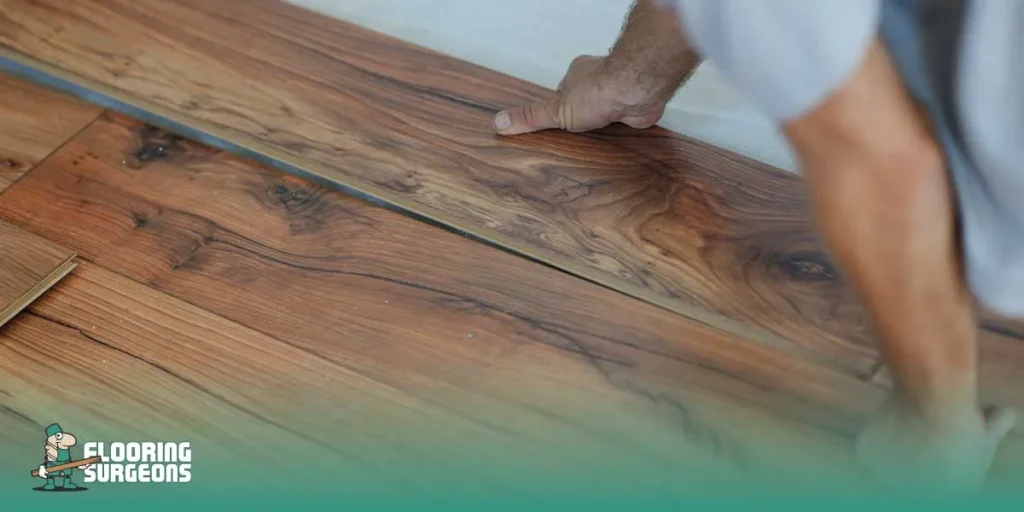
Table: Flooring Options for Rental Properties
| Flooring Type | Benefits | Best for |
| Laminate Flooring | Affordable, durable, easy to clean | Living rooms, bedrooms |
| Engineered Flooring | Looks like hardwood, moisture-resistant, easy to maintain | Hallways, kitchens |
| Vinyl Flooring | Water-resistant, easy to install, low maintenance | Kitchens, bathrooms, entryways |
| Luxury Vinyl Tiles | High-end, durable, water-resistant, stain-resistant | High-traffic areas, bathrooms |
Conclusion
Changing the flooring in a rented house or apartment can be done, but it requires careful consideration and often permission from the landlord. If you’re asking yourself, “Can you change the flooring in an apartment?”, the answer is yes, but it typically requires your landlord’s consent. If you’re unsure about the legalities or wondering “Do landlords have to replace flooring” in a rental, it’s important to note that they are responsible for maintaining the property but are not obligated to replace flooring for aesthetic reasons.
If you need to transform your space without making permanent changes, there are plenty of alternatives available. From laminate flooring to engineered flooring for hallway, and simple solutions like rugs, there are ways to personalize your rental home without breaking any rules.
For more information or help with your flooring needs, don’t hesitate to contact Flooring Surgeons for expert advice.

Mina Asgari
I’m an SEO Specialist and Content Strategist focused on sustainable business growth. I design data-driven content strategies by deeply analyzing user intent, search behavior, and SEO best practices, ensuring every piece of content serves a clear purpose for both users and search engines.