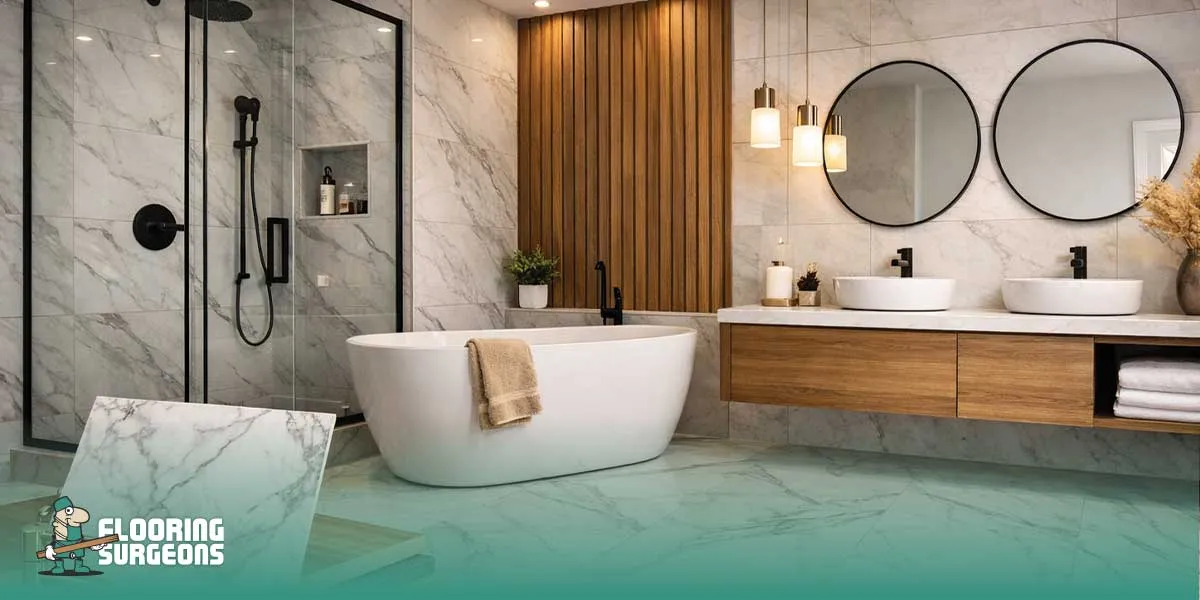


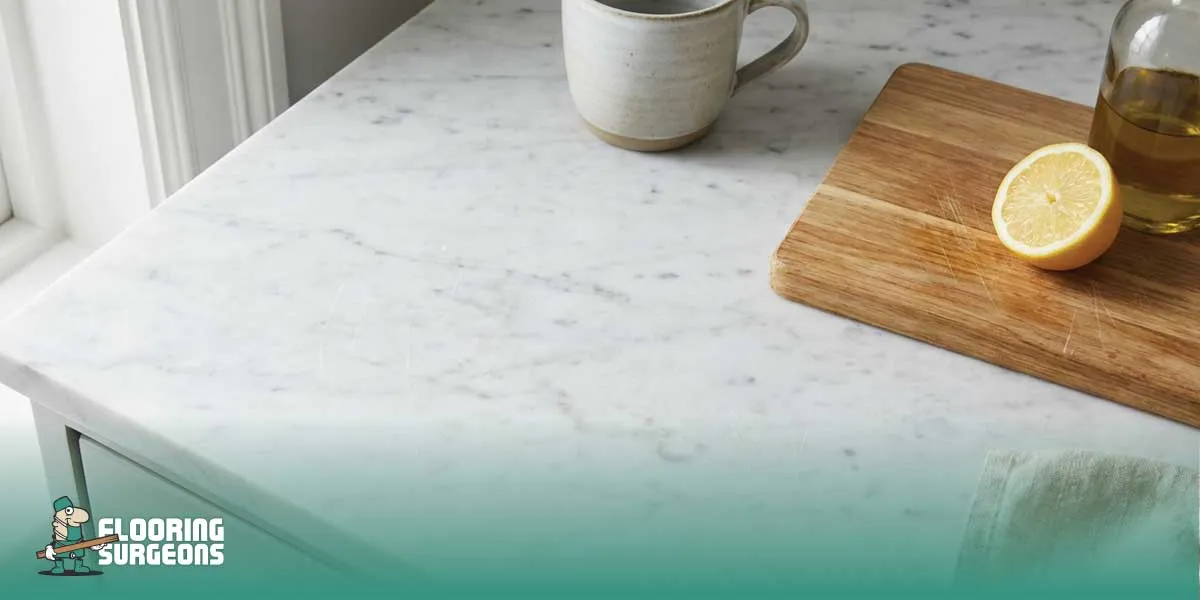
Yes, you can use marble in a kitchen, and it can look incredible. But marble is not a “fit-and-forget” material. It performs beautifully if you’re prepared for a bit of extra care and understand how it behaves in a real cooking environment. Marble is naturally heat-resistant, elegant, and timeless, which is why so many premium kitchens use it. But it also etches, stains, and scratches more easily than engineered surfaces, meaning it won’t stay flawless unless it’s sealed regularly and treated with the proper cleaning habits.
That’s the honest, straightforward answer.
If all you needed to know was whether marble can be used in a kitchen, the answer is yes — but only if you’re comfortable with its patina and natural ageing.
Here’s the part most homeowners miss: marble isn’t “fragile”, it simply reacts differently to daily kitchen activities. Lemon juice, vinegar, wine, oils, and hot pans all leave marks that become part of the stone’s character over time. Some people love this lived-in look. Others prefer a more controlled, low-maintenance surface.
In this guide, you’ll see precisely how marble performs in real kitchens — the pros, cons, long-term expectations, maintenance requirements, when it’s worth choosing, and when another material may suit your lifestyle better. If you want clarity before making an expensive decision, this breakdown gives you everything you need.
Table of contents
What Actually Happens When You Use Marble in a Kitchen?
Using marble in a kitchen looks luxurious on day one — but what happens after a few weeks, months, and years depends on how you cook and how much wear you allow. Marble ages in a particular way. It doesn’t fall apart, it doesn’t suddenly fail, but it changes. Here’s what that looks like in real life.
Etching: the most common surprise
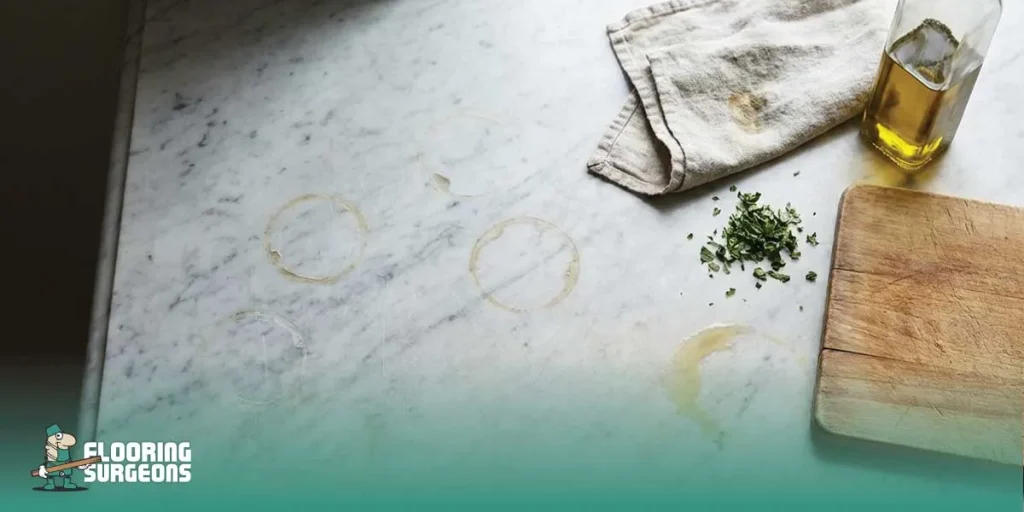
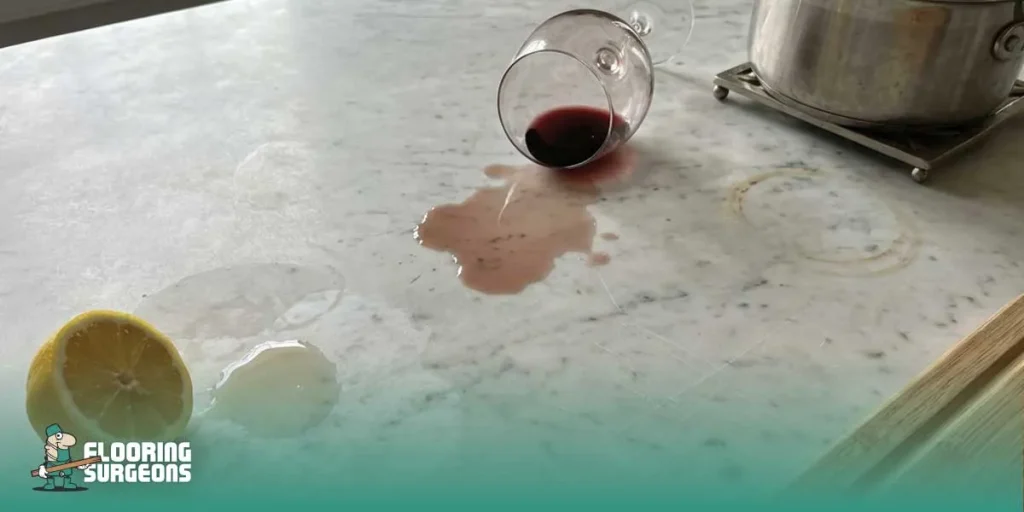
Marble reacts instantly to acids. Lemon juice, vinegar, tomatoes, wine, and even some cleaning sprays create dull, matte spots called etches. They don’t stain — they change the surface texture.
If you cook frequently with acidic ingredients, marble will slowly develop a soft, lived-in patina unless you wipe spills immediately.
Staining: oils and pigments leave deeper marks.
Because marble is naturally porous, unsealed areas absorb oils and coloured liquids. Red wine, turmeric, coffee, beetroot, balsamic, and grease can leave yellow or brown shadows that don’t wipe away. Sealing dramatically reduces staining, but it does not make marble stain-proof.
Heat impact: resistant, but not invincible
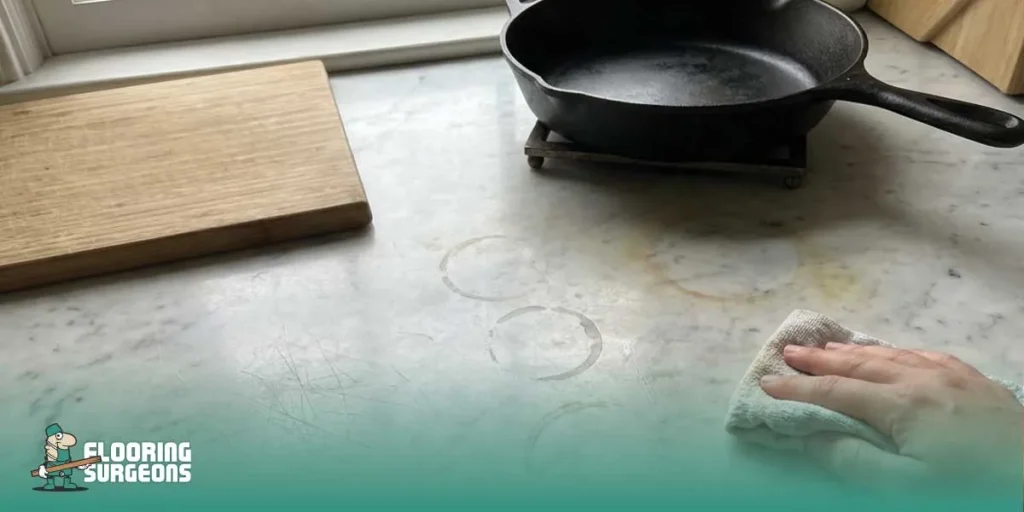
Marble handles heat better than quartz or laminate — hot pans rarely crack it — but thermal shock is still possible. Repeated heat exposure can create faint rings or micro-fractures. A trivet is always safer than direct placement.
Knife scratches: softer stone means visible marks
Marble scratches far more easily than granite, quartz, or porcelain. A single sharp knife can leave a permanent line. Over time, tiny scratches blend into the surface’s natural patina, but if you prefer a flawless, polished look, marble requires gentle habits and consistent protectors.
Marble Kitchen Countertop Pros & Cons (Simple Breakdown)
If you’re weighing the pros and cons of marble countertops for a kitchen, here’s the honest, real-world version — not the overly romanticised or overly dramatic take you often see online. Marble performs beautifully in some kitchens and frustrates others. The difference comes down to how you cook, how you maintain it, and whether you like the natural patina it develops.
Marble Countertop Pros
• Timeless, high-end appearance
Marble delivers a naturally elegant look that no engineered surface fully replicates. Its veining, depth, and soft reflectivity instantly elevate a kitchen’s design.
• Naturally cool surface (great for baking)
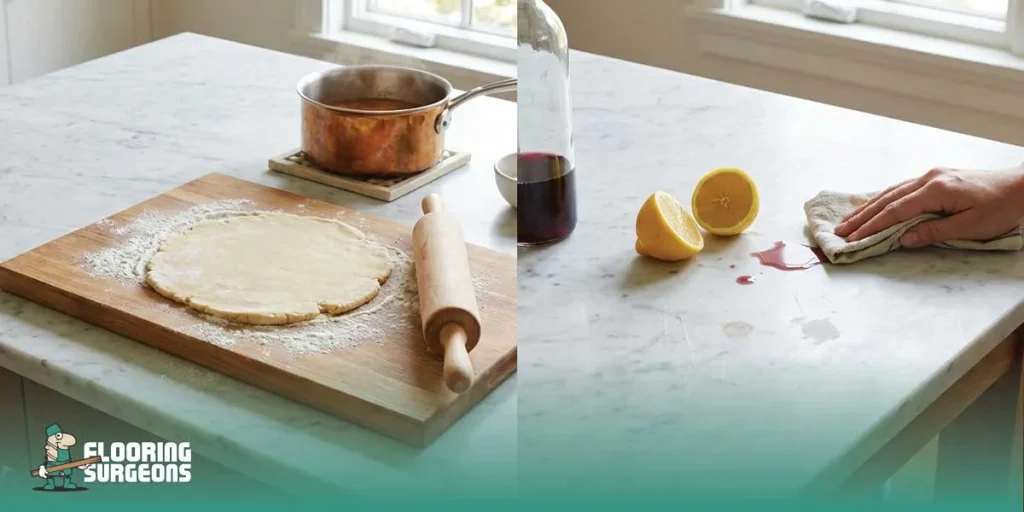
Marble stays cooler than most materials, making it ideal for pastry work, dough, rolling, and chocolate tempering.
• Heat-resistant (within reason)
It can handle warm pans better than quartz or laminate, though trivets are still recommended to avoid thermal shock.
• Unique, one-of-a-kind slabs
Every marble surface is different. Homeowners who value authentic, natural stone love the individuality and character it adds.
• Ages into a desirable patina (if you like a lived-in look)
Some homeowners prefer the softened, gently worn appearance marble develops over time.
Marble Countertop Cons
• Etches easily from acids
Lemon, vinegar, wine, tomato juice, and many cleaners create dull spots. Etching is the #1 downside most homeowners notice.
• Stains if not sealed properly
Marble is porous. Oils, coffee, and dark liquids can leave permanent marks without consistent sealing and quick cleanup.
• Scratches more easily than granite or quartz
Marble is a softer stone. Knives, metal pans, and even some dishes can leave visible scratches.
• Requires regular sealing and gentle maintenance
While the maintenance isn’t difficult, it is ongoing. Those wanting a zero-maintenance surface may find marble demanding.
• Not ideal for very busy or messy kitchens
In households with heavy cooking, kids, or constant spills, marble can age much faster and lose its polished appearance.
How Durable Is Marble in a Kitchen? (Scratches, Heat, Daily Use)
Marble is durable in the sense that it’s a long-lasting natural stone — but its daily performance in a kitchen is different from more complex surfaces like granite or quartz. The reality is this: marble durability depends less on the stone itself and more on how you use your kitchen. Below is the clear, practical breakdown homeowners actually need.
Scratches: Why Marble Marks More Easily
Marble is a softer stone, so it can be scratched from everyday use. Metal pans, sharp knives, sliding appliances, and even certain ceramic dishes can leave faint surface marks. These rarely threaten the structure of the slab, but they do change its finish over time. If you prefer a “perfectly polished” look, scratches may bother you. If you like a natural patina, they usually blend in without becoming an issue.
Key point: cutting boards and felt pads make a huge difference.
Heat: What Marble Handles Well — and What It Doesn’t
Marble tolerates heat better than engineered materials (like quartz), meaning warm pots won’t scorch it. But direct, intense heat — such as placing a pan straight from the oven onto the surface — can cause thermal shock, leading to cracks or dull spots.
Practical takeaway: marble is heat-resistant, not heat-proof. Trivets matter.
Daily Use: Etching & Staining Are the Real Concerns
When assessing marble durability in real kitchens, etching and staining matter more than scratches or heat.
Etching:
Acidic foods (lemon, vinegar, wine, tomatoes) react with marble and create dull, matte marks. These are chemical reactions, not physical damage, so sealing does not prevent etching.
Staining:
Marble is porous. Spills like oil, coffee, and dark sauces can soak in unless the surface is sealed regularly.
Everyday reality:
Marble stands up physically for decades — it won’t crumble or break unless mistreated — but its surface will develop marks if your kitchen is busy, messy, or fast-paced.
Marble is structurally strong but surface-sensitive. It lasts a lifetime, but it doesn’t stay flawless without care. If you’re okay with a naturally ageing patina, marble performs beautifully. If you want a pristine, low-maintenance finish, it may not fit your lifestyle.
Maintenance Guide — How to Protect Marble in a Busy Kitchen
Good marble maintenance isn’t complicated — but it must be consistent. In a busy kitchen, the difference between a flawless marble surface and one covered in dull spots comes down to three things: sealing, daily cleaning habits, and avoiding the wrong products. Here’s the practical guide homeowners actually need.
Sealing Schedule — How Often Should You Seal Marble?
Marble is porous, so sealing helps slow down staining (though it won’t prevent etching).
General rule:
- Seal every 6–12 months for everyday household use
- Every 4–6 months for heavy cooking, kids, or lots of acidic foods
- Test method: drip a few drops of water on the surface → if it darkens within a minute, it’s time to reseal
A good penetrating sealer keeps oils, coffee, and dark sauces from absorbing too quickly, giving you time to wipe spills before they mark.
Cleaning Routine — What to Do Daily
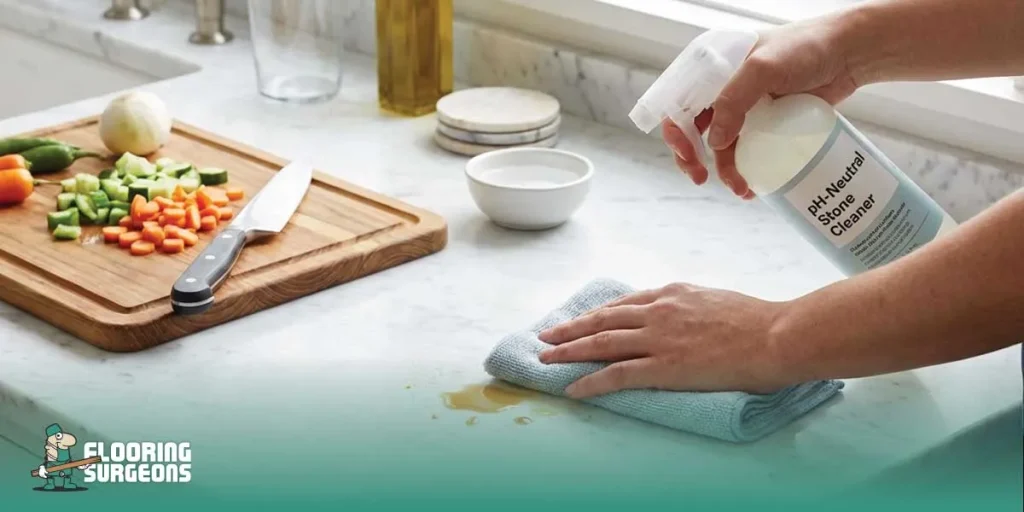
The safest marble cleaning routine is simple, fast, and gentle:
Use a pH-neutral cleaner specifically designed for natural stone
Wipe spills immediately, especially lemon, vinegar, wine, tomato and coffee.
Use soft cloths or microfibre, not abrasive pads.s
Use chopping boards and coasters to avoid scratches and rings
For deeper weekly cleaning, warm water + a stone-safe cleaner keeps the surface clear without damaging the finish.
Avoid this mistake:
Many people use dish soap daily. It doesn’t damage marble immediately, but over time it builds up a dull, cloudy film.
What NOT to Use on Marble (Most Common Damage Causes)
These products cause 90% of the damage seen in real kitchens:
Vinegar or lemon-based cleaning sprays → instant etching
Bleach or harsh chemicals → surface burns and discolouration
All-purpose cleaners with acids → dull patches
Abrasive powders or scrubbing pads → scratches and micro-etching
Heavy-duty degreasers → can lift the sealer and leave marks
If a cleaner says “bathroom,” “lime remover,” “degreaser,” or “acidic,” it’s not for marble.
Bottom Line: How to Keep Marble Looking Beautiful
With the proper marble maintenance routine, your countertop will stay elegant and functional for decades. The key is consistency:
Seal regularly, clean gently, and avoid acidic or abrasive products. Do that, and even a busy kitchen won’t stop marble from ageing gracefully.
Best Marble Finishes for Kitchens (Polished vs Honed vs Leathered)
The finish you choose affects how your marble behaves every single day in a kitchen. Most homeowners think the difference is only about shine, but the finish also impacts etch visibility, stain absorption, slip resistance, and how “new” the surface looks over time. Below is the clear comparison you actually need.
Polished Marble — High Shine, High Maintenance
Polished marble has a reflective, glossy surface created by grinding and buffing the stone.
Pros:
- Rich, luxurious appearance
- Highlights veining beautifully
- Naturally, it is more stain-resistant because the pores are tighter.
- Easy to wipe clean
Cons:
- Etches very easily — even a drop of lemon juice leaves a dull mark.
- Scratches are more visible.
- Shows fingerprints and water spots
Best for: Low-use kitchens or homeowners who don’t mind visible etching.
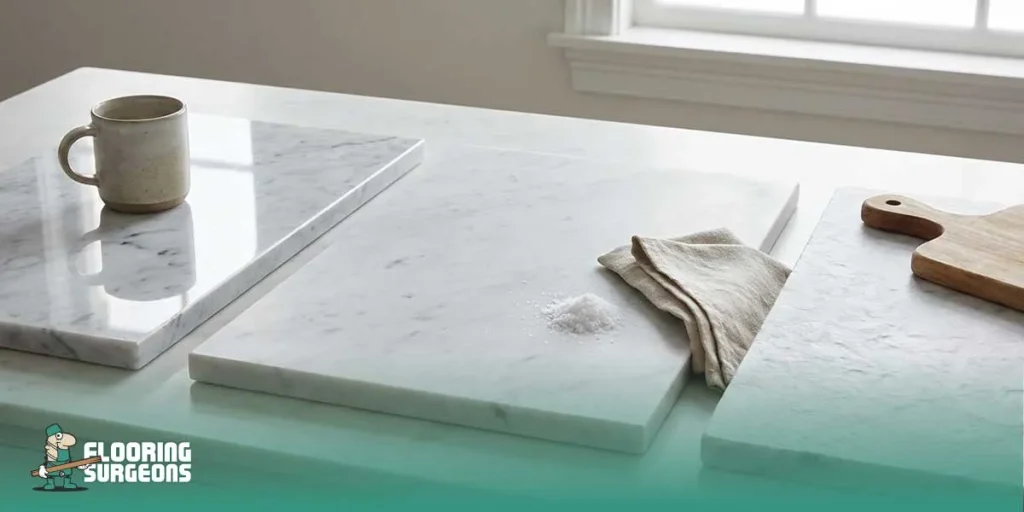
Honed Marble — Matte, Soft, Kitchen-Friendly
Honed marble is ground to a smooth, matte finish. It’s the most practical option for kitchens today.
Pros:
- Etches less noticeably (marks blend into the matte finish)
- Hides minor scratches and wear better
- Feels more modern and natural
- Excellent for busy kitchens and families
Cons:
- Slightly more prone to staining → must be sealed consistently
- Doesn’t have the glossy “luxury” look some people expect
Best for: Real-life kitchens, heavy use, cook-heavy households.
Leathered Marble — Textured, Premium, Ultra-Resilient
Leathered marble has a soft, tactile texture with a low sheen, created through brushing and diamond pads.
Pros:
- Best at hiding scratches AND etch marks
- Incredible grip and texture
- Adds depth to darker marbles
- Feels warm and upscale
Cons:
- Harder to clean if the texture is deep
- Not available for all types of marble
- Costs more due to specialised finishing
Best for: People who want durability + luxury without the complications of polished marble.
Stain & Etch Resistance — What Causes Damage and How to Prevent It
Marble in a kitchen does not fail because it’s weak — it fails because homeowners aren’t taught the difference between staining and etching, two completely different forms of damage.
Stains — Caused by Absorption into the Stone
Stains happen when liquids soak into marble’s pores.
Common culprits:
- Oil
- Red wine
- Coffee
- Tomato sauce
- Dark berries
Why does it happen:
Marble is porous, and if unsealed (or poorly sealed), it quickly absorbs pigments.
Prevention:
- Seal routinely (every 6–12 months)
- Wipe spills immediately
- Use stone-safe cleaners, not dish soap buildup.
- Avoid leaving oils or dressings on the surface
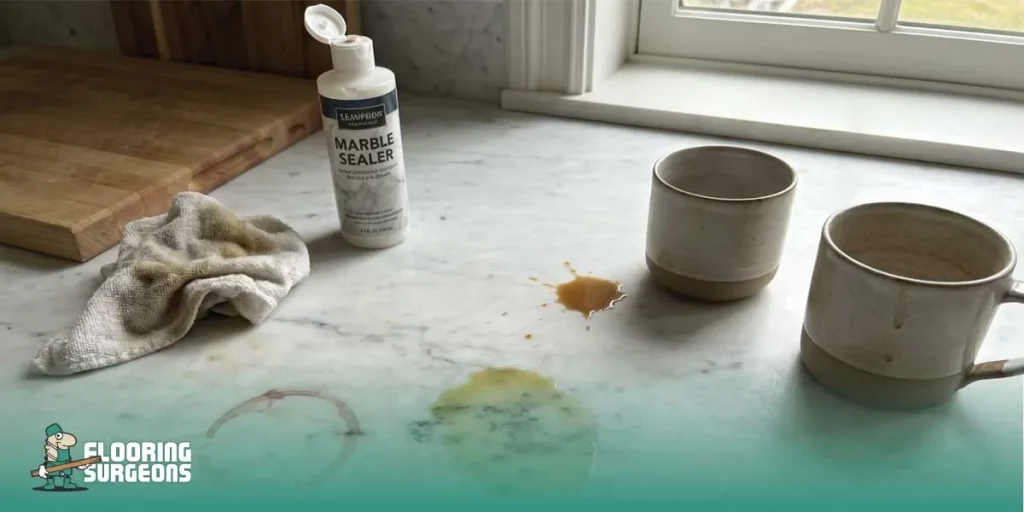
Etching — Chemical Burns from Acids (NOT Stains)
Etching is the most misunderstood form of marble damage. It’s not a stain — it’s a chemical reaction.
Acidic substances react with calcium carbonate and eat away the surface, leaving a dull, cloudy spot.
Caused by:
- Lemon juice
- Vinegar
- Wine
- Soda
- Tomato
- Harsh cleaners
Polished marble shows etching instantly. Honed marble disguises itself better, but still etches.
Prevention:
- Never use acidic cleaners
- Use cutting boards
- Choose honed or leathered finishes.
- Reseal regularly (sealing doesn’t stop etching, but helps slow down absorption)
Heat Damage — Thermal Shock & Burn Marks
Marble is more heat-resistant than quartz but still vulnerable to:
- Sudden temperature changes
- Hot pots placed directly on the slab
Prevention:
Use trivets every time.
Knife Scratches — Why Marble Marks Easily
Marble scratches because it’s softer than granite and quartz.
Fine scratches are inevitable in polished finishes.
Prevention:
- Use chopping boards
- Choose a honed or leathered finish.s
- Avoid dragging appliances across the surface.
Marble Cost & Long-Term Value (Is It Worth It?)
Marble is often seen as a luxury material, but its value depends on installation, maintenance, and market expectations. It can raise resale value — but not in every home.
How Much Does Marble Cost?
Typical price ranges (UK/US equivalents):
- £70–£250 per sq. ft installed
- Premium slabs (Calacatta, Arabescato): £300+ per sq. ft
- Fabrication, edge profiling, and cutouts add to the cost.
Compared to alternatives:
- Quartz: cheaper upfront, more manageable long-term
- Granite: similar price, more rigid material
- Porcelain slabs: less expensive with higher durability
The Real Long-Term Cost
Marble’s cost continues after installation:
- Resealing every 6–12 months
- Professional refinishing to remove etching
- Possible to polish every few years
This ongoing care is part of owning marble — think of it like owning a high-end wooden table.

Does Marble Add Resale Value?
Yes — in the right home.
Marble increases resale value when:
The property is mid-to-high-end
The buyers expect premium natural stone
The slab is well-maintained
Finishes and colours are modern
Marble may hurt resale when the kitchen shows heavy etching. The home is in a low-maintenance preferred” market. Buyers are expecting quartz or porcelain
So, Is Marble Worth It?
Marble is worth the investment if:
- You appreciate natural stone evolving with use
- You’re prepared for maintenance.
- You value aesthetics over zero-maintenance surfaces.
If you need perfect, unchanging countertops, quartz or porcelain is safer.
Best Types of Marble for Kitchen Countertops
Each type of marble behaves differently. Choosing the right one determines how your kitchen will look after 1 year — and after 10.
Carrara Marble — Soft, Classic, Affordable
Carrara is the most common and budget-friendly option.
Appearance: soft grey veining, cool white base
Pros:
- Affordable compared to other marbles
- Works well with honed finishes
- Etching is less noticeable due to subtle veining
- Softer → scratches more easily
- More porous → needs more sealing
Best for: Everyday kitchens, people who like aged patina.
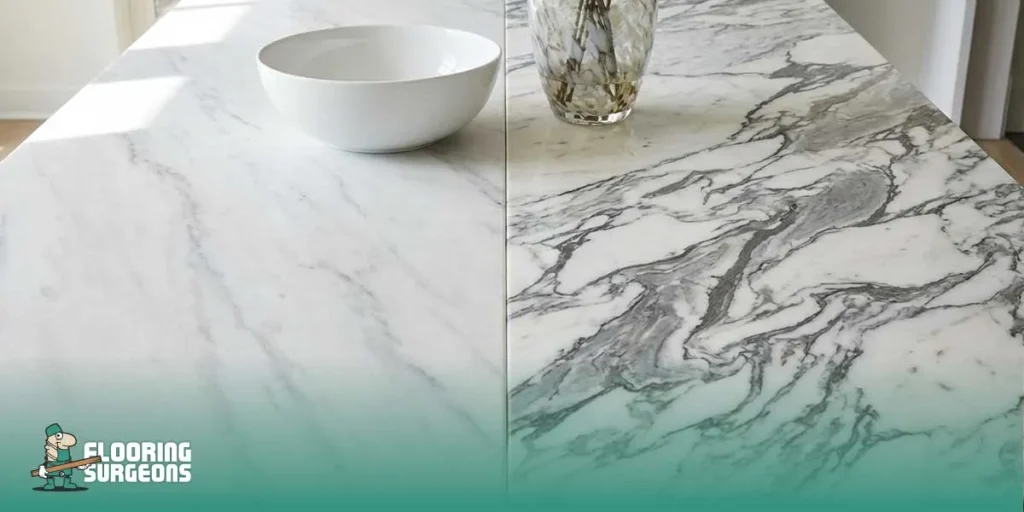
Calacatta Marble — Luxurious, High-End, Bold Veining
Calacatta is rare and dramatically veined.
Appearance: bright white background, thick gold/grey veins
Pros:
- Massive visual impact
- Higher resale value
- Denser and less porous than Carrara
Cons: - Expensive (one of the costliest stones)
- Every etch mark stands out on the bright surface.
Best for: Premium kitchens with statement design.
Dolomite Marble — More Durable, Less Porous
Dolomite is often marketed as “super white” or “hard marble.”
Appearance: soft white base with gentle grey streaks
Pros:
- More durable and less porous
- Better stain resistance
- Holds up well in busy kitchens
Cons: - Still etches (all marble does)
- Limited colour variation
Best for: Homeowners wanting marble beauty with more durability.
Arabescato Marble — Dramatic, Artistic, Highly Sought After
Arabescato is known for its circular, bold, high-contrast veining.
Appearance: striking patterns, strong grey veining
Pros:
- Very high-end aesthetic
- Works beautifully in honed or leathered finishes
Cons: - Expensive and more complicated to source
- Etching stands out due to the dramatic contrast.
Best for: Statement kitchens and luxury remodels.
When You Should Not Use Marble in a Kitchen
Marble is beautiful, but it’s not the right choice for every home. There are clear situations where marble will disappoint you, no matter how well you seal or maintain it. If any of the scenarios below match your lifestyle, another material will perform far better.
1. If You Want a Zero-Maintenance Surface
Marble needs sealing, gentle cleaners, and ongoing care.
If you want a countertop you never have to think about, marble will feel demanding.
2. If You Cook Frequently With Acidic Ingredients
Regular exposure to lemon, tomato, vinegar, wine, and oils will create:
- etching
- stains
- dull patches
- accelerated patina
Avid cooks often find marble ages much faster than expected.
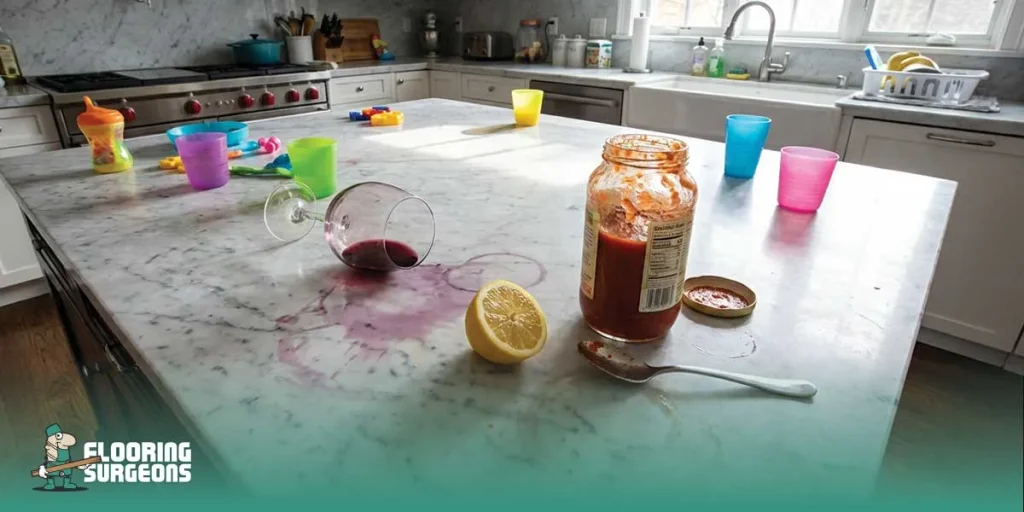
3. If You Prefer a Perfect, “Like-New” Look
Even with proper sealing, marble will etch.
If you can’t tolerate visible marks or variation, marble isn’t suitable.
4. If the Property Is a Rental
Tenants rarely maintain the stone properly, and acidic spills can damage the surface within days.
Quartz or porcelain is a far safer choice for rental kitchens.
5. If Your Kitchen Gets Intense Direct Sunlight
UV exposure highlights micro-scratches and can gradually lighten certain marble types.
6. If Long-Term Care Isn’t in Your Budget
Marble is not a one-time purchase; it requires resealing and occasional professional restoration. If routine maintenance isn’t realistic, choose another material.
Bottom line:
Use marble only if you’re comfortable with patina, routine care, and the natural ageing of real stone.
Marble vs Alternatives — Quartz, Granite, Porcelain Compared
Understanding how marble compares to the strongest countertop alternatives helps you decide whether it fits your kitchen habits and expectations. Each material solves a different “marble problem,” and the comparison below shows which one aligns best with your needs.
Marble vs Quartz — Character vs Convenience
Marble:
- Natural veining with unique variation
- Heat-resistant but vulnerable to etching and stains
- Requires regular sealing and gentle care
Quartz:
- Non-porous and extremely stain-resistant
- No etching
- Very low maintenance
- Can scorch under high heat
Best choice:
- Pick marble for natural beauty and a living patina.
- Pick quartz if you want durability, consistency, and minimal upkeep.
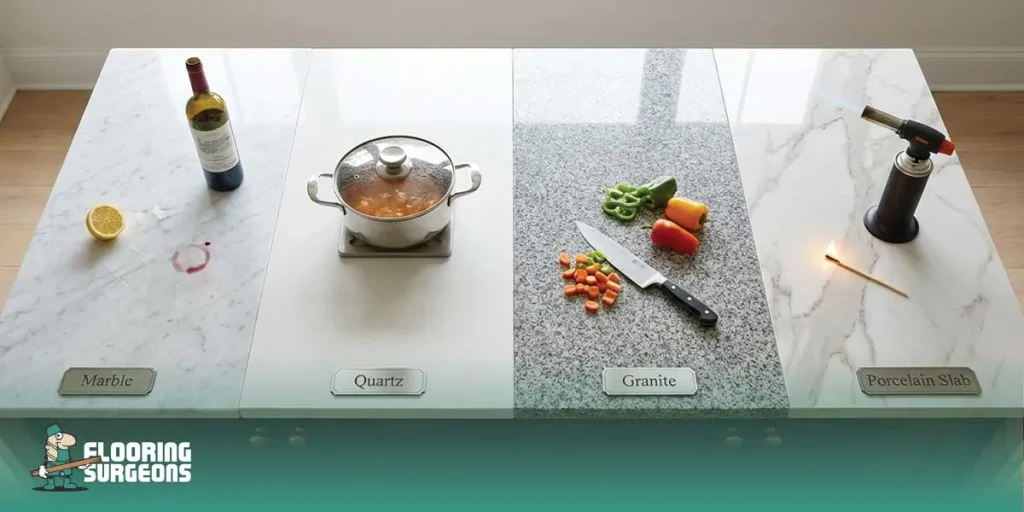
Marble vs Granite — Softer Stone vs Harder Stone
Marble:
- Softer and more porous
- Etches easily
- Requires careful maintenance
Granite:
- Harder, more scratch-resistant
- Excellent heat tolerance
- Lower maintenance
- Does not etch from acids
Best choice:
- Pick marble for refined veining.
- Pick granite if durability matters more than delicacy.
Marble vs Porcelain Slabs — Natural Luxury vs Engineered Performance
Marble:
- Authentic, organic movement
- Sensitive to acids and heavy use
- Can stain or etch
Porcelain:
- UV-proof, scratch-proof, heat-proof
- Very low maintenance
- Realistic marble-like patterns available
- Large slab formats reduce seams.
Best choice:
- Pick marble if authenticity is your priority.
- Pick porcelain for a worry-free kitchen with a marble look.
Comparison Table — Marble vs Alternatives
| Feature | Marble | Quartz | Granite | Porcelain |
| Stain Resistance | ★★☆☆☆ | ★★★★★ | ★★★★☆ | ★★★★★ |
| Etch Resistance | ★☆☆☆☆ | ★★★★★ | ★★★★★ | ★★★★★ |
| Heat Resistance | ★★★★☆ | ★★☆☆☆ | ★★★★★ | ★★★★★ |
| Maintenance | High | Low | Medium | Low |
| Aesthetic Luxury | ★★★★★ | ★★★★☆ | ★★★☆☆ | ★★★★☆ |
If you want expert advice tailored to your home and kitchen layout, speaking with trusted Flooring Surgeons specialists can help you compare surfaces based on durability, style, and maintenance needs.
Real-Life Scenarios — Is Marble Right for Your Home?
This section directly addresses how marble performs in real homes—a perspective most competitors never include, and one that helps users make confident decisions.
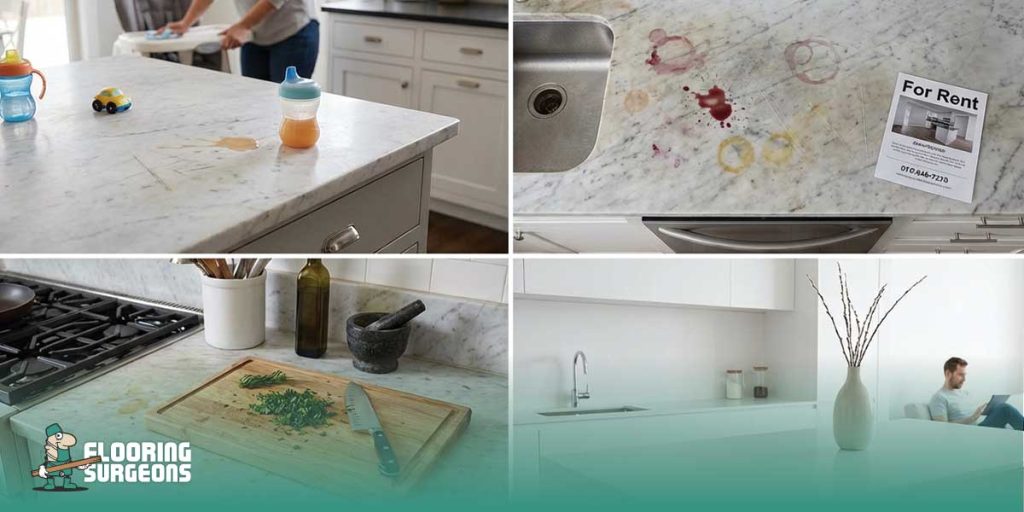
1. For Families — Practical or Problematic?
Marble can work in a family kitchen, but only if you’re comfortable with imperfections. Juice spills, toy impacts, and constant use will create etches and scratches.
If you appreciate patina and natural ageing, marble can be charming.
If you expect a flawless finish year-round, choose quartz or porcelain.
2. For Rental Properties — Generally Not Recommended
Marble is too sensitive for rental use because Tenants rarely follow maintenance rules.
- Acidic spills cause quick damage.
- Repairs are expensive
- Replacements reduce ROI
Quartz or porcelain outperforms marble dramatically in rental environments.
3. For Avid Cooks — Depends on Your Personality
If you cook daily with citrus, tomatoes, vinegar, and wine, marble will show marks constantly.
However, some passionate home cooks love how marble develops character over time, similar to a well-used cast-iron pan.
If perfection matters, marble will frustrate you.
If beauty + patina matters, marble can be deeply rewarding.
4. For Low-Maintenance Homeowners — Choose Something Else
If you want a surface that:
- never etches
- never stains
- doesn’t require sealing
- doesn’t react to scratches or heat
- always looks uniform
Marble is not the right fit. Quartz or porcelain aligns far better with low-maintenance expectations.

Haniye Ayanmanesh
As an expert writer for Flooring Surgeons, I combine technical SEO knowledge with a practical understanding of flooring, producing content that helps users make confident decisions while supporting long-term organic growth.