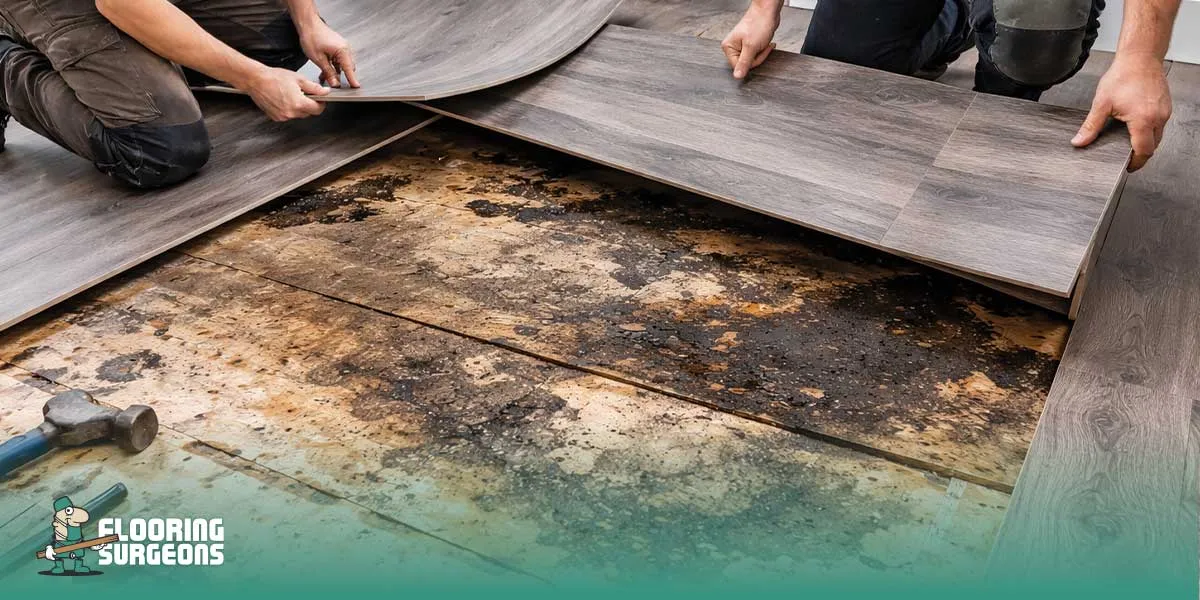


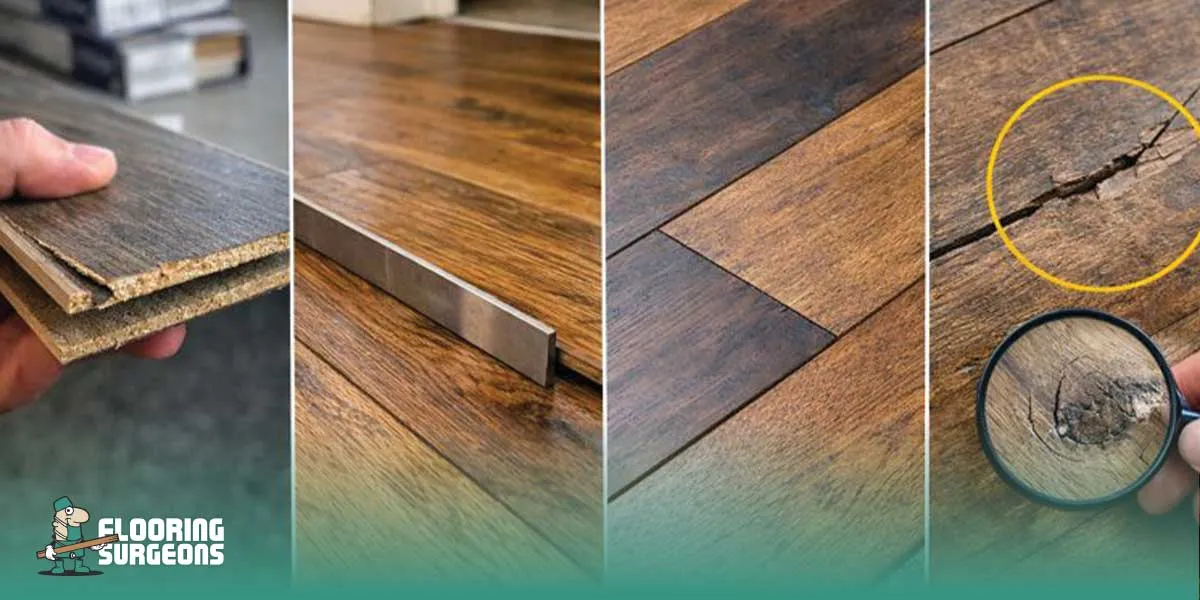
Manufacturing defects in flooring products are real, relatively common, and often misunderstood. Not every flooring problem is caused by poor installation or misuse. In many cases, issues originate at the factory and only become visible once the flooring is unpacked, laid, or used under normal conditions. Knowing this early can save time, cost, and unnecessary disputes.
Some manufacturing defects are obvious before installation, such as inconsistent board sizes, warped planks, or surface finish flaws. Others only appear after use, when the flooring is exposed to weight, temperature changes, or everyday movement. Because these problems do not always show up immediately, they are frequently mistaken for installation errors, leading to confusion about responsibility and warranty coverage.
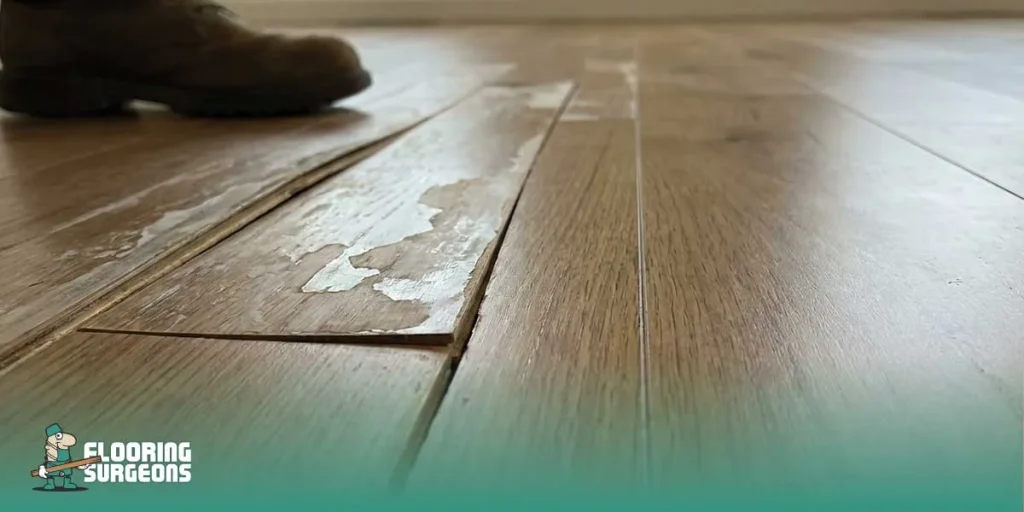
Understanding the difference matters. Identifying a manufacturing defect early protects your warranty, prevents further damage, and helps you address the issue with the right party. It also avoids costly rework and misplaced blame. This article explains the most common manufacturing defects found in flooring products, how to recognise them, and how to tell them apart from installation or usage-related issues. If you only wanted a clear answer, yes, manufacturing defects happen, and they are not rare. If you want to understand what to look for and how to respond correctly, the rest of the article breaks that down clearly and calmly.
Table of contents
What Is a Manufacturing Defect in Flooring Products?
A manufacturing defect in flooring is a fault that originates during production, before the product is delivered or installed. It means the flooring does not meet the manufacturer’s own specifications or expected performance standards, even when it is installed and used correctly. A manufacturing defect can include issues such as inconsistent board dimensions, weak locking systems, surface finish failures, delamination, internal cracks, or material instability that should not occur under normal conditions. The key point is that the problem exists independently of how the floor is fitted or maintained.
This is different from installation mistakes, which occur when flooring is laid incorrectly, such as poor subfloor preparation, incorrect expansion gaps, or improper fixing methods. In those cases, the product itself may be sound, but the way it was installed causes failure.
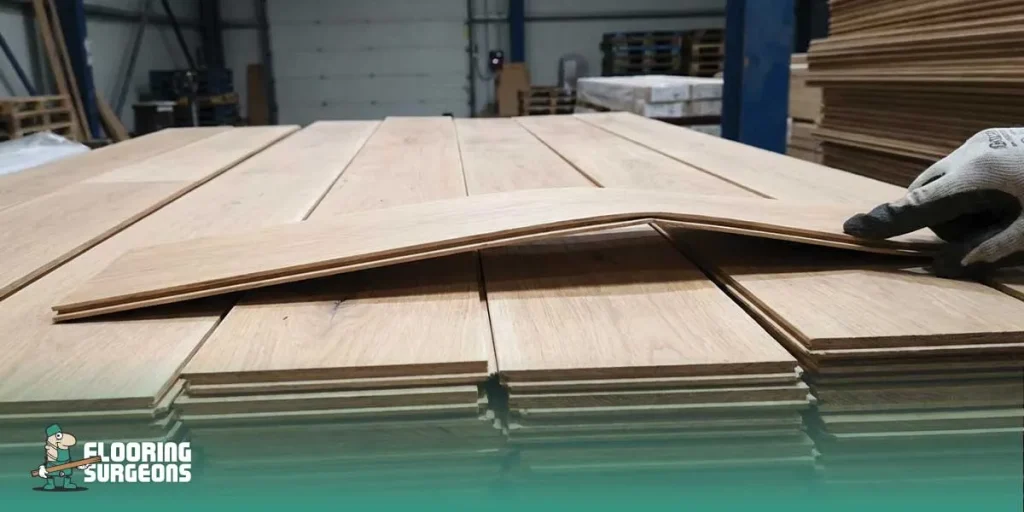
It is also different from natural material movement, especially with products like wood. All timber-based flooring expands and contracts to some degree in response to temperature and humidity. This behaviour is expected and accounted for in product design. A manufacturing defect exists when the movement is excessive, uneven, or occurs despite correct acclimatisation and environmental conditions.
Importantly, manufacturing defects can occur even in branded or premium flooring products. Higher price points often improve consistency and quality control, but they do not eliminate the possibility of faults. Large-scale production, layered constructions, adhesives, finishes, and transport conditions all introduce variables that can lead to defects slipping through, even with reputable manufacturers.
In short, a manufacturing defect is a flooring failure caused by how the product was made, not how it was installed, used, or maintained.
Manufacturing Defects vs Installation Problems vs Natural Behaviour
Understanding the difference between these three causes is essential. Many flooring disputes happen because the symptoms look similar, even though the underlying cause is completely different. The table below separates them clearly, so responsibility and next steps are easier to identify.
| Issue type | When it usually appears | Typical signs | Who is usually responsible |
| Manufacturing defect | Sometimes, before installation, often weeks or months after | Consistent faults across multiple boards, repeated pattern failures, delamination, surface peeling, weak joints, and unexplained warping despite correct conditions | Manufacturer |
| Installation problem | Immediately or shortly after installation | Uneven floors, gapping at edges, tenting, hollow sounds, movement underfoot, failures concentrated in specific areas | Installer |
| Natural material behaviour | Gradual and seasonal | Minor expansion or contraction, small gaps in dry periods, slight cupping that stabilises | No one (expected behaviour) |
Why installers are often blamed incorrectly
Installers are usually the last people involved before a problem becomes visible, so they are the first to be blamed. However, many manufacturing defects only reveal themselves after the floor is laid and put under normal load, temperature changes, or everyday use. At that point, it can look like an installation issue even when the root cause is hidden inside the product.
Why do some manufacturing defects only show after installation
Certain defects are structural rather than visual. Weak bonding layers, unstable cores, or faulty finishes may pass factory inspection but fail once the flooring is exposed to real conditions like foot traffic, heating cycles, or humidity changes. Installation doesn’t cause these defects—it simply activates them.
The Most Common Manufacturing Defects in Flooring Products
Manufacturing defects usually share one key trait: they appear consistently across multiple boards, not randomly in one spot. Below are the most common defects, explained briefly and practically so they’re easy to recognise without overloading you with detail.

- Dimensional inconsistency (length, width, thickness)
What it looks like:
Boards don’t line up cleanly, edges sit higher or lower, or joints refuse to close properly, even with correct installation.
Why does it happen:
Inaccurate cutting, poor calibration, or inconsistent curing during production.
When it shows:
Often during installation, sometimes only once, rows are locked together.
- Warping or bowing before installation
What it looks like:
Boards arrive curved, twisted, or bowed straight out of the box.
Why does it happen:
Improper drying, uneven moisture control, or rushed manufacturing.
When it shows:
Before installation, during acclimatisation, or immediately when laid flat.
- Surface finish defects (uneven coating, blotching)
What it looks like:
Patchy sheen, streaks, dull spots, or visible roller marks across multiple boards.
Why does it happen:
Uneven application of finishes, contaminated coatings, or rushed curing lines.
When it shows:
Usually visible immediately under standard lighting, it sometimes worsens with use.
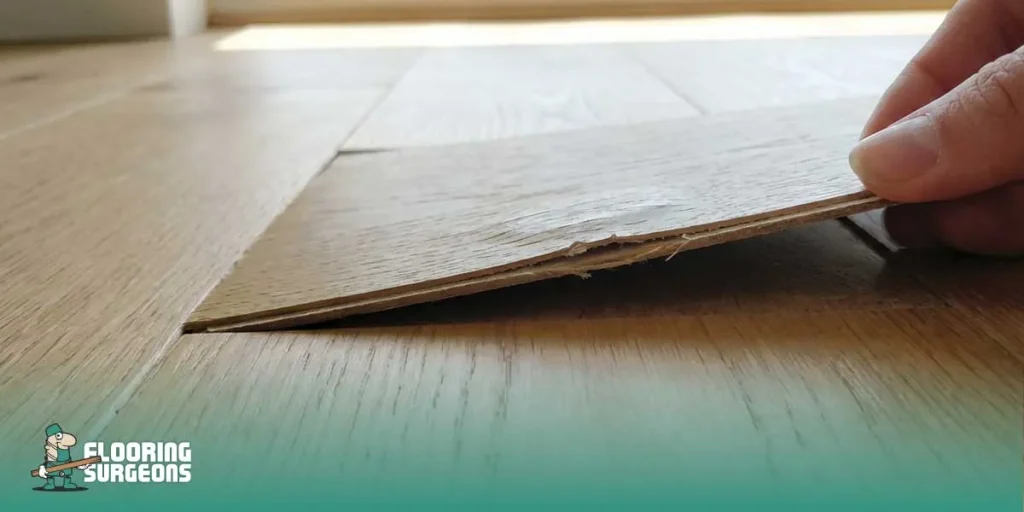
- Delamination (layer separation)
What it looks like:
Top layers lifting, bubbling, or separating from the core.
Why does it happen:
Weak adhesives, poor bonding pressure, or incompatible materials during lamination.
When it shows:
Weeks or months after installation, often under heat or regular foot traffic.
- Weak or damaged click-lock systems
What it looks like:
Locks snapping, boards separating, or joints failing despite correct fitting.
Why does it happen:
Brittle cores, poor milling accuracy, or weak joint design.
When it shows:
During installation or shortly after first use.
- Inconsistent colour or pattern runs.
What it looks like:
Noticeable colour shifts, mismatched tones, or repeating patterns that look unnatural.
Why does it happen:
Poor batch control, mixed production runs, or low-quality printing processes.
When it shows:
Once a larger area is installed, patterns repeat.
- Core density or structural weakness
What it looks like:
Indentations, crushing under regular use, or failure around joints.
Why does it happen:
Low-density core materials or uneven compression during manufacturing.
When it shows:
After short-term use, it is often mistaken for wear or misuse.
Manufacturing Defects by Flooring Material Type
Not all flooring products fail in the same way. Manufacturing defects tend to follow the structure and production method of each material. The table below helps users understand where risk typically sits, without implying that defects are inevitable. Layered materials such as engineered wood flooring products are more dependent on adhesives and precision manufacturing, which increases defect risk when quality control slips.
| Flooring type | Common factory defects | Why they occur | Risk level |
| Solid wood | Dimensional inconsistency, warping, uneven thickness | Natural material variability, insufficient drying time, and poor moisture control before machining | Medium |
| Engineered wood | Delamination, weak bonding between layers, and inconsistent thickness | Adhesive failure, uneven pressure during lamination, and rushed curing processes | Medium |
| Laminate | Weak click-lock systems, core crumbling, surface blistering | Low-density core boards, poor milling precision, and inferior resins | Medium–Higher |
| Luxury vinyl (LVT) | Curling, joint failure, inconsistent thickness, print misalignment | Inaccurate temperature control, poor stabilisation during production, and thin wear layers | Medium |
| Carpet tiles/rolls | Backing separation, pattern drift, edge fraying | Weak backing adhesion, tension issues during manufacture, and rushed finishing | Low–Medium |
- Risk level reflects likelihood, not quality, across all brands. A higher risk does not mean a product is “bad,” only that defects are more common if quality control is weak.
- Layered and composite products (engineered wood, laminate, LVT) rely more heavily on adhesives and precision, which increases defect risk if manufacturing standards slip.
- Natural materials like solid wood vary by nature, but true manufacturing defects are still distinct from natural movement.
Manufacturing defects are usually tied to how a flooring product is made, not just what it is made from. Understanding material-specific risks helps homeowners and installers identify problems early and avoid misdiagnosing defects as installation or usage issues.
Defects That Appear After Installation (But Aren’t Installation Faults)
One of the most frustrating aspects of flooring defects is timing. Some manufacturing issues are invisible at the point of installation and only reveal themselves once the floor is in normal use. This often leads to installers being blamed unfairly, even when the root cause lies with the product itself. In some cases, what appears to be premature failure is only detectable when compared with the expected lifespan of wooden flooring under normal household conditions.

Why do some defects only show up after installation
Certain factory defects need real-world conditions to surface. These include:
- Load and weight
Flooring may look fine when laid, but once furniture, foot traffic, or appliances apply pressure, weaknesses in the core, bonding, or click system can emerge. - Temperature and environmental change
Normal fluctuations in temperature and humidity can expose poor manufacturing tolerances. Products with inconsistent density or weak bonding may react unevenly once acclimatised to the home. - Normal day-to-day use
Repeated walking, cleaning, and minor movement can stress areas that were already marginal at the factory level, revealing problems that were not detectable during installation.
Common examples of delayed manufacturing defects
- Click-lock systems are failing after weeks
Joints may initially hold but begin to separate or break once lateral movement and load are introduced. This is often due to weak milling or brittle core material, not fitting technique. - Surface wear appears too early.
Premature scratching, dull patches, or coating failure can indicate an uneven or under-cured finish applied during manufacture, even if the floor has been used normally. - Boards gradually separating
Gaps that develop slowly can result from dimensional inconsistency or internal stress within the boards, rather than poor expansion gaps or incorrect installation.
What to Do If You Suspect a Manufacturing Defect
If you think a flooring problem may be a manufacturing defect, what do you do? Early, calm action can protect your warranty, your budget, and your position if a dispute arises. When responsibility is unclear, an independent assessment from flooring specialists at Flooring Surgeons can help confirm whether the issue originates from manufacturing rather than installation.

Stop installation (when applicable)
- If the defect is visible before or during installation (uneven boards, damaged click systems, colour inconsistencies), pause the work immediately.
- Continuing to install a product that already shows defects can weaken or invalidate manufacturer warranty claims.
- Most warranties assume the product was inspected and deemed acceptable before installation progressed.
Document everything clearly
- Take clear photos and videos of the defect, including close-ups and broader context.
- Photograph packaging, labels, and batch or lot numbers, as defects are often batch-related.
- Note when the issue was first noticed and whether it appeared before or after installation.
Contact the right party first.
- The supplier or retailer should usually be contacted first for suspected manufacturing defects, as they are responsible for the product supplied.
- The installer should be informed, but not automatically held responsible, especially if the issue relates to product quality rather than fitting method.
- Avoid assigning blame too early; focus on evidence and process.
Protect your warranty position.
- Most manufacturers require prompt notification of defects.
- Delays, continued use, or further installation can be interpreted as acceptance of the product’s condition.
- Keep all invoices, delivery notes, and correspondence in one place.
Avoid “fixing” the issue prematurely.
- Do not sand, glue, trim, or modify defective flooring before the issue is assessed.
- Alterations can make it harder to prove the defect originated at the manufacturing stage.
Why early action matters
- It preserves your right to replacement or refund.
- It prevents unnecessary labour costs.
- It reduces the risk of being wrongly held responsible for a problem you did not cause.
In short: stop, document, and report. Acting early gives you control, keeps responsibilities clear, and prevents a manageable issue from becoming an expensive one.
Key Takeaways for Homeowners
Manufacturing defects in flooring products are genuine, and they occur more often than many homeowners expect, even with well-known or premium brands. These defects originate at the factory level and can affect dimensions, surface finish, structural integrity, or locking systems long before installation begins. Recognising that possibility is the first step toward handling flooring issues calmly and correctly.
It is also essential to understand that not every flooring problem is caused by poor installation. While fitting errors do happen, many visible issues are the result of defects that only become apparent once the floor is laid, used, or exposed to normal environmental conditions. Assuming the installer faults too quickly can lead to misplaced blame and missed warranty opportunities.

Early detection makes a significant difference. Identifying and reporting a suspected manufacturing defect as soon as it appears helps protect warranties, limits unnecessary labour costs, and prevents minor issues from escalating into widespread failure. Continuing installation or use after a defect is evident can weaken your position and complicate resolution.
Ultimately, knowing how to distinguish between manufacturing defects, installation problems, and natural material behaviour saves both money and stress. When homeowners understand where responsibility truly lies and act promptly, flooring issues become far easier to resolve and far less disruptive.

Haniye Ayanmanesh
As an expert writer for Flooring Surgeons, I combine technical SEO knowledge with a practical understanding of flooring, producing content that helps users make confident decisions while supporting long-term organic growth.