

A home that feels comfortable usually shares one important characteristic. Its spaces connect naturally. Moving from the hallway to the living room or from the kitchen to the dining area feels smooth and intuitive rather than abrupt. Interior designers describe this quality as flow between rooms.
Unfortunately, many homes struggle with this balance. Flooring materials change suddenly between rooms. Furniture interrupts natural movement. Colours clash instead of guiding the eye. These problems rarely come from decoration alone. They usually appear when layout decisions are made without considering how the entire home functions as a connected space.
Among these elements, flooring plays a particularly powerful role. Because it extends across multiple rooms, it acts as the visual foundation of the interior. When flooring is planned carefully, it helps unify the layout and naturally improves the flow between spaces. Understanding how layout and flooring interact allows homeowners to design interiors that feel balanced, connected and easy to navigate.
Table of contents
What Does “Flow Between Rooms” Mean in Interior Design?
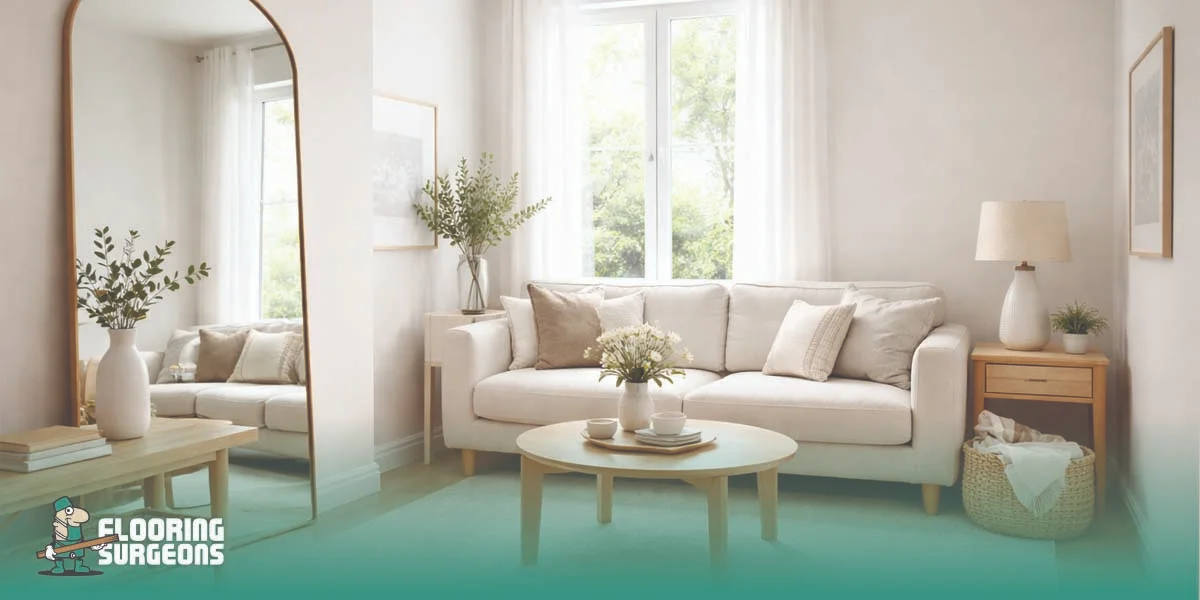
In interior design, flow between rooms refers to how smoothly spaces connect both visually and physically. A home with good flow allows the eye to travel naturally while movement through the layout feels effortless. Instead of experiencing each room as a separate environment, the entire home feels cohesive and organised.
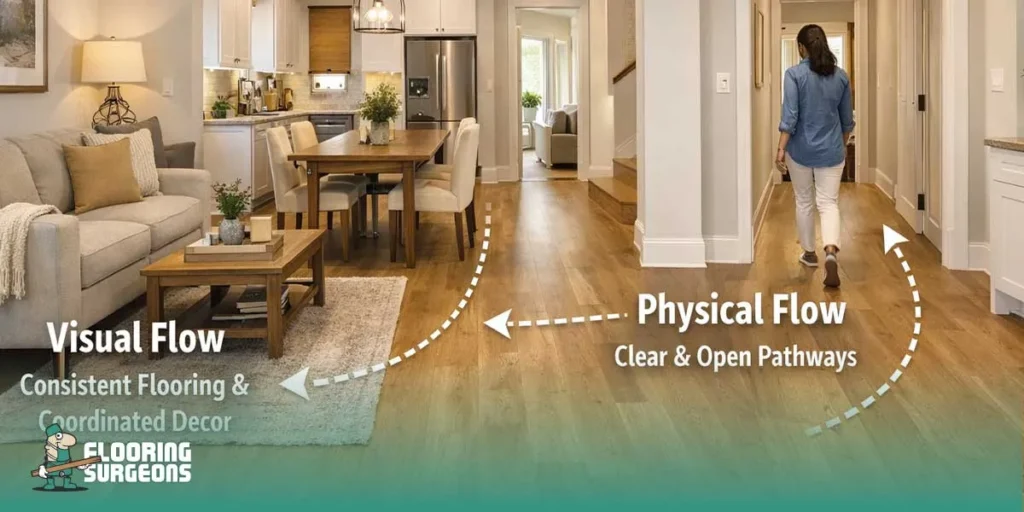
Designers usually evaluate this connection through two related concepts: visual flow and physical flow.
- Visual Flow vs Physical Flow
Visual flow describes how the eye moves through a home. When colours, materials and flooring remain consistent across rooms, the eye continues naturally from one space to the next. Flooring is especially influential in this process. When the same flooring material extends across connected areas, it creates a continuous visual surface that links the rooms together.
Physical flow relates to movement through the home. Furniture placement, doorway alignment and circulation paths determine how easily people move between spaces. A room may appear visually harmonious but still feel uncomfortable if walkways are blocked or poorly planned. The most successful interiors combine both elements so visual continuity and movement support one another.
- Why Flow Matters in Modern Homes
Modern homes increasingly feature open layouts where several living areas share the same environment. Kitchens connect with dining spaces and living rooms often open directly into hallways or extensions.
Without thoughtful planning, these spaces can feel cluttered or disjointed.
Strong room-to-room flow improves everyday living in several ways. Rooms appear larger because the eye travels across uninterrupted surfaces. Movement through the home becomes easier because circulation paths remain clear. At the same time, cohesive design makes the property feel more refined and intentional.
One of the most effective ways to achieve this cohesion is through consistent flooring, which anchors the layout and visually links adjacent spaces.
Why Some Homes Feel Disconnected
Even homes with beautiful furniture and décor can feel awkward if the design lacks cohesion. This often happens when each room is planned independently rather than as part of a unified layout.
Small inconsistencies accumulate over time. Flooring materials change abruptly. Colour palettes shift dramatically. Furniture blocks sightlines and disrupts circulation.
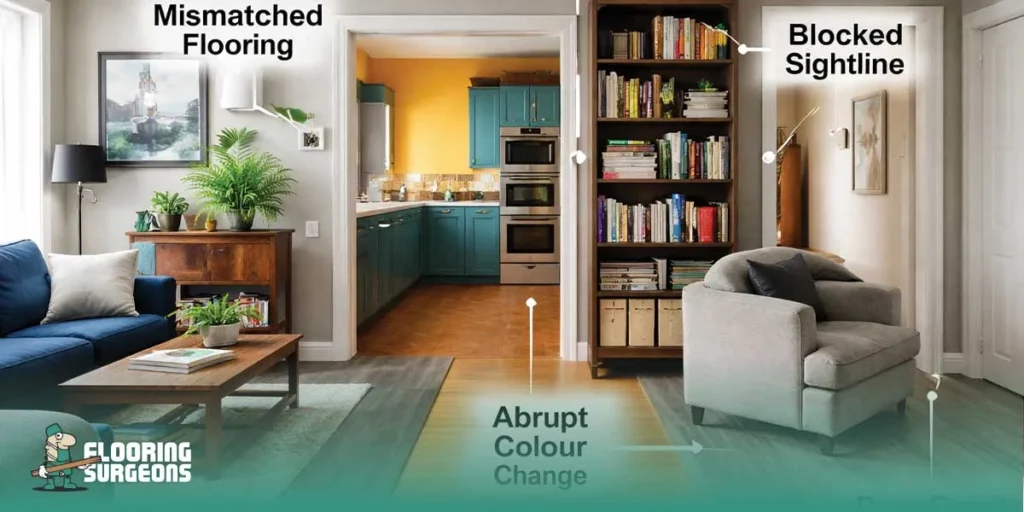
Individually these choices may seem minor, but together they interrupt the overall flow of the home.
The most common design mistakes include:
• Mismatched flooring that breaks visual continuity between rooms
• Abrupt colour changes that make transitions feel jarring
• Blocked sightlines created by oversized furniture or storage
• Poor furniture layout that interrupts natural circulation
• Narrow walkways that make movement uncomfortable
Many of these issues stem from structural design decisions rather than decorative ones. Flooring continuity, spatial planning and clear sightlines often have a greater impact on flow than decorative accessories.
Design Principles That Create Natural Flow Between Rooms
Interior designers rely on several core principles to ensure rooms connect naturally while still maintaining their own purpose.
Use a Consistent Flooring Foundation
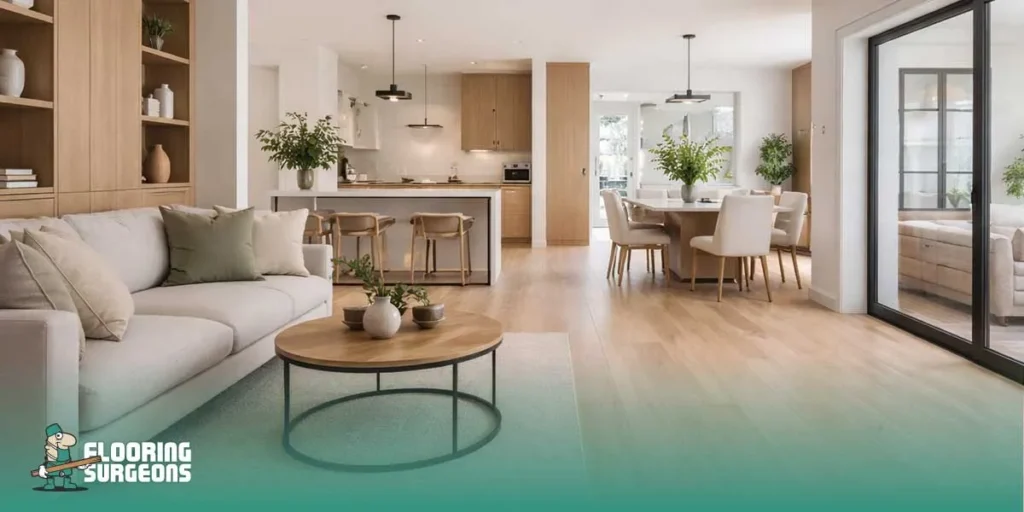
Flooring has one of the strongest influences on room-to-room flow because it spans across large areas of the home. When the same flooring material continues from one room to another, the eye perceives the spaces as part of a single environment.
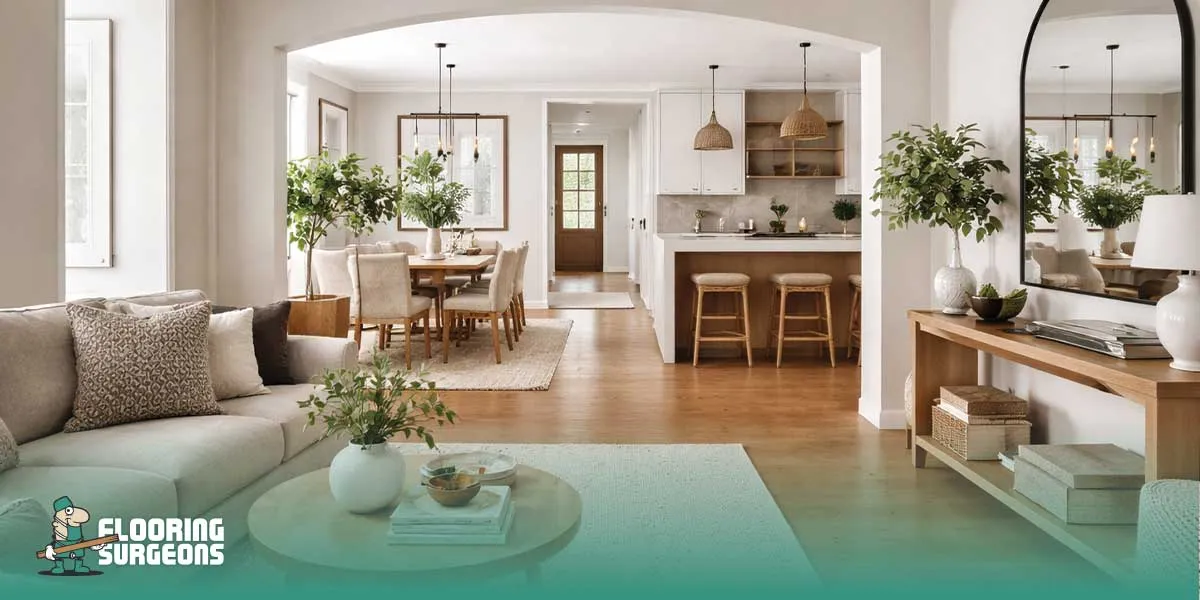
This approach is widely used in open plan homes where living, dining and kitchen areas share the same visual space. Extending hardwood flooring from a hallway into the living room and dining area, for example, creates immediate continuity. Even when wall colours or furniture styles differ, the consistent flooring surface maintains cohesion.
Continuous flooring can also make spaces appear larger because there are fewer visual interruptions between rooms.
Create a Unified Colour Palette
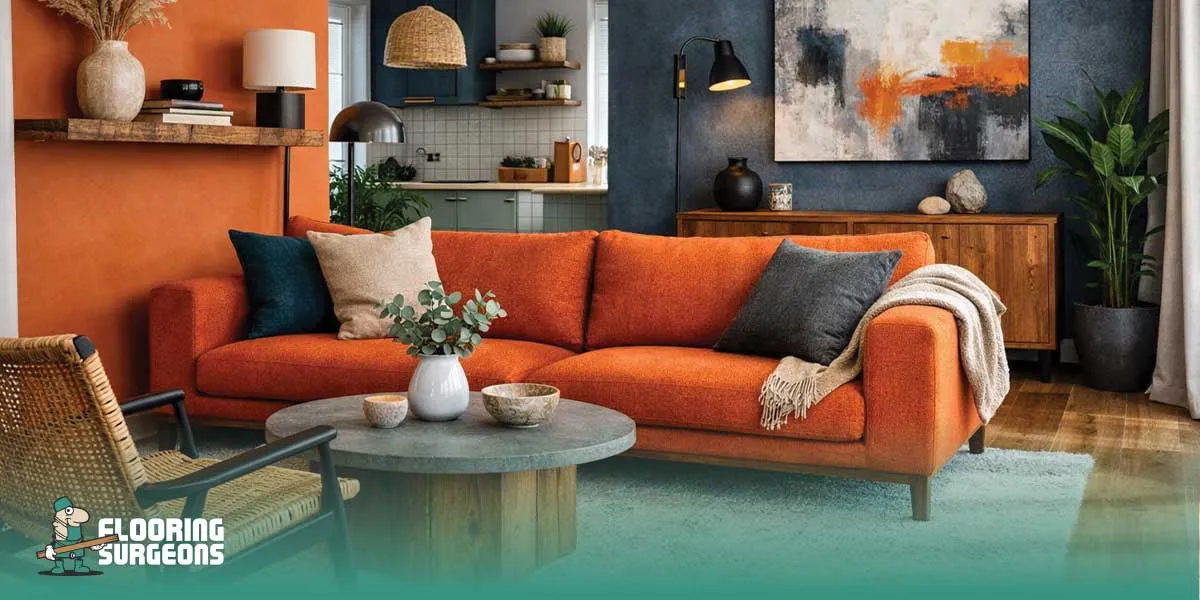
Rooms do not need identical colours to feel connected. What matters is that they share a coordinated palette. Designers often work with a small group of complementary tones that appear throughout the home in subtle ways. A colour used in one room might reappear in upholstery, artwork or accessories in another space.
This repetition helps rooms relate to one another while still maintaining individual character.
Plan Furniture Layout Around Traffic Flow
Furniture should support natural movement through the home rather than interrupt it. Designers typically organise furniture around clear circulation paths that connect doorways, hallways and seating areas. When these routes remain open, movement feels effortless and the space appears more organised.
Even small adjustments in furniture placement can significantly improve how rooms connect.
Maintain Clear Sightlines and Repeated Materials
Visual connections between rooms also depend on sightlines. When the eye can travel across multiple spaces without obstruction, the home feels more open and cohesive. Large furniture pieces placed directly in entryways or main pathways can interrupt these sightlines. Keeping these areas visually open helps preserve the sense of connection.
Repeating certain materials also strengthens visual continuity. Wood tones used in flooring might appear again in shelving or furniture frames, while metal finishes may repeat across lighting fixtures and hardware.
These subtle repetitions create harmony across the home.
Design Transitions Intentionally
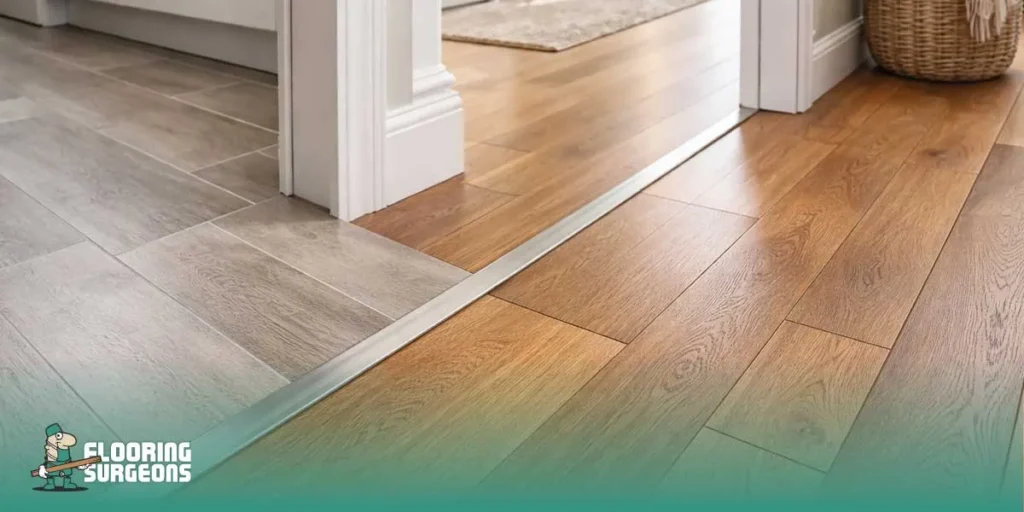
Not every room can share the same flooring material. Kitchens and bathrooms often require surfaces that handle moisture or heavy use. However, transitions should feel intentional rather than abrupt. Aligning flooring changes with architectural boundaries and selecting complementary tones helps maintain continuity.
Balance Cohesion With Room Identity
While cohesion is important, every room should still reflect its function. Bedrooms, kitchens and living areas naturally require different atmospheres.
The goal is balance. Consistent materials and thoughtful layout planning allow rooms to feel distinct while still belonging to the same design story.
Why Flooring Plays the Biggest Role in Room-to-Room Flow
Among all interior design elements, flooring has perhaps the greatest influence on spatial continuity. Walls divide rooms, but flooring links them.
Because it covers such a large visual area, flooring establishes the base layer that supports the rest of the design.
When flooring changes too frequently between rooms, the eye experiences constant interruptions. Each doorway becomes a visual boundary that separates spaces instead of connecting them.
Continuous Flooring vs Mixed Flooring
Continuous flooring refers to using the same flooring material across multiple connected spaces. This approach creates a seamless visual plane that encourages the eye to move naturally through the home.
Hardwood flooring, luxury vinyl plank and certain laminate floors are commonly used for this purpose because they can extend across large areas without interruption.
Mixed flooring introduces different materials between rooms. While sometimes necessary, excessive variation can fragment the layout and weaken the sense of continuity. If you are weighing up consistency versus practicality, our guide on should flooring be the same throughout the house explores when a continuous look works best and where a material change makes more sense.
How Flooring Creates Visual Continuity
Flooring influences visual flow in several ways. A consistent flooring surface allows other elements such as wall colours or furniture styles to vary without disrupting cohesion. Plank direction can also subtly guide movement through the space, while consistent colour tones help transitions feel smooth rather than abrupt. If you want to understand why some layouts feel instantly calmer and more connected than others, our piece on how floor patterns control eye movement in a room explains how direction, pattern and repetition influence visual flow.
When chosen carefully, flooring becomes the connecting element that links every room in the home.
Best Flooring Options for Creating Flow Between Rooms
Because flooring forms the visual base of a home, choosing the right material can significantly improve how spaces connect.
The following options are commonly used to create smooth transitions between rooms.
| Flooring Type | Flow Quality | Best For |
| Hardwood | Excellent | Open floor plans |
| Luxury Vinyl | Very Good | Modern homes |
| Tile | Good | Kitchens |
| Laminate | Good | Budget homes |
Hardwood flooring remains one of the most effective materials for continuous interiors.For homeowners comparing timber options, understanding the difference between solid wood and engineered wood flooring is essential before choosing a surface that delivers both continuity and long-term practicality. Its natural grain and seamless installation allow it to extend across hallways, living rooms and dining areas without interruption.
Luxury vinyl plank offers a similar visual continuity while providing excellent durability and moisture resistance, making it suitable for busy households.
Tile flooring is often used in kitchens or bathrooms where water resistance is important. When paired with complementary colours, tile can still integrate smoothly with nearby flooring materials.
Laminate flooring provides a cost effective option for homeowners who want consistent flooring across larger areas while maintaining visual cohesion.
Flooring Transitions: How to Connect Different Rooms Smoothly
Sometimes practical considerations require different flooring materials in certain rooms. Kitchens and bathrooms often need surfaces that handle moisture or heavy use.
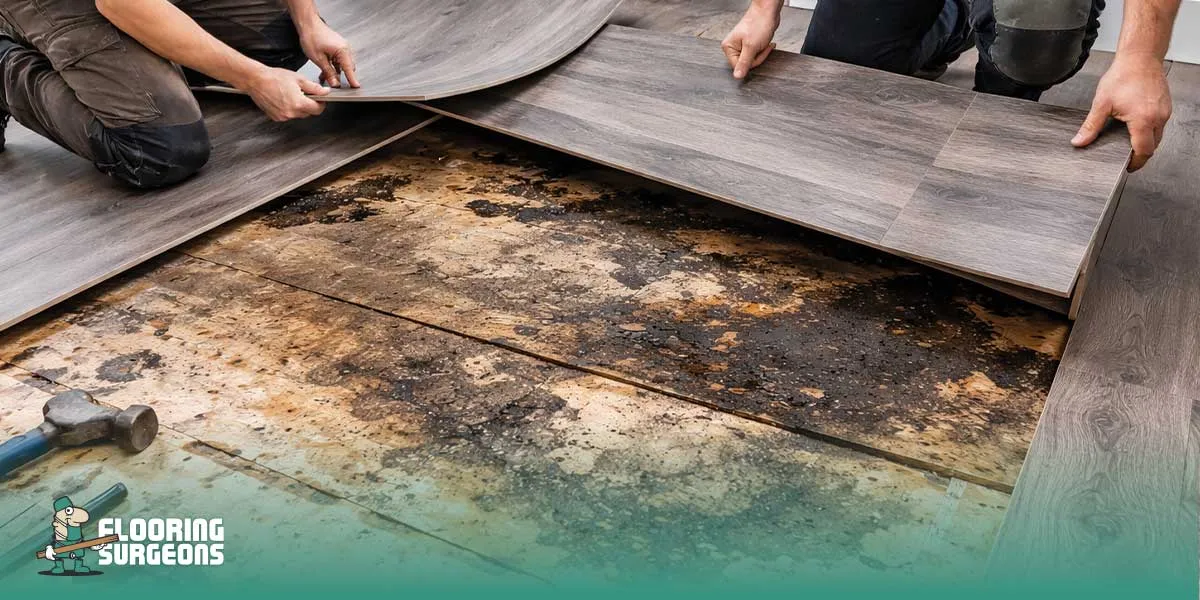
When flooring changes between rooms, the transition must be handled carefully. Poor transitions can interrupt visual flow and make spaces feel disconnected.
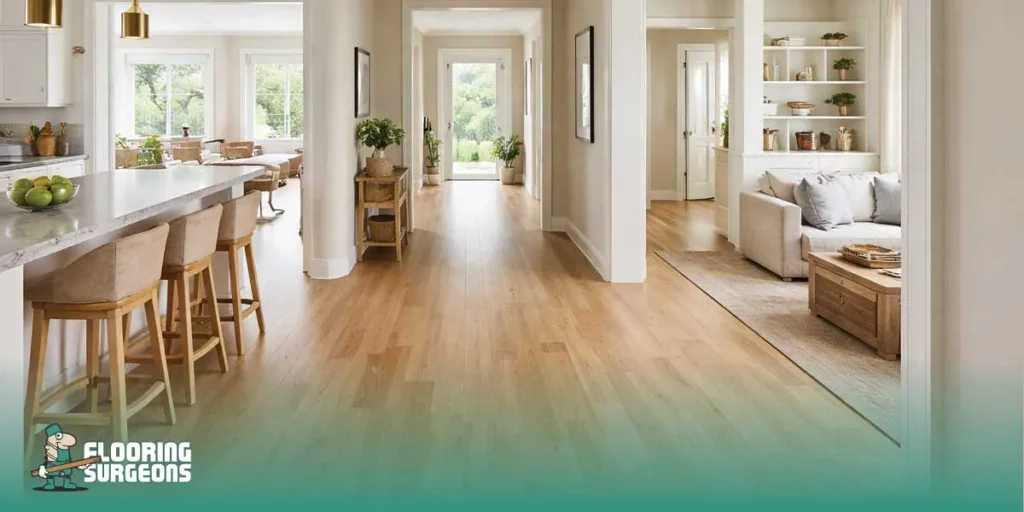
- Transition Strips
Transition strips are commonly used to join two different flooring materials. These connectors create a smooth edge where one surface meets another. When chosen carefully, transition strips blend naturally with both materials and minimise visual disruption.
- Threshold Design
Thresholds are often placed in doorways where one room meets another. Instead of treating them purely as functional elements, designers frequently use them to organise the layout.
A well designed threshold can:
• mark the transition between spaces
• align flooring changes with architectural boundaries
• maintain visual order in the layout
- Material Changes Without Breaking Flow
Different flooring materials do not automatically disrupt cohesion. What matters is how they relate to one another.
Successful transitions usually follow a few principles:
• similar colour tones between materials
• consistent plank direction where possible
• transitions aligned with doorways or walls
When these details are handled carefully, mixed flooring layouts can still maintain strong room-to-room flow.
Open Floor Plan vs Traditional Layout: Which Creates Better Flow?
Both open plan and traditional layouts can achieve strong flow, but they rely on different strategies.
| Layout Type | Flow Characteristics | Flooring Strategy |
| Open Floor Plan | Large connected spaces | Continuous flooring works best |
| Traditional Layout | Separate rooms with doorways | Flooring transitions often required |
| Hybrid Layout | Mix of open and defined spaces | Combination of both approaches |
In open plan homes, consistent flooring across living, dining and kitchen areas usually creates the strongest visual continuity. That said, continuity does not mean every part of the space has to feel identical, and using flooring to define zones without walls can be a smart way to keep an open layout cohesive while still giving each area a clear purpose.
Traditional homes often rely on carefully designed transitions between rooms to maintain cohesion. Ultimately, successful design depends less on the layout itself and more on how flooring, circulation and spatial planning work together.
Design Tricks Interior Designers Use to Improve Room Flow
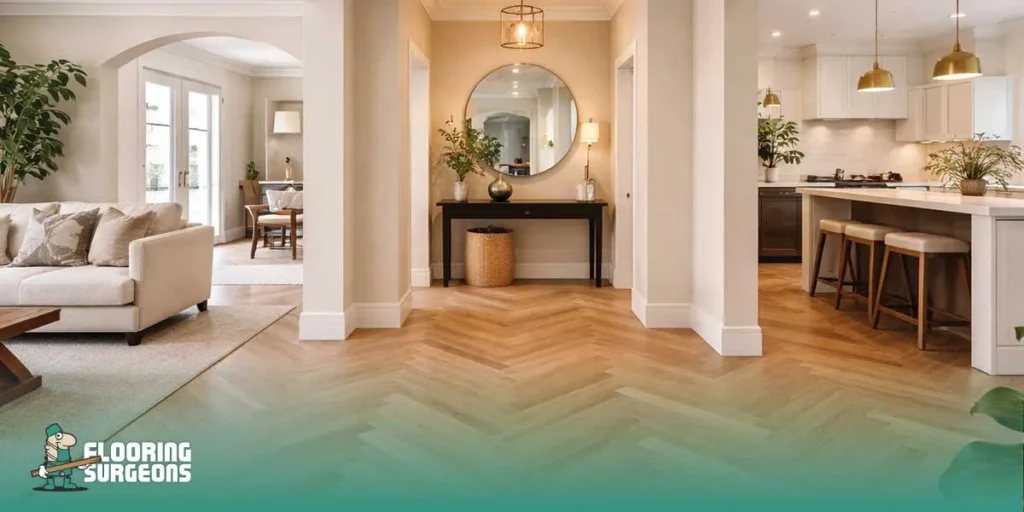
Interior designers often use subtle techniques to improve how spaces connect. In homes where you want more movement and character, chevron and herringbone flooring can add rhythm to the design, although these patterns work best when the surrounding palette and layout remain restrained.
Some of the most effective strategies include:
• consistent flooring across connected areas
• repeated colour tones between rooms
• aligned lighting styles
• hallway focal points that guide the eye
• open sightlines between spaces
When combined, these details reinforce the overall structure of the home and make the design feel more intentional.
How Flooring Surgeons Can Help You Create a Seamless Home
Creating strong room-to-room flow involves more than selecting a floor you like the look of. At Flooring Surgeons, we look at how material choice, layout, plank direction and transitions work together so the finished result feels cohesive across the whole home. Professional flooring specialists understand how flooring interacts with architecture and interior design.
At Flooring Surgeons, the focus is not simply installing new floors. It is helping homeowners choose flooring solutions that enhance the flow of the entire home. This may involve recommending continuous flooring across open areas, selecting materials that transition smoothly between rooms or advising on installation patterns that visually expand the space. With the right planning, flooring becomes the design element that connects every room.

Haniye Ayanmanesh
As an expert writer for Flooring Surgeons, I combine technical SEO knowledge with a practical understanding of flooring, producing content that helps users make confident decisions while supporting long-term organic growth.