


A renovation rarely goes over budget because of one big decision. More often, it’s a series of small design choices that quietly increase costs along the way—changing materials, choosing complex layouts, or following inspiration that doesn’t suit the space.
The 4 design pitfalls that will quickly drain your budget are common planning mistakes that push renovation costs higher than expected. Many homeowners focus on the visual side of a project but overlook how design decisions affect labour, materials, and installation.
Understanding these pitfalls early can make a significant difference. In this article, we’ll look at four design mistakes that frequently lead to budget overruns and explain how smarter planning can help you keep your project both stylish and financially under control.
Table of contents
1. Designing Without a Clear Budget Strategy
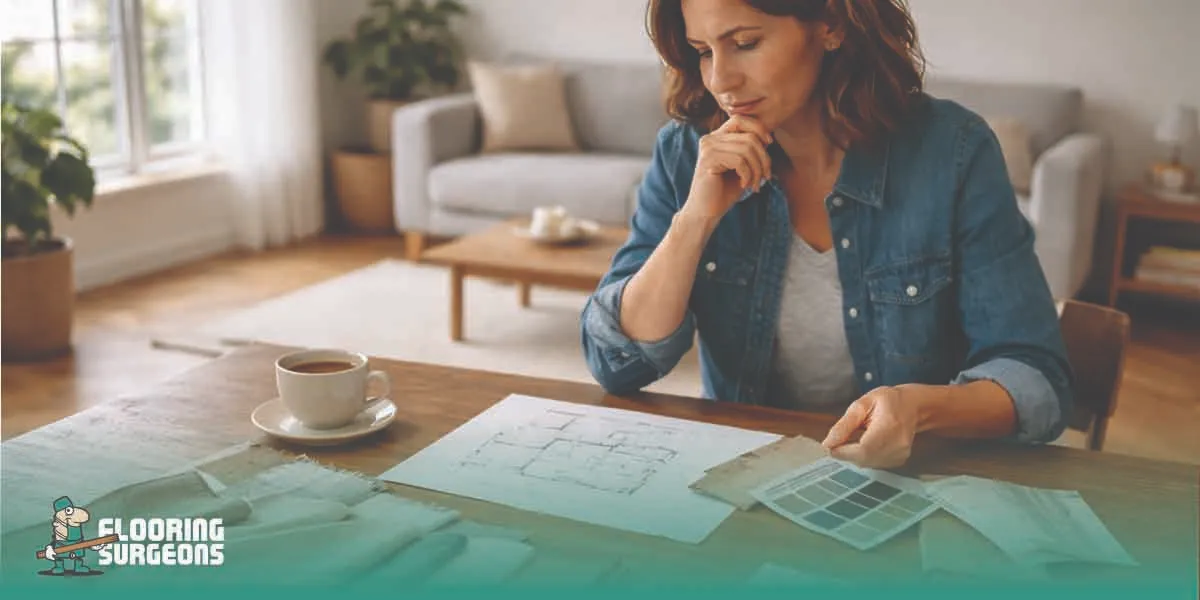
One of the most common design mistakes happens before the project even starts: making design choices without a clear budget. Many homeowners begin by selecting materials, layouts, or finishes they like, only to realise later that the combined cost is far higher than expected.
When a budget isn’t defined early, small upgrades quickly add up. A different material, a more complex layout, or higher-end finishes can quietly push the project beyond its limits.
Flooring is often where this becomes noticeable first. Material choice and installation complexity can significantly affect the overall cost, which is why understanding typical flooring installation costs in the UK before finalising a design can help prevent unexpected budget pressure.

2. Copying Inspiration Instead of Designing for Your Space
Inspiration is helpful, but copying it too closely can become expensive. Images from magazines or social media often show the final look of a space, not the practical details behind it.
The problem is that those designs may not suit the size, layout, or structure of your own home. Trying to recreate them exactly can require extra materials, more complex installation, or design changes that increase costs.
A better approach is to treat inspiration as a reference, not a blueprint. Adapting ideas to your space—and understanding how to choose the right patterned flooring when considering decorative layouts—helps keep the design realistic and the budget under control.

3. Changing Design Decisions Mid-Project
Changing design decisions after work has started is one of the fastest ways to increase costs. What seems like a small change—switching a material, adjusting a layout, or upgrading a finish—often creates additional labour and wasted materials.
These changes can also delay the project, which adds further expenses. Installers may need to redo completed sections, reorder materials, or adjust earlier work to match the new plan.
For this reason, experienced designers try to finalise key decisions before construction begins. Confirming materials, layouts, and finishes early helps keep the project moving smoothly and prevents unnecessary budget increases.

4. Ignoring Layout, Scale, and Spatial Planning
A design can look perfect on paper but still become expensive if the layout isn’t carefully planned. Poor spatial planning often leads to furniture that doesn’t fit the room properly or design features that need to be replaced later.
Scale is another common issue. Oversized furniture or poorly placed elements can make a room feel crowded and may require costly adjustments after installation.
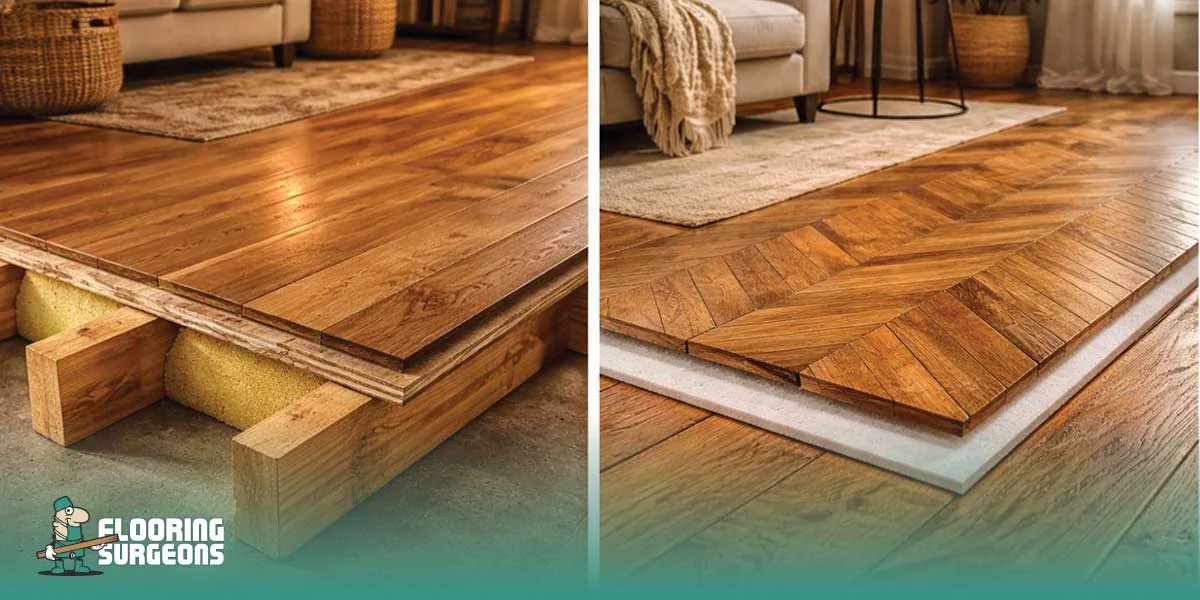
Floor patterns can also affect both design and cost. Layouts such as Herringbone Flooring add strong visual character, but they require more planning and precision during installation. Considering layout and proportions early helps prevent redesigns and keeps the project within budget.

Quick Overview of Budget-Draining Design Pitfalls
Before moving forward with any design project, it helps to look at the most common budget mistakes in one place. The table below summarises the key pitfalls and why they often lead to unexpected costs.
| Design Pitfall | Why It Increases Costs | Smarter Approach |
| No clear budget strategy | Design decisions are made without cost awareness | Define a realistic budget before choosing materials |
| Copying inspiration blindly | Social media designs ignore real space and cost constraints | Adapt ideas to fit your space and budget |
| Changing decisions mid-project | Rework increases labour and material expenses | Finalise key design decisions early |
| Ignoring layout and scale | Furniture or features may need replacing later | Plan room layout and proportions carefully |
Hidden Costs That Many Design Plans Overlook
Even when the main design decisions are clear, some costs only become visible once the project begins. These details are often overlooked during the planning stage, but they can still affect the final budget.
Common hidden costs in design projects include:
- Structural adjustments – Moving walls, altering layouts, or reinforcing existing structures can increase material costs.
- Custom design features – Built-in storage, bespoke furniture, or decorative elements often require additional work and materials.
- Installation complexity – Some design choices take more time and precision to execute, which increases costs.
- Material upgrades during the project – Changing finishes or switching to more expensive materials after work has started often leads to additional labour, delays, and wasted materials.
- Material alternatives – Different materials can create a similar visual effect while having very different costs. For example, many designers choose Engineered Wood Flooring as a more stable and practical alternative to traditional hardwood in certain spaces.
How Designers Keep Projects Within Budget
Professional designers rarely rely on guesswork. They follow a clear process that keeps design decisions aligned with the project budget from the beginning.
A few practical habits make a big difference:
- Planning before purchasing – Key decisions about layout, materials, and finishes are made before work begins.
- Prioritising function first – Designers focus on how a space will be used before choosing decorative elements.
- Comparing materials carefully – Different materials can create a similar look while having very different costs.
- Leaving room for contingencies – A small reserve in the budget helps absorb unexpected costs without disrupting the entire project.
When design planning and budgeting move together, it becomes much easier to create a space that looks good and stays financially realistic.
Final Thoughts on Avoiding Budget-Draining Design Pitfalls
Small design decisions can quietly push a project over budget. Starting without a clear plan, copying inspiration blindly, or changing choices mid-project are common pitfalls that increase costs faster than expected.
Careful planning and smart material choices make a big difference. If you’re looking for flooring that balances design, durability, and budget, the team at Flooring Surgeons can help you find the right option for your space.

Ana.Soltanpoor
I’m an SEO Specialist with a strong background in content management and organic search. I build data-driven content strategies by aligning user intent, search behavior, and SEO best practices to ensure every piece of content delivers clarity, relevance, and measurable organic performance.