



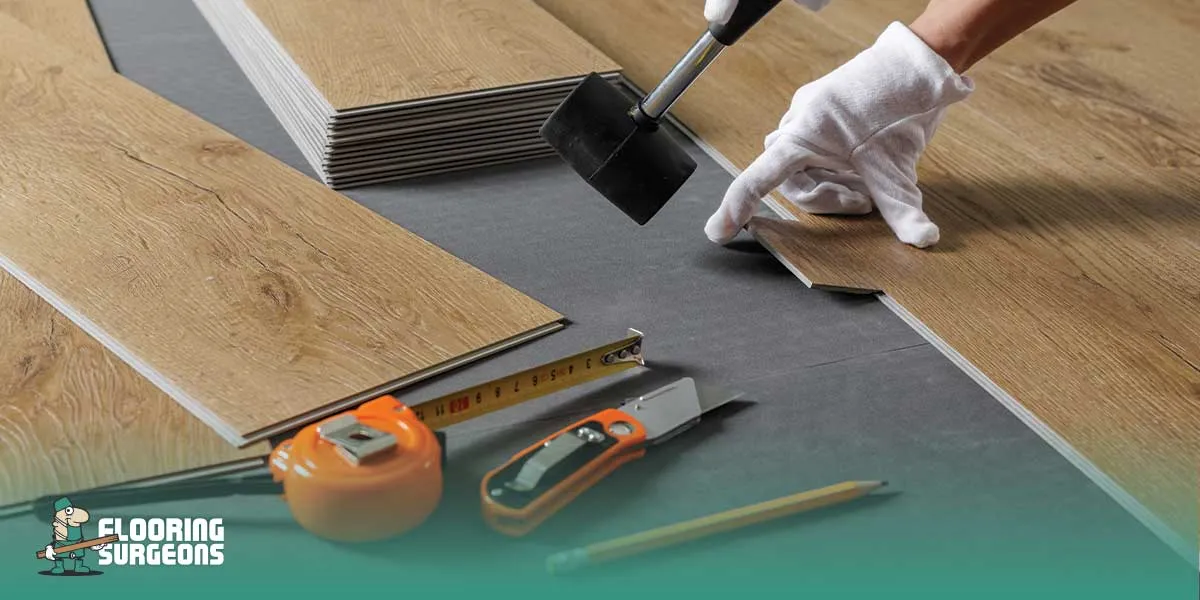
Most homeowners search for vinyl underlay because they’re unsure whether LVT or click vinyl actually needs one. The truth is straightforward: some vinyl floors require an underlay, some absolutely shouldn’t, and the right choice depends entirely on the type of vinyl and the condition of the subfloor. If you’re installing click LVT on uneven floorboards, underlay can be essential. If you’re laying glue-down vinyl on concrete, underlay is usually a mistake. And if your subfloor is already smooth and prepared? You might not need any extra layer at all.
The problem is that most guides oversimplify the topic, leaving homeowners confused or, worse, with floors that flex, gap, or fail prematurely. This guide fixes that. Here you’ll find clear, non-salesy answers based on how professional fitters evaluate vinyl floors: what type of vinyl you’re using, what surface it’s going on, when underlay improves performance, and when it causes more harm than good.

Table of contents
Do You Need an Underlay for Vinyl Flooring on Laminate?
Laying vinyl flooring over laminate is possible, but it works best when the laminate is solid, smooth, and free of movement. If the existing floor is level and firmly locked together, underlay is usually unnecessary; however, as soon as the laminate shows unevenness, hollow spots, or minor height variations, an additional layer becomes essential for stability. Underlay is particularly useful when the laminate has subtle ridges, slight dips, or light creaking, as vinyl will highlight these imperfections over time. But it’s crucial to understand that underlay is not a fix for damaged laminate. If the boards are warped, loose, or lifting, adding another layer won’t correct the problem and may even strain or separate the LVT click mechanism.
When an underlay is genuinely required, the correct choice is a thin, rigid LVT underlay (typically around 1–1.5mm). This type offers gentle surface correction and improved acoustic comfort without adding unwanted bounce. Softer foam underlays designed for laminate should never be used beneath Luxury Vinyl Flooring, as they compress too easily and compromise stability. If a homeowner plans to install an underlay under vinyl flooring on top of laminate, it must be a product explicitly rated for LVT. And if the laminate beneath is wavy, unstable, or excessively noisy, no underlay—rigid or otherwise—will compensate for those structural issues. In that scenario, repairing or replacing the laminate is the proper solution, as vinyl needs a firm, consistent foundation to perform correctly.
Underlay for Vinyl Flooring on Floorboards (When It’s Necessary)
Installing vinyl flooring on floorboards is only successful when the surface beneath is firm, level, and free from movement. Unlike laminate, timber floors often show slight dips between boards, raised knots, or natural grain lines—and these issues make underlay essential. Without a corrective layer, the texture of the floorboards eventually prints through the vinyl, causing visible ridges and shortening the life of the new floor.
Underlay also plays a significant role in sound reduction. Bare floorboards tend to amplify footsteps and produce hollow noise due to the gaps between joists. A rigid LVT-rated underlay adds density, stabilises the surface, and prevents the vinyl from flexing with each step. This is especially important in older UK properties where original floorboards are rarely perfectly flat.
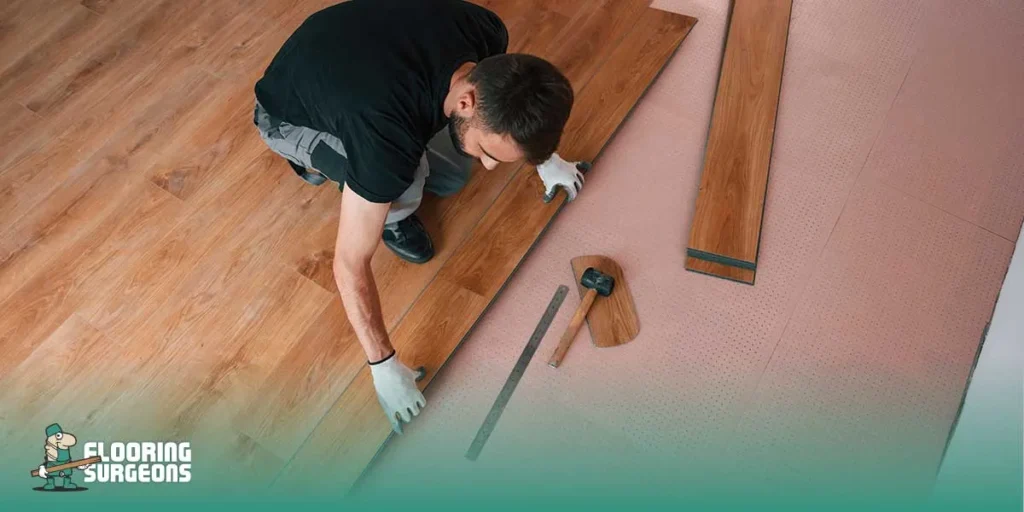
The right type of underlay depends entirely on how uneven the boards are. A thin, firm base is usually enough for mild inconsistencies, but deeper grooves or pronounced edges require a product designed specifically to smooth structural timber floors. Choosing the wrong material—especially soft foams—can cause your vinyl to shift under pressure, compromising the click joints and accelerating wear. For homeowners unsure which option suits their subfloor, installation guides from Flooring Surgeons offer reliable reference points on how different underlays behave beneath rigid LVT systems.
Why Uneven Floorboards Make Underlay Essential for Vinyl Installation
Floorboards naturally expand, contract, and shift with temperature and age. When these boards aren’t perfectly level, vinyl reacts immediately: edges become stressed, joints open slightly, and the surface starts showing faint lines where the gaps sit underneath. Underlay creates a stable, unified layer that separates the vinyl from these imperfections, giving it a supportive base that prevents movement and surface distortion.
How Underlay Stops Wood Grain and Board Gaps Showing Through Vinyl
Timber has texture—even when sanded—which means the wood’s pattern can transfer through thin vinyl over time. This is a common complaint when people install vinyl flooring on floorboards without preparing the surface. A rigid LVT underlay distributes pressure evenly, preventing the vinyl from sinking into gaps or highlighting raised edges, so the finished floor looks smooth rather than patterned by the timber beneath.
Best Underlay Options for Vinyl Flooring on Timber Floorboards
When the goal is stability, rigid LVT underlays are the safest and most reliable choice. Products in the 1–1.5mm range create a hard, resilient base that evens out subtle height differences between boards. These underlays are also designed to work with the locking system of click LVT, preventing joint stress and keeping the floor quiet and solid underfoot. In most UK homes—especially older terraces or Victorian properties—this type of underlay is the recommended starting point.
Foam Underlay for Vinyl Flooring – Is It Safe or Not?
Most homeowners assume that laminate foam underlay works under vinyl flooring, but this is rarely true. Standard foam is far too soft and compresses under pressure, which causes the vinyl above it to flex with every step. This flexing places constant stress on click joints, causes slight surface movement, and dramatically increases the risk of gaps or breakage over time.
The real issue isn’t just softness—it’s the lack of structural support. Vinyl, whether click LVT or glue-down, needs a firm base that spreads weight evenly. Foam allows too much give, which is why installations that use it often feel springy or unstable underfoot. Even when the subfloor is level, soft foam can undermine the floor’s rigidity. Some people look for alternatives, assuming that rubber underlay might offer an upgrade. While it’s denser than basic foam, most rubber products are still too flexible for LVT unless they’re specialist high-density versions explicitly designed for rigid-core vinyl. They reduce noise well, but they don’t entirely prevent the subtle sinking that damages click systems.

Fibreboard performs very differently and is the closest alternative to a rigid underlay. It provides structured firmness, bridges small dips, and resists compression far better than either foam or standard rubber. This is why fibreboard is often chosen when a timber subfloor needs minor correction before the vinyl is laid. It stabilises the surface without introducing unwanted movement, which is essential for installations that depend on a firm base. For homeowners comparing options or planning the following steps, guides on how to install vinyl flooring can help clarify where fibreboard fits into the preparation process. And while foam underlay for vinyl flooring does exist, it’s only safe when it’s a high-density product engineered for LVT—not generic laminate foam. In most homes, especially where stability matters, the materials that truly support vinyl are those that stay firm under pressure rather than cushion it.
How to Lay Underlay for Vinyl Flooring (Simple Step-by-Step)
If you need to know how to lay underlay for vinyl flooring correctly, these steps cover the essential process without unnecessary detail:

Step-by-Step Process
- Clean the subfloor thoroughly: Remove dust, debris, old adhesive, and anything that could interfere with a flat installation.
- Check for level and stability: Fill minor dips, secure loose boards, and ensure the surface is substantial before adding underlay.
- Measure and cut the underlay: Pre-cut pieces to fit the room, allowing clean edges without forcing material into corners.
- Lay the underlay flat: Position each sheet or roll with edges aligned; avoid overlapping, as this causes raised seams under the vinyl.
- Tape or fix the joints securely: Use appropriate joint tape to connect underlay sections without adding bulk or stepping points.
- Ensure the surface remains rigid: Double-check that the underlay doesn’t shift, compress, or bounce under pressure.
- Prepare for vinyl installation: Sweep again, confirm full coverage, and check that nothing is trapped beneath the underlay.
- Install the vinyl flooring according to the manufacturer’s instructions: Follow the click-system or glue-down guidelines exactly to maintain warranty compliance.
Key Installation Notes
- Never use soft, laminate-style foam underlay, as it causes flexing and joint failure.
- Avoid overlapping underlay sheets, which can telegraph through LVT.
- For internal linking: This section can naturally link to a “Vinyl Flooring Installation Guide” or “LVT Click Flooring Installation Tips” page.
Waterproof Underlay for Vinyl Flooring – When Should You Use It?
You only need waterproof underlay for vinyl flooring in spaces where moisture is consistently present—such as kitchens, utility rooms, and basements. These areas are more prone to humidity and unexpected spills. Hence, a moisture-resistant layer protects the vinyl from gradual damp transfer and helps maintain the integrity of the click system over time.
Waterproof underlay is especially effective when installing click LVT on concrete or in rooms where appliances like washing machines and dishwashers create regular condensation. It reduces the risk of moisture rising into the boards, prevents swelling around the click joints, and adds a stable, protective barrier without affecting the floor’s performance for homes where acoustic comfort matters. Many waterproof options also offer a moderate sound-dampening benefit.

However, it’s not always the right choice. In properties with a wooden subfloor that’s already ventilated and dry, adding a waterproof layer can trap moisture rather than prevent it. This leads to odour, mould growth, and instability beneath the vinyl. It’s also unnecessary when laying sheet vinyl on a perfectly dry, sealed concrete slab—extra waterproofing offers no added value and merely increases cost. For click LVT, a thin, rigid, waterproof underlay is ideal because it blocks moisture while keeping the surface firm enough to support the locking mechanism. For sheet vinyl, a waterproof underlay is only helpful if the subfloor is prone to damp; otherwise, the vinyl can be laid directly onto a dry, prepared base.
In short: use waterproof underlay only when moisture is a fundamental factor, avoid it where airflow is essential, and always match the underlay’s rigidity to the type of vinyl you’re installing.
Benefits of Using Underlay with Vinyl Flooring – And How to Choose the Right One
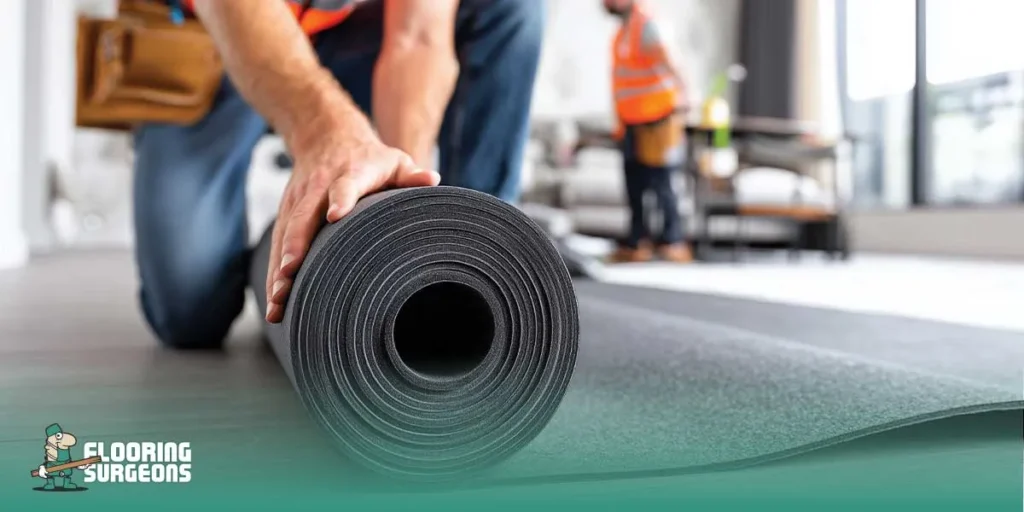
Understanding the Benefits of Using Underlayment with Vinyl Flooring helps you decide when underlay genuinely improves performance and when choosing the right type prevents long-term issues. Vinyl flooring doesn’t always require an extra layer, but when it does, the right underlay can significantly enhance comfort, durability, and surface quality.
Clear Advantages of Using Underlay with Vinyl Flooring
Using an underlay beneath vinyl flooring isn’t always required, but when comfort, stability, or acoustic performance matters, the right underlay can make a noticeable difference. Before going into the specifics, here’s what homeowners typically gain when the correct underlay is used.
- Sound Reduction:
Underlay absorbs footstep noise and reduces echo—especially useful in multi-storey homes, flats, and rooms above living areas. - Thermal Comfort:
A dense underlay helps retain warmth, reducing the cold feel of concrete or suspended timber floors. - Smoothing Minor Subfloor Imperfections:
Rigid LVT underlays bridge small dips and subtle height differences, ensuring the vinyl sits evenly without flexing. - Longer Lifespan for Click LVT:
A stable, non-compressible base prevents strain on the locking joints, protecting them from gaps, pressure damage, and movement. - Preventing Subfloor Texture from Showing Through:
Underlay prevents print-through—where grain lines, screw heads, or small depressions become visible on the finished vinyl surface.
Best Underlay Options for Vinyl & LVT (Buying Guide)
To make the decision easier, the table below provides a clear, quick comparison of the best underlay choices for different subfloors and installation scenarios:
Underlay Comparison Table
| Subfloor Type / Scenario | Recommended Underlay | Why It Works | Avoid |
| Click LVT on the level concrete | 1–1.5mm rigid LVT underlay | Prevents flex, supports joints | Soft foam, laminate underlay |
| Timber floorboards (minor dips) | Fibreboard or rigid vinyl underlay | Bridges gaps, adds firmness | Rubber underlay (too flexible) |
| Dry concrete for sheet vinyl | No underlay or thin rigid base | Sheet vinyl doesn’t need extra cushioning | Waterproof underlay unless there is a moisture risk |
| Kitchens & utility rooms | Waterproof rigid LVT underlay | Protects against moisture & appliances | Anything soft or compressible |
| Old timber floors with slight movement | High-density vinyl-specific underlay | Adds stability without bounce | Any foam not rated for LVT |
Underlays You Should Avoid (At All Costs)
- Standard laminate foam: compresses immediately, causing vinyl to flex.
- General-purpose rubber underlay: too elastic unless it’s a premium vinyl-rated version.
- Thick cushioned underlays cause instability and joint stress.
- Any material labelled “for carpet or laminate only.”

Haniye Ayanmanesh
As an expert writer for Flooring Surgeons, I combine technical SEO knowledge with a practical understanding of flooring, producing content that helps users make confident decisions while supporting long-term organic growth.