

If you’re dealing with unwanted noise at home, it’s natural to ask does carpet help soundproof your space or if it simply makes a small difference. Whether you live in a flat, a terraced house, or a busy household, flooring choice plays a bigger role in noise control than many people expect.
In this guide, we break down what carpet really does for sound, how it compares to hard flooring, and what to realistically expect.
Table of contents
What Is Soundproofing?
Before going any further, it’s important to understand the difference between soundproofing and sound absorption.
Soundproofing focuses on blocking sound from entering or leaving a space. This usually requires structural solutions. Sound absorption, on the other hand, reduces echo and noise levels within a room.
This distinction helps clarify does carpet help with soundproofing, or if it simply improves acoustic comfort.
Does Carpet Absorb Sound?
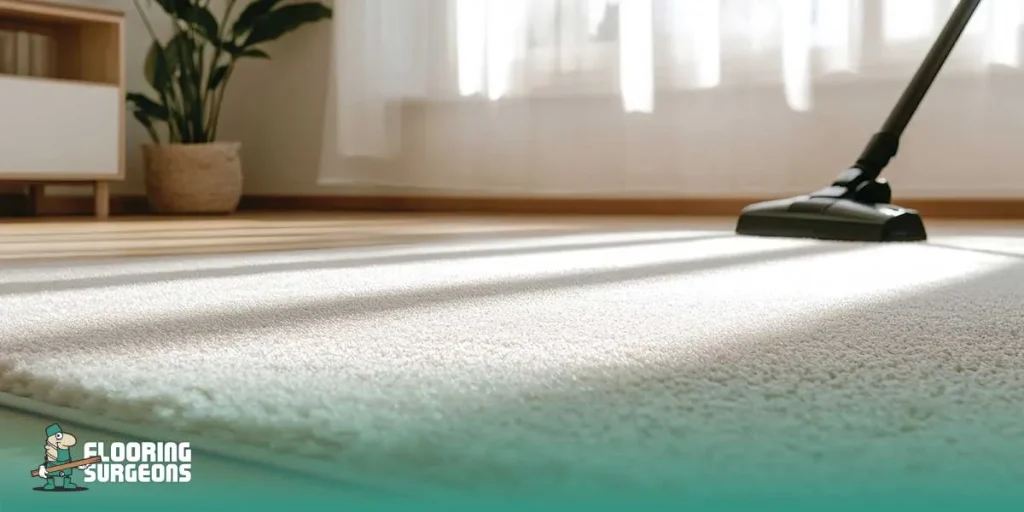
So, does carpet help absorb sound? Yes—very effectively.
Carpet fibres trap sound waves, reducing echo and reverberation. This is especially noticeable in rooms with minimal furniture or hard surfaces. Compared to bare floors, carpet can dramatically soften how a room sounds.
That said, absorption is not the same as complete sound isolation.
What Types of Noise Can Carpet Reduce?
Many homeowners ask does carpet reduce noise in everyday situations. Carpet is particularly effective against:
- Impact noise like footsteps and movement
- General room echo
- High-frequency airborne sounds
This is why people often notice quieter rooms once carpet is installed. In practical terms, do carpets help with noise? Absolutely—especially inside the same space.
Does Carpet Help With Noise From Neighbours?
A very common concern is does carpet help with noise coming from neighbouring flats or rooms.
Carpet can:
- Reduce the noise you create for neighbours below
- Slightly absorb ambient noise entering your room
However, it won’t fully block sound travelling through walls or ceilings. This explains why carpeting is often required in flats, but full soundproofing still needs additional measures.

Carpet vs Hard Flooring: Why Surface Choice Matters
Hard flooring reflects sound rather than absorbing it. This includes wood, tile, and many modern finishes. It’s one reason people ask is carpet good for soundproofing compared to other options.
While alternatives like Laminate flooring offer durability and style, they tend to amplify impact noise unless paired with specialist underlay.
Can Rugs Make a Difference?
If full carpeting isn’t possible, you might wonder do rugs help with soundproofing.
Rugs can help reduce echo and soften footfall noise in specific areas, especially when paired with thick padding. However, their impact is limited compared to wall-to-wall carpet coverage.
How Carpet and Underlay Work Together
Carpet alone helps, but underlay significantly improves performance. Dense underlay reduces vibration and limits sound transfer through the floor.
To make this clearer, here’s a simple comparison:
| Flooring Setup | Impact Noise Reduction | Echo Control | Overall Noise Comfort |
| Bare hard floor | Very low | Very low | Poor |
| Hard floor + rug | Low | Medium | Fair |
| Carpet without underlay | Medium | High | Good |
| Carpet with quality underlay | High | Very high | Excellent |
This highlights why carpet systems are so widely used in noise-sensitive spaces.

Carpet or Laminate: Which Is Better for Noise?
Homeowners often debate which is better carpet or laminate flooring when balancing acoustics and practicality.
Carpet is better if:
- Noise reduction is a priority
- The room is upstairs or shared
- Comfort and quiet matter
Laminate may suit spaces where maintenance and aesthetics take priority, but it usually needs acoustic upgrades to control sound.
So, Does Carpet Help Reduce Noise Overall?
To answer the big question—does carpet help reduce noise? Yes, without a doubt. Carpet improves acoustic comfort by absorbing sound and reducing impact noise, making rooms feel calmer and more private. At Flooring Surgeons, we help homeowners choose flooring solutions that suit both lifestyle and comfort, ensuring your space looks good and sounds right.

Mina Asgari
I’m an SEO Specialist and Content Strategist focused on sustainable business growth. I design data-driven content strategies by deeply analyzing user intent, search behavior, and SEO best practices, ensuring every piece of content serves a clear purpose for both users and search engines.