


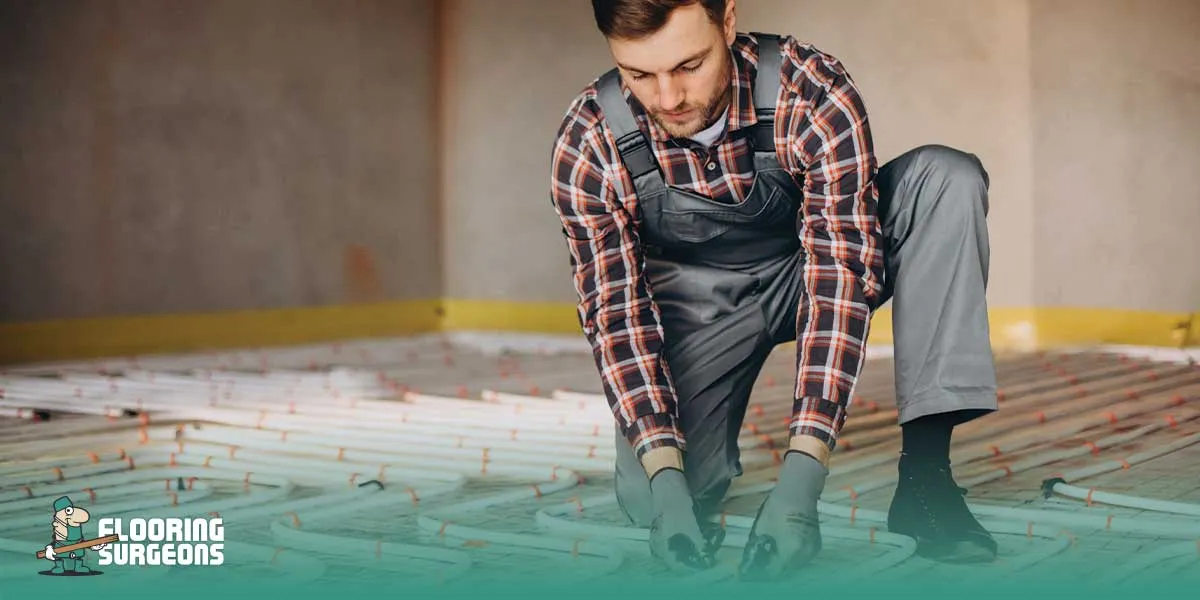
If you are asking yourself the question “Does underfloor heating need bleeding?”, the answer is sometimes. In most cases, underfloor heating does not need to be bled regularly. Electric underfloor heating almost never needs bleeding, but water underfloor heating may need bleeding from time to time to eliminate any trapped air.
In this article, we are going to be answering all your questions about bleeding underfloor heating, when and how to bleed it, and we will also give you some of our top maintenance tips. We’ll show you how to tell if your underfloor heating needs bleeding and what to do if it does. So if you’re not sure if you should be bleeding your underfloor heating or not, read on for our advice.
Table of contents
When Do You Need to Bleed Underfloor Heating?
Generally, underfloor heating bleeding is not something you’ll have to do on a regular basis. However, there are a few instances where underfloor heating bleeding might be needed. Let’s take a look at the most common situations in which your underfloor heating system may need bleeding:
After Installation
During installation, air can get trapped in the system. It’s important to bleed underfloor heating immediately after installation to ensure that it works efficiently from day one.
After Refill
If the system has been drained for maintenance or repair work, underfloor heating bleeding will be necessary after refilling to release trapped air in the system.
Signs of Air in the System
- Gurgling or Hissing Sounds: These sounds are a sign that air is trapped in the system.
- Uneven Heating: Cold spots or areas not heating up properly are usually an indication of trapped air.
- Reduced Performance: A drop in heating performance can be caused by air in the system.
Additionally, for optimal performance, consider using Underfloor Heating Underlay to improve heat distribution and ensure your system operates efficiently.

Step-by-Step Process for Bleeding Underfloor Heating
If you’re wondering “Do you have to bleed underfloor heating?”, here’s a simple guide to help you understand the process and how to do it correctly.
- Turn Off the System: Before beginning, turn off the system to ensure safety. This will prevent any burns or injuries from hot water.
- Locate the Manifold: The manifold is the central control unit for your underfloor heating. It’s typically located near the boiler and will have the bleed valves.
- Check System Pressure: Check the pressure gauge to ensure it’s at the recommended level. If the pressure is too low, you’ll need to top it up before proceeding.
- Start Bleeding the System: Begin with the lowest valve and open each bleed valve one by one. You should hear a hiss as air escapes. Once water flows steadily, close the valve and move to the next one.
- Repeat for All Valves: Continue to bleed underfloor heating starting from the lowest point and move upwards through the system. This ensures that air is removed from every section of the system.
- Top Up the Pressure: If the pressure drops during the process, top up the system with water to maintain the correct pressure.
- Test the System: Once all the valves have been bled and closed, restart the system and check for any air pockets or cold spots.
For professional advice or assistance with your underfloor heating system, don’t hesitate to contact Flooring Surgeons. We can guide you through the process or provide expert services to ensure your system is running efficiently.
Maintenance Tips for Underfloor Heating
Maintaining your underfloor heating system is essential to ensure it operates efficiently and prevents the need for frequent repairs or bleeding. Here are some key tips for preventing underfloor heating issues before bleeding underfloor heating becomes necessary:
Get an Annual Service
Having a qualified professional service your underfloor heating system annually helps identify potential issues before they develop into major problems. This proactive step can extend the life of your system and reduce the need for bleeding underfloor heating UK.
Check for Leaks
Small leaks around the manifold, valves, and pipe connections can escalate into bigger issues. Regularly inspecting these areas will help detect leaks early and prevent significant damage to your system.
Monitor the Pressure Levels
Low pressure is a common cause of air entering the system, which can lead to inefficient heating. Keep an eye on your pressure gauge and, if necessary, top up the system to maintain optimal performance.
Flush the System Occasionally
Flushing your system at least once every few years is vital to remove any buildup of debris or sludge. This helps prevent blockages and ensures water flows freely through the system, maintaining high efficiency.
If you’re also considering how your flooring choice impacts the efficiency of your heating system, selecting the best flooring for underfloor heating is just as important as proper maintenance. The right flooring can improve heat transfer, reduce energy costs, and enhance long-term performance. Be sure to explore our in-depth guide to make an informed decision and get the most out of your underfloor heating system.
Best Flooring for Underfloor Heating
Choosing the right flooring is crucial for optimal performance. QuickTherm Underfloor Heating Laminate & Wood Flooring Underlay is a great option as it improves the efficiency of your system by enhancing heat transfer and ensuring better overall performance.
By following these tips, you can ensure your underfloor heating system runs smoothly and avoid the hassle of how to bleed in floor heating system in the future. Regular maintenance is key to preventing issues and maintaining long-term system efficiency.
For improved heat transfer and long-lasting performance, choose QuickTherm Underfloor Heating Laminate & Wood Flooring Underlay.
👉 View product specifications and benefits : https://www.flooringsurgeons.co.uk/product/quicktherm-vapour-underfloor-heating-laminate-wood-underlay/
Common Questions About Underfloor Heating
| Question | Answer |
| Do you need to bleed underfloor heating? | Occasionally, when air gets trapped in the system or after installation and maintenance. |
| How to bleed underfloor heating? | Follow the steps above: turn off the system, check pressure, open bleed valves, and remove trapped air. |
| Can you bleed underfloor heating? | Yes, you can, but make sure to do it properly to avoid damage to the system. |
| Why is underfloor heating not working? | It could be due to trapped air in the system. Bleeding it will resolve the issue. |
Conclusion
In summary, bleeding underfloor heating is not a regular process, but is necessary at times to maintain your system’s efficiency. Bleeding underfloor heating system is required when air becomes trapped in the system, causing reduced performance and uneven heating. To prevent frequent bleeding, it is crucial to carry out regular maintenance and monitor the system’s pressure levels.
If you are planning to install an underfloor heating system, ensure you use high-quality engineered flooring that is compatible with heating systems. Additionally, investing in a QuickTherm Underfloor Heating Laminate & Wood Flooring Underlay will enhance heat distribution and improve system performance.
As always, if you need more expert advice or product recommendations, don’t hesitate to reach out to your flooring professionals at Flooring Surgeons.

Mina Asgari
I’m an SEO Specialist and Content Strategist focused on sustainable business growth. I design data-driven content strategies by deeply analyzing user intent, search behavior, and SEO best practices, ensuring every piece of content serves a clear purpose for both users and search engines.