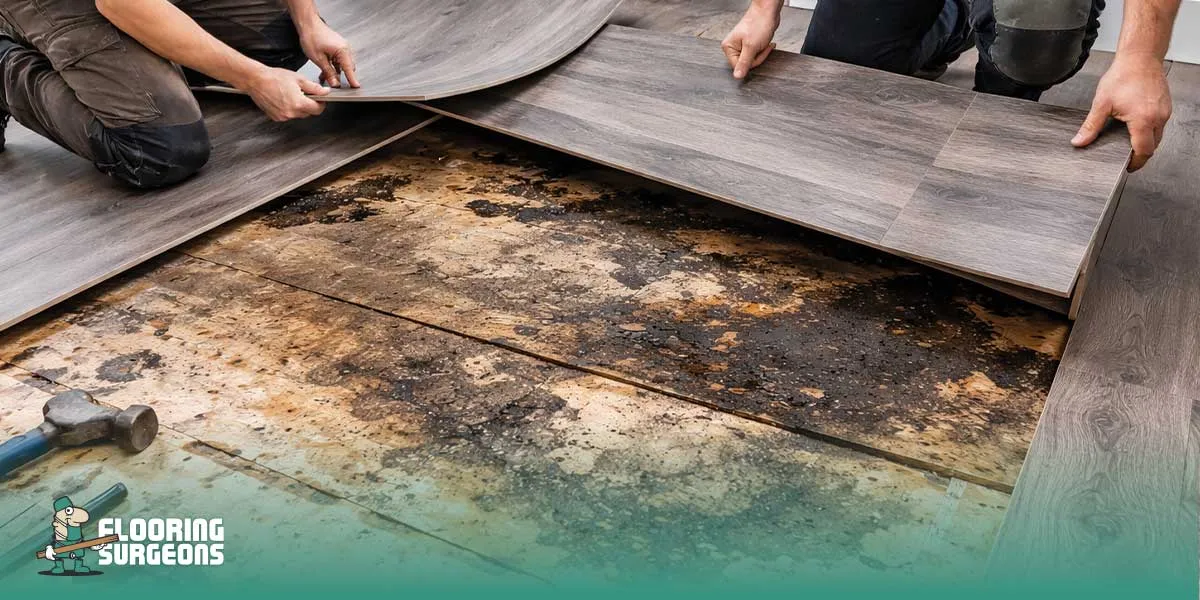



Floors do a lot more than just cover the ground—they set the ambiance for the whole house, step by step. Pick the perfect flooring, and suddenly walking or just standing around feels effortless. Get it wrong, and your feet pay the consequence. Long days at home start to feel a lot longer.
Understanding the link between flooring and foot health isn’t about medical advice; it’s about choosing flooring for everyday comfort. Whether you’re in the kitchen, the living room, or anywhere else, what’s under your feet influences how steady you feel, how comfy you are, and even how you walk
So, let’s break it down. We’ll examine the true sensations of various floors and include practical advice on how to choose one that feels as amazing as it looks.
Table of contents
How Flooring Affects Foot Health
The floors you walk on shape how your feet feel, day in and day out. Stand on tile or concrete for a while and you’ll notice—your feet get sore fast. But it’s not just about “hard vs. soft.” Even little things, like the kind of wood, the finish on your laminate, or how thick the underlay is, all change how walking or standing feels. Sometimes, they make every step feel smoother, more solid.
“A number of factors should be considered when choosing flooring in areas where people stand for long periods of time,” says Dr. Martin Ellman, DPM. “These include durability, maintenance needs, moisture tolerance and aesthetics, but also comfort underfoot. Types like bamboo, cork, linoleum, vinyl, and laminates provide some shock absorption.” (Forbes)
When your floors hit that sweet spot—not too hard, not too squishy—you feel steadier. Everyday stuff, like standing at the counter or sliding your chair, just gets easier. Your home feels more comfortable, and moving around feels right.
What Foot-Care Professionals Consider When Choosing Flooring
Floors that are too hard just wear you out, but if they’re too soft, you end up feeling wobbly and unsure on your feet. The sweet spot sits right in the middle — firm enough to keep you steady, but forgiving enough to keep every step comfortable.

Shock Absorption and Cushioning
A little give underfoot goes a long way. When the floor absorbs some of the impact, daily tasks just feel easier. Flexible surfaces cut down on fatigue, especially if you spend hours on your feet. It’s all about making movement throughout the day more comfortable.
Stability and Firmness
Even cushioned floors need to stay steady. You want a solid surface under your feet—no wobbling or shifting around. That stability makes every step feel safe. When the floor’s firm enough, you can move easily without it feeling stiff or uncomfortable.
Ease of Movement
A smooth floor just makes life easier. Walking barefoot, sliding a chair, dragging a box across the room—it all feels more natural when the surface lets you move without a fight. The right mix of texture and a little bit of give underfoot really changes how you move through a space.
Best Flooring Options for Foot Health
The right flooring really comes down to how it feels when you walk on it, how much it gives under your feet, and how it handles the daily movement in your space. If you want to dig into how flooring affects your health, check out The Importance of Flooring in Health.
| Flooring Type | Firmness / Cushion | Ease of Movement | Comfort Underfoot | Notes |
| Engineered Wood | Medium-High | Smooth | Balanced | Stable yet slightly flexible |
| Luxury Vinyl | Medium | Smooth | Soft & Resilient | Absorbs impact without wobble |
| Laminate | Medium | Smooth | Depends on Underlay | Proper underlay improves cushioning |
| Tile / Concrete | High | Hard | Low | Minimal give, can feel tiring |
| Carpet | Low | Soft | Medium | Soft but may reduce stability |
Engineered Wood Flooring
Engineered wood flooring gives you that classic timber look, but with a bit more strength behind it. Thanks to its layered design, it spreads out weight nicely, so standing or walking for hours doesn’t wear you out as fast. It’s solid, but there’s a little bit of give—just enough to keep flooring comfort.
Luxury Vinyl Flooring
Luxury vinyl flooring feels soft underfoot, but it’s tougher than you’d expect. It absorbs impact, so your joints get a break, yet you never feel unsteady. Spend a lot of time in the kitchen or racing down hallways? Your feet will thank you. Every step feels cushioned, but the floor holds up to years of daily use.
Laminate Flooring
Laminate flooring doesn’t get enough credit for comfort—especially if you pair it with a good underlay. The smooth surface and extra padding below take the edge off hard steps, but the floor still feels solid. It’s easy to move around, works in most rooms, and just makes life simpler.
How to Pick the Best Flooring for Comfort
Each room in your home is different, so the floor under your feet should fit how you actually use the space. Here’s how I’d break it down:
- Kitchen: This is where you’re always on the move, sometimes standing for ages. You want something tough that feels a little soft, too. Luxury vinyl, engineered wood, or laminate with underlay work really well here—they’re easy to clean and help your legs survive those long cooking sessions.
- Bedroom: This is your place to unwind. Go for something soft and warm, like carpet, cork, or engineered wood with a nice rug. You’ll notice the difference first thing in the morning.
- Living Room or Lounge: You want style, but you also want comfort and easy movement. Engineered wood, luxury vinyl, carpet, or laminate all fit the bill. They look good, let you move furniture without hassle, and feel comfortable whether you’re walking barefoot or in socks.
- Home Office: If you spend hours at your desk, your feet will thank you for some extra cushioning. Luxury vinyl or laminate with a good underlay keeps comfortable flooring, even if you’re standing or pacing during calls.
- Hallways & Entryways: These areas take a beating. Go with something that holds up—engineered wood or luxury vinyl can handle all that foot traffic without wearing out, and they still feel good underfoot.
- For Seniors: Safety and comfort matter most. Choose stable, slip-resistant, and cushioned flooring. Low-pile carpet, cork, or cushioned vinyl help prevent slips and make moving around easier on the joints.

Flooring Types That May Feel Tiring Over Time
Some floors look fantastic, but after a while, they really wear you out. Super hard surfaces like basic tiles or bare concrete don’t give much at all, so standing on them gets exhausting fast. On the other hand, floors that are too soft or uneven just mess with your balance. You end up shifting your weight and second-guessing every step, which gets old quickly.
Even the little stuff matters—like how thick the underlay is or what kind of finish you pick for your laminate. All those details change how your feet feel by the end of the day. If you pay attention when choosing, you get floors that not only look good but actually make life easier.
Soft vs Hard Flooring: Which Is Better for Your Feet?
Hard floors like tile or concrete feel steady underfoot, but if you’re on them for a while, your legs start to notice. Softer options—think cushioned vinyl or laminate with a good underlay—make standing and walking a lot easier on your body. If you spend a lot of time in one spot, like in the kitchen, those softer floors really help. Want more advice? Take a look at our guide on the Best Flooring for Elderly.
Conclusion: Choosing Flooring That Supports Foot Comfort
The best floors strike a balance—they’re firm enough to support you, but cushioned and smooth so every step feels good. At Flooring Surgeons, we’ve got choices like engineered wood, luxury vinyl, and laminate. Add the right underlay, and you get just the right mix of comfort and support for any room, depending on how you use it.
If you spend a lot of time standing, like in the kitchen, softer floors make a big difference. In spots like hallways or living rooms, a firmer floor works better. Pay attention to what the floor’s made of, how it feels, and what’s underneath. That’s what really makes your floor feel right when you walk on it.

Ana.Soltanpoor
I’m an SEO Specialist with a strong background in content management and organic search. I build data-driven content strategies by aligning user intent, search behavior, and SEO best practices to ensure every piece of content delivers clarity, relevance, and measurable organic performance.