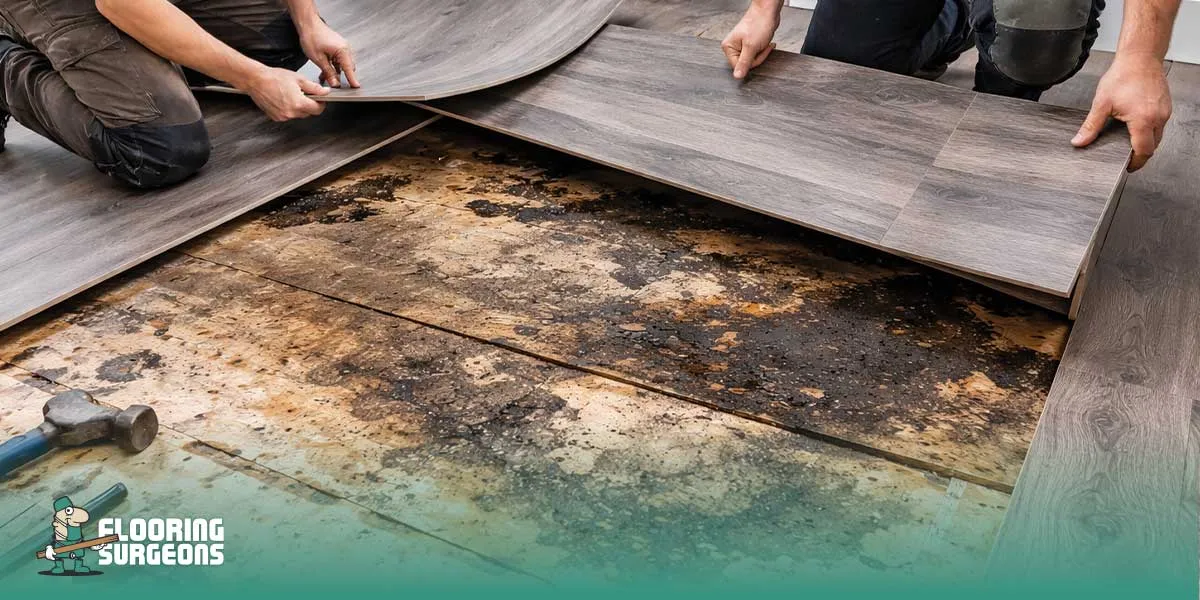


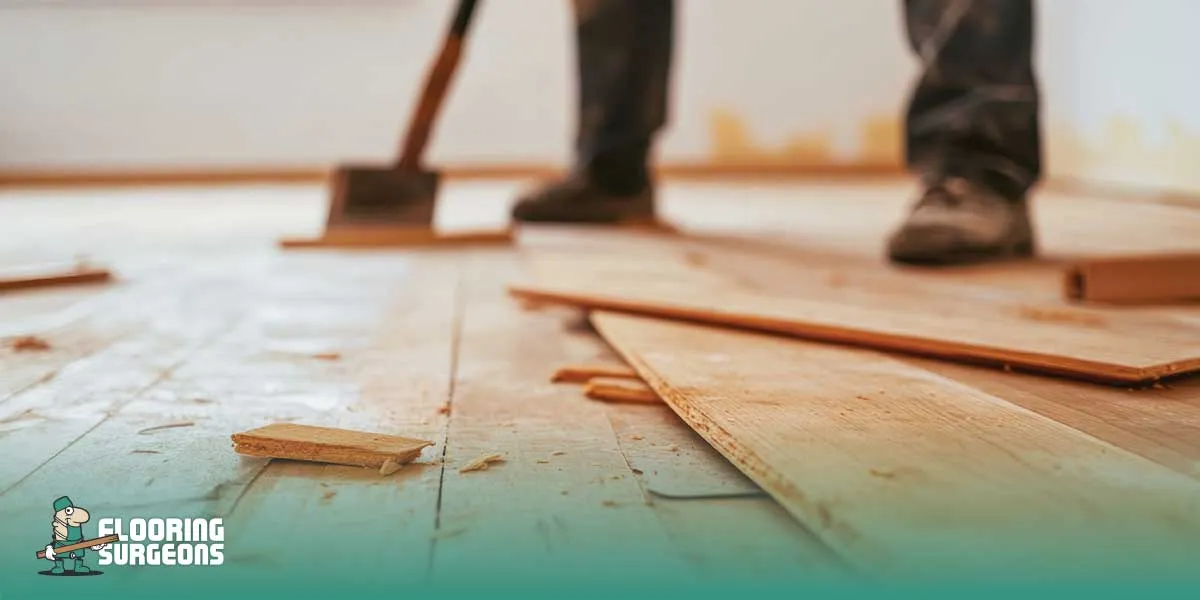
Removing laminate flooring can seem like a challenging task, but with the right tools and a step-by-step approach, it can be done easily. Whether you’re updating your space, fixing a subfloor issue, or just tired of the look, learning how do you remove laminate flooring is a useful skill. In this comprehensive guide, we will walk you through the process, providing expert tips on how to remove laminate flooring without damaging it and giving you everything you need to tackle this DIY project efficiently.
Before diving into the steps, let’s take a moment to review some key concepts, as knowing exactly what type of laminate flooring you’re dealing with will make the process much smoother. Let’s get started with the basics of laminate removal!
Table of contents
What is Laminate Flooring and Why Would You Want to Remove It?
Laminate flooring is a popular choice for many homeowners due to its easy installation and variety of design options. It is typically made from high-density fiberboard (HDF) or particle board with a laminate surface that mimics wood, stone, or tile. Unlike traditional wood or tile flooring, laminate doesn’t require adhesives or nails to stay in place it “floats” over the subfloor and is held together with interlocking pieces.
However, there are several reasons you might want to remove laminate flooring:
- You need to fix a damaged subfloor.
- You want to replace it with new flooring.
- The aesthetic no longer matches your style.
- You are dealing with heavy wear and tear.
Now that we’ve set the stage, let’s dive into the step-by-step process of removing laminate flooring!
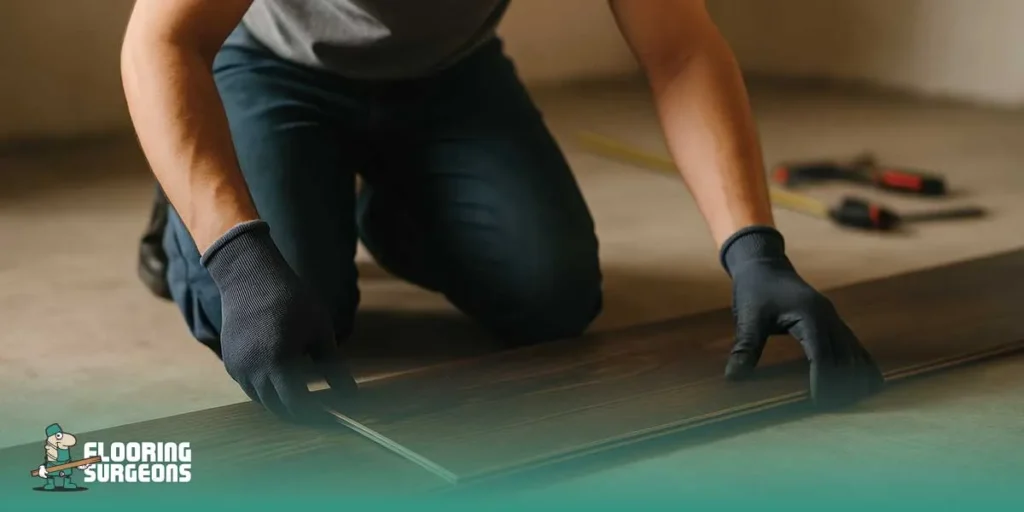
Essential Tools and Preparation for Removing Laminate Flooring
Before you start, it’s important to be well-prepared for removing laminate flooring. Whether you’re wondering how to remove laminate wood flooring or how to remove laminate tile flooring, having the right tools will make the process easier:
- Safety goggles to protect your eyes from dust and debris.
- Work gloves to protect your hands.
- Utility knife to cut underlayment and transition strips.
- Pry bar to gently lift planks.
- Hammer for removing any nails or stubborn pieces.
- Screwdrivers for removing screws holding transition strips.
- Crowbar for leverage during plank removal.
- Dust mask to avoid inhaling dust during the removal process.
Additionally, clear the room of any furniture and cover surfaces that might be damaged. This will ensure you have a clean, safe area to work in.
How to Remove Laminate Flooring: Step-by-Step Guide
Now that you have the tools ready, let’s look at how you can remove laminate flooring from your space. Follow these steps for a smooth and effective process.
1. Remove Skirting Boards or Molding Strips
First, you’ll need to remove any skirting boards or molding strips. These are typically located along the perimeter of the room. Use a utility knife to cut along the joint between the laminate and the molding, and then gently pry the molding away using a pry bar. If you encounter nails, carefully remove them using your hammer.
2. Disconnect the Planks
Once the molding is out of the way, start at a corner of the room and use your pry bar to lift the first laminate plank. Work slowly and carefully to avoid damaging the locking mechanisms if you intend to reuse the planks.
To remove laminate wood flooring, simply lift the edge of the plank, and once the interlocking mechanism is disconnected, carefully pull it up and away from the next piece. Continue removing the planks row by row. If you’re working with older laminate tile flooring, be prepared to encounter glue or adhesive, which may require more force to remove.
For more detailed instructions on installing laminate, check out our blog: how to fill in gaps in laminate flooring for helpful tips and tricks.
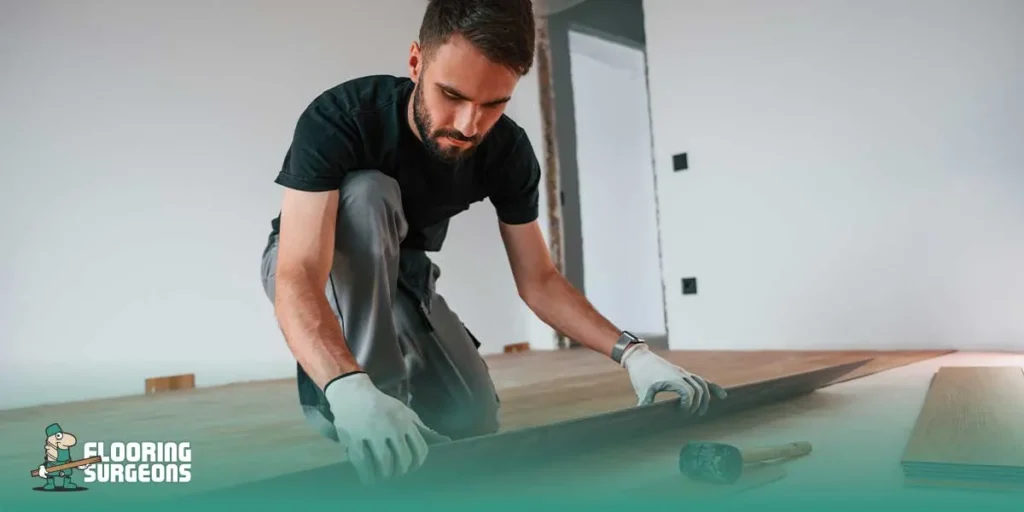
How to Remove Laminate Flooring Without Damaging It
One of the most common concerns when removing laminate is doing so without causing any damage. Here’s how you can ensure you remove the planks intact:
- Work slowly and carefully: For laminate flooring with a tongue and groove system, apply pressure gently. Using a pry bar or crowbar in the right spot is essential to avoid damaging the edges of the planks.
- Start at the edges: The corners are usually the easiest places to start. Use your utility knife to gently cut around the edges and lift the boards carefully.
- Avoid excessive force: If the laminate flooring is stuck due to glue, you may need to use more advanced techniques, like a heat gun to loosen the adhesive.
If you’re wondering how do you remove laminate flooring without causing damage, and you’re unsure about reusing the boards, it’s always better to go slower and be cautious. After all, preventing damage will save you money if you plan to repurpose the material. Taking your time ensures that you can safely remove the laminate without any unnecessary harm to the planks.
A Quick Overview of Removing Laminate Flooring
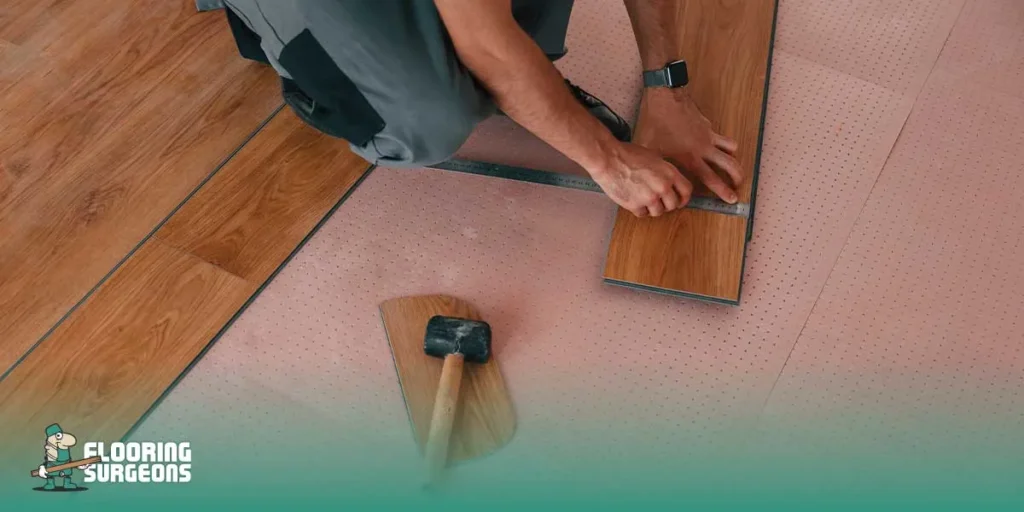
Here’s a simple table summarizing the key steps to how do I remove laminate flooring:
| Step | Action |
| 1. Remove Skirting Boards | Use a utility knife and pry bar to remove molding and skirting boards. |
| 2. Disconnect the Planks | Start at the corner and use a pry bar to lift each laminate plank, row by row. |
| 3. Remove Underlay | If present, roll up the underlayment and dispose of it carefully. |
| 4. Clean Up | Sweep or vacuum the subfloor to remove any dust or debris before installing new flooring. |
| 5. Dispose of Materials | Consider recycling or responsibly disposing of your old laminate flooring. |
When asking yourself how do I remove laminate flooring, following these steps ensures that you approach the task carefully and efficiently.
Finishing Touches: Subfloor Check and Disposal After Removing Laminate Flooring
After removing all the laminate planks, you may be wondering how do you remove laminate from wood without causing damage. It’s important to check the condition of your subfloor. If you notice any damage, now is the time to make repairs. You should also ensure the subfloor is clean and level before installing new flooring.
Once your space is ready, remember to dispose of your laminate flooring correctly. If the planks are in good condition, consider donating or selling them. If you are dealing with damaged material, check with your local council about recycling options.
Next Steps: Installing New Flooring
Once your laminate is removed and the subfloor is prepared, it’s time to consider your next flooring options. Whether you’re interested in Flooring Underlay for Laminate Flooring, new laminate, or another material like luxury vinyl tiles, there are plenty of choices out there. Flooring surgeons can guide you in selecting the best flooring solution for your needs.
Conclusion
Removing laminate flooring might seem daunting at first, but with the right tools and approach, it’s a straightforward process. By following the steps outlined above, you can ensure a clean, smooth removal with minimal damage to your subfloor or the laminate itself. And when it’s time to replace the flooring, you’ll be ready for your next big home improvement project!
If you have any questions or need expert advice, the team at Flooring surgeons is here to help with all your flooring needs.

Mina Asgari
I’m an SEO Specialist and Content Strategist focused on sustainable business growth. I design data-driven content strategies by deeply analyzing user intent, search behavior, and SEO best practices, ensuring every piece of content serves a clear purpose for both users and search engines.