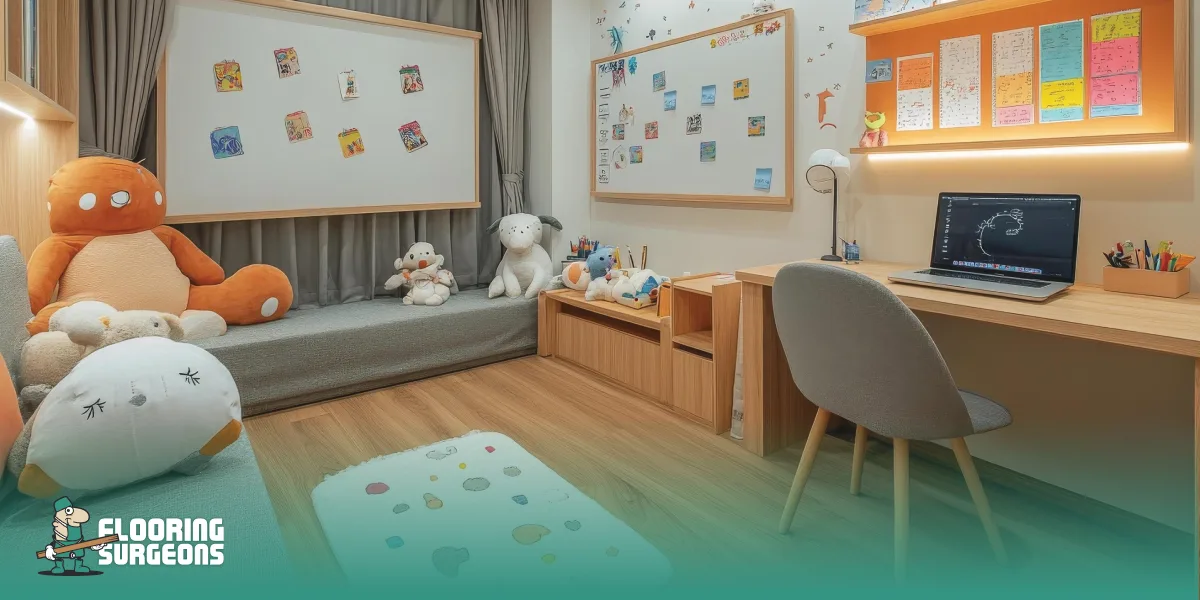
Walk into a classroom, playroom, or child’s bedroom, and one design element quietly shapes how the space feels: the floor colour. While walls and furniture often get the most attention, the floor colour can subtly influence how children concentrate, play, and express creativity.
Research in environmental psychology shows that colours affect mood, energy levels, and cognitive performance. Because children spend so much time sitting, playing, and learning on the floor, its colour becomes a constant visual element in their environment. The right tones can support calm focus, while others can encourage imagination and active play.
Understanding how floor colours affect children’s focus and creativity can help parents, educators, and designers create spaces that support both learning and exploration. In this guide, we’ll explore the psychology of floor colours, the best tones for different kids’ spaces, and practical tips for choosing flooring that balances focus, creativity, and everyday durability.
Table of contents
Why Floor Colour Matters in Children’s Learning Environments
In spaces designed for children, every visual element influences how they feel and behave. Floor colour is especially important because it covers a large surface area and remains constantly within a child’s field of view. Studies in environmental and educational psychology suggest that colour can affect attention span, emotional comfort, and levels of stimulation. Soft, balanced tones tend to support concentration, while overly intense colours can create visual noise that distracts children during learning activities.
The floor also plays a key role in how children experience and move through a space. It can shape their sense of openness, boundaries, and activity zones. In fact, the design of flooring can even influence how children explore and interact with their surroundings. If you’re interested in this broader concept, you can explore how flooring influences the way children interact with space and how design choices shape children’s spatial behaviour.
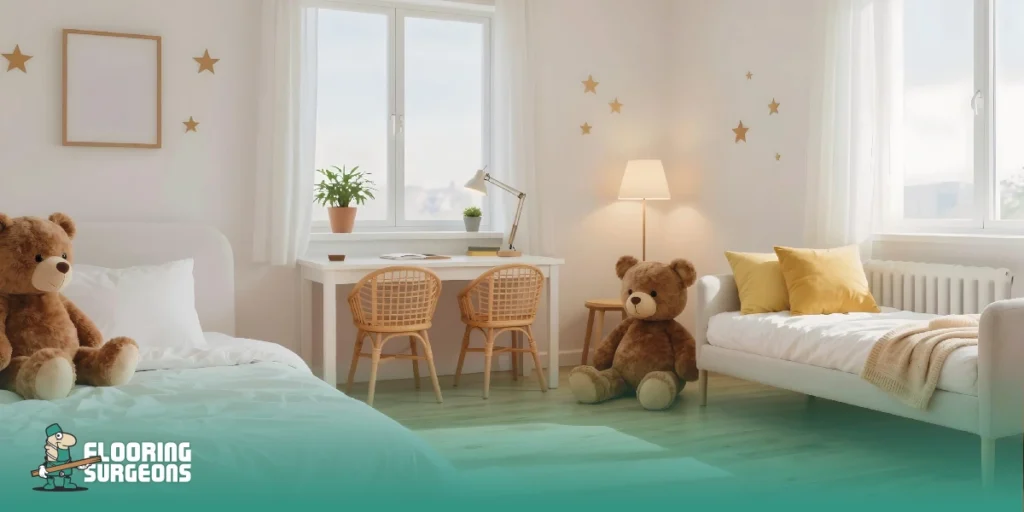
Floor Colour Impact on Children’s Focus and Creativity
To better understand how different floor colours influence children’s behaviour, the table below provides a quick comparison of their effects on focus and creativity.
| Floor Colour Type | Example Shades | Impact on Focus | Impact on Creativity | Best Used In | Design Tips |
| Soft Neutral Tones | Light wood, beige, light grey | ⭐⭐⭐⭐⭐ Very High | ⭐⭐ Low | Bedrooms, study areas | Reduces visual distractions and creates a calm base |
| Soft Blues & Greens | Pastel blue, soft green | ⭐⭐⭐⭐ High | ⭐⭐⭐ Medium | Reading corners, classrooms | Promotes calmness and mental clarity |
| Warm Natural Tones | Honey wood, warm oak, light terracotta | ⭐⭐⭐ Medium | ⭐⭐⭐⭐ High | Playrooms, creative spaces | Adds warmth without overwhelming the space |
| Warm Bright Colours | Soft yellow, muted orange | ⭐⭐ Low | ⭐⭐⭐⭐⭐ Very High | Activity zones | Use in moderation to avoid overstimulation |
| Subtle Patterned Floors | Wood grain, textured vinyl | ⭐⭐⭐ Medium | ⭐⭐⭐⭐ High | Playrooms, daycare centres | Adds interest without creating visual noise |
| Dark or Glossy Floors | Dark brown, charcoal, high-gloss finishes | ⭐⭐ Low | ⭐⭐ Low | Limited use areas | Can feel heavy and distracting if overused |
Children’s Colour Psychology: How Colours Affect Focus
Before a child even starts an activity, their brain is already reacting to the colours around them. Large visual surfaces like floors quietly set the emotional tone of a space. A calm floor colour can make a room feel stable and comfortable, while intense colours may create a more stimulating atmosphere.
Different colour groups tend to influence behaviour in different ways:
- Soft neutral tones (light wood, beige, light grey) usually create a calm background that helps reduce visual distraction. This makes them especially helpful in spaces where children need to focus.
- Cool and balanced shades often support longer attention spans because the environment feels visually “quiet.”
- Warmer tones can add energy to a space and make it feel more playful, which is why they often work better in activity areas rather than study spaces.
What matters most is balance. In these balanced spaces, children tend to stay focused longer while still feeling free to explore and play.
Best Floor Colours That Improve Children’s Focus
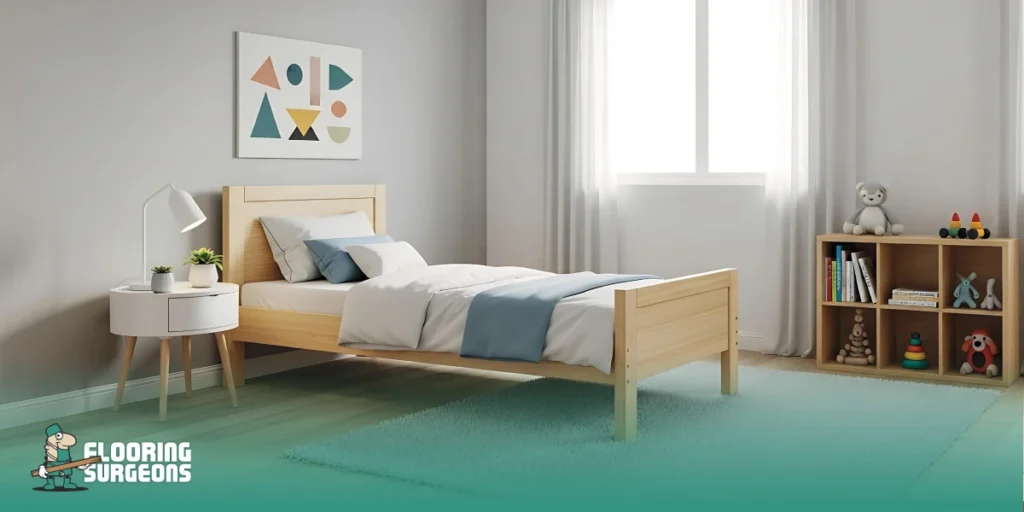
For areas where children read, study, or work on creative tasks that require attention, the goal is to create a visually stable base. Flooring that is too dark, glossy, or highly patterned can pull attention away from learning activities. In contrast, softer, more balanced tones help the room feel comfortable and structured, making it easier for children to stay engaged for longer.
Soft Neutral Floor Colours
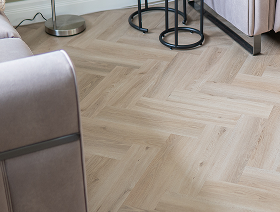
Neutral flooring is one of the most reliable choices for children’s study spaces. Soft tones such as light wood, beige, and gentle grey create a calm visual background that doesn’t compete with books, toys, or learning materials.
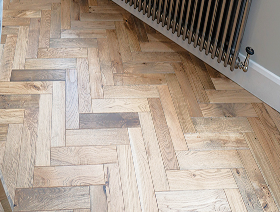
Light wood tones are especially effective because they reflect natural light and make smaller rooms feel more open. Many parents choose light laminate flooring for children’s bedrooms or homework areas because it provides a bright, natural look while remaining easy to maintain.
Another popular option is grey laminate flooring, which offers a modern, neutral base that feels balanced and visually quiet. Grey tones work well in both study corners and shared learning areas because they reduce visual noise while still matching a wide range of interior styles.
Soft Blues and Greens
While neutral tones create stability, certain soft colours can also help children maintain attention by influencing mood. Among the most effective are gentle blue and green tones, which are widely associated with calmness and mental clarity. Soft blue shades tend to reduce visual tension and create a peaceful atmosphere. This can be helpful in reading corners or quiet learning areas where children need to concentrate for longer periods.
Green tones offer a slightly different benefit. Because green is closely connected to nature, it often feels comfortable and balanced to the human eye. Spaces that include subtle green elements tend to feel refreshing rather than stimulating, helping children stay relaxed while still engaged in their activities.
Best Floor Colours That Boost Creativity In Kids
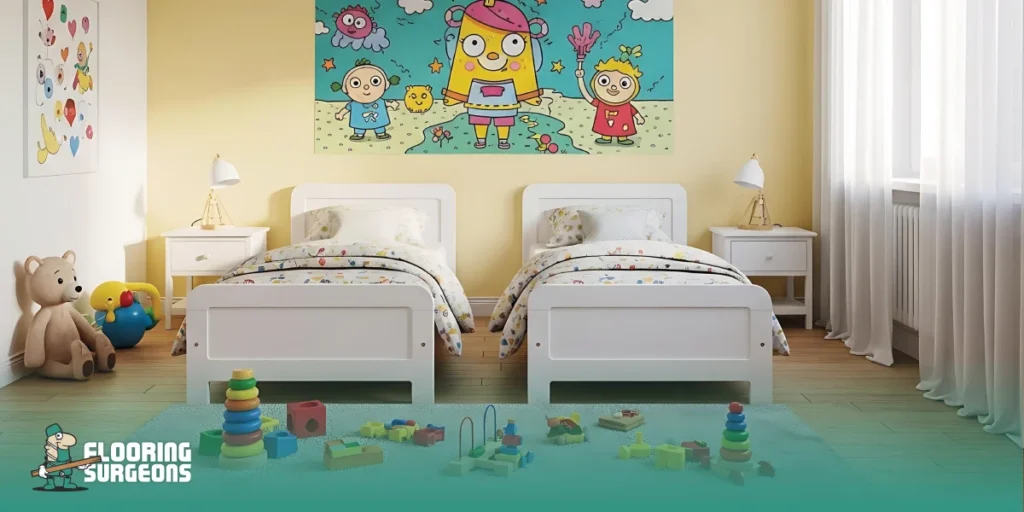
Instead of very dark or overly intense flooring, creative environments usually work best with warm, lively, or visually interesting tones that make the space feel welcoming and playful. The goal is not to overwhelm the room with colour, but to create a foundation that supports curiosity and experimentation.
Warm and Energetic Colours
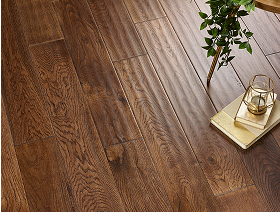
Warm colours such as soft yellow, light terracotta, warm oak, or honey‑toned wood flooring can bring gentle energy into a room. These tones naturally make a space feel inviting and active, which is helpful in playrooms or creative corners where children spend time building, crafting, or exploring new ideas.
Warm wood‑style floors are often used in children’s spaces because they balance energy with comfort. They introduce colour into the room while still keeping the environment grounded and natural.
Subtle Patterned Floors
In spaces where creativity is encouraged, a completely plain floor is not always necessary. Subtle patterns or textured flooring can add visual interest and make the room feel more playful.
For example, light wood grain patterns or gentle texture variations can make a floor feel more dynamic while still remaining calm enough for everyday activities. These small visual cues can help define creative zones within a room without relying on strong colours.
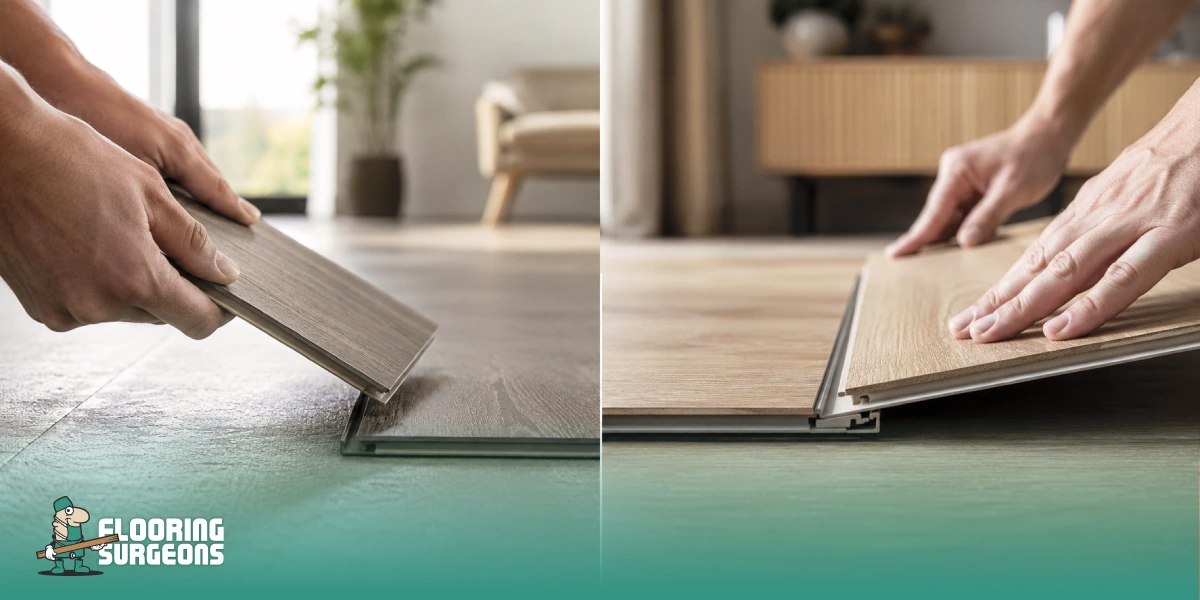
In playrooms, activity rooms, or daycare spaces, practicality becomes important as well. Many families prefer waterproof luxury vinyl in these environments because it handles spills, crafts, and heavy play while still offering a wide range of colours and natural-looking textures.
Choosing the Right Floor Colour for Different Children’s Spaces
Not every children’s space serves the same purpose. A bedroom, a playroom, and a classroom all support different activities, so the ideal floor colour can vary depending on how each room is used.
Best Floor Colours for Kids’ Rooms
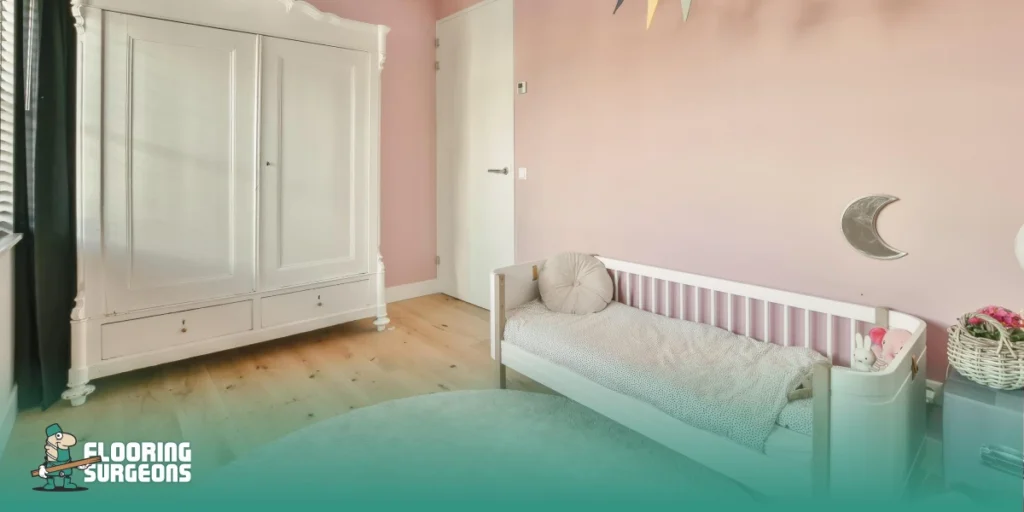
Children’s bedrooms usually need a calm and comfortable atmosphere. Since these rooms are used for sleeping, reading, and sometimes homework, the flooring should feel relaxing rather than stimulating. Light and neutral tones tend to work best because they keep the room bright while maintaining a peaceful environment. Soft wood shades or gentle greys provide a stable visual base that works well with colourful furniture, toys, and decorations.
Best Playroom Flooring Colours
Playrooms are naturally more active environments. Children move, build, draw, and experiment in these spaces, so the floor should feel durable and visually welcoming. Slightly warmer tones or floors with subtle texture can make the room feel energetic without becoming overwhelming. The flooring should support creativity while maintaining a visually balanced space.
Daycare Centres and Classroom Floor Colour Ideas
Learning environments like classrooms and daycare centres need to balance focus with engagement. Floors that are too dark or visually busy can distract children, especially in group learning settings. Neutral and soft tones, such as light wood shades or muted greys, are commonly used because they help create a structured and calm environment. These colours allow teaching materials, activity zones, and furniture to stand out without overwhelming the space.
How to Choose the Right Floor Colour for a Child’s Room
Choosing the right floor colour for a child’s room becomes easier when you follow a few simple steps.
- Start with the room’s purpose: Bedrooms and study areas work best with calm, neutral tones that support focus. Playrooms can handle slightly warmer colours that feel more energetic.
- Look at natural light: Rooms with less daylight usually benefit from lighter floors that reflect light and keep the space feeling open.
- Keep the floor visually balanced: Children’s rooms already include many colourful elements, so flooring should act as a calm base.
- Think long‑term: A versatile floor colour will continue to work as children grow and their room changes from a play area to a study space.
Conclusion
Floor colour plays an important role in shaping how children experience a space. Calm and balanced tones can support focus, while warmer colours can encourage creativity and play. By choosing the right combination of colour, lighting, and durable materials, parents can create a comfortable environment that supports both learning and imagination. If you’re choosing flooring for a child-friendly space, you can explore practical and durable options at Flooring Surgeons to suit both safety and style.

Ana.Soltanpoor
I’m an SEO Specialist with a strong background in content management and organic search. I build data-driven content strategies by aligning user intent, search behavior, and SEO best practices to ensure every piece of content delivers clarity, relevance, and measurable organic performance.