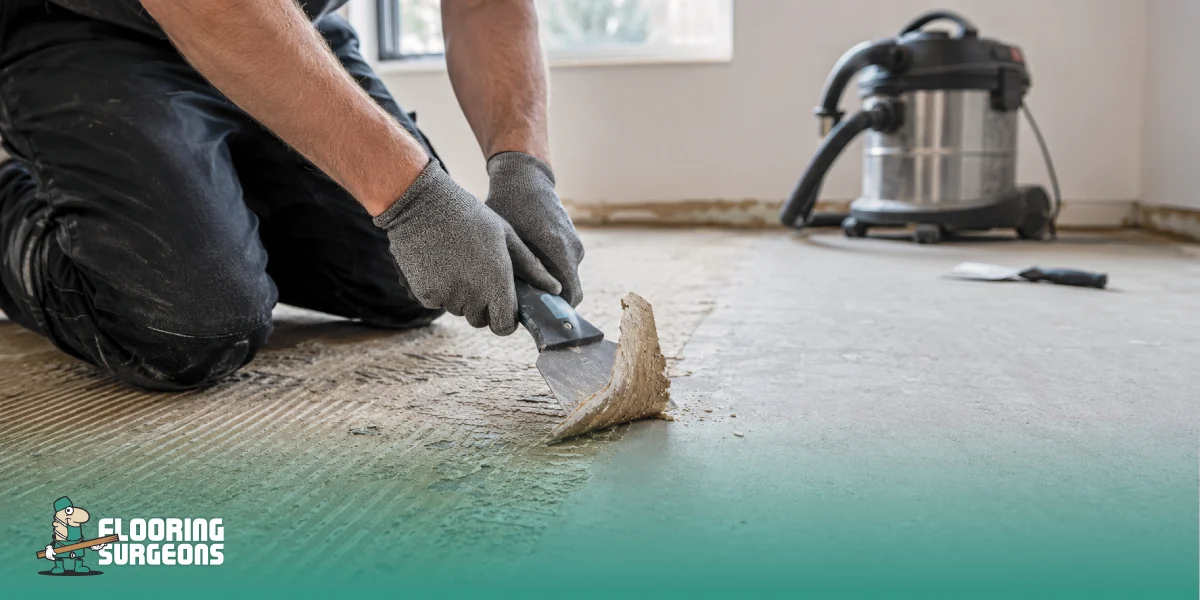
Screed must be given sufficient time to dry out fully before any floor covering is laid on top of it. When it comes to answering how long the screed takes to dry before flooring, there are a few variables. These include the type of screed used, its thickness, the room’s ambient conditions, and whether underfloor heating has been installed. Although it is traditionally thought that screed drying time is 1mm per day in the UK, it’s purely a guideline. Before installing laminate, LVT, engineered wood or any other floor covering, you should always carry out a moisture test before flooring to make sure the screed is dry enough for a safe, long-lasting installation.
Table of contents
Quick Answer: How Long Before Laying Flooring on Screed?
If you’re wondering how long to wait before laying flooring on screed, the answer depends on the type and thickness of the screed, site conditions, and the type of flooring you plan to lay on top. As a very rough guide, screed will dry at around 1mm per day up to a certain thickness; however, this does not mean it will be ready for your flooring.
Installing floor coverings based on drying times alone is a common mistake made by both homeowners and installers. Flooring can only be installed when the screed has reached an acceptable moisture level for the intended floor covering. This is critical for moisture-sensitive floor coverings such as laminate, engineered wood and vinyl flooring.
The most conservative approach is to use drying time estimates alongside a moisture test. A screed can look dry enough on the surface but still have too much moisture content deeper in the subfloor.

Screed Drying Time UK: Typical Drying Times by Screed Type
Regarding screed drying time in the UK, you should know that different screeds dry at different speeds. Total floor screed drying time can vary depending on the product and site conditions.
| Screed Type | Typical Drying Guide | Flooring Advice |
| Traditional Sand & Cement Screed | Around 1mm per day | Always carry out moisture testing before installation |
| Liquid / Anhydrite Screed | Around 1mm per day up to specified thickness | Check moisture levels and surface preparation requirements |
| Fast-Drying Screed | Depends on manufacturer specifications | Follow product guidance rather than generic estimates |
| Screed with Underfloor Heating | Requires curing and commissioning process | Test moisture levels before fitting flooring |
Please note that these are only estimates. Variables such as temperature, humidity, ventilation and screed thickness all affect drying times. For this reason, professional installers will very rarely use drying time as the sole factor in determining if a floor is ready for installation.
Why Screed Must Be Fully Dry Before Flooring Installation
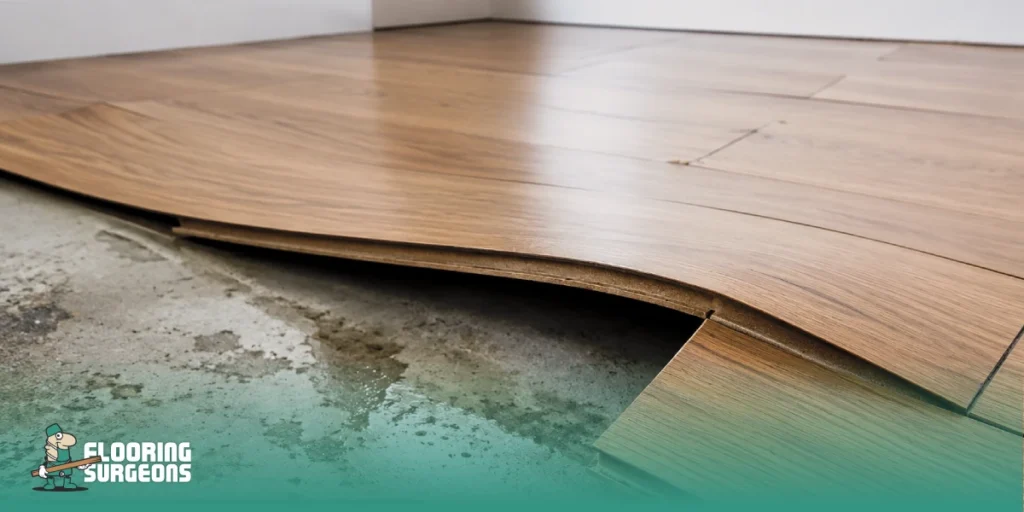
Surface appearance can be deceptive; screed can look dry long before it’s ready. Moisture can still be trapped in the subfloor and continue to migrate upwards after installation, damaging the floor covering. That’s why drying time should always be verified by adequate moisture testing.
Too much moisture will cause glue failure, bubbling, lifting of flooring, mould growth and expansion or contraction of your flooring. This is particularly important before the installation of laminate floor boards, as too much moisture can cause the boards to swell, warp or destabilise over time. To ensure a long-lasting installation, your screed needs to be dry, clean, level and compatible with the flooring system being installed.
Can You Lay Flooring on a New Screed?
A question we often get asked is can you lay flooring on new screed as soon as it’s hard enough to walk on? The answer is, in most cases, no. You must allow the new screed not only to cure but also to dry out sufficiently before fitting a floor covering.
Curing vs Drying: Why They Are Not the Same
Curing is when the screed has gained sufficient strength for light traffic. Drying is when all excess moisture has evaporated from the screed. For flooring installation, it’s more important that the screed has dried than that it has cured. If moisture is trapped inside, it can still blister adhesives, underlay and the final floor finish.
If you have ongoing moisture problems with your subfloor, it is also helpful to know whether to install a damp-proof membrane under your floor before selecting your finished floor covering.
Screed Drying Time Before Laminate Flooring
The screed drying time before laminate flooring is especially important because laminate is sensitive to moisture. If laminate is fitted over a still-damp screed, the boards may swell, lift at the edges, or feel unstable underfoot.
Before fitting laminate flooring, the screed should be dry, levelled, and moisture-tested. You should also determine if an appropriate underlay or moisture barrier is needed. Even if the screed has dried for weeks, it should not be covered up until it has the correct moisture reading for laminate floors.

Screed Drying Time Before LVT or Vinyl Flooring
Screed drying times before LVT should be taken just as seriously as they would be with wooden or laminate flooring. LVT flooring and Vinyl Flooring often require glue-down adhesives or click systems that adhere directly to the subfloor. Any moisture locked in the screed can cause bubbling or lifting of the vinyl flooring, adhesive failures or visible unevenness once installed.
The screed must first be properly tested before fitting vinyl or LVT, and the moisture levels must be appropriate for the product you wish to install. Providing your screed passes the correct moisture test, Luxury Vinyl Flooring can be ideal for kitchens, bathrooms, hallways, and other high-traffic areas.
Engineered Wood, Herringbone and Other Flooring Over Screed
Certain floor coverings require special consideration when laid onto screed. This includes timber-containing products or flooring with intricate laying patterns. Movement of moisture can still occur within the finished floor if the screed or subfloor hasn’t been adequately tested, even if the screed appears dry.
Engineered Flooring Over Screed
For Engineered Flooring, it is recommended that the screed be dry and stable enough for the manufacturer’s recommended installation method. Engineered wood is more stable than solid wood but can still be affected by excessive moisture, particularly if the room isn’t properly conditioned prior to and after installation.
Herringbone Flooring Over Screed
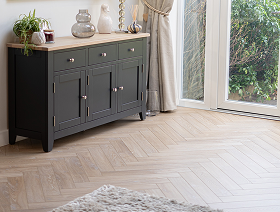
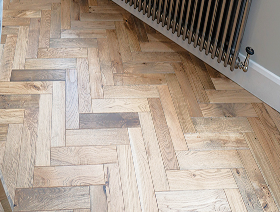
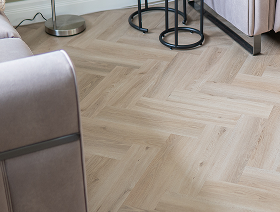
Patterns like Herringbone Flooring require a dry, flat and well-prepared screed to obtain a neat finish. As the patterning is more intricate, any voids or moisture movement in the subfloor could be more noticeable post-fitting.
How to Check Screed Moisture Before Flooring
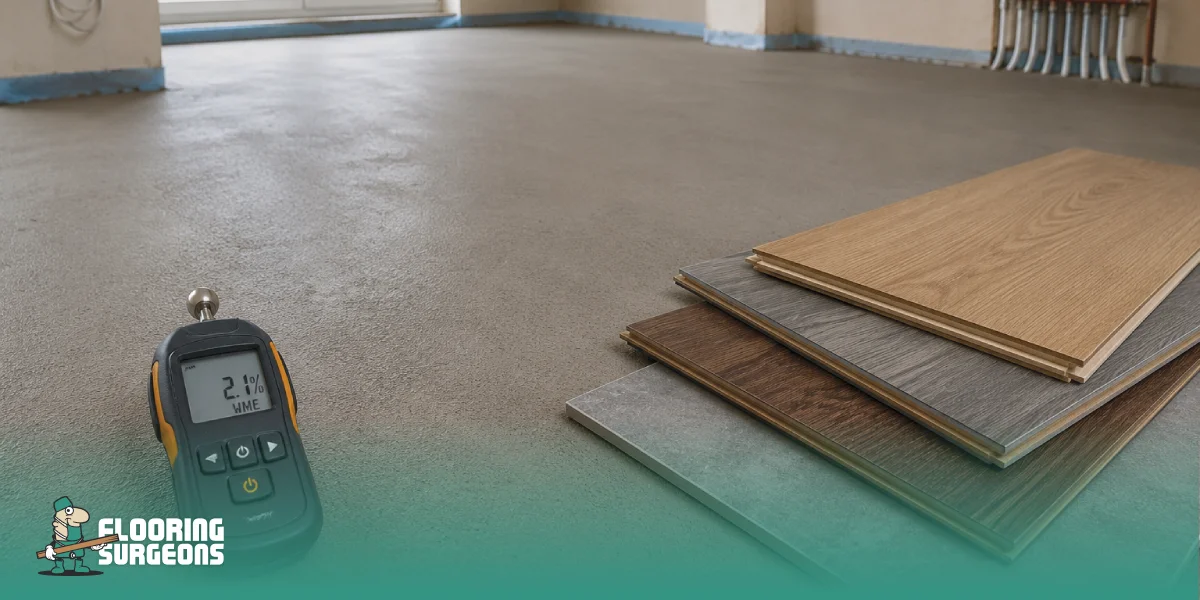
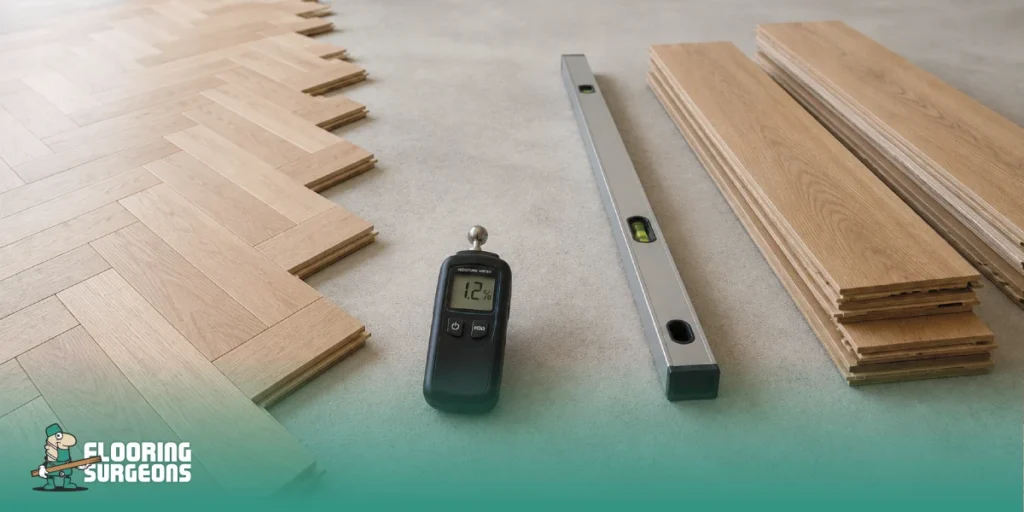
A moisture test before flooring is the safest way to confirm whether the screed is ready for covering. Drying time estimates are useful, but they cannot indicate how much moisture remains trapped in the screed.
RH Testing and Hygrometer Readings
A hygrometer or RH test can help measure the screed’s RH level before flooring installation. Most floor coverings have a maximum moisture content, so always cross-check the result with the flooring manufacturer’s advice.
Why Touch and Colour Are Not Reliable
Screed can appear pale, firm and dry on top but still contain moisture underneath. For this reason, appearance should not be used as the only guide by installers before fitting laminate, LVT, engineered wood or any other floor covering.

Underfloor Heating Screed Drying Time
Allowing the underfloor heating screed to dry is important, as you don’t want to activate the heating system too soon. Once the screed has had time to cure, you can then follow the installer’s instructions to slowly commission the underfloor heating.
Overheating can cause cracking, uneven drying or moisture issues under your finished floor. We recommend testing your system, allowing the screed to cool to an acceptable temperature, and taking a final moisture reading before installing any floor covering. If your project includes UFH, it is also important to choose flooring that works well with the underfloor heating system and installation method.
Factors That Affect Floor Screed Drying Time
Several factors can influence floor screed drying time, which is why two projects using the same screed may still have different drying periods.
- Thickness of screed: The thicker the screed, the more moisture it retains, and it will naturally take longer to dry than a thin application.
- Type of screed: Cementitious, anhydrite (traditional), and liquid and fast-drying screeds all have different drying times and manufacturer recommendations.
- Temperature: The hotter the better. Warm temperatures will aid evaporation, and lower temperatures will slow drying time.
- Humidity: The lower the humidity, the faster moisture will escape from the screed.
- Ventilation: Adequate ventilation will allow moisture to vent from the room and aid in more even drying.
- Underfloor heating systems: When properly commissioned, they can benefit the drying process. However, it must be turned on slowly.
- Season and weather conditions: The cooler, damper months of the year usually equate to longer drying times.
- Type of flooring being installed: Certain floor coverings need a lower moisture level before they can be fitted. These include laminate, engineered wood and LVT.
Final Checklist Before Laying Flooring on Screed
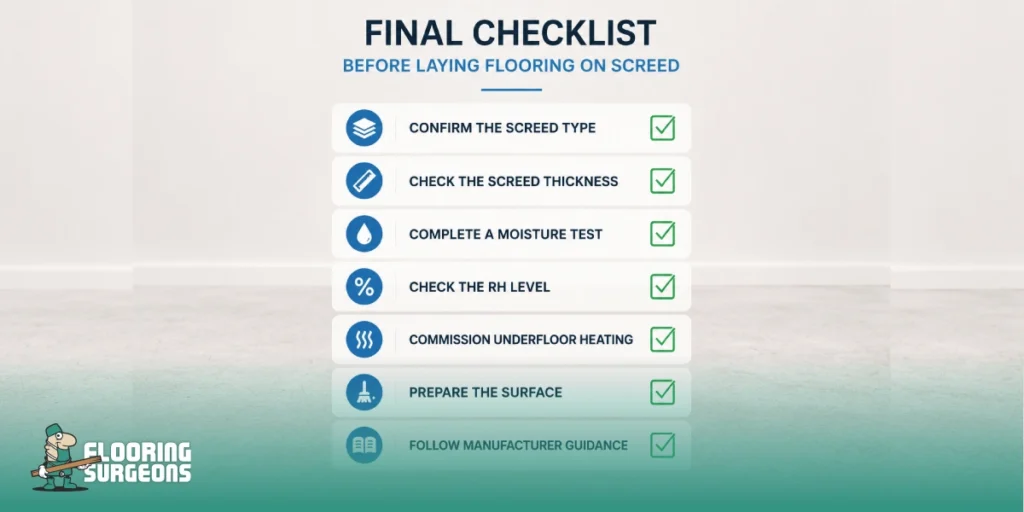
Before you install any flooring, make sure the screed is ready for the final floor covering. Use this quick checklist before starting the installation:
- Confirm the screed type: Traditional sand and cement, Liquid screed, Anhydrite screed or Fast drying screed.
- Check the screed thickness: The thicker the screed, the longer it will take to dry. Avoid setting a fixed number of days.
- Complete a moisture test: Ensure the moisture reading is compatible with the flooring you plan to install.
- Check the RH level: Ensure the screed meets the recommended RH level specified by the flooring manufacturer.
- Commission underfloor heating: If UFH is installed, ensure it is commissioned gradually prior to floor fixing.
- Prepare the surface: The screed must be clean, level, dry, and free of dust or other loose material.
- Follow manufacturer guidance: Always check the instructions for the flooring, adhesive, underlay and moisture barrier before installation.
Conclusion
Well, how long does screed take to dry before laying flooring? For most jobs in the UK, drying times can vary depending on the type of screed used, its thickness, the room conditions, and the type of flooring you are looking to have fitted afterwards. Whilst we can give you a rough estimate of time, the best way to ensure the screed is ready to accept flooring is to have a professional moisture test completed. After your subfloor is dry, level and stable, Flooring Surgeons will work with you to select the right flooring choice to provide a clean, durable finish that will last.

Ana.Soltanpoor
I’m an SEO Specialist with a strong background in content management and organic search. I build data-driven content strategies by aligning user intent, search behavior, and SEO best practices to ensure every piece of content delivers clarity, relevance, and measurable organic performance.