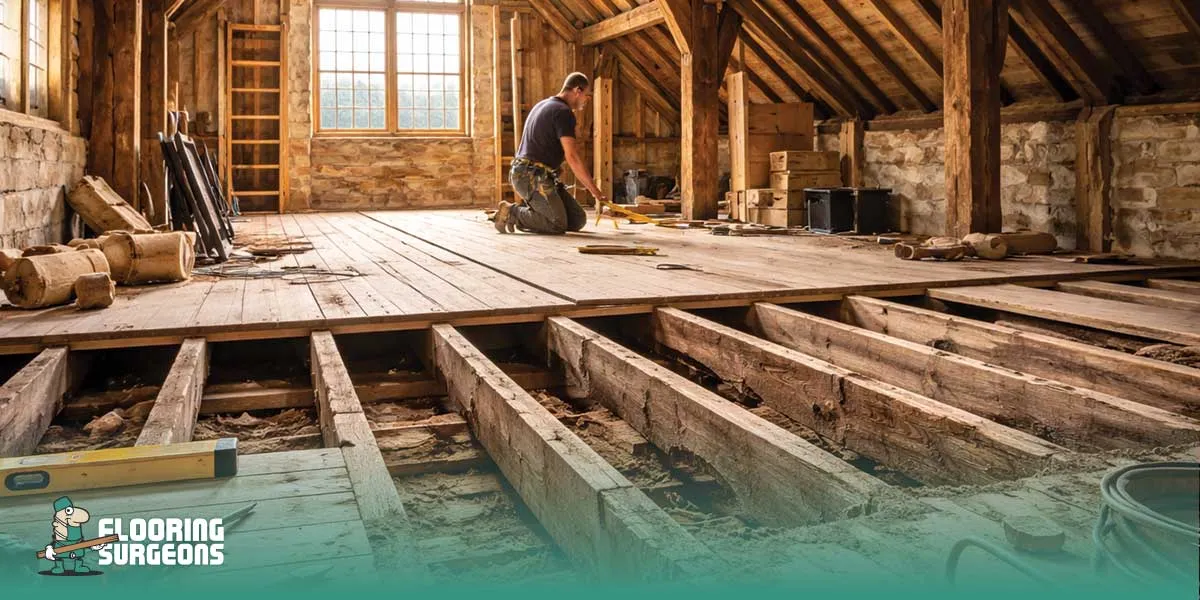


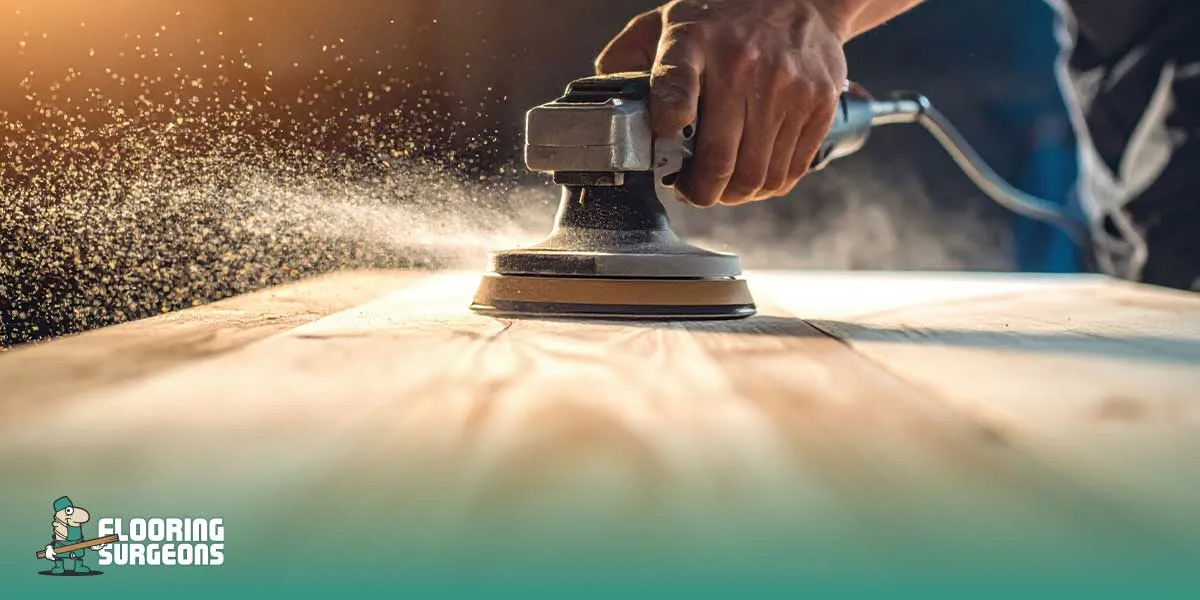
Regular maintenance is essential for keeping your wood floors looking their best and extending their lifespan. If your floors start to show signs of wear and tear, such as scratches, dents, or discoloration, sanding may be the solution. Sanding a wood floor can restore its original beauty and prepare it for a new finish. But how do you sand a wood floor, and how many times can you sand a wood floor? In this article, we will answer these questions and guide you through the sanding process step by step.
Table of contents
Types of Wood Floors and Sanding Guidelines
How many times can you sand a wood floor? The type of wood flooring you have is the most important factor. There are many different types of wood floors, and they are all designed to handle sanding to a different extent. Let’s take a look at the different types of wood floors to see how many times they can be sanded.
- Solid Wood Flooring: Solid wood flooring is one of the most popular floorings in the world for a good reason. Wood flooring is long-lasting and can be refinished many times during its lifetime. Solid wood floors can usually be sanded 4–5 times, depending on the species of wood and its thickness. Thick woods like oak can be sanded more often than soft or thinner wood. Solid wood flooring is a great investment for the long run.
- Straight Plank Solid Wood Flooring: Straight plank wood flooring is similar to solid wood flooring in that it will give you a classic look that always goes in style. Straight plank solid wood floors are another type of floor that can be sanded many times during its lifespan. The amount it can be sanded depends on the thickness of the wear layer and the total thickness of the plank.
- Engineered Wood Flooring: Engineered wood floors are made with a thin layer of hardwood on top of other materials. The number of times it can be sanded depends on the thickness of the top layer. A thick engineered floor (6mm and up) can usually be sanded a few times during its lifespan. Thinner floors will only be able to be sanded 1–2 times.
- Laminate Flooring: Laminate floors are finished with a layer of material on the top. This top layer is not sandable, which means that if your laminate floor gets scratched or worn down, it can’t be sanded. Laminate floors that are damaged like this should be replaced with new planks if the damaged area is significant.
- Other Types of Wood Floors: Floors like bamboo and cork should be sanded with more care than traditional wood flooring. Bamboo floors can take a couple of sandings, but cork flooring is very delicate and should be treated with care. The manufacturer should provide sanding recommendations for these materials.
The Step-by-Step Guide to Sanding Your Wood Floor
To achieve the best results when sanding your wood floor, it’s essential to follow a step-by-step process. Here’s how you can achieve a flawless finish:
1. Preparation
The first step in sanding your floor is to prepare the area:
- Remove all furniture and obstacles from the room.
- Sweep and vacuum the floor thoroughly to remove dust and debris.
- Check for any loose boards, nails, or cracks that need fixing before you begin sanding.
2. Choosing the Right Tools
Using the right tools is critical to a successful sanding job:
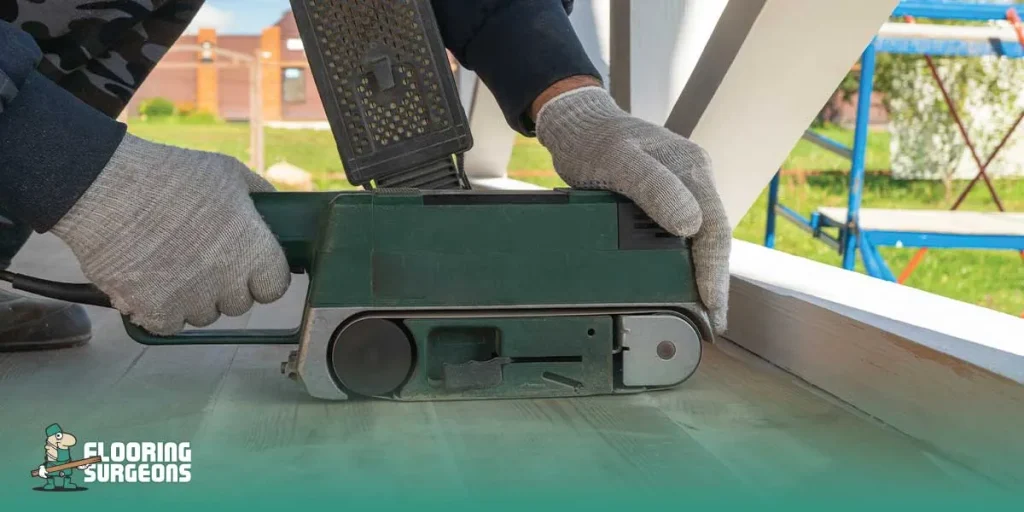
- Sanding Machine: A drum sander is ideal for large areas, while an edge sander is necessary for corners and edges.
- Sandpaper: Start with coarse sandpaper (around 40-60 grit) for the initial pass, then progress to finer grits (80-120) for the finishing touches.
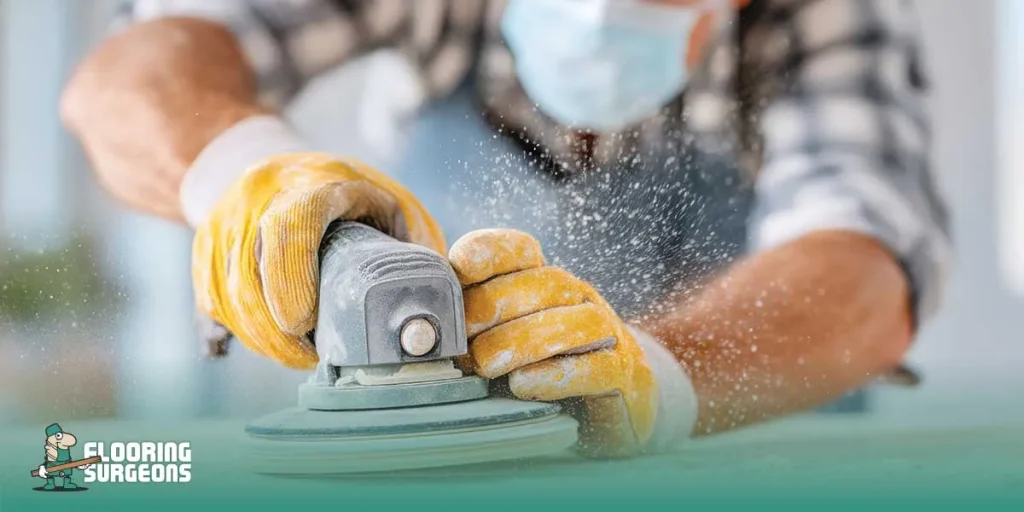
- Safety Gear: Always wear goggles, a dust mask, and ear protection to protect yourself from dust and noise.
3. Sanding the Floor
- First Pass: Begin with the coarse sandpaper and work in a circular motion, slightly overlapping each pass to avoid dips.
- Second Pass: Use medium grit sandpaper to smooth out any rough spots.
- Final Pass: Finish with fine grit sandpaper for a smooth, flawless finish.
4. Edging and Detailing
After sanding the main surface, switch to a handheld sander to take care of edges and corners. These areas require more precision and may need extra sanding to blend perfectly with the larger sections.
5. Cleaning Up
Once sanding is complete, thoroughly vacuum the floor to remove all dust. Dust can affect the finish, so make sure the floor is completely clean before applying a protective layer.
6. Applying a Finish
Once your floor is sanded, you can apply a finish based on your desired look. Whether you prefer a glossy or matte finish, ensure that the finish is evenly applied and allow it to dry completely before walking on the floor.
Sanding Process Overview: A Quick Reference Table
| Step | Action | Details |
| 1. Preparation | Remove all furniture and obstacles from the room. | Ensure a clean and clear workspace to avoid damage and for easier sanding. |
| Sweep and vacuum the floor thoroughly to remove dust and debris. | A clean surface is crucial for effective sanding. | |
| Check for any loose boards, nails, or cracks that need fixing before you begin sanding. | This ensures the floor is stable and free from defects. | |
| 2. Choosing the Right Tools | Sanding Machine: A drum sander for large areas, edge sander for corners and edges. | Select the appropriate sander based on the area size and sanding needs. |
| Sandpaper: Start with coarse sandpaper (40-60 grit), progressing to finer grits (80-120). | Grit progression ensures smooth results without damaging the wood. | |
| Safety Gear: Wear goggles, a dust mask, and ear protection. | Protect yourself from dust and noise during sanding. | |
| 3. Sanding the Floor | First Pass: Start with coarse sandpaper, working in a circular motion, overlapping each pass. | Avoid dips and uneven spots by maintaining an even sanding rhythm. |
| Second Pass: Use medium grit sandpaper to smooth rough areas left from the first pass. | Smooth out imperfections and prepare for the final pass. | |
| Final Pass: Finish with fine grit sandpaper for a smooth, flawless finish. | This ensures the floor is even and ready for finishing touches. | |
| 4. Edging and Detailing | Use a handheld sander to sand edges and corners. | These areas need more precision and may require additional sanding to blend seamlessly with larger areas. |
| 5. Cleaning Up | Vacuum the floor thoroughly to remove all dust. | Dust can interfere with the finish, so cleaning is crucial before applying any protective layers. |
| 6. Applying a Finish | Apply your chosen finish evenly across the floor. | Whether glossy or matte, make sure the finish is evenly applied, and allow it to dry fully before walking on the floor. |
How Many Times Can You Sand a Wood Floor?
Now, we can move on to the most important question. How many times can you sand a wood floor? This is of course dependent on the type of flooring you have and the conditions it’s in. This is how many times different flooring types can be sanded in most cases:
- Solid Wood Floors: You can usually sand down solid wood floors about 4-5 times during the floors’ lifetime. This is based on the thickness of the solid wood and the level of wear.
- Engineered Wood Floors: Engineered wood flooring can also be sanded, but only about 1–2 times since the wear layer is not as thick.
- Parquet Floors: Parquet flooring is also sanded like solid wood flooring, but the number of sanding sessions possible depends on the type of wood and its thickness.
- Laminate Floors: Sanding laminate floors is not possible, so you can only sand down the affected planks and glue them back.
- Other Wood Types: Bamboo floors can be sanded a few times, while cork floors need special treatment.
Additional Considerations for Sanding Your Wood Floor
Some key points to remember when it comes to the number of times to sand your floors include:
- Floor Condition: Older floors or floors with extensive damage may need to be sanded more.
- Desired Finish: A higher gloss finish will need more sanding than a matte finish.
- Wood Type: Softer woods, such as pine, will need fewer sanding passes than harder woods, like oak, which can take more sanding.
If you’re unsure about how many times your floor can be sanded or need sanding tips, contact a professional like Flooring Surgeons.
How to Remove Water Stains from Wood
If your wood floor has water stains, don’t worry—there are ways to remove them:
- Mix equal parts of vinegar and water, and gently rub the stained area with a soft cloth.
- For more stubborn stains, try creating a paste using baking soda and water, and apply it to the stain.
For further guidance on treating water stains, check out our [how to remove water stains from wood] page.
Conclusion
The process of sanding wood floors is important in their maintenance, but it is critical to know how many times you can sand a wood floor before it gets damaged. Follow the step-by-step instructions on sanding a wood floor, no matter what type of wood flooring you have: solid wood flooring or engineered wood flooring. You will be able to renew its look, save your money, and enjoy the beauty of your floor for many years. If you are not comfortable sanding a wood floor, it is best to contact a professional for the job. If you feel confident doing it by yourself, there are a few tools and instructions to help you complete the task.

Mina Asgari
I’m an SEO Specialist and Content Strategist focused on sustainable business growth. I design data-driven content strategies by deeply analyzing user intent, search behavior, and SEO best practices, ensuring every piece of content serves a clear purpose for both users and search engines.