

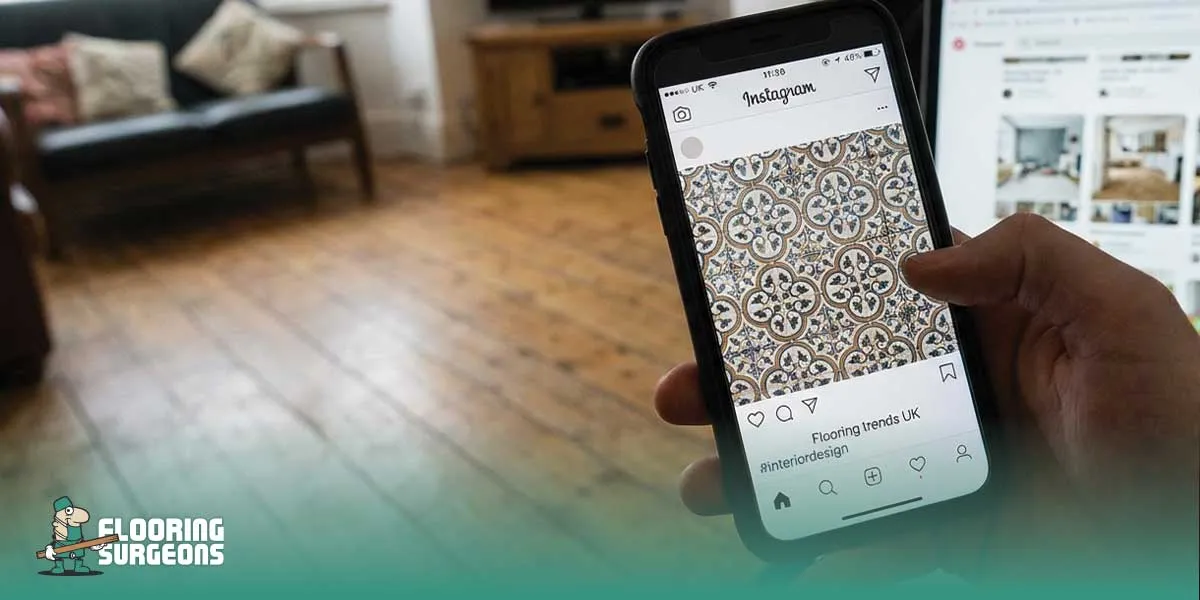
Social media is genuinely influencing flooring choices in the UK, but not always in the way people expect. Platforms like Instagram, TikTok and Pinterest are shaping what homeowners notice, save and consider, often before they speak to a professional or think about how a floor will actually perform in daily life. The result is that certain flooring styles feel suddenly popular, not because they are new or practical, but because they photograph well, fit short-form video, and create a strong visual impact on screens.
That influence can be helpful, but it can also be misleading. Social media tends to reward bold patterns, dramatic finishes and perfectly staged spaces, while downplaying durability, maintenance, cost and suitability for UK homes. What looks effortless in a thirty-second video may behave very differently in a real property with pets, moisture, foot traffic or limited natural light. This is why many homeowners feel torn between what they like online and what they suspect is sensible in reality.
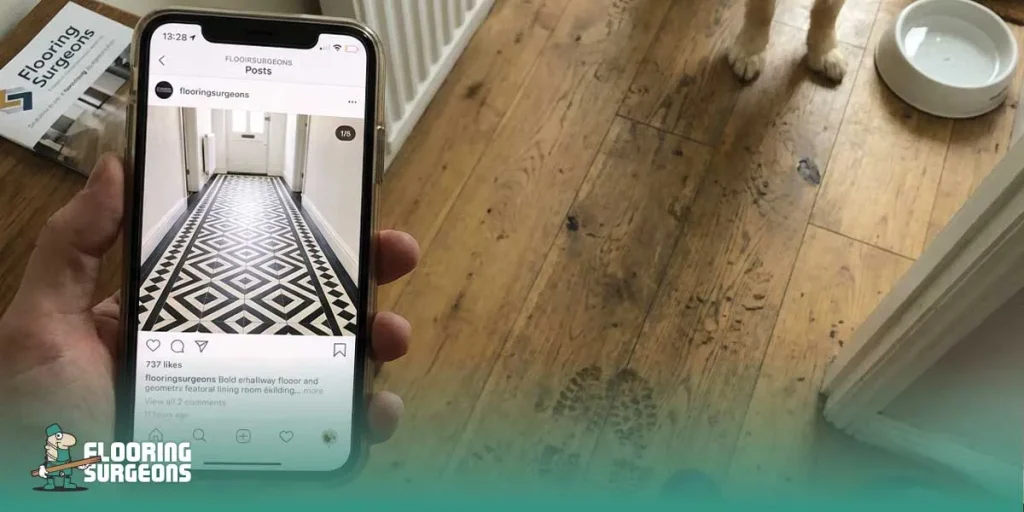
This article explains how social media trends are shaping flooring decisions across the UK, which styles are genuinely influencing the market, and where online trends clash with real-world use. When social media inspiration starts to blur into real decisions, Flooring Surgeons can help separate visual trends from flooring choices that actually suit UK homes. You will see when social media can be a useful source of inspiration and when it can push people toward choices they later regret. If you only wanted a direct answer, social media does influence flooring choices, but it should never be followed without context. If you want to understand how to use those trends intelligently rather than unthinkingly, the rest of the article breaks that down clearly.
Table of contents
Do Social Media Trends Really Affect Flooring Choices in the UK
Yes, social media trends do affect flooring choices in the UK, primarily by shaping awareness and preference rather than dictating final decisions outright. Platforms like Instagram, TikTok and Pinterest influence what homeowners notice first, what feels current, and what they believe other people are choosing. Flooring styles that appear repeatedly in short videos or highly styled images start to feel familiar and desirable, even if the viewer had never considered them before.
This influence works through repetition and visual impact. Flooring that looks striking on camera, such as bold parquet patterns, seamless finishes or high-contrast textures, gains traction because it performs well on screen. Over time, this creates the impression that certain flooring types are suddenly everywhere, which nudges homeowners to ask about them when planning renovations or upgrades. However, social media rarely determines the final choice on its own. Practical concerns like cost, maintenance, durability and suitability for UK homes usually re-enter the conversation once people move beyond inspiration and toward real decisions.
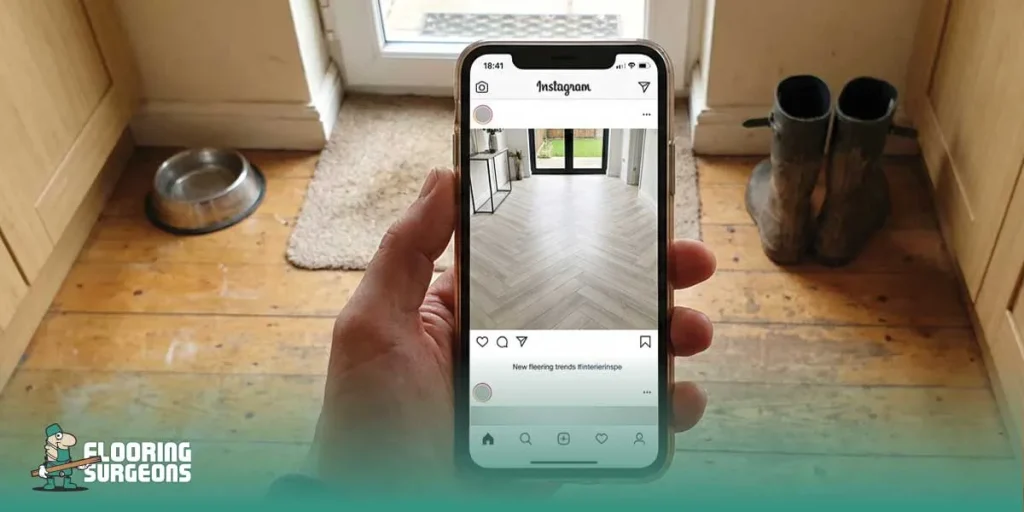
In short, social media sets the shortlist, not the outcome. It plays a decisive role in what people consider, but its influence is strongest at the inspiration stage and weakest when real-world constraints come into play.
How Instagram, TikTok and Pinterest Shape Flooring Trends
Each social media platform influences flooring trends in a slightly different way. Understanding how this happens helps explain why certain styles gain attention quickly and why expectations do not always match real-world results.
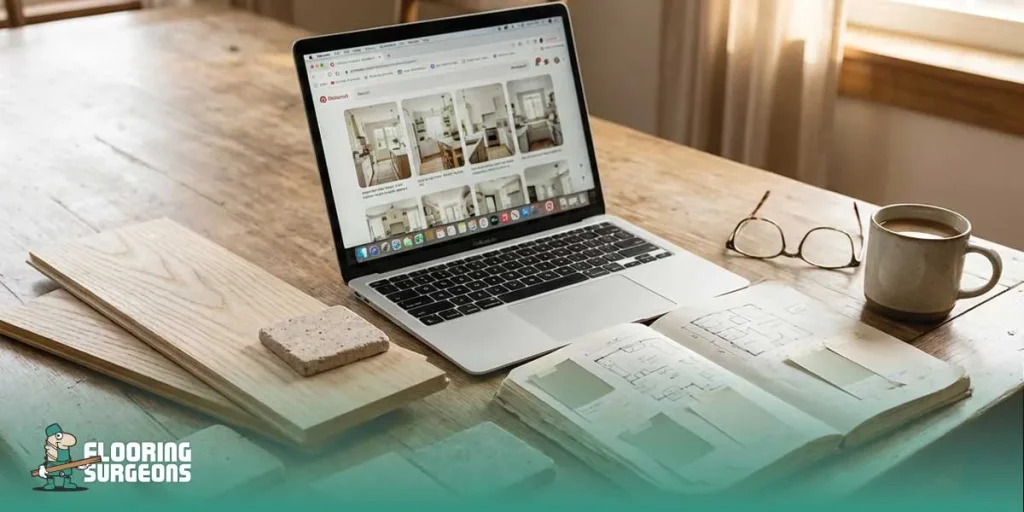
Instagram is driven by polished visuals and curated interiors. Flooring trends that succeed here tend to be highly aesthetic and immediately recognisable. Patterns like herringbone, chevron and wide plank wood perform well because they add visual structure to a room and photograph cleanly. Neutral palettes with strong texture are common, as they fit the platform’s preference for cohesive and aspirational spaces. The downside is that Instagram rarely shows wear, maintenance or long-term use. Floors are presented at their best, often shortly after installation, which can give a misleading impression of effortlessness and durability.
TikTok
TikTok pushes flooring trends through speed and transformation. Before-and-after videos, renovation reveals, and dramatic changes are what drive engagement. Flooring that creates a strong contrast, such as dark wood replacing carpet or patterned floors transforming plain rooms, spreads quickly. TikTok also amplifies the idea of quick wins, which can oversimplify the work involved. Flooring appears fast and easy to change, even when the reality requires time, disruption and cost. This can encourage unrealistic expectations about installation, lifespan and maintenance.
Pinterest acts more like a long-term mood board. Flooring trends here are less about novelty and more about consistency and aspiration. Users save ideas for future projects, which means styles that feel timeless, calm or versatile perform well. Light wood tones, natural finishes and classic layouts dominate. Pinterest is often where UK homeowners begin forming a vision, but it still lacks context about performance, especially in relation to older homes, moisture levels and daily use.
Together, these platforms shape what people notice and aspire to, but each filters reality differently. Instagram sells the look, TikTok sells the transformation, and Pinterest sells the idea. Understanding these differences makes it easier to separate inspiration from practical decision-making when choosing flooring in the UK.
Flooring Styles That Perform Well on Social Media
Certain flooring styles consistently perform well on social media, not because they suit every home, but because they translate powerfully to screens. These styles share visual traits that work within the algorithms and viewing habits of social platforms.
Patterned wood layouts
Herringbone and chevron flooring dominate social feeds because they add instant structure and movement to a room. The repeating geometry creates depth in photos and video, making even simple spaces feel designed. On social media, these patterns read as craftsmanship and quality, even when the rest of the room is minimal. The pattern itself becomes the focal point, which is why it spreads easily. It is no coincidence that herringbone flooring appears so frequently on social media, as its pattern creates a strong visual impact on camera.
Seamless and continuous flooring
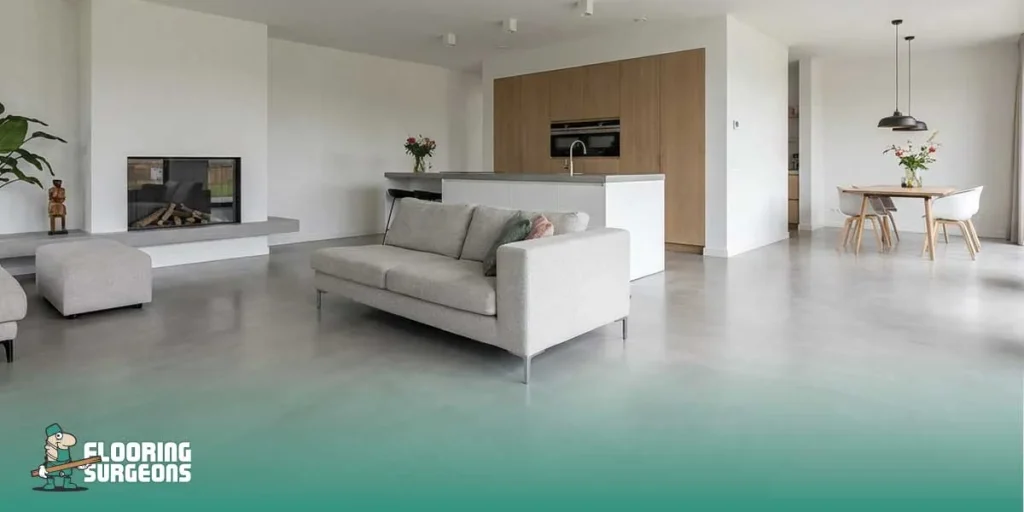
Floors that run uninterrupted through open plan spaces perform well because they enhance the sense of scale. On camera, fewer visual breaks make rooms feel larger and more expensive. This is especially effective in wide-angle shots commonly used on Instagram and TikTok. The appeal is not the material itself, but the visual calm and flow it creates.
Light and natural wood tones
Light oak and neutral wood shades are highly shareable because they reflect light and work with a wide range of interiors. They photograph cleanly and reduce shadow, which flatters both small and large rooms. These tones also feel safe and adaptable, which encourages saves and shares, even if the viewer never installs the same floor.
High contrast finishes
Dark flooring paired with light walls performs well in dramatic reveal videos. The contrast creates a strong before-and-after effect that suits TikTok’s fast-paced format. While visually striking, these floors often gain traction because of the transformation rather than their practicality in daily life.
Texture over colour
Floors with visible grain, matte finishes, or subtle variation perform better than glossy or highly coloured surfaces. Texture adds interest without overwhelming the frame. Social media favours materials that look tactile and authentic, even when they require more care in reality.
The common thread across these styles is not performance or longevity, but visual clarity. Flooring goes viral when it reads clearly in a small frame and supports a strong visual story. That does not make these choices wrong, but it does explain why popularity on social media should be treated as inspiration rather than proof of suitability.
When Social Media Flooring Trends Do Not Work in Real Homes
This is where many homeowners feel the gap between what looks good online and what actually works day to day. Social media rarely shows the long-term behaviour of flooring, which is why some popular trends fall short once installed in real UK homes.
When Trending Flooring Clashes with UK Living Conditions
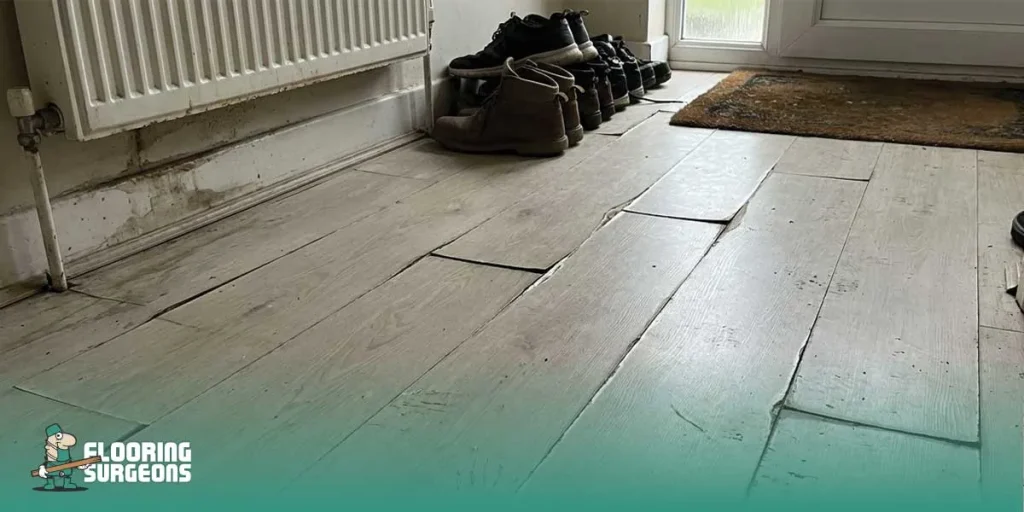
Many flooring trends are driven by international content, often filmed in climates and properties very different from typical UK homes. Moisture levels, temperature changes, and building age all matter. Flooring that looks flawless on social media can struggle in UK properties with suspended timber floors, limited ventilation, or fluctuating humidity. Materials that rely heavily on adhesives or layered construction are particularly vulnerable. What appears stable and seamless online may expand, shift, or wear unevenly in real conditions, leading to disappointment and additional costs.
When Visual Appeal Overrides Durability and Maintenance
Social media flooring trends often prioritise impact over longevity. High-contrast finishes, ultra-matte surfaces, or heavily textured floors attract attention on camera but can be harder to live with. Scratches, dust, pet hair, and wear patterns show up quickly in everyday use, even if they are invisible in curated photos. Trends also tend to ignore maintenance. Floors that require frequent cleaning, specialist products, or careful use are rarely shown beyond their best moment. When homeowners realise this after installation, the gap between expectation and reality becomes clear. These issues do not mean social media trends are useless. They mean trends should be filtered through the realities of UK homes, lifestyle, and long-term use. Flooring choices that ignore those factors may look impressive online but fail to deliver satisfaction once the camera is gone.
Why Some Flooring Trends Clash with UK Homes
Certain flooring trends struggle in UK homes because they do not account for everyday conditions, building styles, and how spaces are actually used. The issues below are the most common reasons why popular online flooring choices fail to perform well in the UK.
- Higher moisture and humidity levels
Many UK homes experience consistent moisture, especially in older properties. Flooring that performs well in dry, climate-controlled environments may react poorly to humidity, leading to expansion, movement, or surface damage. - Suspended timber floors and ventilation
A large number of UK homes have suspended floors that rely on airflow. Flooring systems that restrict breathability or rely on rigid installation methods can conflict with how these buildings are designed to function. - Frequent indoor-outdoor use
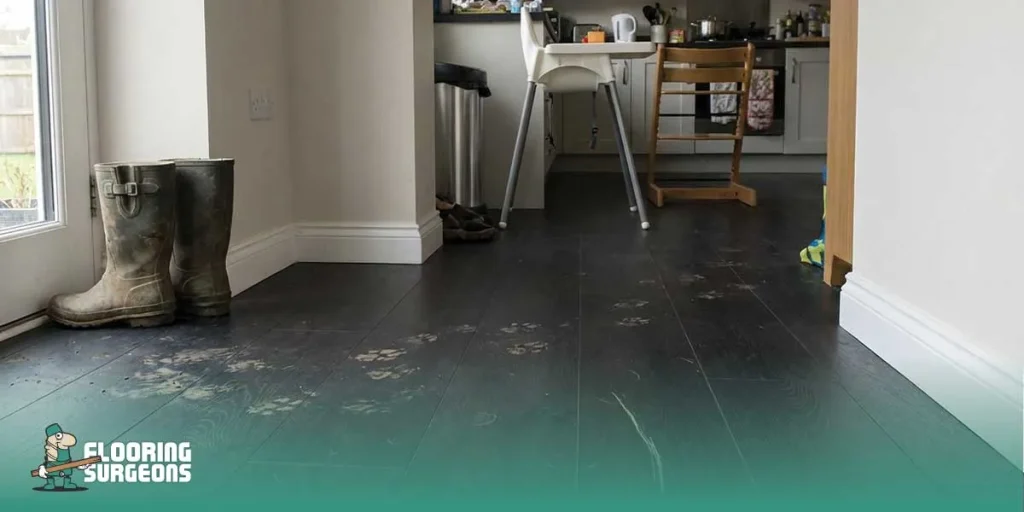
UK lifestyles often involve more foot traffic from outdoors, including shoes, moisture, and debris. Flooring trends that assume low-impact use or constant climate control can wear faster under these conditions. - Pets and family living
Homes with children or pets place different demands on flooring. Highly textured or dark finishes may show wear, hair, and marks quickly, despite appearing flawless online. - Smaller room sizes and natural light limits
Flooring trends that rely on strong contrast or heavy pattern can overwhelm smaller UK rooms or darker spaces, even if they look balanced in well-lit social media content. - Long-term practicality over short-term aesthetics
UK homeowners tend to live with their flooring for many years. Trends driven by visual novelty may lose appeal or prove impractical long before the floor reaches the end of its usable life.
These factors explain why some flooring trends feel appealing on social media but underperform in real UK homes. Understanding this context helps homeowners make choices that remain practical and satisfying beyond the initial visual impact.
How to Use Social Media for Flooring Inspiration Without Regret
Social media works best as a starting point, not a final decision-maker. The key is to separate visual inspiration from practical selection. The table below shows how to use social platforms productively without falling into common traps.
| Use social media to | Avoid using social media to |
| Spot styles and layouts that catch your eye | Decide materials based only on appearance |
| Compare how different flooring looks in styled spaces | Assume that flooring performs the same in all homes |
| Identify patterns, tones, and finishes you like | Judge durability, maintenance, or lifespan |
| Build a short list of options to explore further | Skip professional advice or real-world testing |
| Understand current design preferences | Follow trends without considering context |
Before committing to a trend seen online, it helps to understand the different types of wooden flooring and how they perform beyond visual appeal. Once you have narrowed down ideas, the next step is reality checking. Ask how the flooring will cope with moisture, traffic, pets, and the way your home is built. Consider how often it needs cleaning, how it ages, and whether the trend will still feel right in a few years. Social media is valuable for discovering what is possible and what feels current, but confident decisions come from combining that inspiration with practical knowledge. When used this way, trends become tools rather than risks, and flooring choices are far less likely to lead to regret.

Haniye Ayanmanesh
As an expert writer for Flooring Surgeons, I combine technical SEO knowledge with a practical understanding of flooring, producing content that helps users make confident decisions while supporting long-term organic growth.