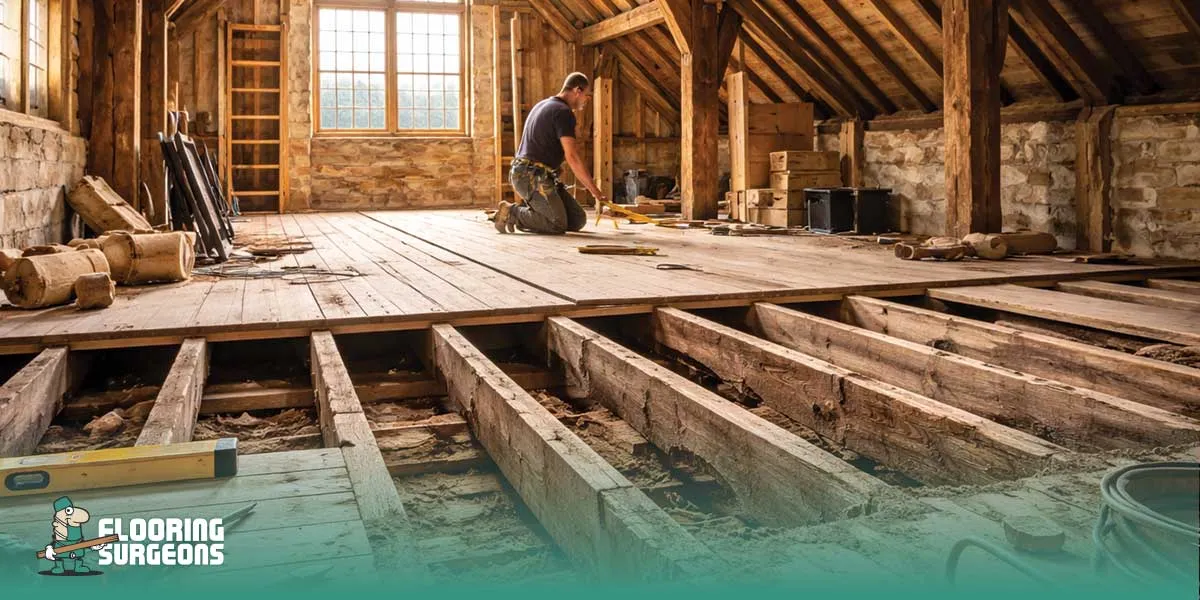


When it comes to selecting the perfect flooring for your home, one of the key considerations is how thick is engineered hardwood flooring. Understanding the thickness options and how they impact both the aesthetic and functionality of your space can make all the difference. Whether you’re installing flooring in a high-traffic area or looking to achieve a specific design, knowing the right thickness can help you make the best decision.
In this guide, we’ll explore the different engineered hardwood flooring thicknesses, including the factors that influence your choice. From 10mm to 20mm, each thickness has its own set of benefits that suit various needs. Let’s dive into the specifics so you can choose the ideal flooring for your home.
Table of contents
What is Engineered Hardwood Flooring?
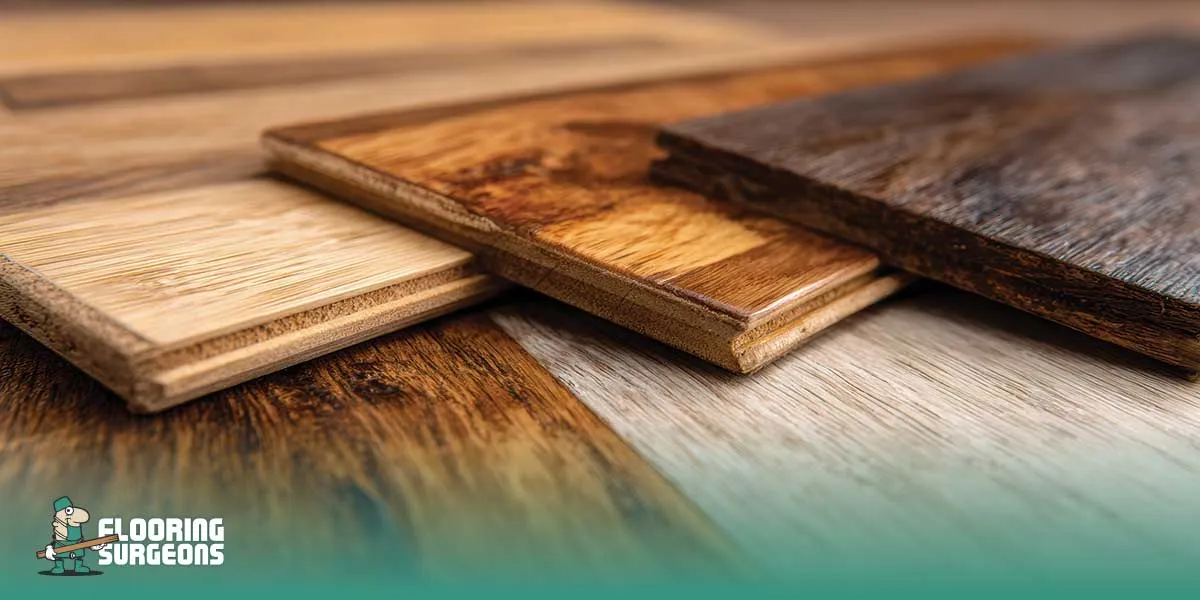
Engineered hardwood flooring consists of multiple layers of wood bonded together. The top layer, often referred to as the wear layer, is the part that you see and walk on. This layer is made from high-quality hardwood, while the layers underneath are typically plywood or other engineered wood products that provide stability and durability.
When people ask, how thick is engineered flooring, it’s important to note that the overall thickness depends on the wear layer and the number of base layers beneath it. How thick is engineered wood typically ranges from 10mm to 20mm, with popular choices including 10mm Engineered Flooring, 14mm Engineered Flooring, and 20mm Engineered Flooring. These variations allow you to choose the right thickness depending on the room and traffic conditions in your home.
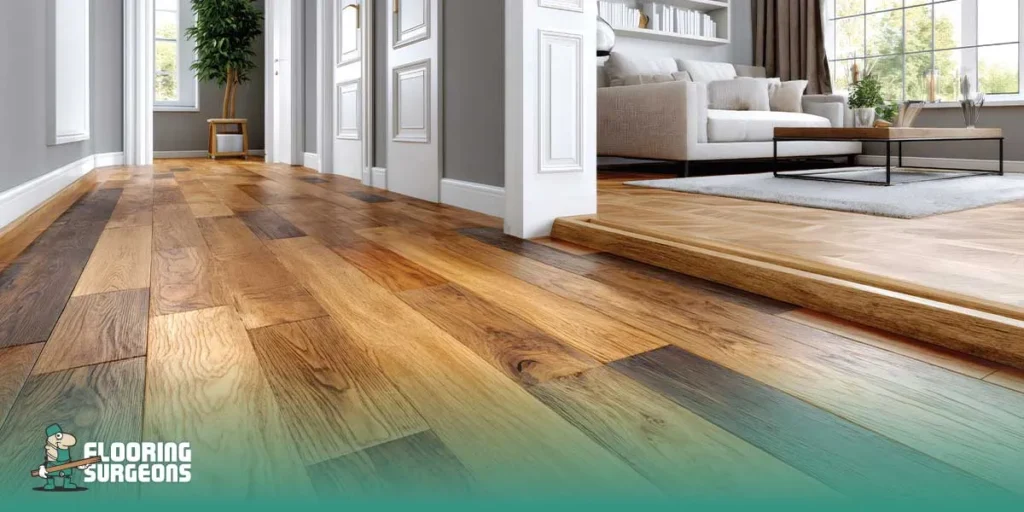
Engineered Hardwood Flooring Thickness Chart
Here’s a helpful chart that breaks down the different thickness options available for engineered wood floors. This will help you compare thicknesses and decide which one suits your project best:
| Thickness | Wear Layer Thickness | Ideal Use Case | Durability & Maintenance |
| 10mm | 2.5mm – 3mm | Light traffic areas like bedrooms and offices | Good for less wear and tear |
| 14mm | 3mm – 4mm | Medium traffic areas like living rooms and kitchens | Offers moderate durability |
| 15mm | 3.5mm – 4mm | Versatile for most rooms, including bedrooms, offices, and hallways | Well-balanced durability and maintenance |
| 18mm | 4mm – 5mm | High traffic areas, especially hallways and living rooms | Excellent durability and ability to be refinished |
| 20mm | 4mm – 6mm | High traffic areas like hallways and commercial spaces | Exceptional durability, resanding ability, and stability |
What is the Best Thickness for Engineered Hardwood Flooring?
The best thickness for engineered hardwood flooring largely depends on your specific needs and the area where the flooring will be installed. If you’re looking for a more durable floor that can handle high traffic, a thicker board, such as 20mm Engineered Flooring, is an excellent choice. Thicker boards typically have thicker wear layers, which means they can be sanded and refinished more times over the years.
On the other hand, if you’re looking to install flooring in a room with less foot traffic, such as a bedroom or office, 10mm Engineered Flooring may be more than sufficient. It’s also a cost-effective option without compromising on quality.
For spaces with moderate traffic, 14mm Engineered Flooring offers a nice balance of durability and affordability. It’s a versatile option that works well in kitchens, living rooms, and even some hallways.
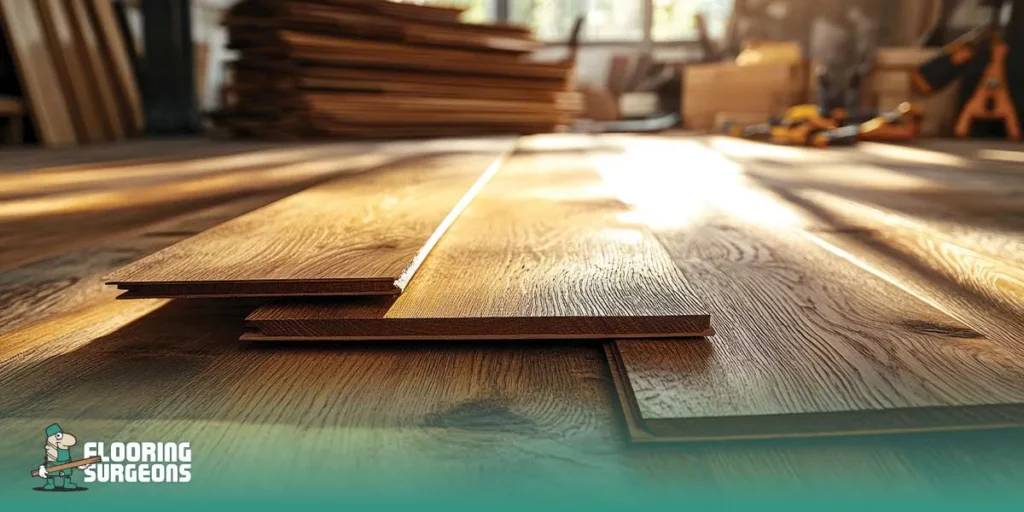
How Thick Are Engineered Wood Floors?
The overall thickness of engineered wood floors can vary depending on the brand and product type, but the most common thicknesses range from 10mm to 20mm. Some premium products may go beyond this range, offering even thicker options.
If you’re wondering, what is the thickest engineered hardwood floor, the answer would be those in the 20mm range, with some high-end products offering even thicker versions for specific needs.
It’s important to note that engineered wood flooring thickness impacts more than just durability—it also affects the floor’s ability to handle heat transfer, especially if you’re using underfloor heating. Thicker floors, such as 20mm Engineered Flooring, retain heat longer, making them a better option for underfloor heating systems.
Understanding the Layers of Engineered Hardwood Flooring
When choosing engineered hardwood flooring, understanding the construction is crucial. Most engineered flooring wood is made up of three primary layers:
- Wear Layer: The top layer is made of hardwood (usually between 2.5mm and 6mm thick). This is the layer that you will see and walk on.
- Core Layer: Below the wear layer, the core layer is made of plywood or another stable material. This layer provides structural integrity.
- Backing Layer: The bottom layer helps with moisture resistance and stability, ensuring the floor remains flat over time.
The thickness of the wear layer is particularly important for durability and how often you can refinish the floor. Thicker wear layers, such as those found in 20mm Engineered Flooring, can withstand more sanding and refinishing, extending the life of your floor.
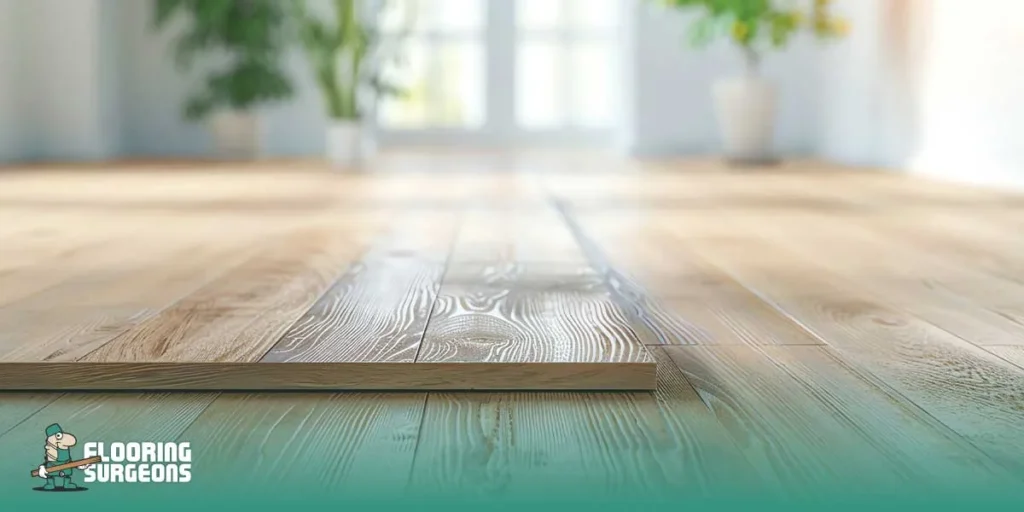
Thickness Considerations for Engineered Hardwood and Underfloor Heating
When installing engineered wood flooring over an underfloor heating system, it’s important to consider the thickness. While engineered hardwood flooring thickness does not directly affect the heating performance, thinner floors allow for better heat transfer. 10mm Engineered Flooring is often recommended for underfloor heating systems, as it allows heat to pass through more efficiently.
If you’re using Laminate flooring thickness or another type of flooring with underfloor heating, similar rules apply: thinner floors offer better heat transfer, while thicker ones may delay the heating process.
Final Thoughts
Selecting the right thickness for your engineered wood flooring is crucial to ensure long-term satisfaction. Whether you’re going for a thinner option like 10mm Engineered Flooring or a more durable choice like 20mm Engineered Flooring, consider the foot traffic, design preferences, and functional needs of the space. At Flooring Surgeons, we offer a wide range of engineered hardwood options to suit every project.
By understanding the thickness options and their impact on durability and maintenance, you can make a confident choice that fits both your aesthetic desires and practical needs.
Explore our full range of engineered flooring wood products today to find the perfect fit for your home or business.

Mina Asgari
I’m an SEO Specialist and Content Strategist focused on sustainable business growth. I design data-driven content strategies by deeply analyzing user intent, search behavior, and SEO best practices, ensuring every piece of content serves a clear purpose for both users and search engines.