

A rustic living room is defined by natural materials, warm textures, and a lived-in simplicity — and the quickest way to achieve it is by combining wood, earthy colours, and minimal, handcrafted décor. Modern rustic style keeps the same natural foundation but blends it with clean lines and contemporary furniture, while simple rustic styling focuses on warmth and practicality without clutter.
Many homeowners know the “look” they want but struggle to recreate it in a real living room. This guide gives you the exact steps, characteristics, colour choices, and styling principles designers use to build rustic spaces that feel natural rather than staged. No vague inspiration, no overused Pinterest ideas — just clear, actionable advice based on real interior design practice. If you want a living room that feels warm, grounded, and authentically rustic, this is the guide that finally tells you how to do it properly.
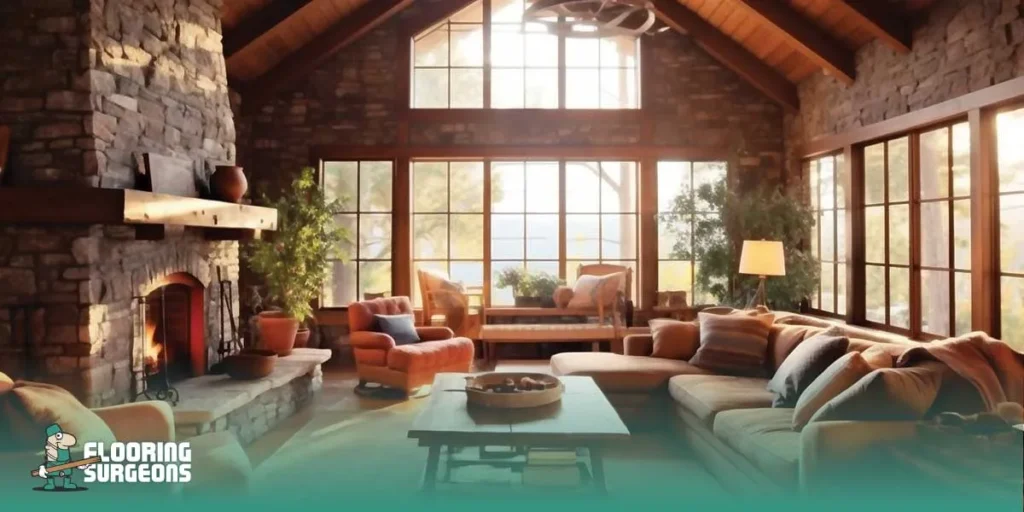
Table of contents
What Defines Rustic Style in Interior Design? (Key Characteristics)
Rustic style centres on natural materials, warm textures, and an unfussy, grounded aesthetic. Instead of polished surfaces or synthetic finishes, it uses elements that feel raw, honest, and lived-in. The core rustic style interior design characteristics include real wood, earthy colour palettes, organic fabrics, and décor that prioritises simplicity over decoration. Everything is chosen to make the space feel warm, steady, and comfortable without appearing curated or staged.
Rustic interiors work because they rely on balance: enough texture to add depth, enough simplicity to keep the room calm, and enough natural tones to create a cohesive atmosphere. It’s this combination—not any single object—that defines the rustic look. And since flooring plays such a significant role in setting that foundation, many homeowners refer to guides from Flooring Surgeons to understand how different wood tones and finishes affect the overall rustic mood of a room.
Modern Rustic Interior Design Characteristics
Modern rustic styling blends the warmth of natural materials with the clean lines of contemporary design. Rather than heavy wooden furniture or overly textured décor, it uses lighter woods, muted tones, matte finishes, and streamlined shapes. The result is a room that feels calm and natural but still fresh and updated, with no visual clutter. It’s rustic for people who want warmth without the “cabin” feel.

Traditional Rustic Decor Features (Wood, Stone, Texture)
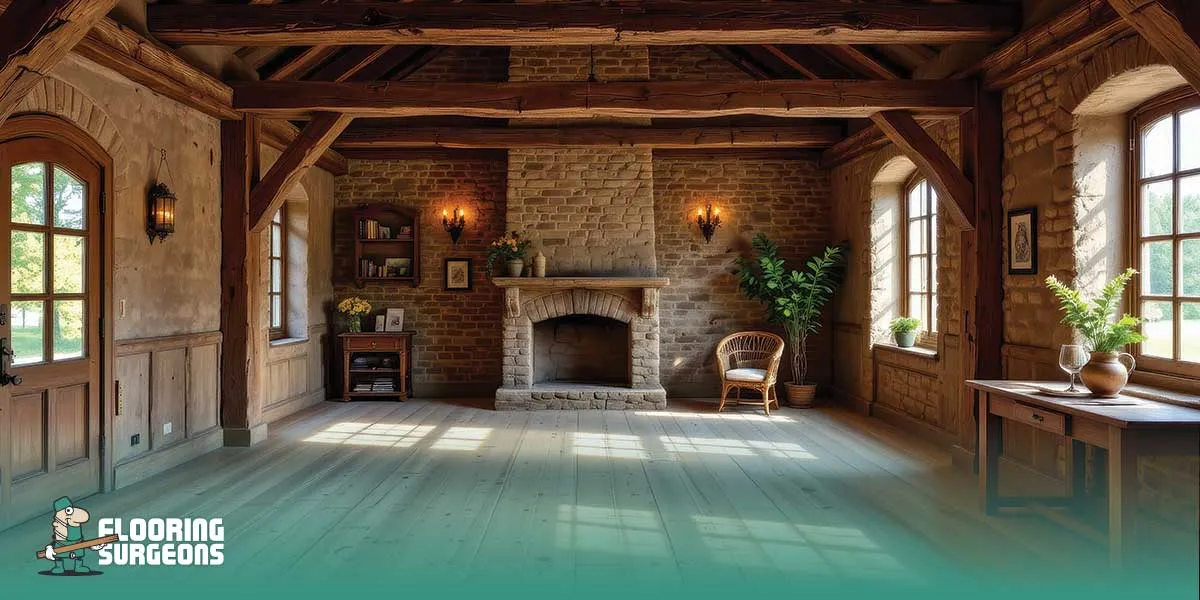
Traditional rustic design leans more heavily into natural, unrefined materials—reclaimed wood, visible knots, stone accents, aged metal, and woven textiles. Everything carries a natural irregularity, giving the room an authentic, handcrafted feel. This style is richer, earthier, and more texturally layered than modern rustic, making it ideal for cosy, country-inspired spaces.
How to Decorate a Living Room in Rustic Style Step by Step
To make your living room look rustic, you need to build the aesthetic in stages—starting with colour, then materials, then texture, and finally lighting. Each layer works together to create a room that feels warm, natural, and cohesive without drifting into themed décor. Below are the steps users actually search for and need.
Choose Rustic Colours for the Living Room
Start by choosing colours that set a warm, grounded tone. What colours are used in rustic style? Earthy neutrals, warm browns, muted greens, soft creams, and natural whites work best because they create a calm backdrop for the wood and organic textures that define rustic interiors. Avoid high-contrast or overly saturated colours; rustic spaces should feel steady and relaxed.

Pick the Right Materials: Wood, Linen, Jute, Leather
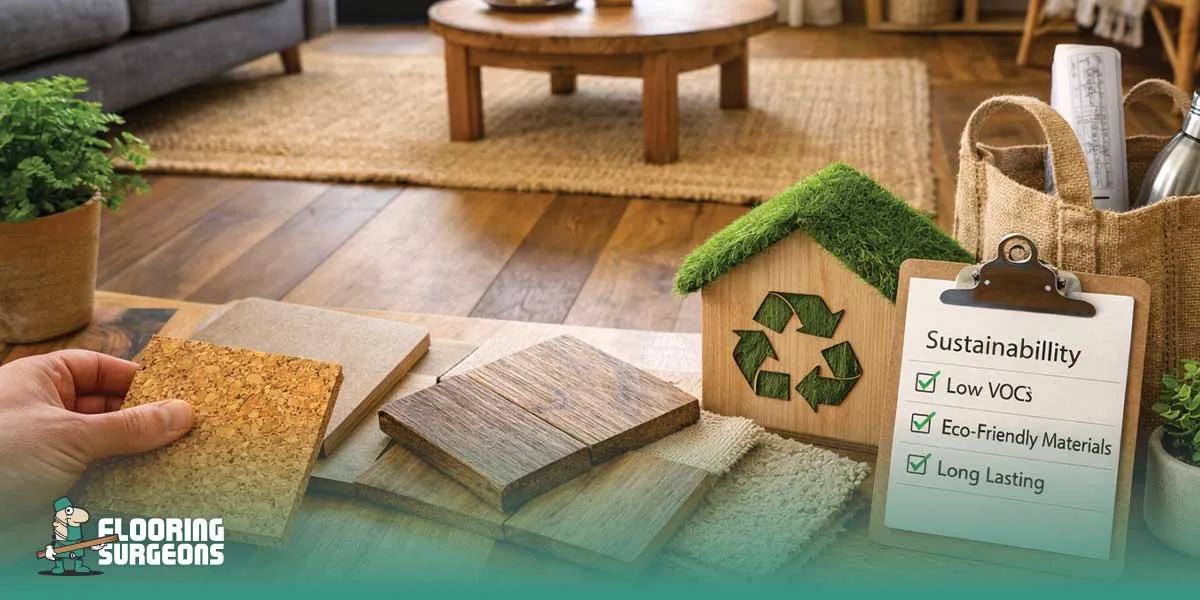
Materials determine whether the room reads as genuinely rustic or simply decorated. Prioritise real wood over laminates, natural fabrics like linen or cotton, woven fibres such as jute, and warm finishes like leather. These materials add authenticity without overwhelming the room. Even adding a single wooden coffee table or a linen throw can shift the entire atmosphere. When choosing wooden furniture or accent pieces for a rustic living room, it’s worth paying attention to the finish as well—matte, low-sheen options tend to look warmer and more authentic, especially in spaces where hardwood finish durability plays a big role in how natural surfaces age over time.
Add Rustic Textures Without Overdoing It
Texture is essential in rustic design, but using too much of it makes the room look messy rather than warm. Incorporate a mix of rough and soft textures—such as a chunky knit blanket paired with a smooth wooden surface or a jute rug balanced by soft cushions. The goal is to create depth through contrast, not to layer textures for their own sake.
How to Style Lighting for a Rustic Living Room
Lighting is one of the fastest ways to establish a rustic feel. Choose warm, diffused lighting rather than bright white bulbs. Fixtures made with wood, metal, or matte finishes complement the rustic palette naturally. Wall sconces, lantern-inspired lamps, and warm LED bulbs create an inviting atmosphere without detracting from the room’s natural elements.
Modern Rustic Living Room Ideas for 2025
Modern rustic design in 2025 focuses on clean silhouettes, natural materials, and a calm, understated palette—combining comfort with a contemporary edge. Instead of heavy timber and busy textures, the latest modern rustic living room ideas lean toward lighter woods, matte finishes, soft neutrals, and furniture that feels refined but still warm. The aim is to create a room that feels natural and lived-in without leaning into traditional country or cabin aesthetics.
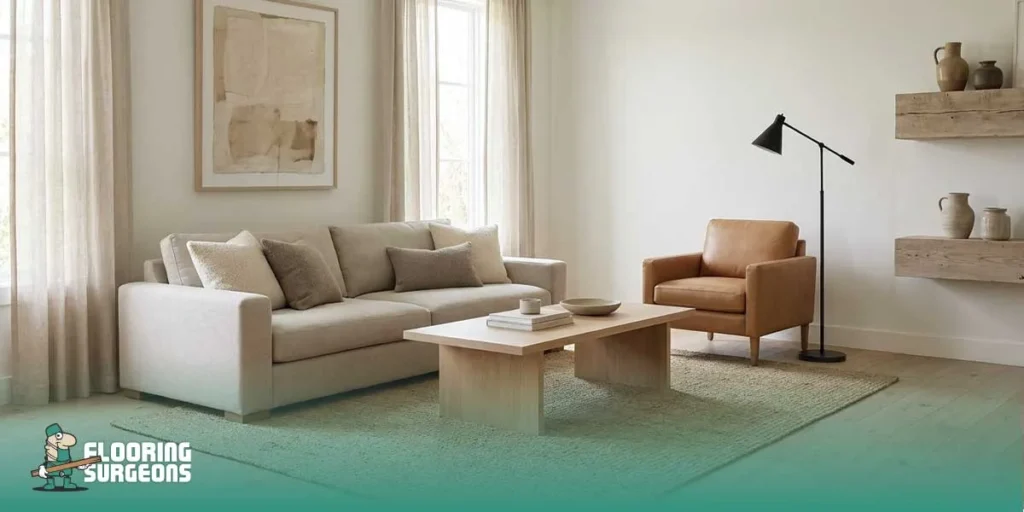
Modern rustic design works best when each element is intentional: simpler shapes, balanced contrasts, and textures that support the space rather than dominate it. Every choice should make the room feel open, grounded, and effortless. Even practical surfaces—like the ones you’d compare when choosing Laminate Flooring For Kitchen– need the same balance of warmth and subtle texture to complement a modern rustic living room without overwhelming it.
Blending Rustic Elements with Modern Furniture
The key to blending rustic with modern is proportion—letting one style set the foundation while the other provides structure. A contemporary sofa in a neutral fabric instantly balances the warmth of reclaimed wood, while a sleek metal lamp can elevate the organic look of a rough-hewn coffee table. Keep rustic elements as accents rather than the focal point: a wooden console, a linen throw, or a textured rug can subtly ground the room without disrupting its modern lines. This approach avoids the “mixed too much” problem: the room stays clean and streamlined while still feeling natural and tactile.
Minimalist Rustic Decor Tips (Simple but Stylish)
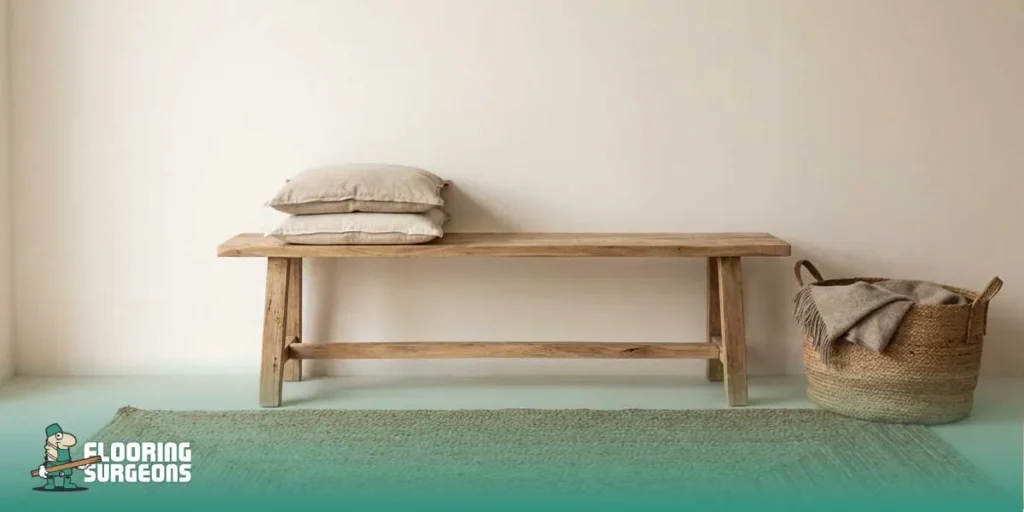
If you prefer a cleaner aesthetic, focus on simple rustic living room ideas that use fewer items but more intentional details. Choose one statement piece—like a raw-wood bench or a textured woven rug—and let the rest of the decor stay understated. Stick to a narrow palette of warm neutrals and add just one or two organic textures, such as linen cushions or a single jute basket, to avoid visual clutter. Minimalist rustic doesn’t remove warmth; it concentrates it. By limiting accessories and emphasising natural finishes, the room feels peaceful, modern, and elegantly rustic.
Small Rustic Modern Living Room Ideas (Space-Saving & Stylish)
Small living rooms can still achieve a warm, modern rustic feel by focusing on scale, light, and selective texture. The best small rustic modern living room ideas avoid bulky décor and instead use compact materials and colours that visually open the space while keeping the rustic character intact. The goal is to create a room that feels cosy, not crowded.
What Works — and What Doesn’t — in Small Rustic Modern Living Rooms
| Design Element | Works Well in Small Rustic Spaces | Avoid in Small Spaces |
| Wood Choices | Light oak, soft matte finishes | Dark, heavy timber |
| Textures | Subtle linen, fine-weave rugs | Thick knits, oversized chunky textures |
| Furniture | Slim-legged sofas, compact wooden tables | Bulky leather sofas, oversized rustic pieces |
| Colour Palette | Warm neutrals, soft whites, muted greens | High contrast colours, heavy browns |
| Decor | One or two statement natural items | Clutter, too many rustic accessories |
How to Make a Small Living Room Feel More Rustic
The simplest way to make a small living room feel rustic is by adding natural elements without overwhelming the space. Start with one grounding piece—like a compact wooden coffee table or a textured woven rug—and let it shape the rest of the room. Small spaces benefit from restraint: instead of layering multiple rustic objects, choose a few high-impact materials that introduce warmth without visual heaviness. Avoid forcing “big rustic moments” (like oversized reclaimed furniture) into a tight room; in small spaces, subtle rustic details create a more substantial effect than large ones.
Using Light Wood & Soft Neutrals in Small Rustic Spaces
Light wood instantly expands a room visually, making it the best choice for rustic styling in small living areas. Soft oak, maple, or pale finishes add warmth without shrinking the space. Pair these tones with muted neutrals—warm white, beige, sand, or gentle greys—to maintain a clean backdrop that enhances the rustic elements rather than competing with them. This combination keeps the room bright and airy while still introducing the natural textures core to rustic design. It’s the easiest way to achieve rustic charm in a limited footprint.
Furniture Layout Ideas for Small Rustic Rooms
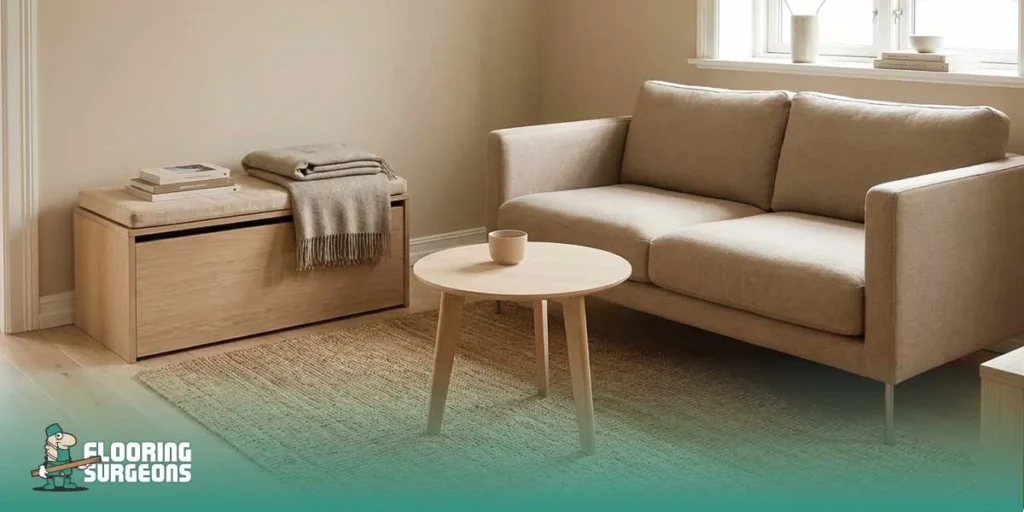
In small rustic modern spaces, layout matters more than decoration. Choose furniture that sits slightly off the ground with slim legs—this creates visible floor space and makes the room feel larger. Position your main seating against a wall, and keep walkways open to maintain flow. Use one compact coffee table instead of multiple side tables, and opt for pieces that double as storage, such as a wooden bench with hidden compartments. Every item should earn its place: small rooms need functional rustic décor, not ornamental pieces that restrict movement.
Farmhouse Country Living Room Ideas (Cosy & Warm)
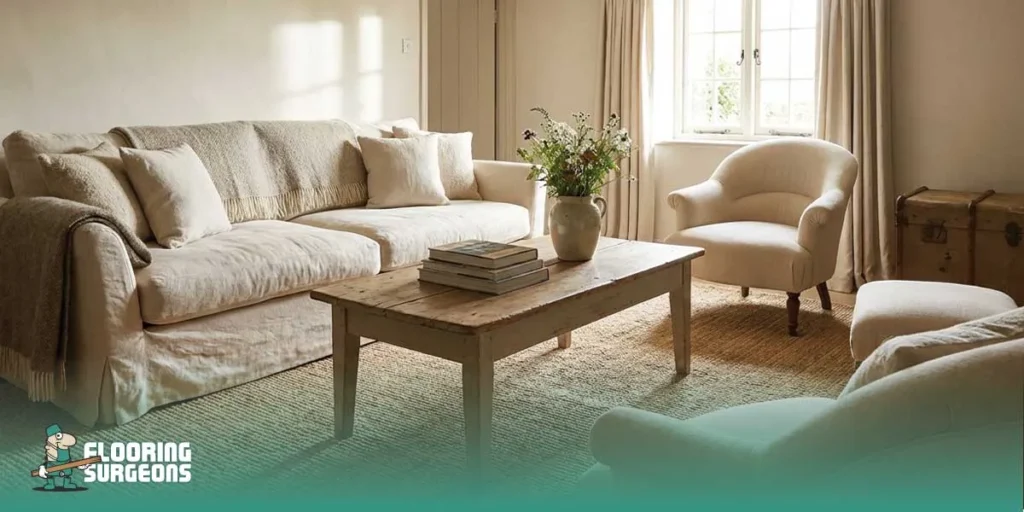
Farmhouse style creates warmth through comfort, natural textures, and lived-in charm — which is why farmhouse country living room ideas focus more on a welcoming atmosphere than on perfect styling. Instead of polished surfaces or minimalist lines, farmhouse rooms use soft fabrics, relaxed silhouettes, and gentle colour palettes to achieve a cosy, approachable feel. Everything should look inviting, familiar, and easy to live with. Unlike modern rustic, which emphasises clean lines, farmhouse country design brings in softness: layered textiles, oversized cushions, warm whites, and furniture that prioritises comfort over formality. It’s rustic, but with a gentler, more homely personality.
Choosing Farmhouse Rustic Furniture
The fastest way to make a living room feel farmhouse rustic is to pick comfortable, generously shaped furniture made from natural materials. Think deep sofas in linen or cotton, wooden coffee tables with a slightly weathered finish, and armchairs with soft curves rather than sharp angles. Each piece should feel approachable — nothing too structured, shiny, or modern. Add one or two statement elements, such as a vintage trunk, a soft-patterned rug, or a large woven basket, to enhance the farmhouse feel without overwhelming the room. The goal is comfort first, style second.
How Farmhouse Rustic Differs from Classic Rustic
Farmhouse rustic differs from classic rustic in its use of softness and brightness. Classic rustic relies on raw, heavy textures and darker woods, while farmhouse rustic uses lighter tones, smoother finishes, and more fabric layering. Where classic rustic feels grounded and strong, farmhouse rustic feels airy, gentle, and more family-friendly. This contrast is what makes farmhouse style so popular: it preserves the natural, earthy character of rustic design while transforming it into something warmer and more approachable. It’s rustic reimagined for everyday living — softer, cosier, and easier to adapt to modern homes.
Rustic Living Room Ideas on a Budget (Low-Cost Options That Look High-End)
You can create a high-end rustic look without spending much by focusing on small, high-impact changes that shift the room’s overall mood. The best rustic living room ideas on a budget rely on wise material choices, subtle texture updates, and simple styling tricks rather than expensive furniture.

Practical Budget-Friendly Rustic Ideas
- Swap out generic accessories with natural, affordable pieces like woven baskets, jute planters, or cotton throws — these instantly add warmth without significant investment.
- Use dried branches or pampas stems as décor for a rustic, organic touch that costs far less than buying new decorative items.
- Replace only the lampshades with linen or textured fabric versions to give the room a softer farmhouse glow without buying new lighting.
- Create DIY rustic wall art by framing fabric swatches, pressed leaves, or small reclaimed-wood pieces for a natural, inexpensive focal point.
- Upcycle old furniture with a light sanding and matte wood stain to mimic a high-end rustic finish without purchasing new pieces.
- Add texture with affordable textiles like woven cushions or neutral-toned rugs to immediately elevate the room’s warmth.
- Use second-hand wooden stools or crates as side tables — they deliver authentic rustic charm and often look better than new factory-made décor.
Rustic Design Mistakes to Avoid (Common Problems & Easy Fixes)
Rustic design is easy to get wrong when the space becomes too dark, too busy, or too themed. Avoiding a few common mistakes keeps your living room warm and natural, rather than dated or cluttered. Each issue below comes with a straightforward, simple fix.
Overusing Dark Wood
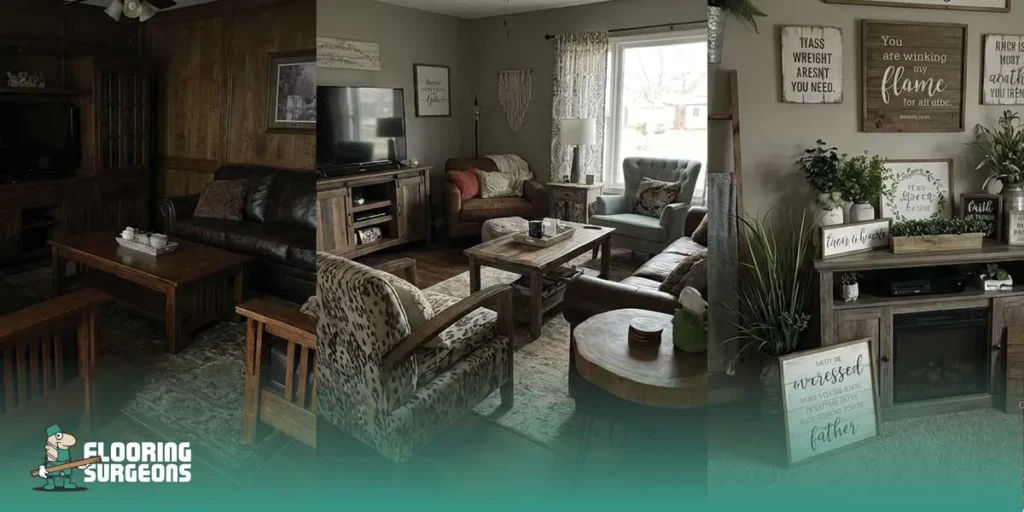
Too much dark wood can make a rustic living room feel heavy and visually cramped, especially in modern homes with limited natural light. The fix is simple: balance darker pieces with lighter woods, soft neutrals, and airy fabrics so the room stays warm without becoming oppressive. Rustic style is about natural contrast, not overwhelming depth.
Mixing Too Many Styles
Combining rustic elements with modern or farmhouse pieces can work beautifully — but only when done intentionally. The mistake happens when too many styles compete, creating a confused look. To avoid this, choose one dominant direction (rustic, modern rustic, or farmhouse rustic) and let other styles act as subtle accents rather than equal voices in the room.
Cluttered “Fake Rustic” Decor
Over-decorating with mass-produced “rustic” accessories leads to a space that feels artificial rather than natural. Actual rustic design relies on a few meaningful items, not shelves crowded with signs, faux-distressed objects, or themed decor. Stick to real materials — wood, metal, stone, woven textures — and keep surfaces intentionally clear so the rustic atmosphere comes from texture and warmth, not clutter.

Haniye Ayanmanesh
As an expert writer for Flooring Surgeons, I combine technical SEO knowledge with a practical understanding of flooring, producing content that helps users make confident decisions while supporting long-term organic growth.