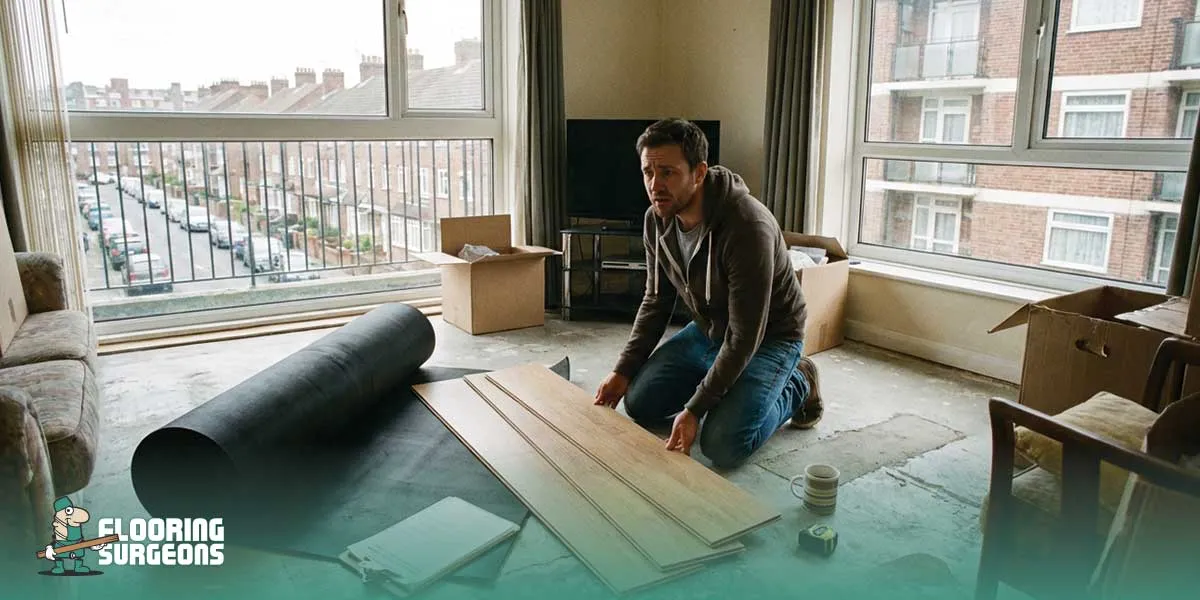



Laminate flooring is a popular choice for homeowners due to its durability, ease of installation, and attractive price. However, over time, you may notice gaps forming between the planks, which can affect the aesthetic and functionality of your floor. Understanding how to fill in gaps in laminate flooring is essential to maintain its appearance and prevent further damage. In this guide, we’ll explore the reasons behind these gaps and provide step-by-step solutions on how to fill gaps in laminate flooring effectively.
Why Do Gaps Appear in Laminate Flooring?
Before diving into the solutions, it’s important to understand the common causes of gaps in laminate flooring. These include:
- Temperature and Humidity Fluctuations: Laminate flooring is sensitive to changes in temperature and humidity, causing it to expand or contract.
- Improper Installation: If the flooring wasn’t installed correctly, gaps may form over time, especially if expansion gaps around the room were overlooked.
- Subfloor Issues: An uneven subfloor can cause laminate planks to misalign and create gaps.
- Wear and Tear: Over time, heavy furniture or constant foot traffic can shift the planks, leading to gaps.
Understanding the cause of the gaps helps in deciding the right method for how to fix gaps in laminate flooring.
How to Fill Gaps in Laminate Flooring: Step-by-Step Guide
Here’s how to address and fix gaps in laminate flooring effectively, whether they are horizontal gaps, gaps near walls, or gaps caused by improper installation.
1. How to Fix Horizontal Gaps in Laminate Flooring?
Horizontal gaps are the most common and occur when planks do not sit flush with each other. Here’s how to fix them:
- Step 1: Inspect the entire floor for gaps and identify the areas that need attention.
- Step 2: Use a pull bar and rubber mallet to gently close the gap by tapping the planks back together. This method is ideal for small gaps.
- Step 3: Reinstall the baseboard or molding, ensuring the gap is concealed while still allowing for the necessary expansion.
2. How to Fix a Gap in Laminate Flooring Near the Wall?
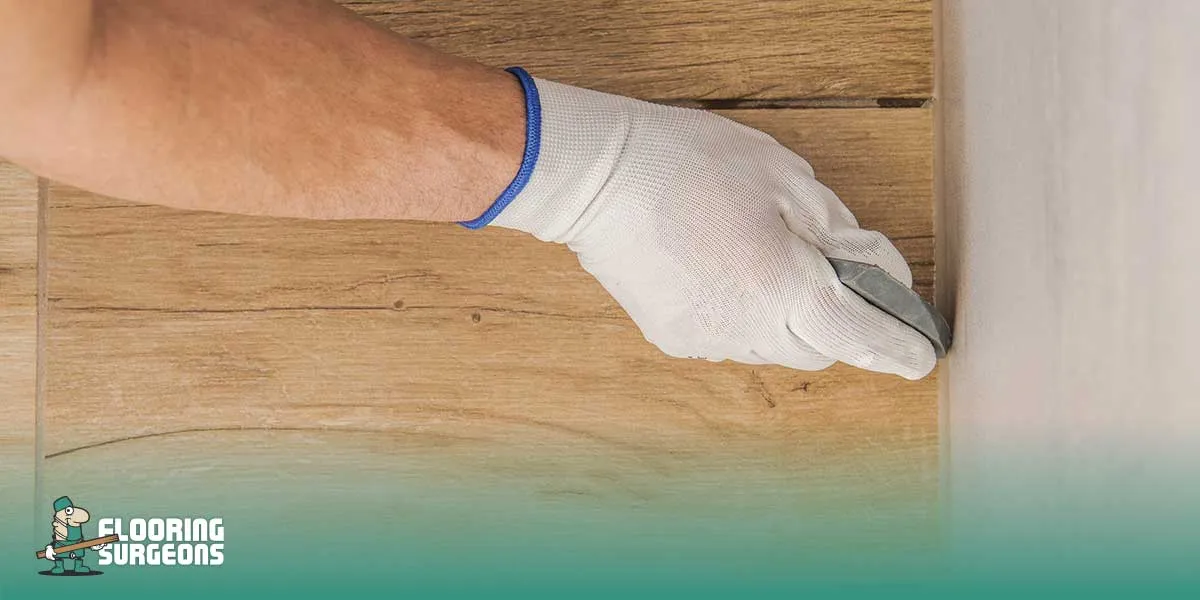
Gaps between laminate flooring and walls are common and often happen due to improper installation or the natural expansion and contraction of the flooring. Here’s how to fix this:
- Step 1: Use a spacer to maintain the expansion gap when reinstalling the laminate near the wall.
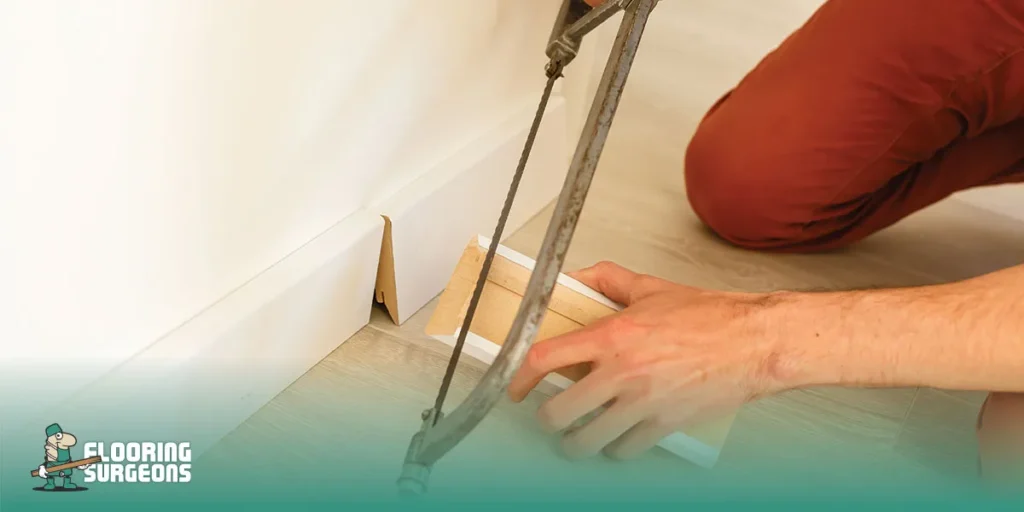
- Step 2: If needed, trim the laminate at the edges to ensure it fits properly, creating a consistent expansion gap.
- Step 3: Reinstall the baseboard or molding, ensuring the gap is concealed while still allowing for the necessary expansion.
3. How to Fix Gaps in Laminate Flooring with Duct Tape?
While not the most permanent solution, duct tape can provide a temporary fix for small gaps in laminate flooring. To do this:
- Step 1: Clean the area around the gap thoroughly to ensure the tape adheres properly.
- Step 2: Apply duct tape under the gap to hold the planks together temporarily.
- Step 3: Use a more permanent solution later, such as wood filler or a pull bar, to fix the gap permanently.
4. What to Use to Fill Gaps in Laminate Flooring?
To fill gaps in laminate flooring, several options are available depending on the size and location of the gap:
- Wood Filler: If the gap is small and located in an inconspicuous area, wood filler can be applied to fill laminate gaps, providing a smooth, seamless finish that blends well with the surrounding planks.
- Caulk: For wider gaps, caulk is an excellent option. It fills the space securely and prevents dirt, moisture, or debris from entering, which helps maintain the integrity of the flooring.
- Transition Strips: If the gap is located near a doorway or where two different types of flooring meet, transition strips can be used to cover the gap while providing a clean, polished look. This is an ideal solution to keep your floors looking neat and tidy.
These methods will help you understand how to fill laminate gaps effectively, ensuring that your laminate flooring stays functional and aesthetically pleasing. For professional help and guidance on maintaining your flooring, visit Flooring Surgeons for expert advice and solutions.
Useful Tools for Filling Gaps in Laminate Flooring
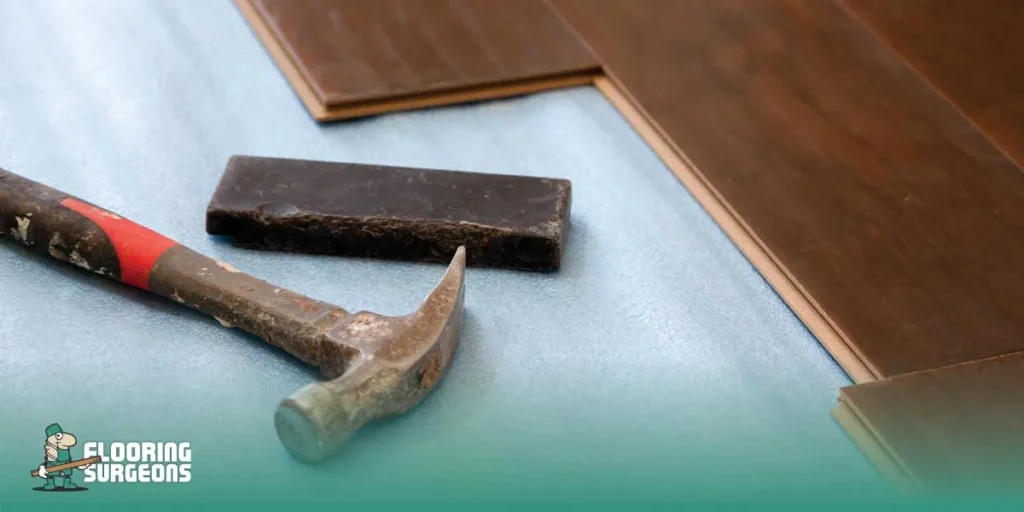
| Tool | Purpose | Recommended Use |
| Pull Bar | Helps close gaps between planks | Ideal for closing gaps near walls |
| Rubber Mallet | Gently taps the pull bar to close gaps | Prevents damage while moving planks |
| Tapping Block | Used to tap planks together without damage | Useful for closing gaps in the middle of the floor |
| Spacers | Maintain expansion gap around the perimeter | Ensures proper installation near walls |
| Wood Filler | Fills small gaps and cracks in the laminate surface | Provides a seamless look for minor gaps |
| Caulk | Fills larger gaps in laminate | Seals the gaps while preventing moisture ingress |
How to Prevent Future Gaps in Laminate Flooring?
The best way to prevent gaps is to take proactive measures during and after installation. Here are a few tips to ensure your laminate flooring stays in top shape:
- Proper Installation: Ensure that the laminate flooring is installed with the correct expansion gaps. This allows the floor to expand and contract naturally without forming gaps. Knowing how to fill in gaps in laminate flooring is helpful, but preventing them from the start is always the best solution.
- Acclimate the Laminate: Before installation, leave the laminate flooring in the room for 24–48 hours to acclimate to the room’s temperature and humidity. This step will help prevent the laminate from expanding or contracting excessively after installation.
- Use Flooring Underlay for Laminate Flooring: A high-quality underlay can absorb sound, provide stability, and help distribute the weight evenly, preventing potential issues like gaps from forming in the future.
By following these tips, you can ensure that you don’t need to ask can you fill gaps in laminate flooring later on, as these preventive measures will keep your floor in great condition for years.
Conclusion
Gaps in laminate flooring can be frustrating, but with the right tools and techniques, you can fill gaps in laminate flooring and restore its beauty. Whether you’re addressing horizontal gaps, gaps near walls, or general expansion issues, the methods outlined in this guide will show you how to fill a gap in laminate flooring effectively and achieve a smooth, professional finish. For more expert advice, check out our blog: laminate floor feels spongy, and for high-quality Laminate Flooring, Flooring Surgeons offers a range of options that can meet your needs.