

A squeaky wood floor usually means that one of the boards or the subfloor beneath it has loosened over time, and the fastest way to handle squeaky floor repairs is to secure the areas where wooden surfaces rub together. If you’re trying to understand how to fix a squeaky floor, the solution typically comes down to identifying the exact spot causing the friction and tightening it with the proper method—whether that involves inserting shims, adding trim screws, or applying adhesive to stop the movement. For anyone searching for how to fix a squeaky wood floor, the process becomes straightforward once you locate the loose section: eliminate the gap, reinforce the board, and the squeak disappears. In the following guide, you’ll learn how to diagnose the cause, choose the right tools, and fix the squeak from above or from underneath—using methods suitable for both DIY and professional-level repairs.
Table of contents
Why Wood Floors Squeak — The Real Causes You Should Check First
A squeaky wood floor typically means part of the structure is moving when it shouldn’t, which is why understanding the squeak is the first step before attempting any repairs. Once you identify exactly where the movement is coming from, fixing it becomes far more accurate and far less time-consuming. Below are the three most common reasons wooden floors start making noise, each with a clear, non-overlapping explanation.

Loose Subfloor Panels
If the squeak comes from a particular spot, the most likely culprit is loose subfloor panels. This happens when the connection between the subfloor and the joists weakens, allowing the panel to lift or shift slightly whenever pressure is applied. That tiny movement is enough to create a sharp, single-point squeak. The remedy usually involves tightening the panel with the correct screws or filling any hollow pockets beneath it, as the issue is vertical movement rather than friction between boards.
Rubbing Joists and Floorboards
When the noise follows you across the room rather than coming from a single location, it often comes from rubbing joists and floorboards. In this case, the boards are sliding or pressing sideways against the joists beneath them. This lateral friction develops due to small installation gaps or natural changes in the timber over time. Eliminating this type of squeak means securing the floorboard so it no longer shifts horizontally—quite different from fixing a loose subfloor panel, which causes vertical movement.
Seasonal Wood Expansion
If your floor only squeaks during colder months or during periods of low humidity, the cause is usually seasonal wood expansion. Timber contracts slightly in dry conditions, allowing individual boards more room to move and rub against neighbouring pieces. This produces irregular, scattered squeaks rather than a single spot of noise. Managing room humidity or reinforcing the most affected boards usually resolves the issue, as it is an environmental rather than a structural issue. Seasonal expansion is far less noticeable on engineered wood flooring, since its layered structure is designed to stay more stable during humidity changes, reducing the gaps and friction that often lead to squeaks.
How to Identify the Exact Spot of a Squeaky Floor (Without Removing Boards)
The quickest way to begin squeaky floor identification is to find the exact area where movement creates sound, because repairs only work when you’re targeting the precise source rather than the surrounding boards. Even without lifting any floorboards, there are simple, reliable methods that help you isolate the problem with accuracy, ensuring the fix you apply later directly addresses the noise rather than guessing at its location.
Pinpointing Noisy Areas by Walking Pattern
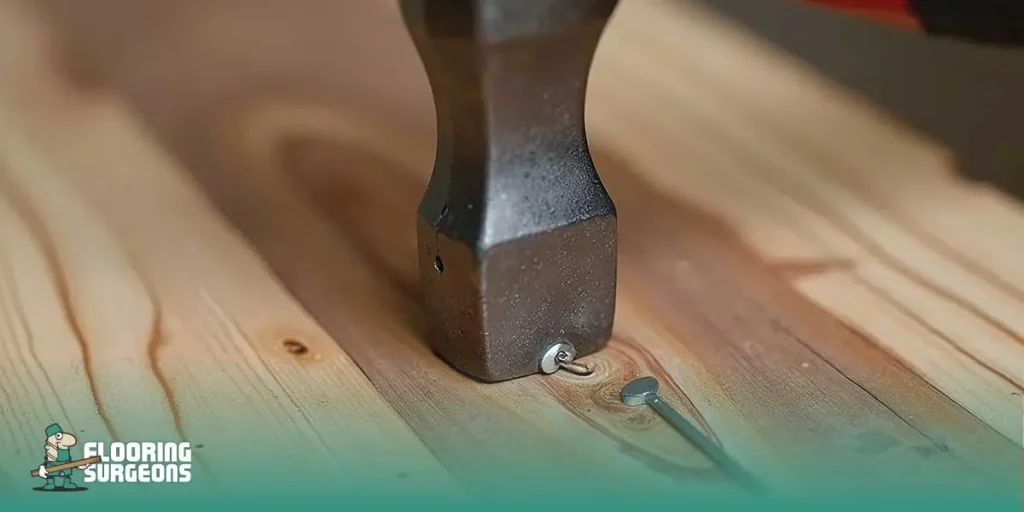
The most effective way to locate a squeak is to walk across the room slowly and listen for changes in tone or volume, as these differences reveal the exact board or subfloor section that shifts under pressure. Start at one end of the room and move in straight, overlapping lines so every part of the surface is tested consistently. When you hear the noise, adjust your weight slightly forward or backward—this slight movement helps determine whether the sound comes from a single board, the joint between two boards, or a wider patch of the subfloor. This method focuses purely on how the floor reacts under direct load, so it doesn’t duplicate any of the structural checks covered in earlier sections.
Using Chalk or Tape to Mark Squeak Zones
Once you’ve identified the noisy areas, mark them with chalk, masking tape, or low-tack floor tape to prevent you from losing the exact locations as you move tools or furniture around. These markings act as visual checkpoints, allowing you to return to the precise spot that needs attention without redoing the walking test. It also helps distinguish individual squeaks when a room has multiple noises, keeping each repair area separate so you avoid treating the wrong section or overlapping fixes. This step is strictly about organisation, not diagnosis, which ensures it remains clearly distinct from the walking-pattern method above.
Tools You Need Before Repairing a Squeaky Floor
Having the right equipment makes the repair process far easier, and understanding which tools for fixing squeaky floors actually solve the problem saves you from using the wrong method on the wrong issue. Each tool plays a specific role in stabilising movement, closing gaps or reinforcing the structure beneath the boards, and knowing when to use each one prevents unnecessary damage while giving you a cleaner, longer-lasting fix.
- Shims
Shims are essential when a squeak comes from a small gap between the subfloor and the joist, because they allow you to eliminate movement without dismantling the structure. Sliding a shim gently into the space provides immediate support, and once it’s set in place with a small amount of wood glue, the joist can no longer flex under pressure. This approach is ideal for situations where the gap is visible from below, offering a subtle correction that doesn’t interfere with the rest of the flooring system.
- Wood Screws
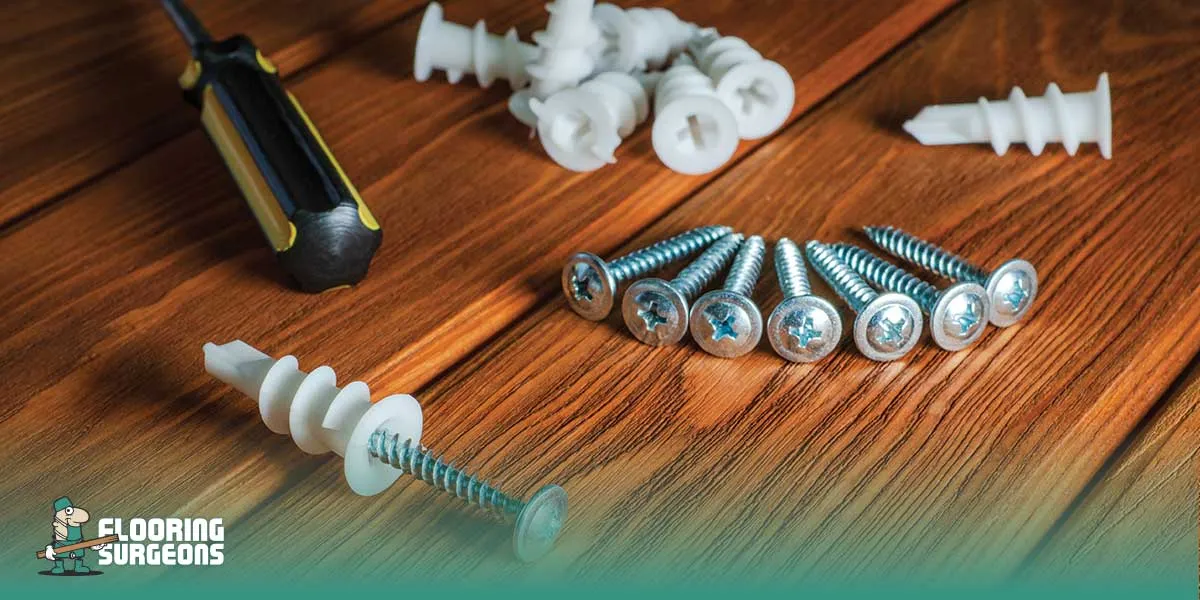
Wood screws are the best choice when a board or subfloor panel lifts slightly under weight, as they pull the timber firmly back into position and remove vertical movement. When used correctly, the screw anchors the loose element directly to the joist, stopping the up-and-down motion that creates sharp, isolated squeaks. Because this method targets structural looseness rather than friction, it works especially well on floors where the noise occurs in one defined spot rather than across a wider area.
- Construction Adhesive
Construction adhesive is designed for cases where the floorboards or subfloor need stabilising but shouldn’t be tightened with mechanical fasteners. The adhesive fills hollow areas, strengthens weak joints and reduces side-to-side rubbing between timber components. As the glue cures, it absorbs minor flex and prevents boards from shifting against one another, making it ideal for squeaks caused by subtle changes in timber shape or gaps that develop over time.
- Underfloor Brackets
Underfloor brackets are used when a joist or subfloor panel needs extra support because part of the structure moves independently from the rest. Fixing a bracket in place creates a firm connection between the elements, ensuring they act as a single, stable unit rather than flexing separately. This solution is particularly effective for broad squeak zones where reinforcement—not tightening or gap-filling—is the key to stopping the noise.
How to Fix a Squeaky Floor from Above (No Subfloor Access Required)
When you can’t reach the underside of the floor, the most reliable way to decide how to fix squeaky floors is to stabilise the movement from the top surface using simple, low-impact methods. Each of the following approaches tackles a different cause of noise, and choosing the right one ensures the repair is clean, discreet and long-lasting.
Best Top-Side Fixes for Squeaky Floors — At a Glance
| Method | Best For | What It Fixes | Difficulty | Visible After Repair? |
| Trim Screws | Isolated squeaks | Vertical board movement | Medium | Barely noticeable |
| Wood Adhesive | Gaps between boards | Side-to-side friction | Easy | Invisible |
| Graphite / Talc | Dry joints or rubbing boards | Minor surface friction | Very easy | Invisible |
Tightening Loose Floorboards with Trim Screws
If the noise comes from a specific board that lifts slightly under pressure, tightening it with trim screws is the most effective top-side repair. These screws draw the board firmly back against the subfloor, removing the vertical movement that causes sharp, single-point squeaks. Because the heads are designed to sit just below the surface and blend in, the fix remains discreet while giving the floor the stability it originally had.
Using Wood Adhesive to Reduce Board Friction
When the squeak comes from boards rubbing against each other, a thin application of wood adhesive helps bond the edges and stop the subtle side-to-side movement responsible for the noise. This method is ideal for situations where the boards themselves feel solid underfoot but still produce sound. Once the adhesive cures, the joint becomes firmer and the friction disappears, without altering the floor’s appearance.
Lubricating Squeaky Joints with Graphite or Talc
If the sound is soft and rustling rather than sharp, the issue is usually dry joints rather than loose fixings. Rubbing a small amount of graphite powder or talc into the gaps provides instant lubrication and prevents the boards from catching on one another. It’s the easiest surface-level fix and works particularly well on older floors where the timber naturally shifts with seasonal changes.
How to Fix a Squeaky Floor from Underneath the House
Fixing a squeaky floor from underneath is often the most effective long-term solution because you can stabilise the structure directly at the joists. Once you locate the noisy section, the first step is reinforcing weakened or shifting joists using metal brackets to restore firm contact between the joist and flooring. If the subfloor has separated from the joists, driving specialised subfloor screws upward helps draw both layers tightly together and eliminates movement that causes squeaks. In cases where gaps or hairline spaces are the main issue, applying construction adhesive along the seam fills the void and cushions the boards so they no longer rub or flex under pressure. Working from below allows you to secure the floor without disturbing the surface, making it ideal for homes where the finished flooring can’t be lifted or altered.
How to Fix Squeaky Floors Without Drilling (Simple Drill-Free Methods)
If you want to silence a squeaky floor without using a drill, the most straightforward approach is to reduce the friction that causes the noise. A silicone-based joint lubricant can be applied directly to the seams between boards to help them glide rather than rub when you walk. If the squeak sits under a carpeted area, adding a high-density underlay helps absorb movement and stops the subfloor and boards from shifting against each other. For wooden floors with light rubbing rather than loose boards, a dry anti-friction powder—such as graphite or specialised wood powder—can be brushed into the gaps to create an immediate, low-mess fix. These drill-free methods work best for mild to moderate squeaks and are ideal for anyone who wants a quick, non-invasive repair without tools.
When You Should Not DIY Squeaky Floor Repairs
If all you’re dealing with is a light squeak, DIY fixes work perfectly. But if you notice any of the signs below, stop immediately — these issues are beyond simple home repairs and need a professional to avoid making the problem worse. If the floor shows deeper structural movement or the joists are no longer stable, it’s usually safer to let a professional assess the issue. Installers with extensive experience, such as the team at Flooring Surgeons, can diagnose whether the problem comes from the subfloor, joists, or ageing fixings.
Situations Where DIY Is Not Safe or Effective
Severe Subfloor Movement
If the floor noticeably moves, flexes, or dips when you walk on it, the problem goes deeper than a loose board.
- This usually means the subfloor has pulled away from the joists.
- Simple screws, powders, or lubricants won’t fix the root cause.
- Continuing DIY repairs can tighten the wrong areas and cause further structural issues.
Quick warning sign:
A bouncing, springy, or sinking feeling underfoot → not suitable for DIY.
Water Damage or Mould
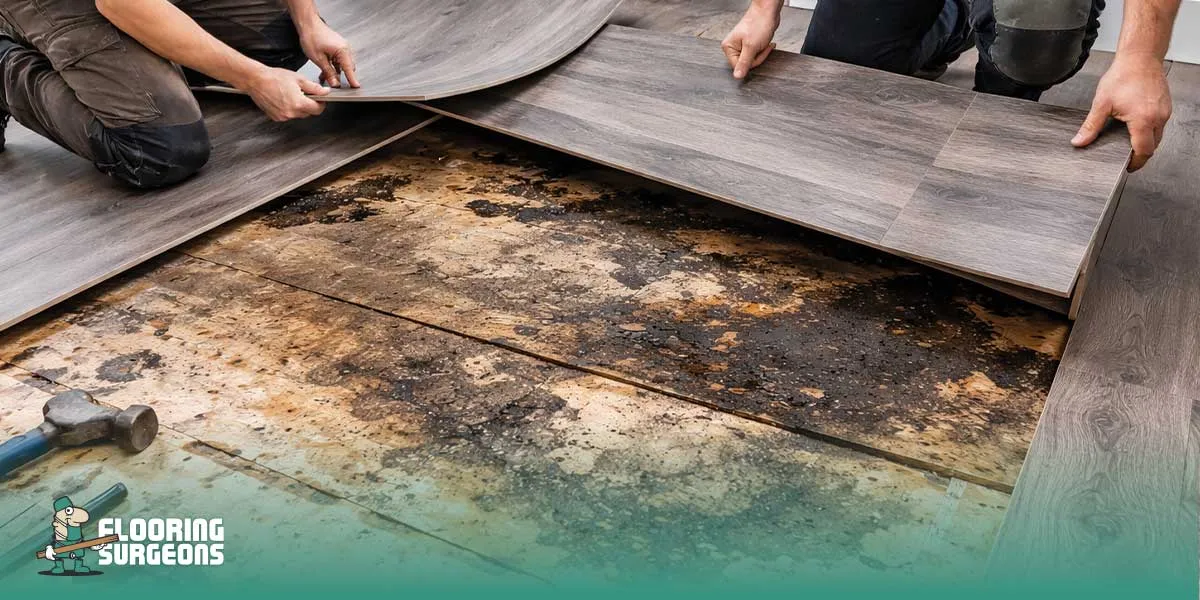
Any squeak combined with dampness, dark stains, soft wood, or a musty smell means moisture has already damaged the floor.
- Wet or mouldy timber loses its structural strength.
- Adding screws or adhesives may anchor into damaged wood, spreading the problem.
- Moisture issues must be resolved before any repair method works.
Quick warning sign:
Discolouration, softness, or a mouldy odour → call a specialist.
Structural Joist Problems
If the squeak seems to come from the joists themselves, or you hear a sharp cracking sound under pressure:
- This is not a surface issue.
- Joists may be cracked, warped, or separating — strictly a structural job.
- DIY fixes here are unsafe and can cause long-term structural damage.
Quick warning sign:
Deep “crack” or “pop” sounds when stepping over support beams → not DIY.
DIY works for minor squeaks, loose boards, or light friction. But if you notice movement, moisture, or structural sounds, stop repairing and bring in a professional — those problems won’t respond to surface-level fixes.
How Much Does It Cost to Fix Squeaky Wood Floors?
Suppose you’re trying to work out whether fixing a squeaky floor is worth the cost. In that case, the short answer is this: DIY repairs are usually inexpensive, but professional fixes deliver longer-lasting results when the noise comes from deeper structural issues. Below is a clear breakdown to help you compare the two options and decide which makes the most sense for your home and budget.
DIY Cost (Tools & Materials)
Most light squeaks can be fixed with basic supplies, making DIY the cheapest route if the floor only needs tightening or lubrication.
Typical DIY costs:
- Lubricants or wood powders: £5–£15
- Wood adhesive: £6–£12
- Trim screws or repair kits: £8–£25
- Optional tools (if you don’t already own them): £10–£30
DIY is ideal if the squeak is caused by simple friction or slightly loose boards. The downside is that repairs may only reduce the noise rather than eliminate it, especially if the issue extends below the surface.
Professional Repair Costs
When the noise is coming from the subfloor or joists, professional help becomes more reliable—and the cost varies depending on the severity of the issue.
Typical professional costs:
- Minor tightening or lubrication: £60–£120
- Subfloor re-fastening or joist adjustment: £150–£350
- Structural fixes or moisture-related repairs: £300+
Professionals can access areas you can’t reach, accurately diagnose the cause, and complete repairs that DIY methods can’t safely handle.
When Hiring a Pro Saves Money Long-Term
Calling a specialist may seem more expensive upfront, but it often prevents far bigger problems later—especially if you’re dealing with movement, water damage, or deeper structural noise.
Hiring a pro is usually the better choice when:
- The floor moves or flexes noticeably
- There are signs of moisture or mould.
- The squeak comes from the joists.
- You’ve tried DIY, but the noise keeps returning.
In these cases, a one-time repair avoids repeating temporary fixes—or worse, damaging the floor by tightening the wrong area.
Preventing Squeaky Wood Floors — Maintenance Tips That Actually Work
Keeping your wood floors quiet isn’t complicated — you just need a few habits to prevent the boards and subfloor from shifting over time. Instead of waiting for a squeak to appear and then dealing with the hassle, these simple routines help you stay ahead of the problem and keep the floor feeling solid, stable and silent for years. Keeping your floor protected from seasonal moisture changes is essential, because unexpected dampness can loosen boards over time. Practical habits that help protect hardwood floors from damage also reduce the chances of new squeaks forming.

1. Manage Seasonal Humidity the Smart Way
Wood naturally expands in summer and contracts in winter, and that movement is one of the biggest causes of squeaks. You don’t need expensive equipment — just keep indoor humidity reasonably steady.
Practical ways to do it:
- Use a dehumidifier in warm, damp months
- Add gentle humidity during dry winters.
- Avoid extreme temperature swings inside the house.
Consistent moisture levels prevent gaps from forming between boards and keep friction-related noises to a minimum.
2. Give Floorboards a Quick Tightness Check Now and Then
You don’t need to lift boards or run complete repairs. A simple “walk test” every few months is enough to spot early looseness before it turns into a squeak.
Here’s all you need to do:
- Stroll across the room and note any small shifts underfoot
- Tighten surface screws or trim nails if you feel movement.
- Add a little wood adhesive in visible gaps before they widen.
Minor fixes done early stop larger issues from building up.
3. Reinforce the Subfloor as the House Ages
Homes naturally settle over time, and it’s normal for the subfloor to loosen slightly after years of use. You don’t need to wait until problems appear — occasional maintenance prevents squeaks from developing in the first place.
Simple long-term reinforcements:
- Add extra screws to strengthen subfloor–to-joist contact
- Use construction adhesive along seams during any renovation.
- Check the underside of floors if you have basement access.
These subtle reinforcements keep the whole structure stable and dramatically reduce the chances of new squeaks forming.

Haniye Ayanmanesh
As an expert writer for Flooring Surgeons, I combine technical SEO knowledge with a practical understanding of flooring, producing content that helps users make confident decisions while supporting long-term organic growth.