


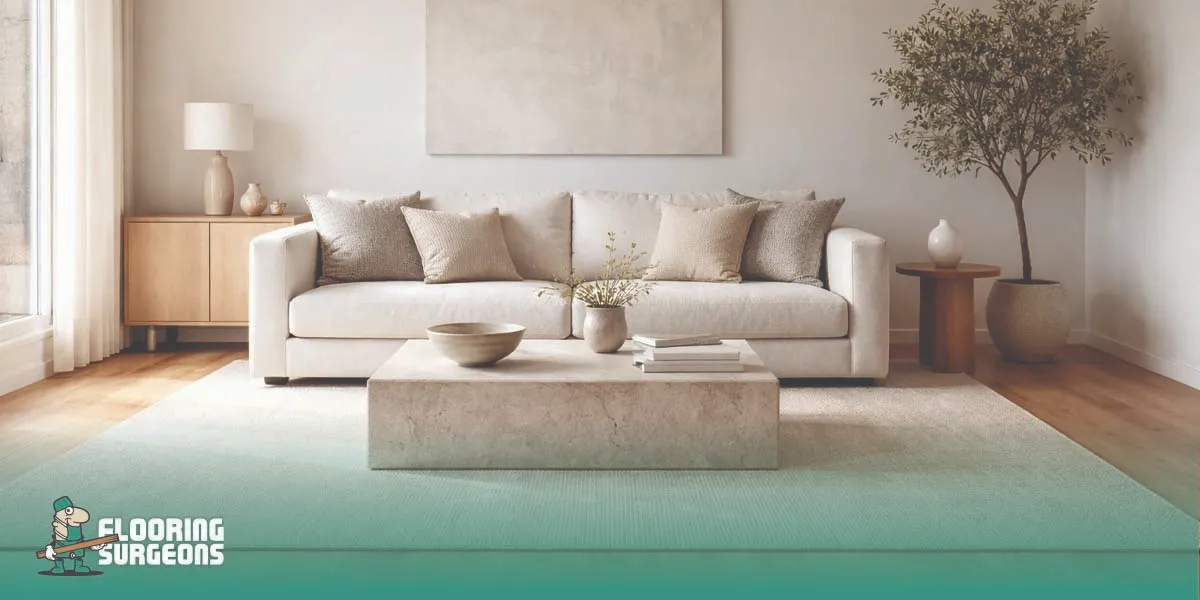
Have you ever noticed how some rooms feel rich and inviting while others look flat, even with good furniture? In many cases, the difference comes down to texture. When surfaces and materials are too similar, a space can feel one-dimensional.
This is why designers focus on layering textures in interior design. By combining materials such as wood, fabrics, stone, or patterned surfaces, a room gains depth and visual interest. Understanding how to layer your interior design for maximum impact allows even simple spaces to feel more balanced, warm, and engaging without major changes.
Table of contents
What Texture Means in Interior Design
In interior design, texture describes how surfaces look and feel in a space. Different materials introduce subtle variation that prevents a room from feeling flat.
Designers usually think of texture in two forms:
- Visual texture: The details you notice with your eyes, such as wood grain, stone patterns, or textured finishes on surfaces.
- Tactile texture: The physical feel of a material, like the softness of fabric, the smoothness of marble, or the natural grain of wood.
Key Principles Before Layering Textures
Before layering textures, it helps to understand a few basic principles. Texture works best when materials support each other rather than compete for attention.
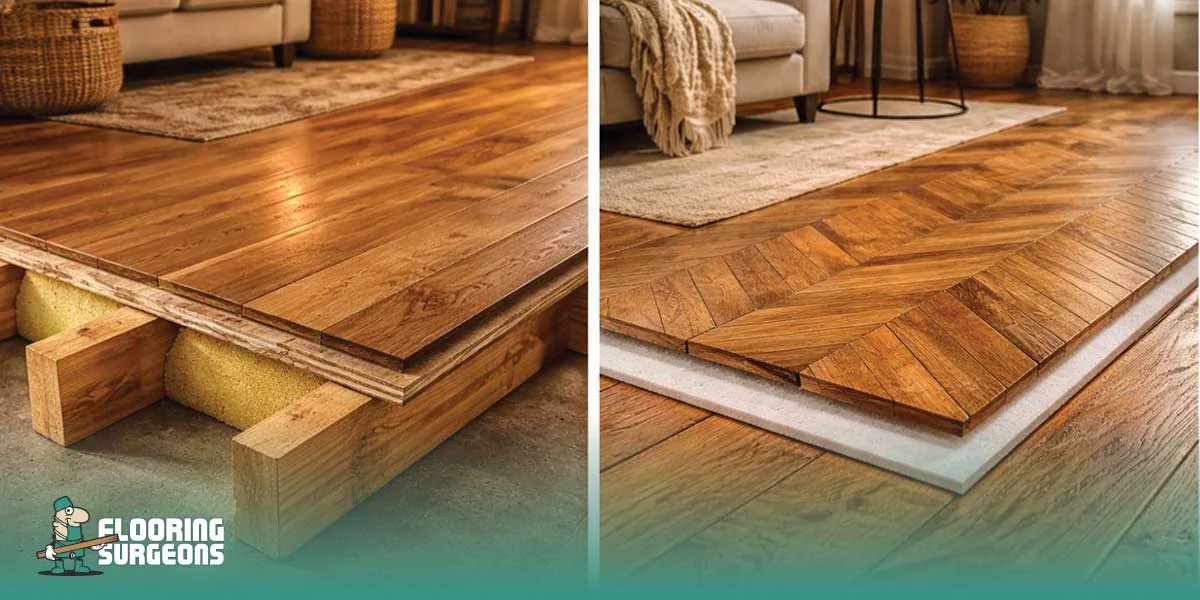
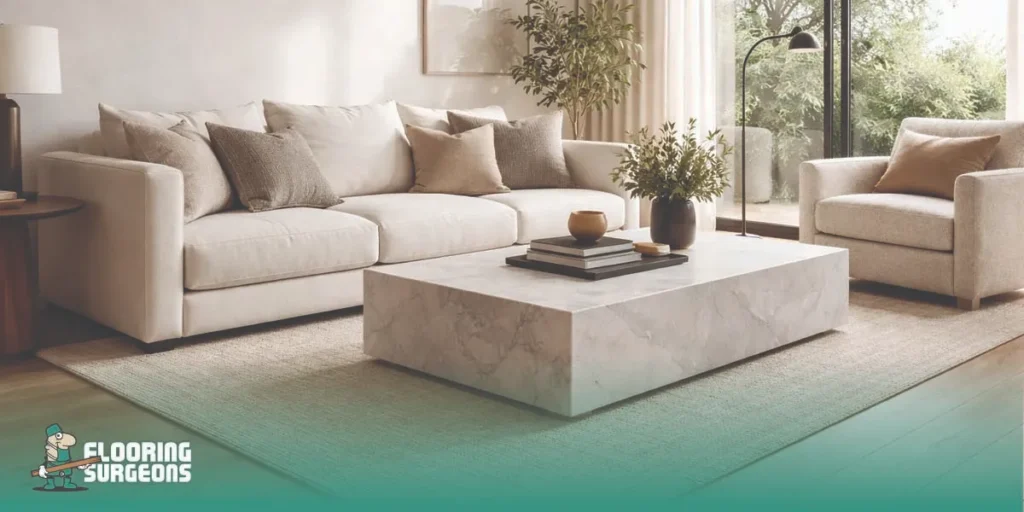
Start with a clear base surface and build from there. Natural materials usually work well because they already introduce subtle variation. For example, a room with solid wood flooring already has grain and tonal changes that add depth before other elements are introduced.
Balance is also important. Mixing soft and structured materials—such as fabrics with wood or stone—creates contrast without making the space feel cluttered.
How to Layer Textures in Interior Design (Step-by-Step)
Texture layering works best when it’s built gradually. Instead of adding many materials at once, designers usually introduce them in stages.
Step 1 – Start With a Strong Base
Begin with the largest surfaces in the room, such as flooring or walls. A natural base like engineered wood flooring already introduces variation through grain and finish.
Step 2 – Add Soft Materials
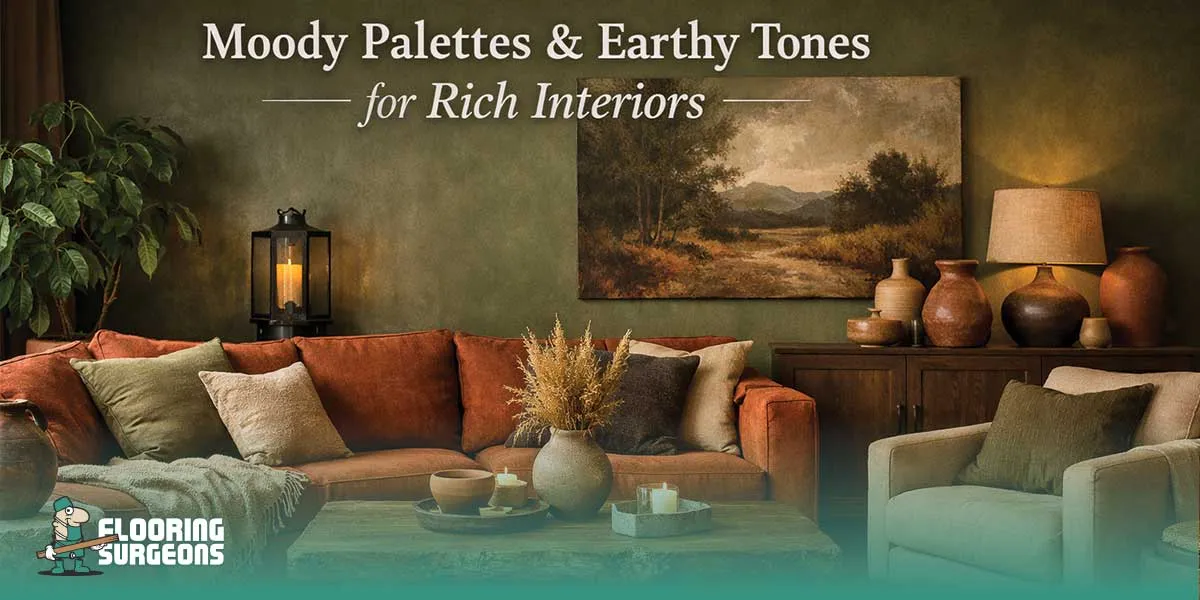
Introduce fabrics such as rugs, cushions, or curtains. Soft textiles contrast with harder surfaces and help the space feel warmer.
Step 3 – Mix Materials Carefully
Combine elements such as wood, metal, stone, or fabric. The goal is contrast, not clutter.
Step 4 – Introduce Pattern Thoughtfully
Patterns can add movement to a room. Layouts such as herringbone flooring naturally guide the eye and add structure to the space.
Step 5 – Keep Colour Balance
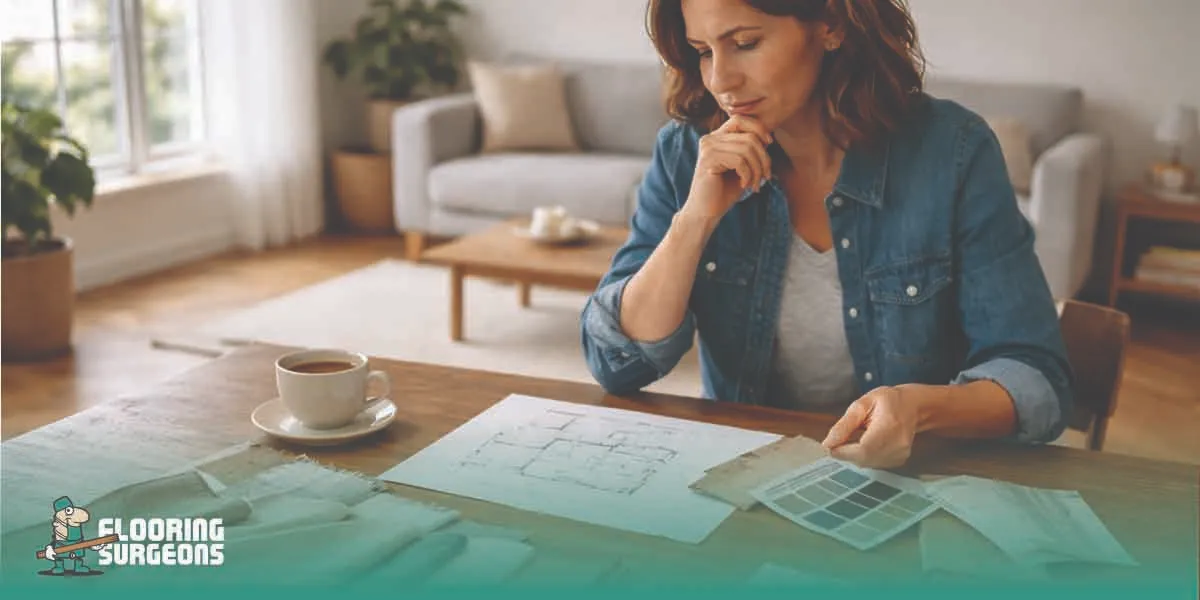
Once textures are layered, step back and look at the overall palette. Materials should work with the room’s colours rather than fight against them. Understanding how to match flooring colours with wall colours and furniture can help keep the design cohesive.
Texture Combinations That Work Well in Interiors
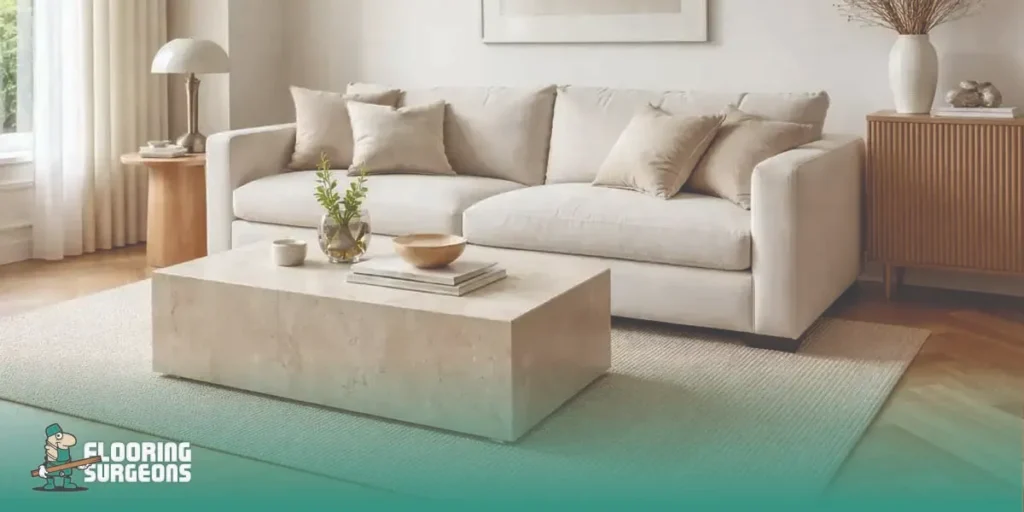
Some material combinations naturally create balance in a room. Designers often rely on a few simple pairings rather than mixing too many surfaces.
| Base Material | Added Texture | Result |
| Wood surfaces | Soft fabrics (linen, wool) | Adds warmth and comfort |
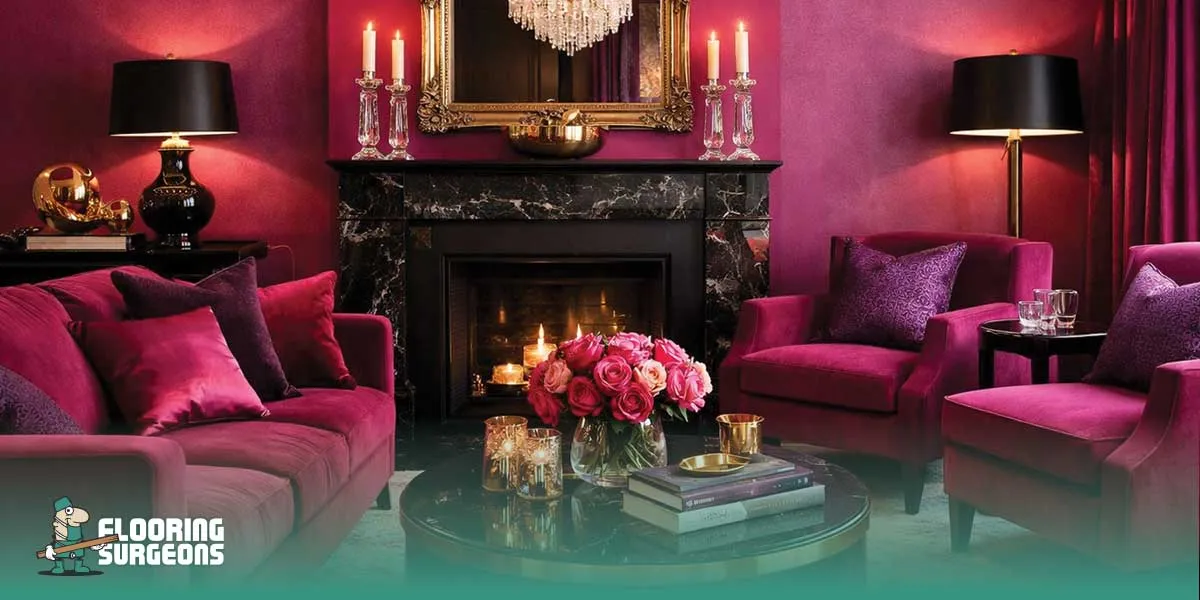
| Stone or marble | Textiles or rugs | Creates contrast and depth |
| Patterned flooring | Neutral furniture fabrics | Keeps the space balanced |
| Metal accents | Natural materials | Blends modern and organic elements |
Using a few balanced combinations helps a space feel layered without becoming visually busy.
If you’re planning a patterned layout, it helps to understand how to choose the right patterned flooring before making a final decision.
Common Texture Layering Mistakes to Avoid
Even though texture can improve a room, using it incorrectly can make the space feel unbalanced.
Common mistakes include:
- Using too many materials: Too many surfaces competing for attention can make the room feel chaotic.
- Choosing similar finishes: When everything is smooth or identical, the design loses contrast.
- Ignoring colour balance: Textures should support the overall colour palette of the room.
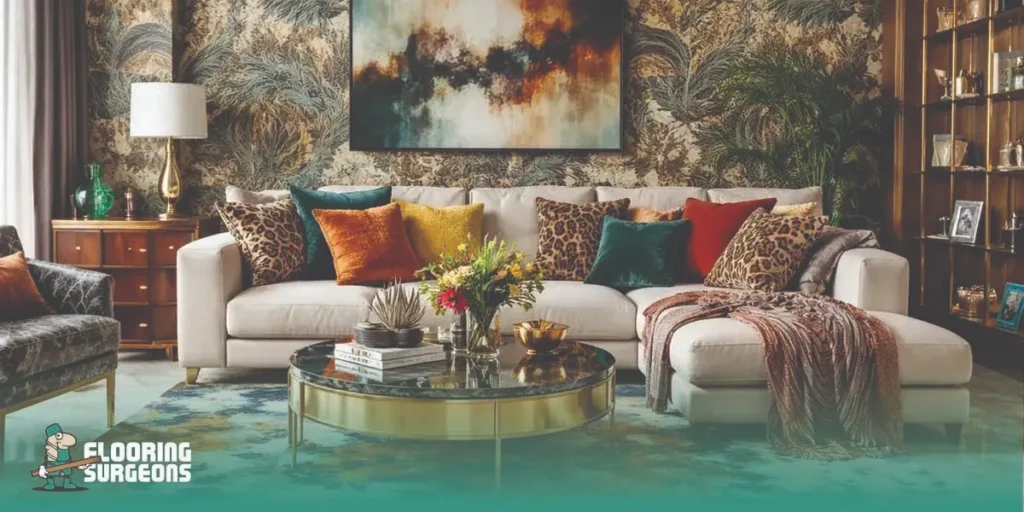
- Overusing patterns: Strong patterns can dominate the space if they appear too often.
Keeping the mix simple usually creates the best results.
Final Thoughts on Layering Textures in Interior Design
Texture is what gives a room depth and character. By combining different materials, finishes, and patterns, even a simple interior can feel more balanced and visually engaging.
If you’re looking to enhance your space with quality flooring that naturally adds texture and style, explore the options available at Flooring Surgeons and find the right fit for your home.

Ana.Soltanpoor
I’m an SEO Specialist with a strong background in content management and organic search. I build data-driven content strategies by aligning user intent, search behavior, and SEO best practices to ensure every piece of content delivers clarity, relevance, and measurable organic performance.