

When it comes to making your home more energy-efficient, the floor might not be the first thing that comes to mind. However, how to reduce heat loss through the floor can have a significant impact on your overall energy bills and comfort. Floors, especially those without proper insulation, can be a major source of heat loss, leading to cold spots and higher energy costs. Fortunately, with the right flooring choices and solutions, you can easily tackle this issue. In this article, we’ll explore practical steps to reduce heat loss and make your home cozier and more energy-efficient.
Table of contents
Why Does Heat Escape Through the Floor?
Before we dive into solutions, it’s important to understand why heat loss occurs through the floor in the first place. Heat naturally rises, and when your floors lack proper insulation, warmth can escape quickly, especially in areas like older homes with suspended timber floors or even modern properties with poorly fitted flooring. Whether it’s gaps between floorboards, thin underlays, or concrete subfloors without proper insulation, heat finds its way out, causing your heating system to work harder. This is where understanding how to reduce heat loss through the floor becomes essential to maintaining a warm and energy-efficient home.
1. Choose the Right Flooring Material
To reduce heat loss, your choice of flooring plays a crucial role. Here are some of the best flooring materials that help to retain heat:
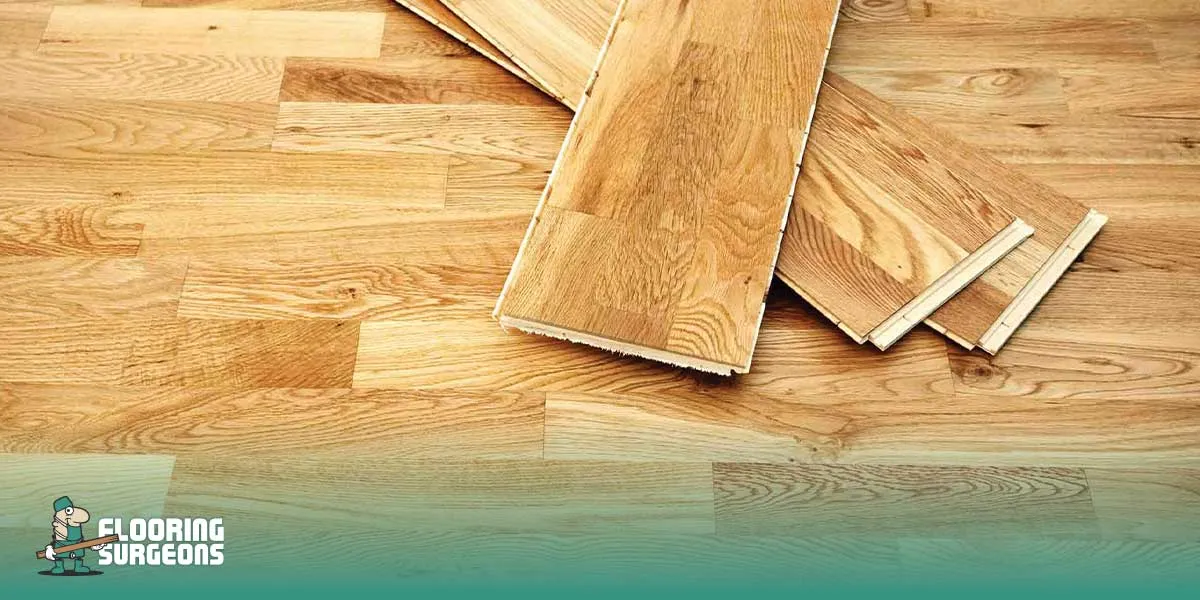
- Engineered Wood Flooring: This is a popular choice for homeowners looking for a stylish yet functional option. Engineered wood flooring offers great insulation properties, helping to prevent heat loss while adding a sophisticated touch to any room.
- Carpets: Carpets are excellent at trapping heat and preventing it from escaping through the floor. The thicker the carpet, the better the insulation. Choose a high tog-rated carpet to get the best thermal performance.
- Laminate and Vinyl Flooring: While these materials don’t naturally retain heat like carpets, when paired with the right underlay, they can help in minimizing heat loss, especially when installed with underfloor heating systems.
2. Use Proper Underlay for Added Insulation
No matter how great your flooring is, underlay for solid wood flooring or other materials is essential to maximize insulation. A good underlay creates a barrier between the subfloor and the flooring, preventing heat from escaping and improving the overall comfort of the space. For engineered wood flooring, the right underlay can significantly boost thermal performance.
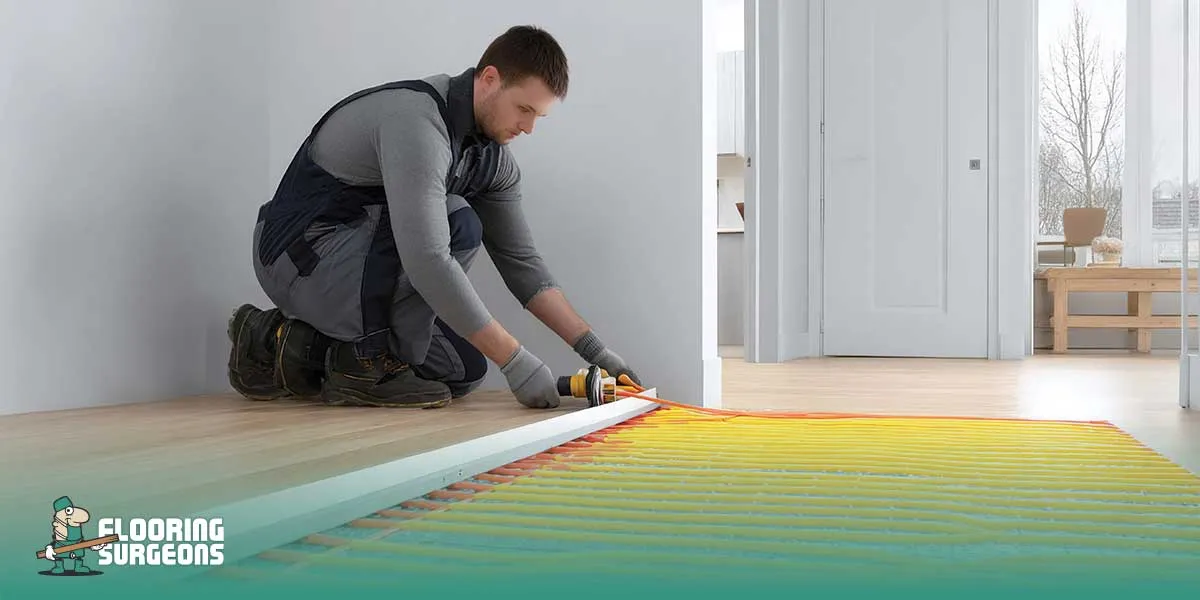
3. Install Underfloor Heating
One of the most effective ways to reduce heat loss is by installing an underfloor heating system. Underfloor heating works by evenly distributing warmth throughout the room from the floor up, which not only ensures a consistent temperature but also helps reduce energy consumption. It’s ideal for homes with hard floors like laminate or vinyl, where traditional heating methods may not be as effective.
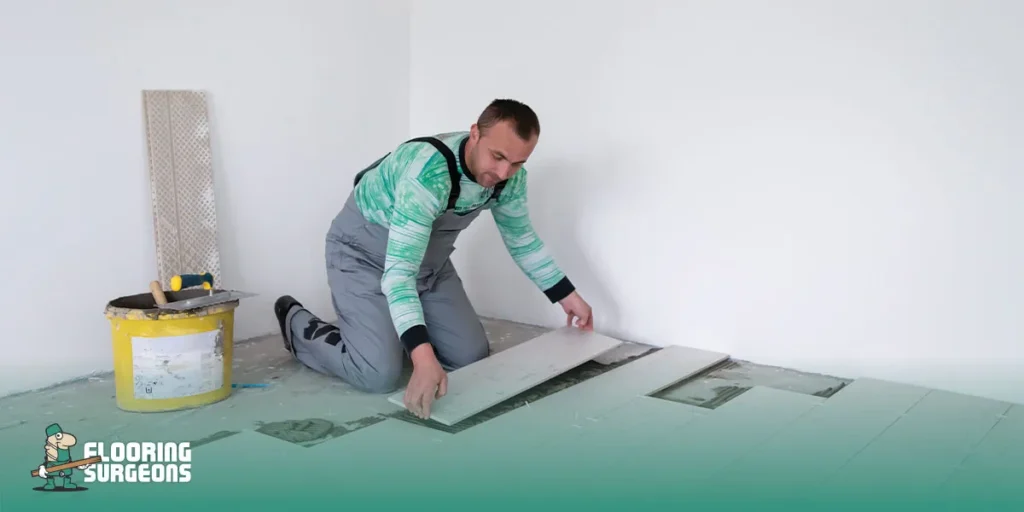
4. Ensure Professional Installation
Even the best flooring and insulation won’t work if they aren’t installed properly. Gaps or improperly fitted flooring can allow drafts to sneak in, which will undo all your efforts to reduce heat loss. That’s why it’s crucial to have your flooring installed by professionals, such as Flooring Surgeons, who can ensure the job is done right, providing you with a snug and energy-efficient floor.
5. Consider Alternative Solutions for Second Floors
If you’re concerned about heat loss on upper floors, particularly in homes with issues on the second floor, adding insulation to the floors below can help. Second floors are often more vulnerable to heat loss because the heat from the lower floors naturally rises. Consider installing thicker carpets or rugs, or adding an underlay that provides extra insulation to combat this problem.
6. Regular Maintenance and Upkeep
Once you’ve chosen the right materials and installed them, it’s important to maintain them regularly. Over time, flooring can settle, and gaps can form. Keeping your floors well-maintained ensures they continue to provide maximum insulation and prevent heat from escaping. If you’re considering laminate flooring, you might be asking yourself, should laminate flooring be glued down? This simple decision can have a significant impact on the durability and insulation performance of your floors. Click here to find out more.

Table: Best Flooring Options for Reducing Heat Loss
| Flooring Type | Heat Retention | Best Use Case | Additional Tips |
| Engineered Wood Flooring | High | Living rooms, hallways | Pair with underlay for maximum efficiency |
| Carpets | Very High | Bedrooms, living rooms | Choose high tog-rated carpets |
| Laminate Flooring | Moderate | Kitchens, bathrooms | Pair with underlay and underfloor heating |
| Vinyl Flooring | Moderate | Bathrooms, kitchens | Pair with underlay for better insulation |
Conclusion
Reducing heat loss through your floors doesn’t have to be a complex task. By choosing the right materials, using effective underlay, and installing systems like underfloor heating, you can significantly improve your home’s energy efficiency and comfort. Whether you’re renovating or just looking to make a few updates, these solutions will help you keep your home warm while saving on energy bills. Understanding how to reduce heat loss through the floor is the key to making informed decisions about the best materials and systems for your home.
For professional advice and installation, contact Flooring Surgeons, who can guide you through the best flooring options to suit your needs and ensure everything is installed correctly for maximum heat retention.

Mina Asgari
I’m an SEO Specialist and Content Strategist focused on sustainable business growth. I design data-driven content strategies by deeply analyzing user intent, search behavior, and SEO best practices, ensuring every piece of content serves a clear purpose for both users and search engines.