


Styling white flooring is far easier than most people think — and when you get it right, it instantly makes your home feel brighter, calmer and far more spacious. The truth is that you don’t need specialist design skills to make white floors look good; you just need to understand how light, texture, and contrast work together in everyday homes. Once those pieces fall into place, white flooring becomes one of the most adaptable foundations you can have.
Most homeowners struggle because they love the clean, modern look but worry the space might feel cold, flat or “too empty.” This guide removes all that guesswork. You’ll learn how to style white floors in living rooms, bedrooms, kitchens, hallways and small spaces — with clear, real-life techniques that produce a warm, balanced and polished finish. Everything is written with practical intention, not vague design theory.
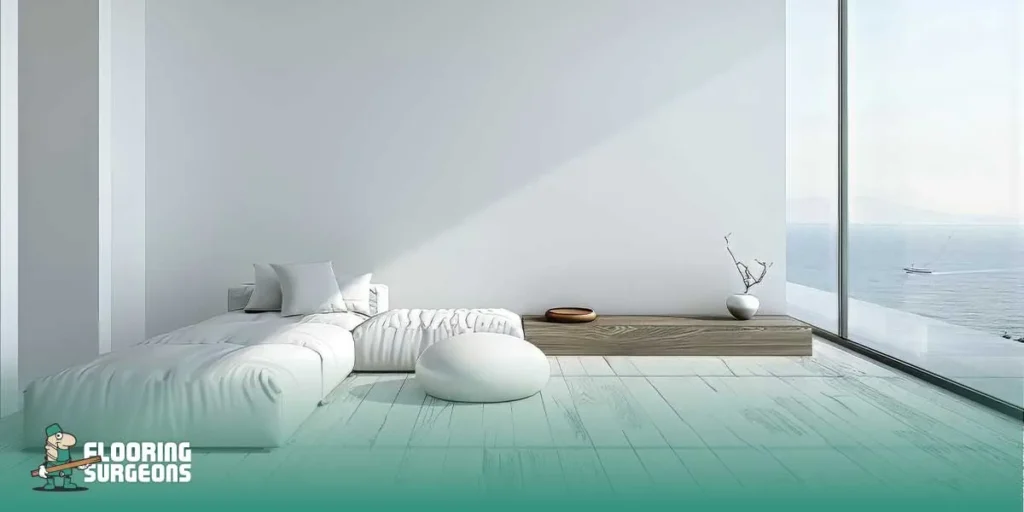
Whether you prefer the simplicity of White Laminate Flooring, the natural warmth of white engineered timber, or the durability of modern vinyl, the principles remain the same: the right combination of colour, texture and proportion turns white flooring from a design risk into a design advantage. And because much of this guidance is inspired by real homes installed by Flooring Surgeons, you’ll see what genuinely works — not just what looks good in staged photographs. If you want a no-nonsense, beautifully clear guide to styling white flooring so your home looks brighter without losing character, you’re in precisely the right place.
Table of contents
Why Choose White Flooring for Your Home? (Benefits Most People Overlook)
Most people choose white flooring for its clean, modern look — but the real advantages go far beyond appearance. The first and most immediate benefit is brightness: white floors reflect natural light far better than darker surfaces, making your home feel larger, clearer, and more uplifting from the moment you walk in. This single change can transform rooms that usually feel dim or enclosed, giving them a fresher, more open atmosphere without needing structural work.
White flooring also offers far more design flexibility than homeowners expect. Because white sits comfortably alongside almost any colour palette — from soft neutrals to deep charcoals and natural woods — it never limits your décor choices. You can change furniture, wall colours or textiles over the years without the floor clashing or feeling outdated. It becomes the stable base that every future style builds upon.
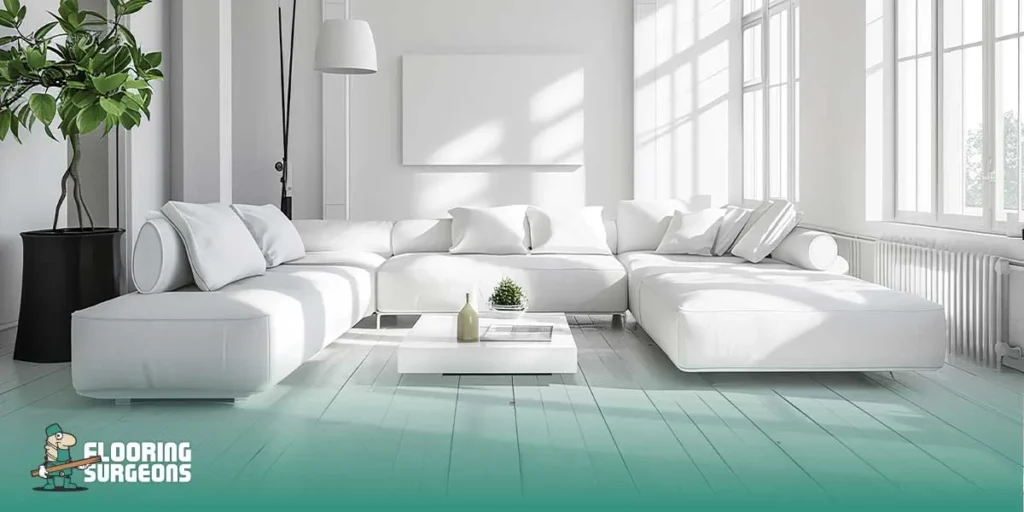
Another overlooked benefit is how organised and “put together” a room feels with a pale foundation. White floors simplify visual noise: instead of competing tones across the surface, the eye reads a calm, continuous plane. This gives the room a more cohesive, higher-end feel with almost no effort. And despite the common assumption that white is difficult to maintain, modern finishes tell a different story. High-quality options like White Luxury Vinyl Flooring maintain their brightness remarkably well while offering everyday practicality — waterproofing, stain resistance and durability in high-traffic areas. In short, choosing white flooring is about more than style. It’s about creating a home that feels brighter, more spacious and easier to adapt as your taste evolves. For many households, it’s one of the simplest upgrades with the most significant visual impact.
White Flooring Ideas for Modern & Classic Interiors
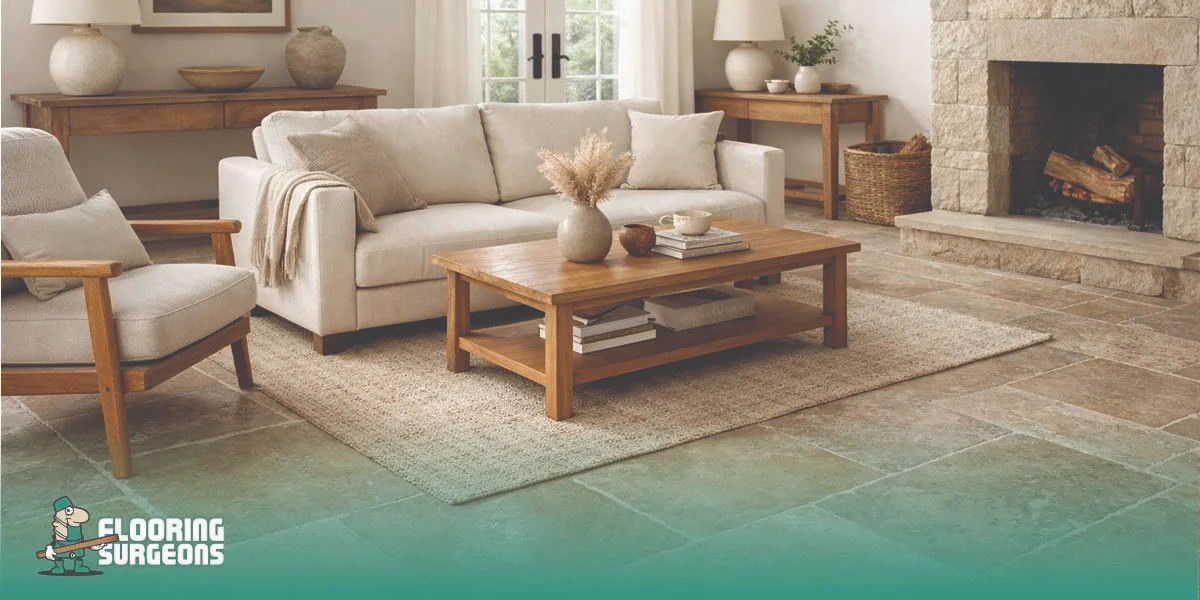
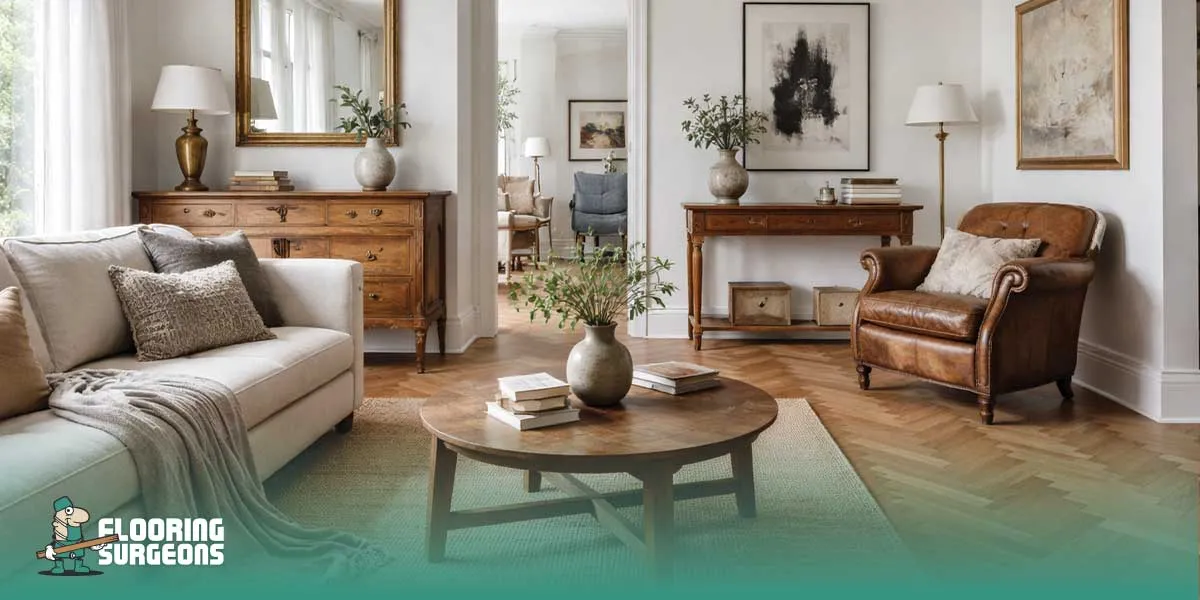
White flooring is one of the few design choices that adapt effortlessly to both modern and classic interiors. Its strength comes from neutrality: it brightens the space, clears visual clutter, and allows every style — from minimalist to traditional — to feel more intentional and refined. The key is shaping the atmosphere with contrast, warmth and texture, not relying on the floor alone to carry the design. The ideas below focus on real homes, where comfort and practicality matter just as much as aesthetics.
For more inspiration on how different floor colours shape a modern space, our guide to 2026 hardwood floor colours shows the tones designers are choosing for bright, contemporary interiors.
White Floor Living Room Ideas
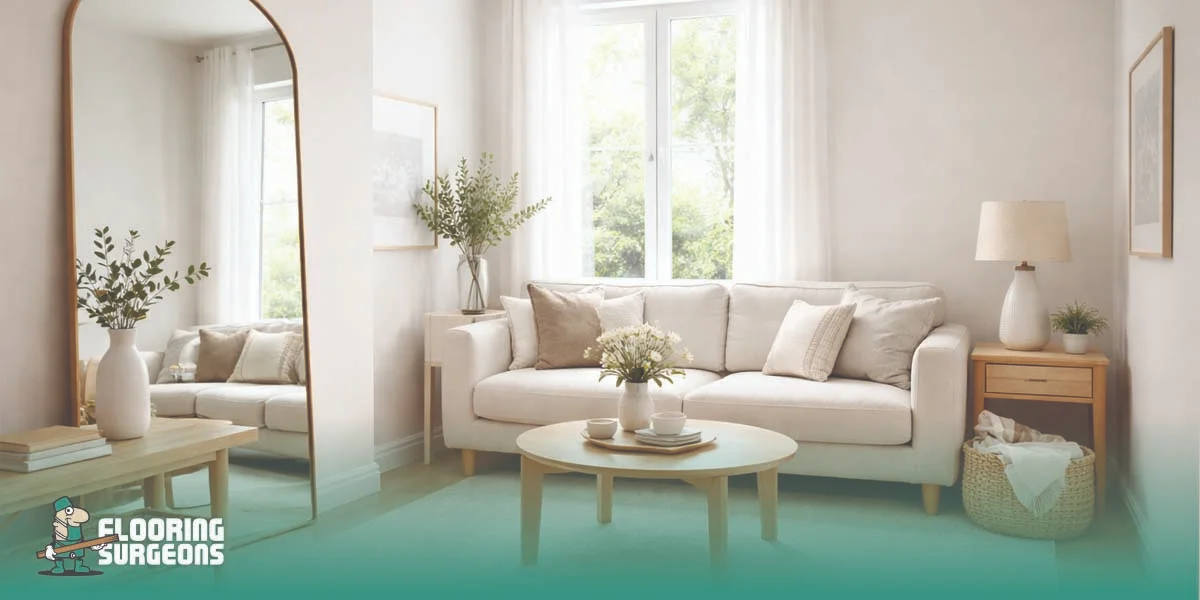
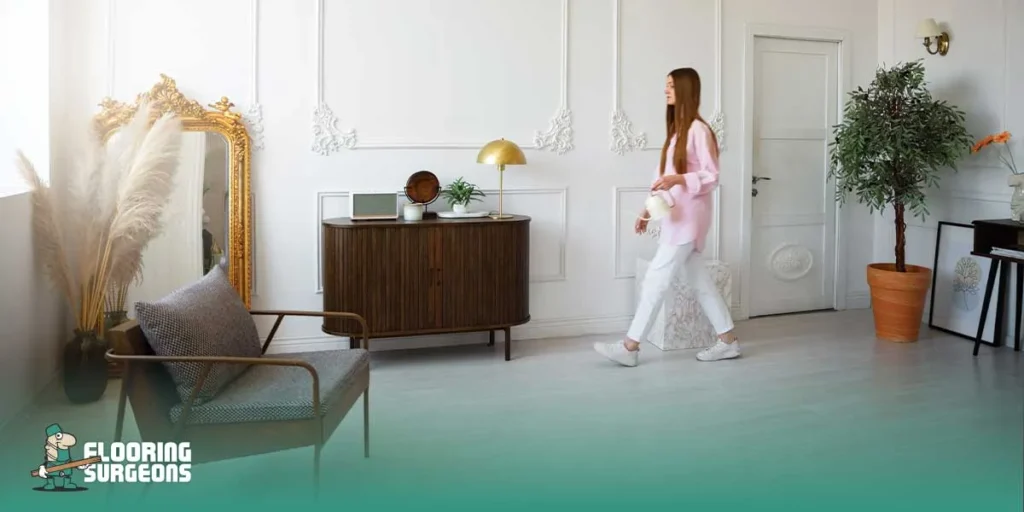
White floors make living rooms feel instantly more open because they bounce light across the space, softening shadows and brightening corners that usually feel dull. To get the best effect, let the flooring act as a light reflector and build warmth through the layers above it. Soft neutrals — warm grey, sand beige, gentle taupe — stop the room from feeling washed out while still keeping the atmosphere fresh.
Texture is your best friend here. A chunky knitted throw, a soft jute rug or subtle woven cushions add depth without overwhelming the clean foundation beneath. If you’ve chosen White Laminate Flooring, its delicate grain naturally adds warmth and helps the room feel grounded. A few well-chosen accents — a matte vase, a wooden coffee table, a muted green plant — give shape and structure without interrupting the calm visual flow white floors create.
Minimalist & Scandinavian White Floor Styles
Minimalist and Scandinavian styles both rely on clarity, but each uses white flooring in slightly different ways. Minimalist interiors favour crisp lines, soft matte surfaces and a reduced palette. White floors act as a calm anchor, allowing simple silhouettes and practical layouts to take centre stage without distractions. Everything feels quiet, orderly and intentional.
Scandinavian homes, however, use white floors to amplify light and create warmth. Here, the floor’s brightness pairs beautifully with pale woods, linen textiles, wool throws, and soft greenery. The mood is relaxed rather than strict; cosy rather than minimal. Instead of feeling empty, the room feels peaceful and lived-in. In both styles, restraint is essential — the white floor sets the tone, and texture gives the room its personality.
White Flooring Ideas for Bright Kitchens & Open Spaces
In kitchens and open-plan layouts, white flooring works as the thread that ties everything together. Because these areas blend cooking, dining and relaxing into one continuous zone, a pale floor helps unify the space visually. It keeps the whole area feeling bright, balanced and well-organised, even when the layout is large.
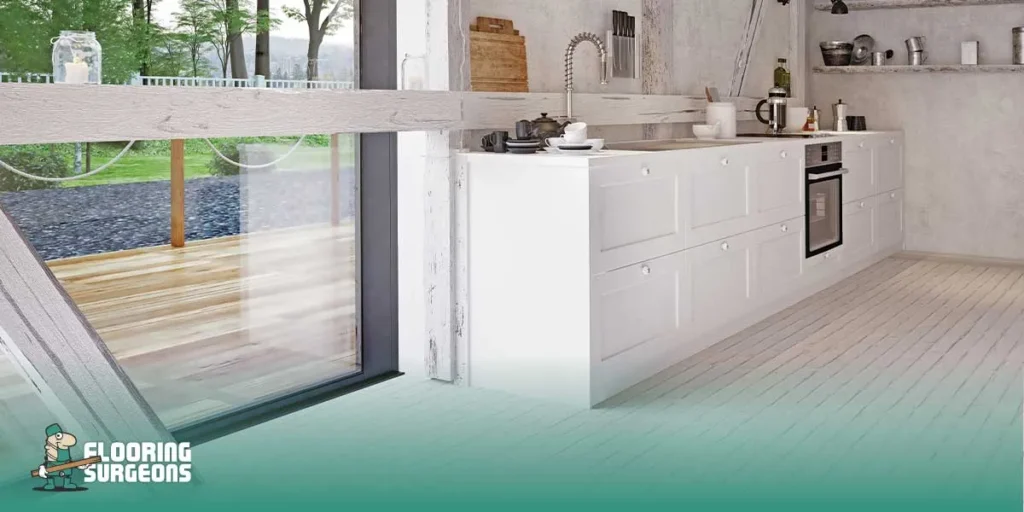
White floors pair beautifully with timeless cabinet colours — natural wood, matte grey, cool stone or soft neutrals. These tones add depth without overpowering the light, creating a modern feel that’s welcoming rather than clinical. For high-traffic spaces, White Engineered Flooring offers durability while retaining a clean, expansive look. Subtle design choices — brushed metal finishes, ribbed glass, ceramic accents — help prevent the kitchen from feeling too minimal while keeping the overall look cohesive.
How to Use White Tiles in Small Spaces Without Overexposing the Room
White tiles can completely transform a small room — but only when the tone, texture and balance are chosen thoughtfully. The goal isn’t to make the space “blindingly bright”; it’s to open it up in a way that feels comfortable, calm and lived-in. The biggest mistake people make in compact rooms is choosing a harsh, blue-toned white or a glossy tile that reflects light too sharply. Instead of enlarging the room, this creates glare and removes depth, making the space feel even smaller.
The trick is choosing a soft, warm or slightly muted white that diffuses light rather than bouncing it back. In bathrooms, cloakrooms, small kitchens or entryways, these gentler tones soften shadows and create a more natural sense of space. A satin or matte finish works exceptionally well — it adds subtle texture, stops the eye from catching strong reflections, and makes the room feel far less “clinical”. Texture becomes even more critical in small spaces because it prevents the floor from disappearing completely into a flat surface.
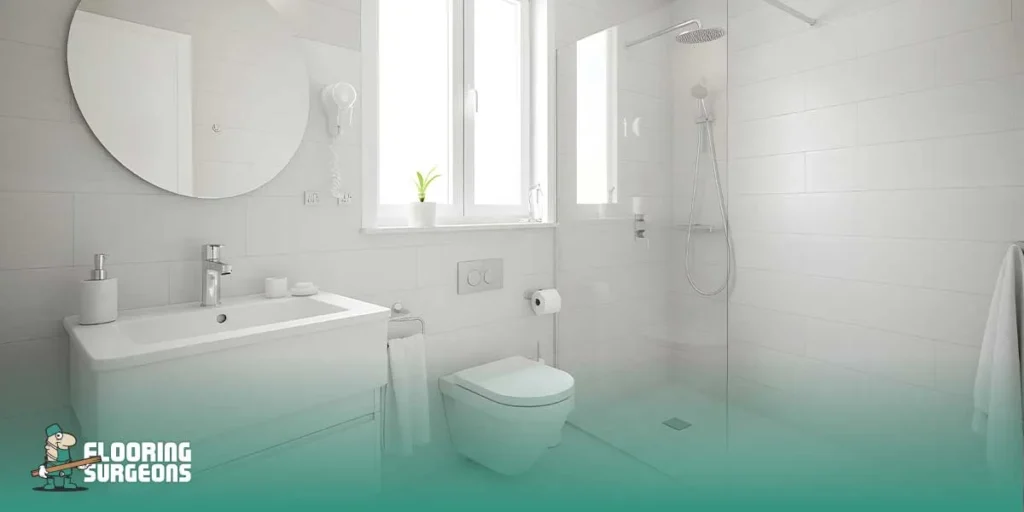
Contrast is what ultimately grounds the room. A small wooden stool, a charcoal frame, a soft rug or even warm metallic fixtures give the eye somewhere to land so the white tiles don’t dominate everything. These tiny touches keep the room feeling structured rather than washed out. Lighting plays a significant role too: warm, diffused lighting gives white tiles a gentle glow, while cold LEDs exaggerate every shadow and make the room feel stark.
When you use the right tone of white, add a little warmth, incorporate texture and create controlled contrast, white tiles can make a tiny room feel brighter, more open and far more inviting — without tipping into that harsh, overexposed look many people fear.
White Interior Design Ideas That Actually Work in Real Homes
White interiors only look effortless when the tones, textures, and furniture choices work together. In real homes — where lighting varies, rooms aren’t perfectly staged, and furniture is practical rather than decorative — the challenge is keeping the space bright without letting it feel empty or washed out. The ideas below focus on realistic, everyday design choices that make white flooring feel warm, layered and intentional.
Layering Neutrals with White Floors (Warm vs Cool Whites)
Layering neutrals is one of the simplest, most reliable ways to add depth to white interiors. The key is choosing neutrals that complement the undertone of your white flooring — because mixing warm and cool tones is the quickest way for a room to look disjointed.
A quick guide to choosing the right layers:
| Room Mood | Best Neutral Tones | Pair With These Whites | Works Best In |
| Warm & Inviting | Beige, cream, oat, warm greys | Soft whites with warm undertones | Rooms with limited daylight |
| Cool & Calm | Stone, light grey, pale charcoal | Crisp, cool-toned whites | Modern or minimalist interiors |
| Balanced & Contemporary | Taupe, mushroom, greige | Off-whites that sit between warm and cool | Open-plan spaces |
Matching undertones instantly makes the space feel cohesive. Once the base is aligned, adding gentle layers — rugs, throws, curtains — turns a plain white room into a calm, polished environment.
Adding Texture & Contrast to White Interiors
White interiors fall flat when everything is smooth. Texture is what brings life into the room. It softens the edges, creates movement and keeps the eye engaged without overwhelming the design.
Here are textures that elevate white spaces without clutter:
- Natural rugs (jute, wool, cotton) to ground the brightness.
- Linen or textured curtains to soften corners and light.
- Light wood furniture for warmth and gentle contrast.
- Matte ceramics or stone décor to introduce weight and depth.
- Brushed metal accents (black, brass or chrome) for subtle definition.
A single textured element — a ribbed vase, a woven chair, a knitted throw — can stop a white interior from feeling clinical. The aim is a balanced palette that feels light but lived-in.
Best Furniture Colours for Homes with White Flooring
White floors work with almost any furniture colour, but some shades create a far more harmonious result. The key is choosing colours that balance brightness rather than compete with it.
| Furniture Colour | Why It Works | Best For |
| Natural wood | Adds warmth and prevents the room from feeling sterile | Scandinavian, Japandi, calm modern homes |
| Soft neutrals (beige, cream, greige) | Creates smooth flow with no harsh contrasts | Minimalist and family spaces |
| Black or charcoal | Provides crisp definition and modern contrast | Contemporary or industrial looks |
| Muted pastels (sage, dusty pink, soft blue) | Adds character while keeping the room airy | Cosy modern or classic interiors |
| Deep tones (navy, evergreen) | Anchors the room and enhances brightness | Large rooms or statement furniture |
The easiest rule:
Choose furniture colours that mirror the undertone of your white flooring — cool with cool, warm with warm. This creates harmony without any effort.
Mistakes to Avoid in White Interior Design
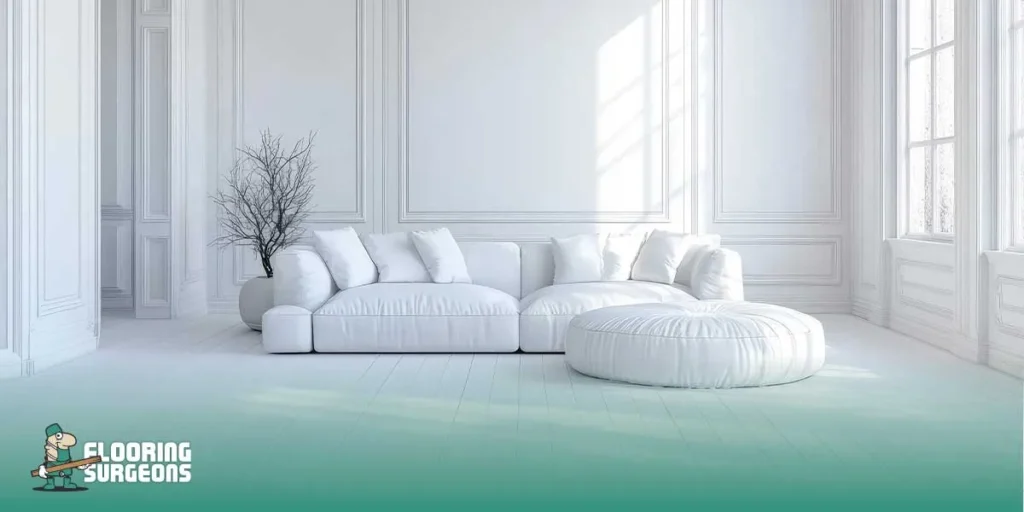
Designing with white sounds simple, but most mistakes happen because people assume “white works everywhere.” In reality, white interiors only succeed when the tones, lighting, and textures are deliberately chosen. These beginner-friendly mistakes quietly undermine a white interior — and the fixes are straightforward.
1. Choosing the Wrong Shade of White for the Room’s Lighting
White changes dramatically under different lighting. A shade that looks soft in daylight can turn harsh under cool LEDs, or yellow under warm bulbs.
Fix: Always test paint and flooring samples in morning, afternoon and evening light.
2. Using Too Much White Without Texture
When everything is white — walls, floors, furniture — the space loses depth. Instead of feeling bright, it feels empty.
Fix: Add tactility through fabrics, rugs, ceramics and timber. Even one textured item changes the entire balance.
3. Picking the Wrong Flooring Material
Bright, glossy white floors may look stunning online, but they show marks more easily in real homes.
Fix: Choose practical materials, such as White Engineered Flooring, for a bright finish that still withstands everyday traffic.
4. Forgetting to Add Contrast
Without contrast, the room becomes visually “flat.”
Fix: Add controlled accents — black metal, mid-tone woods, charcoal cushions, dark frames — to anchor the space.
5. Matching Furniture and Flooring Too Closely
When everything shares the same shade of white, the room loses structure.
Fix: Use slightly warmer or darker neutrals to separate layers.
6. Using Cool Whites in Small Rooms
Cool whites can look crisp in large modern homes but feel hollow in small spaces.
Fix: Use warm-toned whites to soften compact areas and avoid the overexposed look.
How to Style White Flooring for Different Room Types
Styling white flooring varies depending on how the room is used. The goal is to let the white floor enhance each space naturally, brightening living areas, softening bedrooms, and adding clarity to kitchens and hallways.
Styling White Flooring in Living Rooms
White flooring works best in living rooms when the brightness is balanced with warmth. Because white reflects more light, the room immediately feels more open — but without grounding elements, it can appear unfinished.
Use warm woods, soft rugs, rounded furniture and muted neutrals to shape a welcoming atmosphere. A few accent colours (sage, sand, muted clay) help guide the eye and prevent the room from feeling overly minimal.
Styling White Flooring in Bedrooms
Bedrooms need softness. White flooring brings calm clarity, but to avoid the space feeling stark in the morning light, layer gentle textures: fabric headboards, knitted throws, linen curtains, soft wall lighting.
Warm neutrals such as stone, oatmeal, or clay pair beautifully with white flooring, creating a relaxed and balanced space that feels cosy rather than clinical.
Styling White Floors in Hallways & Entryways
Hallways are high-traffic, often narrow areas — white flooring brightens them instantly. To keep the space practical, use slim runners, matte finishes, and subtle contrast, such as black hooks, a wooden bench, or a framed mirror. These elements prevent the corridor from looking too pale while still taking advantage of the brightness white floors offer.
Styling White Flooring in Modern Kitchens
In kitchens, white flooring ties the cooking, dining and living zones together, especially in open-plan homes. Pair white floors with cabinetry in light grey, natural wood or soft beige for a clean but warm look. Ribbed glass, brushed metal, and warm ceramics add texture without clutter. The result is a bright, modern kitchen that still feels practical and lived-in.
Choosing the Right Material: White Laminate, Vinyl or Engineered?
You don’t need technical knowledge to choose the right white flooring; you need to match the material to your lifestyle. Each option suits a different type of home.
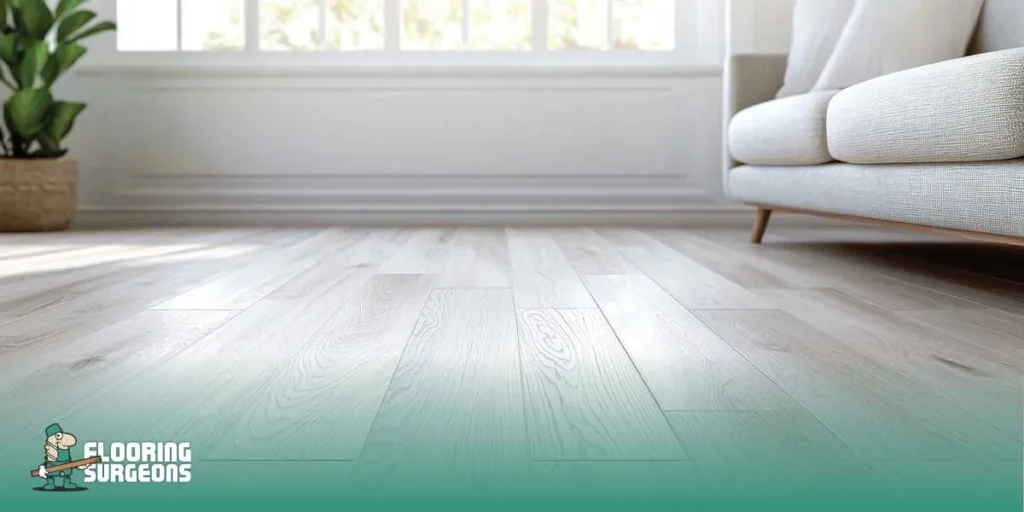
White Laminate Flooring — Best for Style With Low Maintenance
- Ideal for living rooms, bedrooms and rental-friendly homes.
- Offers the bright, Scandinavian look without the upkeep.
- Resistant to scratches and everyday wear.
White Engineered Flooring — Best for a Real-Wood Feel With More Stability
- A real timber surface for warmth and character.
- More stable than solid wood in seasonal changes.
- Great for homes with underfloor heating or lots of natural light.
White Luxury Vinyl Flooring — Best for Busy Homes and High-Moisture Areas
- Waterproof, highly durable and stain-resistant.
- Perfect for kitchens, hallways, bathrooms and open-plan spaces.
- Easy to clean and ideal for families with children or pets.
Each option gives a different atmosphere — laminate for clarity, engineered for warmth, vinyl for practicality. Your choice should reflect how the room is used day to day.
How to Maintain White Flooring Without Extra Effort
White floors look high-maintenance, but in reality, they’re the opposite. Light tones actually hide dust better than dark flooring; they need small, regular habits.
Quick Cleaning Routine for White Floors
- Daily / Every Other Day: A microfibre sweep to prevent dulling.
- Two–Three Times Weekly: A light, damp mop with warm water.
- Weekly: A quick spot clean in high-traffic zones.
- Monthly: A deeper refresh to keep the floor looking newly installed.
Short, regular routines beat long cleaning sessions every time.
Products to Use (and Avoid) on White Surfaces
Use:
- pH-neutral cleaners suitable for your material.
- Microfibre mops and soft cloths.
- Warm water for everyday refreshes.
- Felt pads under furniture to prevent scuffs.
Avoid:
- Bleach or harsh chemicals (can yellow the surface).
- Oil-based soaps (leave residue).
- Abrasive scrubbers.
- Steam mops on laminate or engineered flooring.
Gentle, consistent care keeps white floors bright without the extra effort people think it takes.

Haniye Ayanmanesh
As an expert writer for Flooring Surgeons, I combine technical SEO knowledge with a practical understanding of flooring, producing content that helps users make confident decisions while supporting long-term organic growth.