


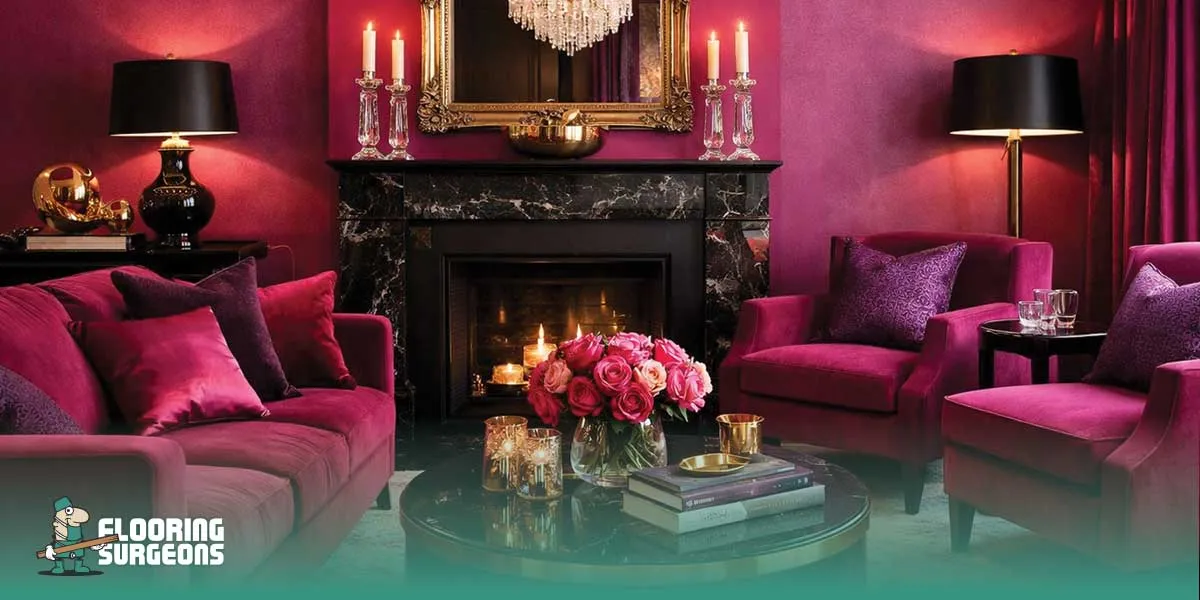
Magenta is one of the boldest colours in the interior design spectrum. Sitting between red and purple on the colour wheel, it combines the warmth and energy of red with the sophistication and depth of violet. The result is a colour that instantly commands attention. In residential interiors, magenta is often used to introduce drama, personality, and a sense of luxury that neutral palettes simply cannot achieve on their own.
However, bold colours require balance. When magenta is used thoughtfully—whether on accent walls, furniture, or decorative elements—it can elevate an entire room. The key lies in pairing it with the right materials, textures, and foundational design elements. Among these, flooring plays a critical role. Because floors visually anchor a space, the colour and material beneath your feet can either soften magenta’s intensity or amplify its elegance.

In fact, many successful interior designers begin with flooring when planning bold colour palettes. The right wood tone, stone finish, or modern vinyl surface can transform magenta from overwhelming to refined.
Choosing the right flooring can make bold colours like magenta feel balanced and sophisticated.
Table of contents
What Colour Is Magenta in Interior Design?
Magenta is a vibrant colour that sits between red and purple on the colour spectrum. It combines the warmth and energy of red with the depth and richness of violet, which is why it often feels both bold and refined at the same time. In interior design, magenta is considered a statement colour—one that instantly draws attention and adds personality to a space.
Designers typically use magenta to introduce contrast and visual interest, especially in rooms dominated by neutral tones like white, grey, or beige. Even a small amount of magenta—such as an accent wall, upholstered chair, or decorative accessories—can completely transform the atmosphere of a room.
From a psychological perspective, magenta is associated with creativity, confidence, and emotional warmth. It can make a space feel energetic and expressive while still maintaining a sense of elegance when paired with the right materials and textures.
Because magenta is such a strong colour, it works best when balanced with grounding elements in a room. This is where foundational surfaces—especially flooring materials and tones—become important, helping stabilise the visual intensity of the colour and create a cohesive interior palette.
Why Magenta Creates Dramatic and Elegant Interiors
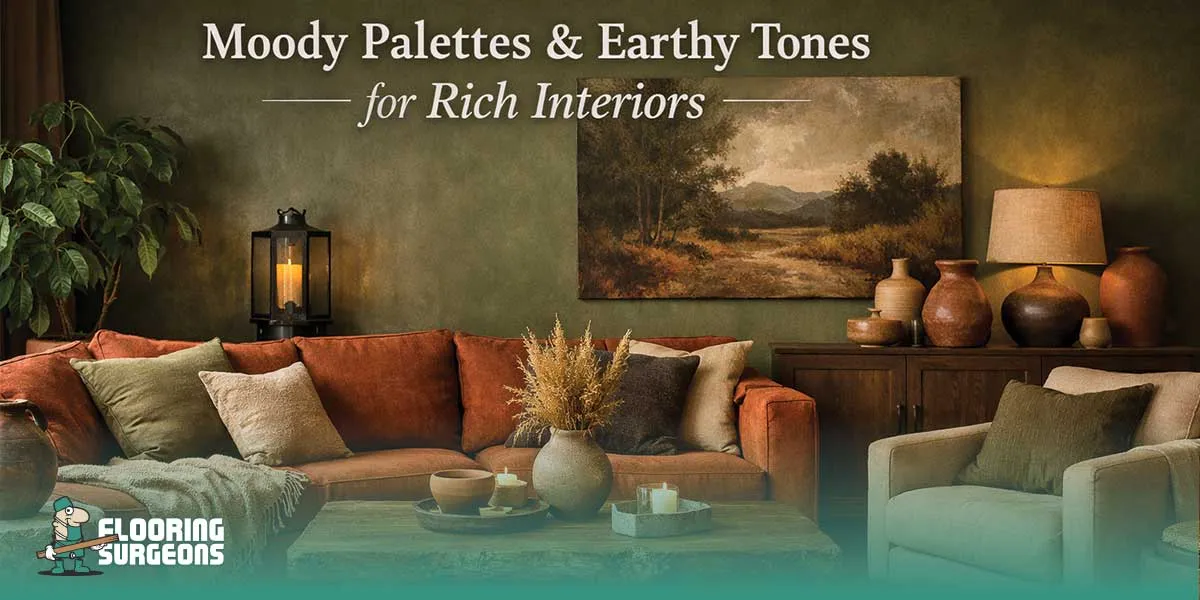
Magenta stands out in interior design because it sits at the intersection of energy and sophistication. Unlike softer hues that quietly blend into a room, magenta introduces contrast, depth, and visual focus. When used strategically, it can transform an ordinary space into one that feels expressive, modern, and intentionally designed.
Interior designers often rely on bold colours like magenta to create a sense of drama, but the key is understanding how strong colours interact with the rest of the space. In well-designed interiors, bold tones are rarely used alone—they are balanced by neutral materials, structured layouts, and grounding surfaces that prevent the room from feeling overwhelming.

Psychology of Magenta
From a colour psychology perspective, magenta carries a unique emotional presence. It blends the passion and warmth of red with the calm sophistication of purple, creating a tone that feels both energetic and refined. In interior environments, this combination can influence how a space feels and how people interact with it.
Magenta works well in interiors because it:
- Adds visual energy and personality to otherwise neutral spaces
- Creates a luxurious and expressive atmosphere
- Acts as a strong focal point in modern colour palettes
- Encourages creativity and emotional warmth in living areas
When paired with neutral materials like wood, stone, or light-toned flooring, magenta becomes easier for the eye to process and less visually overwhelming.
Why Designers Use Bold Colours
Professional interior designers rarely rely on bold colours randomly. Instead, they use them as part of a broader design strategy that controls contrast, hierarchy, and visual balance.
Bold colours like magenta are often used to:
- Create contrast against neutral architectural surfaces
- Highlight focal areas such as accent walls or statement furniture
- Add depth and dimension to minimalist interiors
- Elevate simple colour palettes into more dramatic compositions
However, strong colours need structural balance within a room. Large surfaces—such as flooring, wall textures, and major furniture pieces—help anchor bold colours so the overall space still feels cohesive and comfortable. This is why many successful interiors pair vibrant tones like magenta with grounding materials and neutral floor tones, allowing the colour to stand out without overpowering the room.
Best Colours That Go With Magenta
Magenta is a powerful colour, which means the surrounding palette plays a major role in how the space feels. The most successful interiors balance magenta with tones that either soften its intensity or enhance its richness. This becomes even easier when you understand the basics of matching flooring colours with wall colours.
The table below shows some of the most effective colour pairings designers use with magenta and how they influence the overall atmosphere of a space.
| Color | Effect | Best Use |
| White | Creates balance and brightness | Modern interiors and minimal spaces |
| Gold | Adds luxury and warmth | Glam and upscale interiors |
| Grey | Softens intensity with neutral contrast | Contemporary homes |
| Navy | Introduces depth and sophistication | Elegant living rooms or bedrooms |
| Beige | Adds warmth and comfort | Cosy and relaxed interiors |
In most interiors, these colours appear across walls, furniture, textiles, and flooring surfaces. When bold tones like magenta are present, designers often rely on neutral foundations such as light wood flooring, soft grey floors, or natural stone textures to keep the palette visually balanced. This layered approach allows magenta to remain the focal point without dominating the entire room.
Best Flooring Colours to Pair With Magenta Walls
When magenta appears on walls, the flooring becomes the element that controls the room’s balance. Because floors cover a large visual surface, their colour can either soften magenta’s intensity or deepen its dramatic effect. Designers usually choose flooring tones that stabilise the space so the colour feels intentional rather than overpowering. Below are flooring options that work especially well with magenta interiors.

Light Wood Flooring
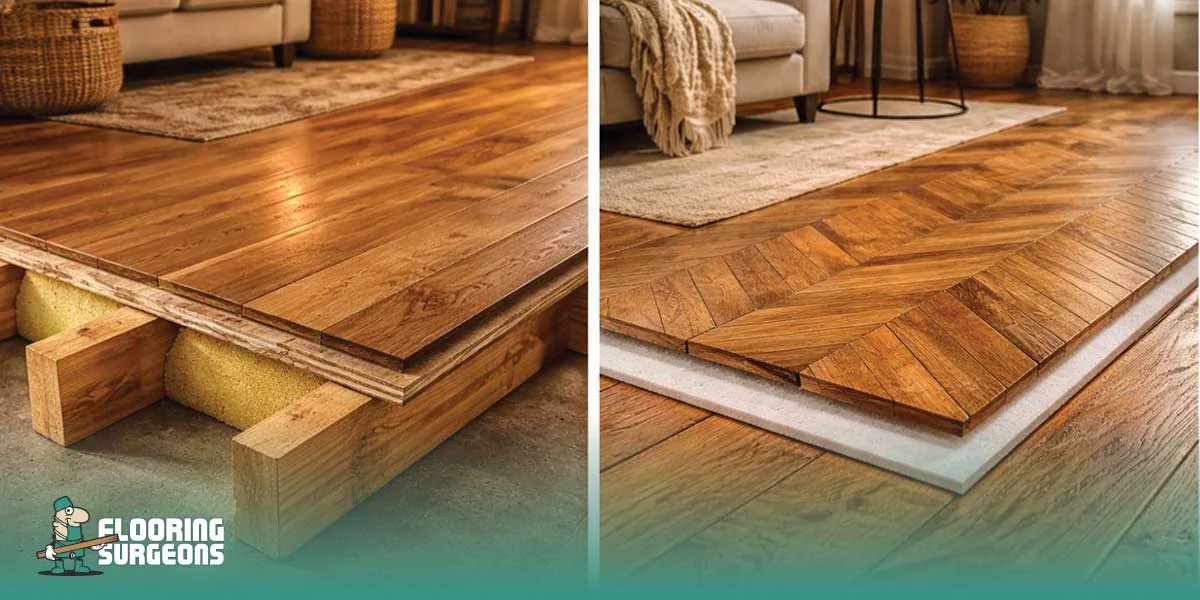
Light wood floors such as oak, maple, or ash help soften the intensity of magenta. If you want that natural look with more day-to-day stability, engineered wood flooring is often one of the most practical options.
Best use
Living rooms, open-plan spaces, and smaller rooms where brightness is important.
Design style
Scandinavian interiors, modern minimalist homes, and contemporary spaces with neutral palettes.
Dark Walnut Floors
Dark walnut flooring creates a rich contrast against magenta walls. If the goal is a more premium and timeless look, many homeowners lean towards solid wood flooring in deeper tones.
Best use
Formal living rooms, dining areas, and statement interiors.
Design style
Elegant interiors, modern luxury homes, and classic contemporary design.
Neutral Stone Flooring
Stone flooring in beige, limestone, or soft taupe tones provides a calm foundation that balances strong wall colours. The subtle texture of natural stone also adds visual interest without competing with magenta.
Best use
Large open spaces, entryways, and homes with natural light.
Design style
Mediterranean interiors, modern organic design, and relaxed luxury spaces.
Grey Oak Flooring
Grey oak floors are popular in contemporary interiors because they neutralise bold colours without making the space feel cold. When paired with magenta, the result is a modern palette that feels both balanced and sophisticated. For more inspiration in that direction, see our ideas on modern grey flooring for living rooms.
Best use
Apartments, modern homes, and open living areas.
Design style
Contemporary interiors, urban design, and modern minimalist spaces.
Practical Magenta Room Ideas That Work in Real Homes
Magenta works best when it appears intentionally rather than everywhere in the room. Designers typically let magenta act as the visual highlight, while the rest of the space remains balanced through neutral furniture, flooring tones, and textures.
Here are practical ways magenta is used successfully in different rooms.
• Living Room
Magenta works well on a statement sofa, accent chairs, or one feature wall. When paired with light wood or grey flooring, the colour feels vibrant without overwhelming the space.
• Bedroom
In bedrooms, magenta is often introduced through upholstered headboards, bedding, or soft wall accents. Neutral flooring, such as oak or beige stone, helps keep the room calm and restful.
• Dining Room
Dining spaces benefit from deeper magenta tones paired with darker flooring like walnut or smoked oak. If you want to add pattern as well as depth, parquet and herringbone flooring can work especially well in more decorative dining spaces.
• Accent Wall Designs
A magenta accent wall is one of the safest ways to introduce bold colour. Balanced flooring tones such as light wood, grey oak, or stone prevent the wall from dominating the room.
Why Flooring Plays a Key Role When Using Bold Colours Like Magenta
When people think about colour in interior design, they often focus on walls and furniture. In reality, the floor is one of the most influential visual elements in a room. Flooring covers a large surface area, which means its tone helps control how strong colours like magenta are perceived. If you want to understand this contrast more clearly, our guide to dark flooring vs light flooring psychology breaks down how floor tone changes the feel of a room.
Flooring Materials Designers Prefer With Magenta Interiors
The material of the floor matters just as much as the colour. Different flooring types interact with magenta in different ways depending on texture, warmth, and reflectivity.
Luxury Vinyl Plank (LVP)
Luxury vinyl plank is a popular option for modern homes because it can replicate natural wood tones while remaining durable and easy to maintain. For homeowners who want practicality without losing the visual warmth of timber looks, luxury vinyl flooring is a strong fit.
Best use
Homes that want the warmth of wood tones while maintaining practicality.
Design effect
Neutral LVP tones help soften magenta and create a modern, balanced interior.

Hardwood Flooring
Hardwood flooring creates a timeless foundation for bold colour palettes. Natural wood grains add warmth and texture that complement magenta walls.
Best use
Living rooms, open spaces, and homes aiming for a refined aesthetic.
Design effect
Wood flooring adds natural balance and prevents bold colours from feeling artificial.
Natural Stone
Stone flooring introduces texture and subtle colour variation, which works well with vibrant walls.
Best use
Entryways, kitchens, and large open spaces.
Design effect
Stone surfaces calm the intensity of magenta while adding a sophisticated, organic look.

Engineered Wood
Engineered wood offers the appearance of real hardwood with improved stability in different environments.
Best use
Modern homes and apartments.
Design effect
Soft wood tones from engineered flooring help maintain colour balance in bold interior palettes.
Common Mistakes When Decorating With Magenta
Magenta can create beautiful interiors, but small design mistakes can quickly make a room feel overwhelming.
• Using magenta on too many surfaces at once
• Pairing magenta with multiple competing bright colours
• Ignoring contrast between walls and flooring
• Poor lighting that makes the colour appear too intense
Avoiding these mistakes keeps the space visually balanced and comfortable.
Designer Tips for Using Magenta Without Overpowering a Room
Bold colours work best when they are part of a balanced design strategy. The goal is to allow magenta to stand out while the rest of the room supports it. That usually starts with choosing the right flooring colour, because the floor sets the visual base for the whole palette.
A few design principles help achieve this balance.
• Use magenta as a focal point rather than the dominant colour
• Combine it with neutral tones like grey, beige, or natural wood
• Choose flooring that stabilises the palette rather than competing with it
• Allow natural light and textures to soften strong colour contrasts
When these elements work together, magenta becomes a feature rather than a distraction.

Bring Drama and Balance to Your Home With the Right Flooring
Magenta is one of the most expressive colours in interior design. When used carefully, it can introduce personality, elegance, and visual depth to a home. The key is balance. Strong colours always rely on foundational design elements such as flooring, materials, and textures to create harmony within the space.
Magenta is one of the most expressive colours in interior design, but it only works well when the rest of the room supports it. Floor tones, wood grains, and surface textures all help stabilise bold palettes and make them feel more refined. At Flooring Surgeons, we see this balance matter in real homes every day, especially when bold wall colours need a flooring choice that keeps the whole space cohesive.

Haniye Ayanmanesh
As an expert writer for Flooring Surgeons, I combine technical SEO knowledge with a practical understanding of flooring, producing content that helps users make confident decisions while supporting long-term organic growth.