


Modern homeowners are increasingly drawn to the charm of vintage decor, blending timeless character with the clean lines of modern interior design. This design approach—often called modern vintage style—creates spaces that feel both sophisticated and personal. Instead of relying solely on brand-new furniture and finishes, designers now mix antique pieces, reclaimed materials, and heritage textures with contemporary layouts.
However, one element often determines whether this combination feels harmonious or chaotic: the flooring. In interior design, flooring acts as the visual foundation of a room, anchoring furniture, colors, and textures into a cohesive style. The right floor—whether reclaimed wood, classic parquet, or wide-plank hardwood—can effortlessly bridge vintage character with modern aesthetics. Understanding how to integrate vintage finds while building your design from the ground up allows you to create interiors that feel curated, balanced, and timeless rather than outdated.
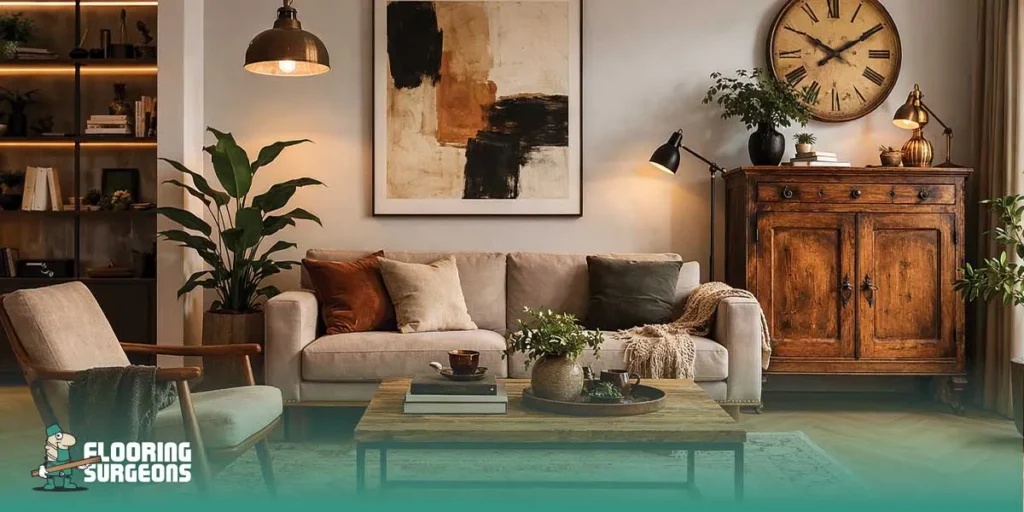
Table of contents
What Is Modern Vintage Interior Design?
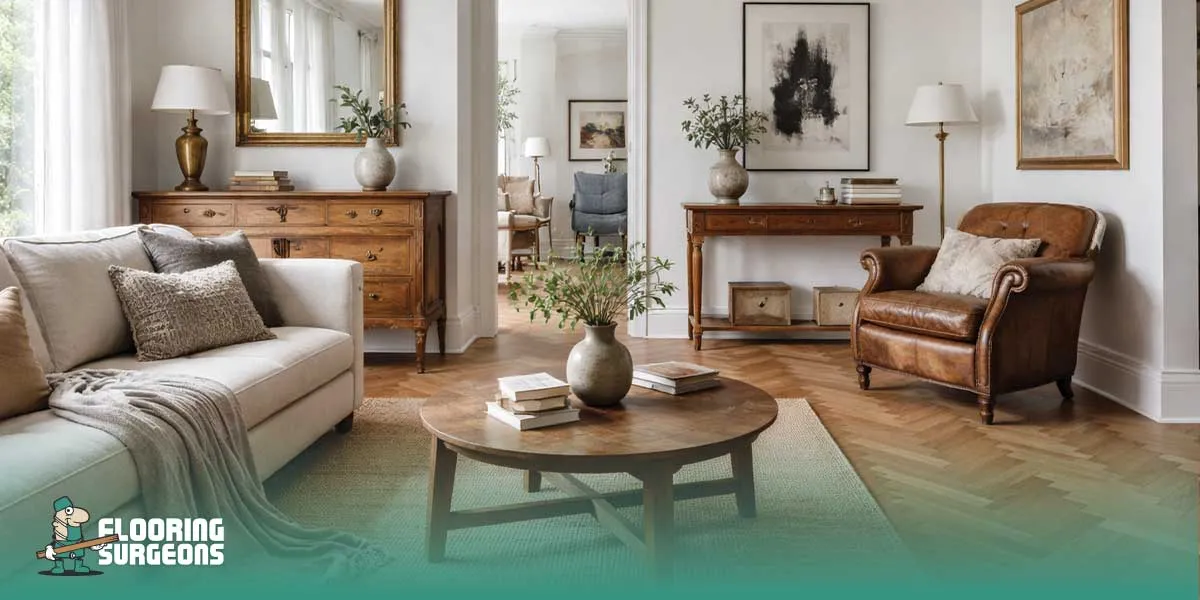
Modern vintage interior design is a style that blends classic pieces from the past with clean contemporary elements. Instead of recreating a purely antique space, this approach focuses on balance. A modern layout, neutral color palette, and minimal forms create the foundation, while carefully selected vintage pieces add character and history.
What makes this style work is contrast. Sleek modern furniture can sit next to a restored antique cabinet, while contemporary lighting may complement a vintage coffee table. The result is a home that feels curated rather than staged.
One important detail many homeowners overlook is that materials set the tone of the entire space. Flooring, textures, and architectural finishes often determine whether the vintage and modern elements feel cohesive. Classic wood floors, reclaimed materials, and timeless patterns frequently act as the bridge between old character and modern simplicity.
Key Characteristics of Modern Vintage Design
Key characteristics of modern vintage interiors include:
• A mix of antique and contemporary furniture
• A neutral modern base that allows vintage pieces to stand out
• One or two statement vintage items that create visual focus
• Natural materials such as wood, leather, brass, and linen
• Classic flooring patterns like parquet or wide plank hardwood that connect old and new elements
Start from the Ground Up: Choosing Flooring for Modern Vintage Interiors
When people think about mixing vintage and modern interiors, they often start with furniture or decorative pieces. However, experienced designers usually begin somewhere far more fundamental: the floor.
Flooring acts as the visual base that connects every element in a room. Colours, textures, and furniture styles all sit on top of it. If the flooring feels disconnected from the design direction, even well-chosen vintage pieces can appear out of place. In modern vintage interiors, natural materials tend to work best. Timber floors in particular offer the warmth and character associated with older homes while still fitting comfortably within contemporary spaces. Subtle imperfections, grain patterns, and aged finishes help create authenticity without making a room feel outdated.
Another reason wood flooring works so well in this style is its versatility. The same surface can complement a sleek modern sofa, an antique cabinet, or a mid-century coffee table. This makes flooring one of the easiest ways to create visual harmony between different design eras. For homeowners who want to introduce vintage character into a modern space, choosing the right flooring style is often the first step rather than the last.
Flooring Styles That Complement Modern Vintage Interiors
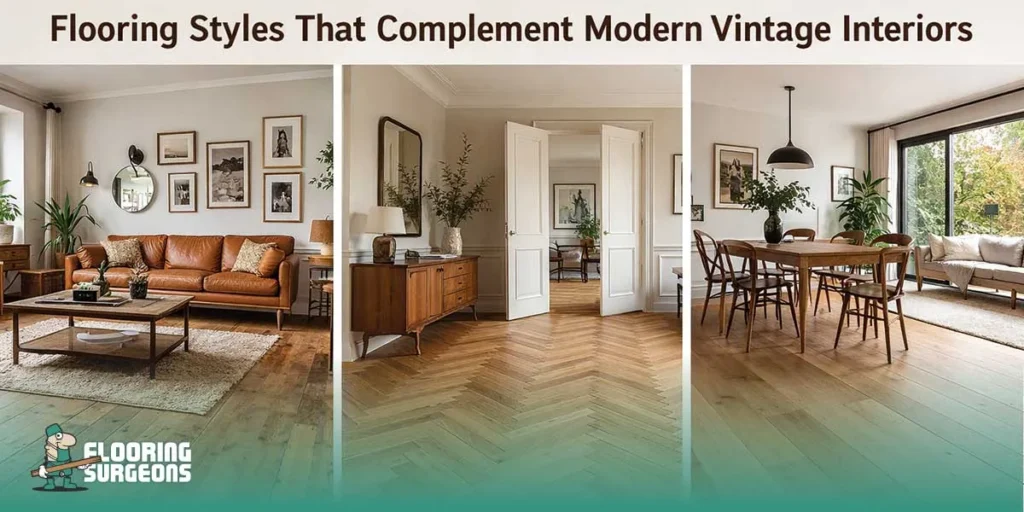
Some flooring styles naturally support a modern vintage aesthetic.
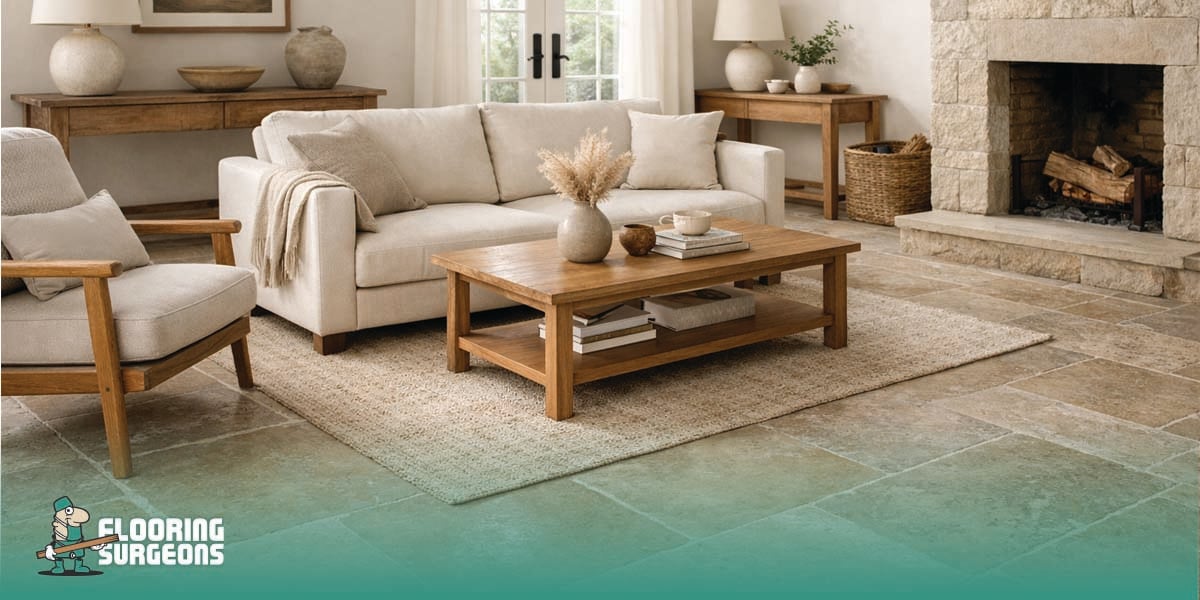
• Reclaimed wood flooring: Reclaimed timber introduces authentic ageing and texture. Each plank carries natural variations that give a room warmth and historical character. For homeowners working with original boards, restoring old wooden floors can sometimes preserve that same sense of heritage more effectively than replacing them altogether.
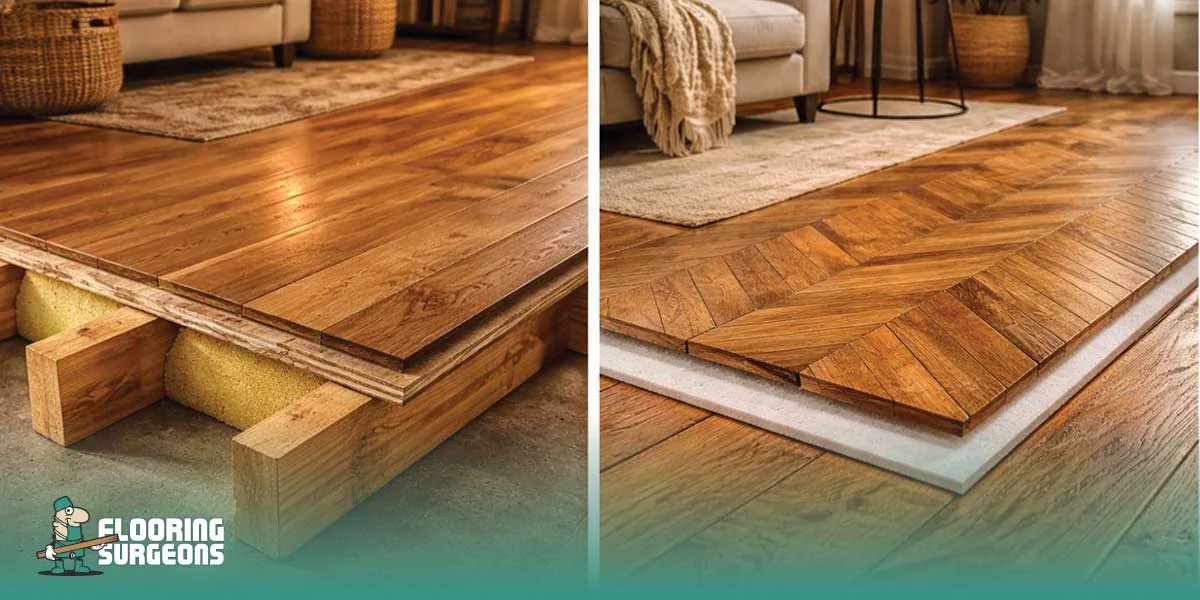
• Classic layouts such as herringbone flooring have been used in European interiors for centuries, yet they still feel elegant and relevant in modern homes.
• Herringbone hardwood floors that add visual movement and timeless sophistication
• Wide plank oak flooring that provides a clean modern look while maintaining natural warmth
These flooring choices allow vintage furniture and accessories to stand out without making the space feel overly traditional.
Flooring Style Comparison
Using a table improves both readability and SEO structure.
| Flooring Style | Visual Character | Best Rooms | Design Benefit |
| Reclaimed wood flooring | Rustic and authentic | Living rooms and open spaces | Adds heritage character |
| Parquet flooring | Classic and refined | Dining rooms and hallways | Creates architectural detail |
| Herringbone hardwood | Elegant and timeless | Living areas and entrances | Enhances visual movement |
| Wide plank oak | Minimal yet warm | Bedrooms and modern spaces | Bridges modern and vintage styles |
Why Mixing Vintage and Modern Design Works So Well
Mixing vintage and modern design works because it creates contrast with purpose. Contemporary interiors often favour clean lines, open layouts, and minimal ornamentation. While this approach feels fresh and organised, it can sometimes lack warmth or individuality. Vintage elements introduce the opposite qualities: texture, history, and personality. That sense of warmth is not only decorative, and the role of floor texture in creating visual warmth becomes especially important when old and new materials are being layered in the same room.
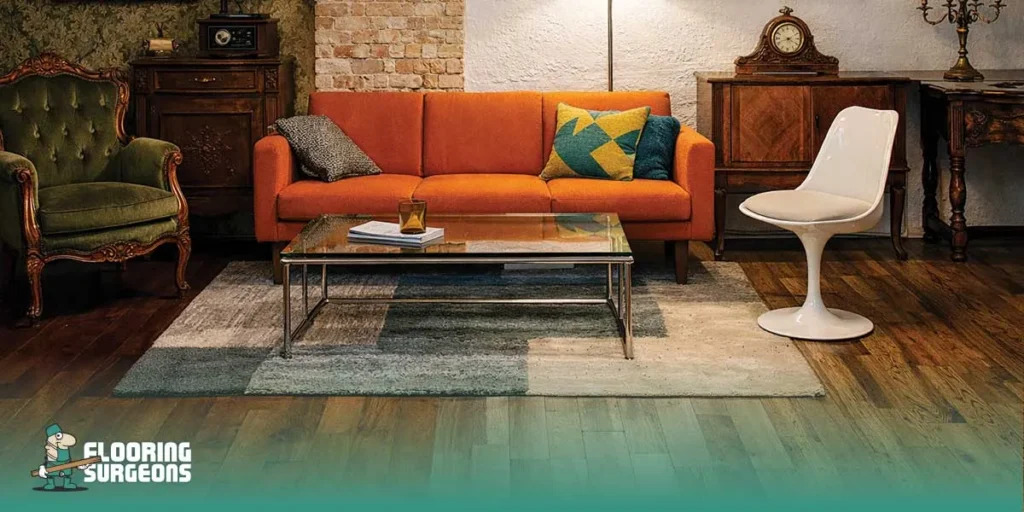
This contrast is what gives modern vintage interiors their distinctive appeal. A sleek contemporary sofa paired with an antique wooden cabinet instantly creates visual interest. The space feels curated rather than purely styled, as if each piece has its own story.
Another reason this design approach works so well is its timeless aesthetic. Instead of following short -trends, modern vintage interiors combine enduring materials and classic design references. Natural wood, aged brass, linen fabrics, and handcrafted details rarely go out of style.
There is also a growing sustainability aspect to this approach. Reusing vintage furniture, restoring original architectural features, or choosing reclaimed materials reduces waste and extends the life of existing resources. In many homes, even elements such as restored timber flooring can contribute to this sustainable design philosophy.
When executed thoughtfully, the result is a space that feels balanced, authentic, and visually rich without becoming overwhelming.
How to Mix Vintage and Modern Interior Design (Step by Step)
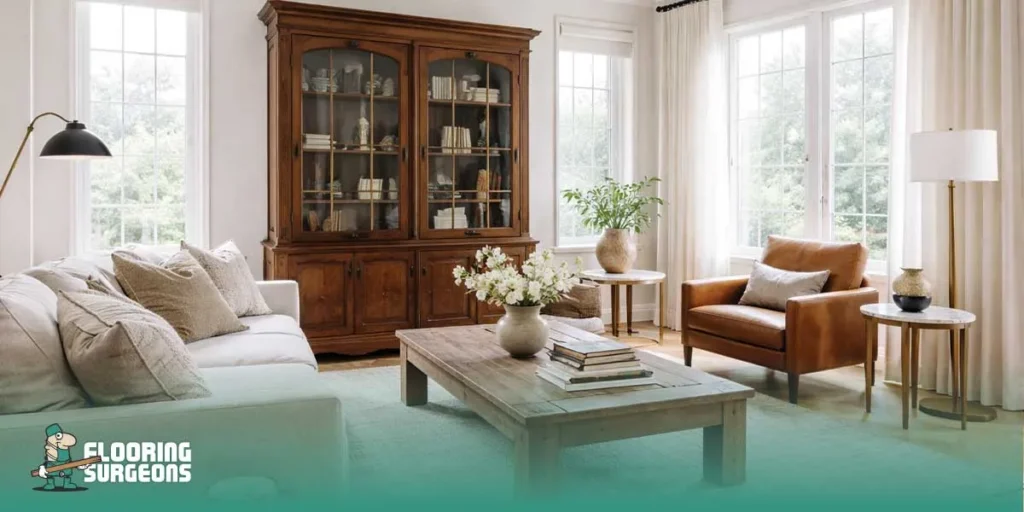
Creating a balanced modern vintage interior is easier when you follow a clear design approach.
• Start with a modern neutral base
Use neutral walls, simple furniture shapes, and uncluttered layouts. A calm modern foundation allows vintage pieces to stand out without overwhelming the space.
• Add one vintage statement piece
Choose a focal item such as an antique cabinet, vintage coffee table, or restored armchair. One strong vintage element often creates more impact than several smaller pieces.
• Balance old and new materials
Pair traditional materials like solid wood or brass with contemporary surfaces such as glass, steel, or polished stone.
• Use flooring to unify the space
Flooring helps tie different design eras together. Classic timber floors, reclaimed wood, or timeless patterns like herringbone often create a bridge between vintage character and modern simplicity.
• Layer textures for visual depth
Combine soft fabrics, natural wood, woven materials, and metal finishes to create richness without clutter.
• Keep the colour palette cohesive
Even when mixing styles, a consistent colour palette ensures the room feels intentional rather than mismatched.
How to Incorporate Vintage Furniture into Modern Spaces Without Disrupting the Design Balance
Introducing vintage furniture into a modern interior is less about filling a room with antiques and more about creating intentional contrast. When done well, vintage pieces bring personality and craftsmanship to spaces that might otherwise feel overly minimal.
The key is balance. Modern interiors tend to favour simplicity, clean lines, and open layouts, while vintage furniture often carries decorative details and natural textures. By combining the two thoughtfully, homeowners can create interiors that feel both refined and welcoming.
Several design principles help maintain harmony between these contrasting elements.
• Contrast shapes rather than styles
Pair curved vintage furniture with sleek modern pieces. This creates visual interest without overwhelming the space.
• Mix wood and metal materials
Vintage wood surfaces often complement modern materials such as steel, glass, or brushed metal finishes.
• Use vintage pieces as focal points
Instead of scattering antiques throughout the room, select one or two statement pieces that naturally draw attention.
• Avoid overcrowding the space
Modern interiors benefit from breathing room. Allow vintage items to stand out rather than competing with too many decorative elements.
Room by Room Guide to Blending Vintage Charm with Modern Interior Design
Applying a modern vintage style across an entire home requires more than simply mixing old and new furniture. Each room serves a different purpose, and the way vintage elements are introduced should reflect the function and atmosphere of that space.
A living room might benefit from stronger contrasts and statement pieces, while kitchens and bedrooms often require a more balanced and subtle approach. Materials, textures, and flooring choices also play a significant role in creating consistency throughout the home. By considering how vintage elements interact with modern layouts in each room, homeowners can create interiors that feel cohesive, comfortable, and timeless rather than mismatched.
Designing a Modern Vintage Living Room Around Texture, Contrast, and Wood Flooring
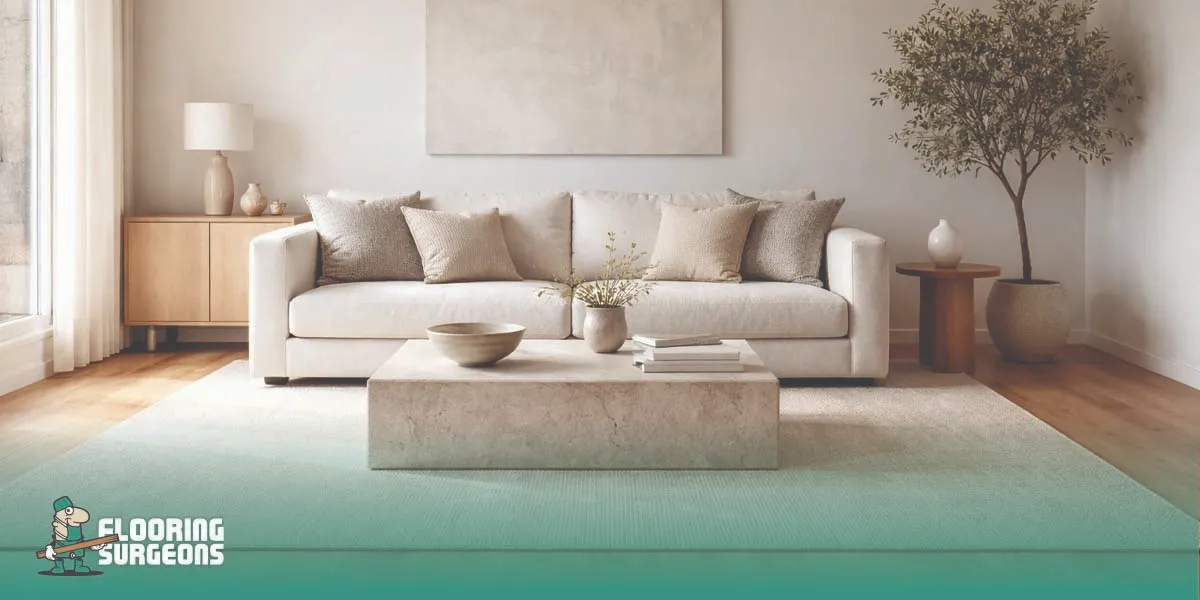
A modern vintage living room often begins with a balanced combination of contemporary comfort and character rich details. One effective approach is pairing a modern sofa with a distinctive vintage centrepiece such as a vintage coffee table or antique side cabinet. In spaces built around a few strong pieces, understanding how flooring affects furniture placement can help the room feel balanced rather than visually crowded.
This contrast creates visual depth while maintaining a relaxed and uncluttered atmosphere. Neutral colour palettes help highlight the natural materials often found in vintage pieces, including aged wood and handcrafted finishes.
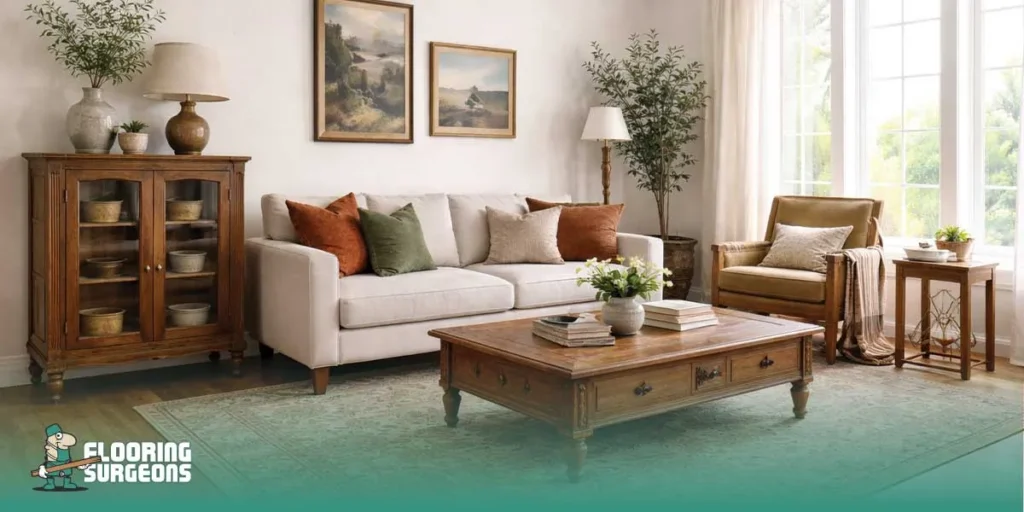
Flooring also plays a subtle but important role in bringing the design together. Wood flooring, particularly in warm oak or reclaimed timber tones, provides a natural base that complements both modern furniture and vintage accents. The result is a living space that feels layered, welcoming, and thoughtfully curated rather than overly styled.
Creating a Modern Vintage Kitchen That Balances Character with Functionality
Kitchens offer a perfect opportunity to blend vintage charm with modern practicality. Contemporary cabinetry and streamlined appliances can be softened by carefully chosen vintage elements that add warmth and personality.
For example, vintage bar stools can introduce texture and craftsmanship around a modern kitchen island. Small details such as brass fixtures, antique handles, or aged lighting also help create a sense of character without compromising functionality.
Flooring once again becomes an important design anchor. Classic wood floors provide a timeless foundation that works equally well with modern cabinetry and vintage accents. Their natural warmth prevents contemporary kitchens from feeling overly sterile while maintaining the clean, open look that modern layouts often prioritise.
Designing a Calm Modern Vintage Bedroom with Warm Materials and Antique Details
Bedrooms benefit from the softer side of modern vintage design. Instead of dramatic contrasts, the focus here is often on creating a calm and layered atmosphere.
An antique bed frame can become the focal point of the room, especially when paired with neutral modern bedding that keeps the overall look fresh and uncluttered. Vintage bedside tables, woven textiles, or aged brass lamps can further enhance the sense of character.
Underfoot, warm wood flooring helps unify the entire space. Natural timber tones add depth and comfort while supporting both contemporary and vintage furniture pieces. The result is a bedroom that feels restful, balanced, and quietly timeless.
Design Mistakes to Avoid When Mixing Vintage and Modern Interiors
Even though combining vintage and modern elements can create beautiful interiors, the balance is easy to disrupt if a few key design principles are ignored. Many spaces begin with good intentions but end up feeling cluttered or stylistically confused.
Avoiding a few common mistakes can make a significant difference.
• Using too many antique pieces
When every item in the room is vintage, the space can quickly feel heavy and outdated rather than balanced.
• Mismatched colour palettes
Vintage furniture often carries warmer tones. Pairing it with unrelated colour schemes can make the design feel disjointed.
• Ignoring the flooring style
Furniture and décor often receive most of the attention, yet flooring plays a crucial role in connecting the overall design.
• Mixing too many historical eras
Combining Victorian antiques with mid-century furniture and ultra-modern pieces can create visual confusion.
• Poor lighting balance
Vintage interiors benefit from warm lighting that highlights textures and materials rather than harsh modern lighting.
Vintage Flooring Patterns Making a Comeback in Modern Homes
Many flooring styles that were once considered traditional are now returning to popularity in modern interiors. These patterns introduce depth and craftsmanship while still complementing contemporary layouts.
Some of the most notable vintage flooring styles include:
• Herringbone pattern floors
A timeless layout that adds movement and elegance to living spaces.
• Chevron floors
For a sharper and more directional take on traditional geometry, chevron flooring creates a refined architectural look that suits both classic and contemporary interiors.
• Parquet flooring
A classic European pattern known for its intricate geometry and decorative appeal.
• Distressed hardwood
Wood surfaces with subtle ageing that introduce warmth and historical character.
• Reclaimed wood planks
Timber recovered from older structures that offers authentic texture and natural variation.
How Flooring Influences the Overall Interior Design Style
Flooring is often one of the most overlooked elements in interior design, yet it plays a defining role in shaping the overall character of a space. Unlike furniture or décor, which can be rearranged or replaced, the floor acts as the permanent visual base upon which the entire design is built.
The texture and tone of flooring influence how other materials are perceived. Warm timber floors, for example, naturally complement vintage furniture, brass accents, and natural fabrics. At the same time, their clean lines allow them to work effortlessly within modern interiors.
Another important factor is visual harmony. When flooring complements the colours and materials of furniture, the room feels cohesive and balanced. If the flooring clashes with these elements, even carefully chosen décor can feel disconnected.
This is why many designers treat flooring as a foundational design decision rather than a finishing detail. By selecting materials and patterns that support both vintage character and contemporary simplicity, homeowners can create interiors that feel timeless and well considered.
Why Professional Flooring Installation Matters for Interior Design
Selecting the right flooring style is only part of the process. The way a floor is installed can significantly influence how the final design appears within a space.
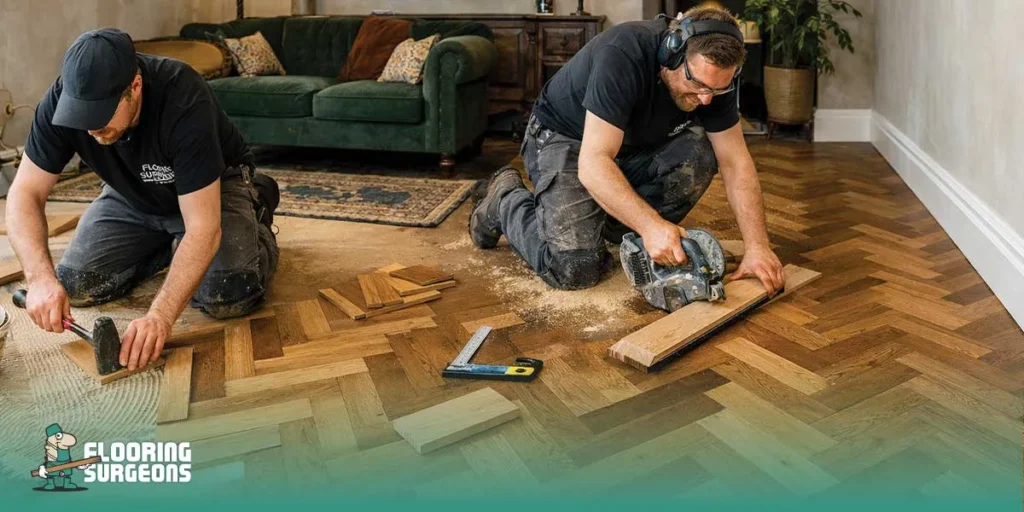
Precise installation ensures that patterns such as herringbone or parquet align perfectly across the room. Even small inconsistencies can disrupt the visual flow of the interior. Professional flooring specialists also understand how different materials behave over time, which helps prevent issues such as uneven surfaces or premature wear.
Durability is another important factor. Proper preparation of the subfloor, accurate spacing, and careful finishing all contribute to flooring that maintains its appearance for years to come.
For homeowners creating a modern vintage interior, working with experienced flooring professionals can ensure that the design vision is translated into a durable and aesthetically balanced result. For homeowners creating a modern vintage interior, working with experienced flooring specialists such as Flooring Surgeons can help ensure that the design vision is translated into a durable and aesthetically balanced result.
Final Thoughts: Creating a Timeless Modern Vintage Home
Blending vintage finds with modern interiors is not about following strict rules. Instead, it is about creating thoughtful contrasts that bring warmth, personality, and history into contemporary spaces. By balancing vintage furniture with modern layouts, choosing natural materials, and paying attention to foundational elements such as flooring, homeowners can create interiors that feel both timeless and
Small design decisions often have the greatest impact. A carefully chosen vintage coffee table, a restored antique bed frame, or a classic wood floor pattern can transform a space from ordinary to distinctive.
When every element works together, the result is a home that feels layered, welcoming, and enduring rather than driven by short-lived trends. For those planning to upgrade their flooring as part of this design approach, seeking expert advice can help ensure that both the aesthetic and practical aspects of the project are handled with care.

Haniye Ayanmanesh
As an expert writer for Flooring Surgeons, I combine technical SEO knowledge with a practical understanding of flooring, producing content that helps users make confident decisions while supporting long-term organic growth.