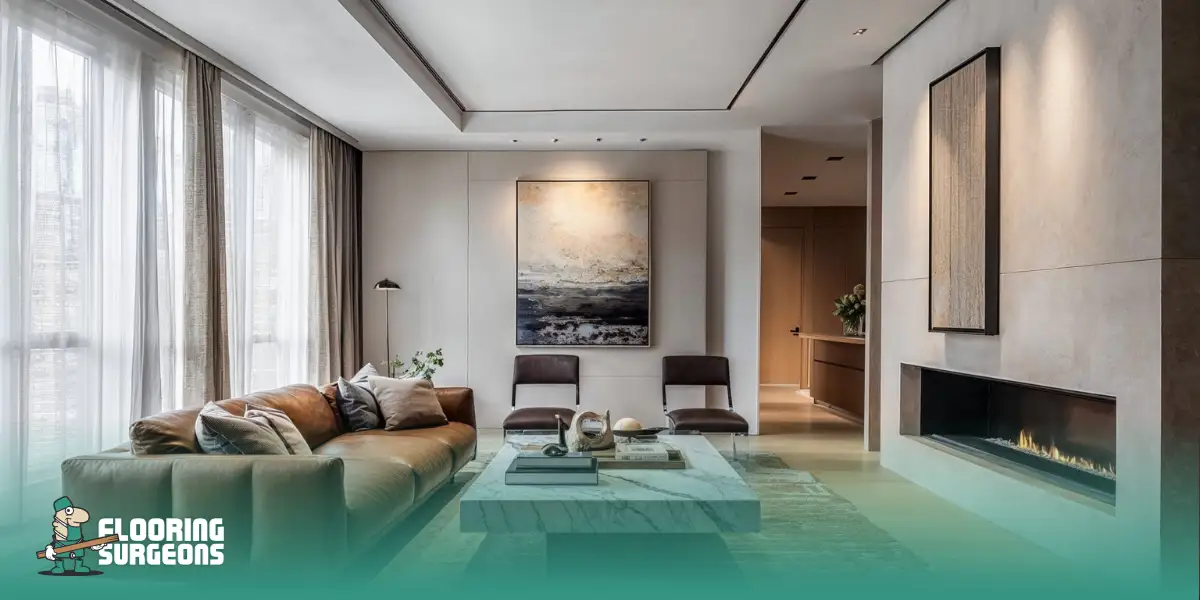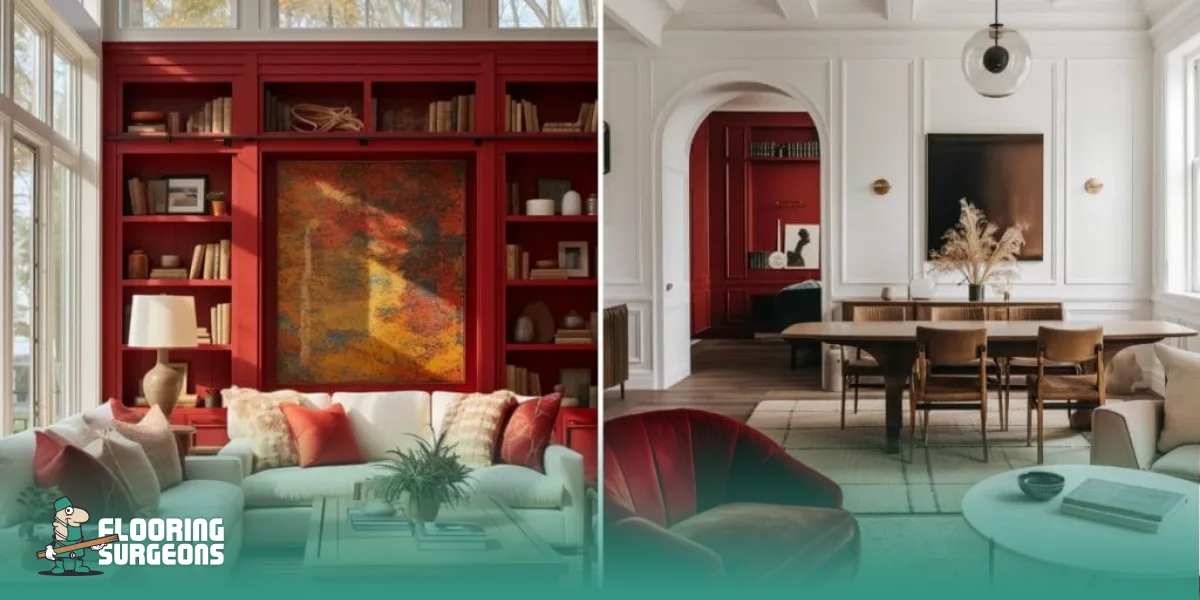


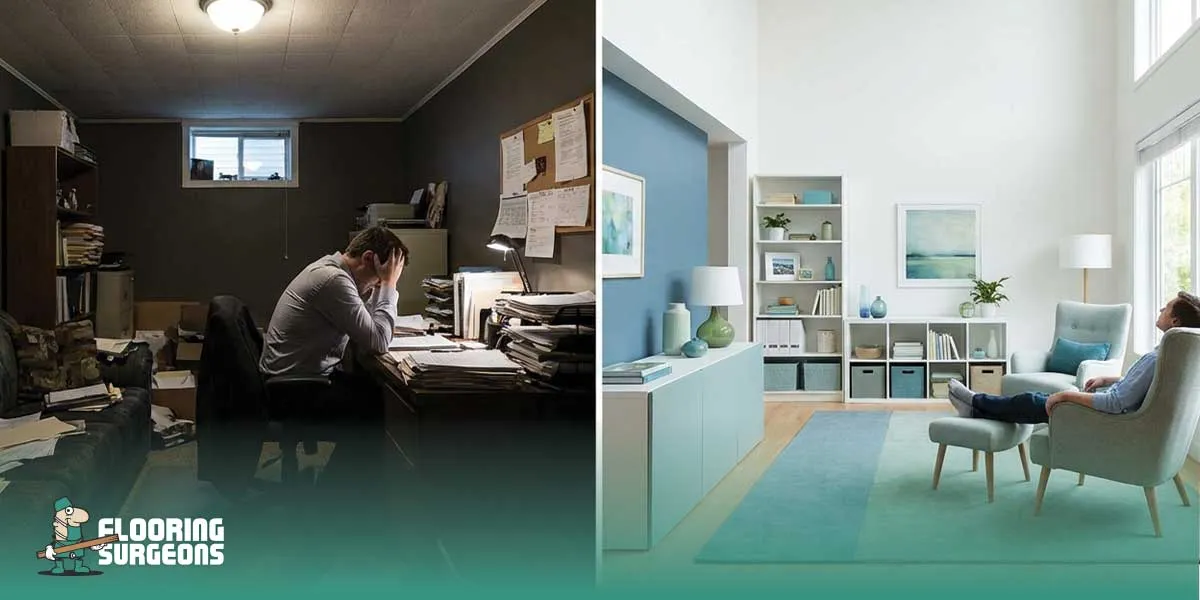
Interior design affects mental health by influencing how your brain processes light, space, color, sound, and visual complexity. The layout of a room, the amount of natural light, the level of clutter, and even ceiling height can impact stress levels, mood regulation, focus, and sleep quality. In short, your environment continuously signals safety or tension to your nervous system, whether you notice it or not.
Research in environmental psychology shows that poorly lit spaces can disrupt circadian rhythm, clutter increases cognitive load and anxiety, and a lack of natural elements can elevate stress responses. On the other hand, thoughtful spatial flow, balanced colour temperature, biophilic elements, and proper acoustic control can reduce cortisol levels, improve emotional stability, and enhance overall well-being. Interior design is not just aesthetic; it is neurological and physiological. If you have ever walked into a room and instantly felt calm, productive, overwhelmed, or restless, that reaction was not random. It was your brain responding to spatial cues. In this article, we will break down the science behind how interior design and mental health are connected, what elements matter most, and how small changes in your space can meaningfully improve psychological well-being.
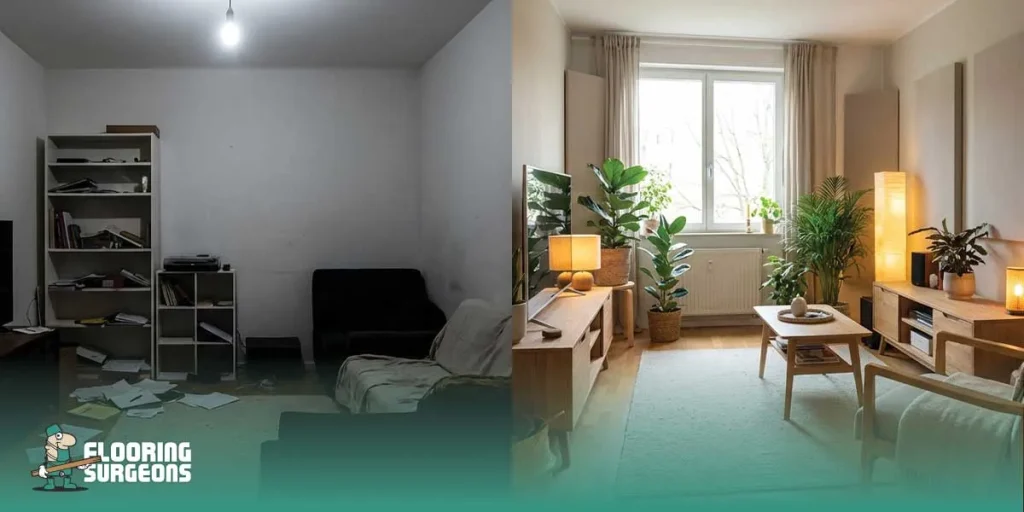
Table of contents
The Science Behind Interior Design and Mental Health
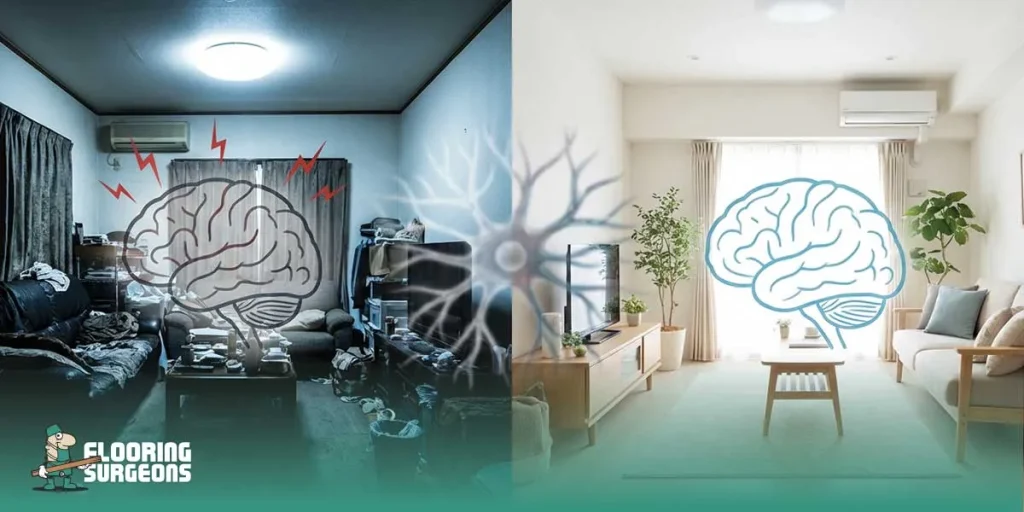
Interior design affects mental health because the brain constantly scans the environment for signals of safety, predictability, and control. This process happens automatically through the autonomic nervous system. Elements such as light intensity, spatial layout, color contrast, noise levels, and material texture influence how the brain interprets a space. Environmental psychology research shows that built environments can either activate stress responses or support emotional regulation. When a space feels chaotic, visually overwhelming, or poorly lit, the brain may increase cortisol production and remain in a mild state of alertness. Over time, this can contribute to anxiety, irritability, and mental fatigue.
Conversely, environments that offer visual clarity, balanced contrast, natural light exposure, and coherent spatial flow help reduce cognitive strain. These conditions support parasympathetic nervous system activation, which promotes calmness and recovery. Interior design is not only about aesthetics. It directly interacts with neurological pathways related to stress response, attention, and mood stability. Interior design and mental health are closely linked to physical surroundings, and understanding the importance of flooring in overall health can reveal how materials, acoustics, and surface comfort influence wellbeing.
How Light Exposure Influences Mood and Circadian Rhythm
Light is one of the strongest environmental regulators of mental health. It influences melatonin production, serotonin levels, and the body’s circadian rhythm. Exposure to natural daylight supports stable sleep cycles, improves alertness, and enhances mood regulation. Insufficient natural light can disrupt circadian timing. When this happens, individuals may experience low energy, difficulty concentrating, and increased susceptibility to mood disorders. Artificial lighting also plays a critical role. Warm lighting in the evening supports relaxation, while high intensity cool lighting late at night may interfere with sleep preparation.
Here is how different lighting conditions affect mental wellbeing:
• Natural daylight supports serotonin production and stabilizes mood
• Morning light exposure helps regulate sleep wake cycles
• Cool white lighting enhances focus but may increase overstimulation if overused
• Low light environments can contribute to lethargy and reduced motivation
• Balanced layered lighting reduces visual strain
Designing interiors with access to daylight, adjustable lighting temperature, and controlled brightness directly supports psychological wellbeing.
Color Psychology and Emotional Regulation
Color influences emotional processing through associative and physiological responses. The brain interprets color temperature and saturation as environmental cues. Warm tones may feel stimulating or comforting depending on intensity. Cooler tones can feel calming or detached depending on context. Highly saturated colors increase stimulation and can elevate heart rate slightly. Soft muted tones tend to reduce sensory intensity and support emotional regulation. However, no color works universally. Context, lighting, and cultural interpretation all influence emotional response.
For example, deep blues may promote calm focus in workspaces. Soft earth tones often create psychological grounding. Overly stark white environments, if not balanced with texture, can feel clinical rather than peaceful. Color psychology does not operate in isolation. It interacts with lighting, material finish, and spatial proportion. Emotional regulation improves when color contrast is intentional rather than accidental.
Clutter, Cognitive Load, and Anxiety Levels
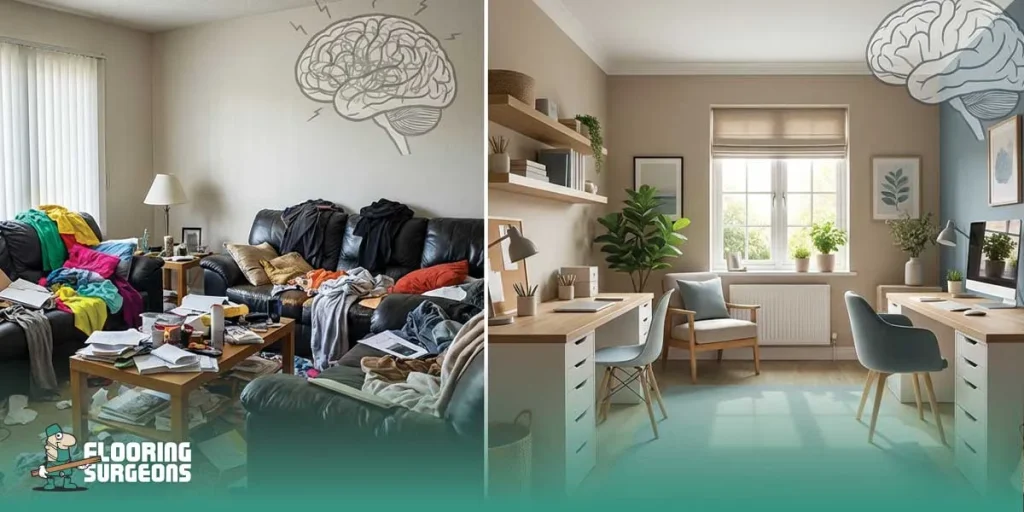
Clutter affects mental health by increasing cognitive load. Cognitive load refers to the amount of mental effort required to process information. When a room contains excessive visual stimuli, the brain must continuously filter irrelevant details. This filtering consumes attentional resources. Research shows that cluttered environments are associated with elevated stress markers and decreased ability to focus. Visual noise can overstimulate the brain, especially in individuals who are already experiencing anxiety.
Here is how clutter impacts mental wellbeing:
• Increases background cognitive effort
• Reduces ability to sustain attention
• Elevates stress perception
• Interferes with decision making
• Decreases sense of control
Minimalism is not the only solution. The key is visual organization. Structured storage, clear surfaces, and defined zones reduce cognitive overload while maintaining personality and warmth. When interior design reduces unnecessary visual complexity, it directly supports emotional clarity and psychological comfort.
Biophilic Design and the Brain’s Response to Nature
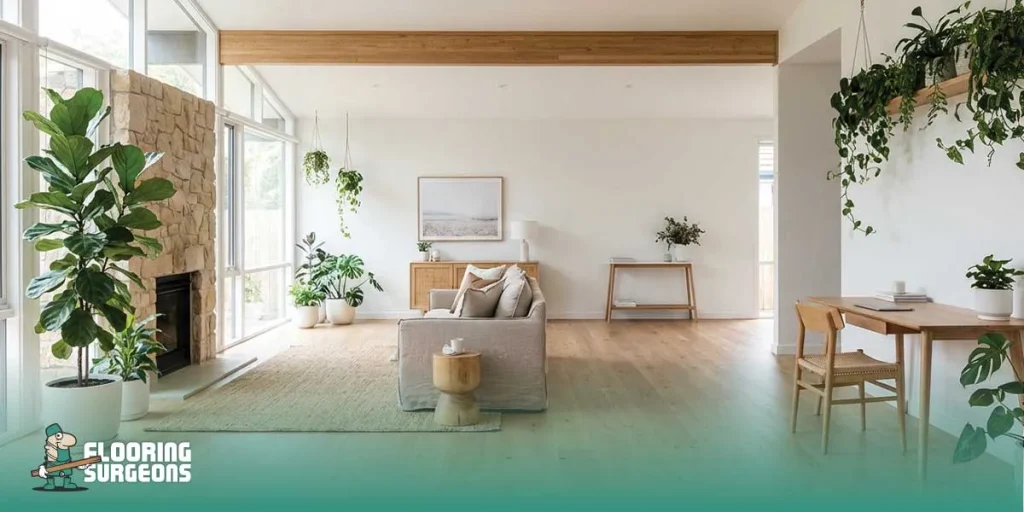
Biophilic design is based on the idea that humans are neurologically wired to respond positively to natural elements. Studies in environmental psychology show that exposure to plants, natural materials, daylight, and organic patterns reduces stress levels and improves emotional wellbeing. When natural elements are integrated into the home environment, the brain shifts toward parasympathetic activation, promoting calmness and recovery.
In the context of interior design and mental health, biophilic design supports mood regulation and cognitive function. Even small additions such as indoor plants, natural textures, or views of greenery can lower anxiety and improve focus. Natural light also enhances dopamine balance, which contributes to motivation and mental clarity. Biophilic design is not about decoration. It is about creating a sensory environment that mirrors patterns found in nature, helping the brain interpret the space as safe and restorative. If you are aiming to introduce natural textures that support biophilic design and emotional well-being, you can explore our engineered wood flooring collection to see how organic materials influence atmosphere.
How Layout and Spatial Flow Affect Stress
The way furniture and architectural elements are arranged influences how the brain processes movement and safety. Poor spatial flow can subconsciously increase stress levels, especially in small or crowded environments.
A clear layout improves cognitive ease. When circulation paths are intuitive and visual barriers are minimized, the brain expends less effort navigating the space. This reduction in cognitive friction directly supports emotional wellbeing. Spaces that lack clear zones often increase anxiety because the brain struggles to distinguish between rest areas, work areas, and transition spaces. Defined zones, on the other hand, help maintain psychological boundaries and stabilize mood. Interior design affects mental health not only through color and light but also through how easily the body moves through space.
The Role of Acoustics in Emotional Wellbeing
Acoustics are one of the least discussed yet most powerful factors in mental health and interior design. Noise pollution, echo, and constant background sound elevate cortisol levels and interfere with cognitive function. Chronic exposure to uncontrolled sound can:
• Increase irritability
• Disrupt concentration
• Elevate stress levels
• Reduce sleep quality
• Heighten anxiety in sensitive individuals
Soft materials such as rugs, curtains, upholstered furniture, and acoustic panels absorb excess sound and reduce auditory overstimulation. In open-plan homes, poor acoustics can significantly impact emotional well-being without occupants realising the cause. Acoustic comfort is a core element of a healthy sensory environment.
Designing for Neurodiversity and Sensory Sensitivity
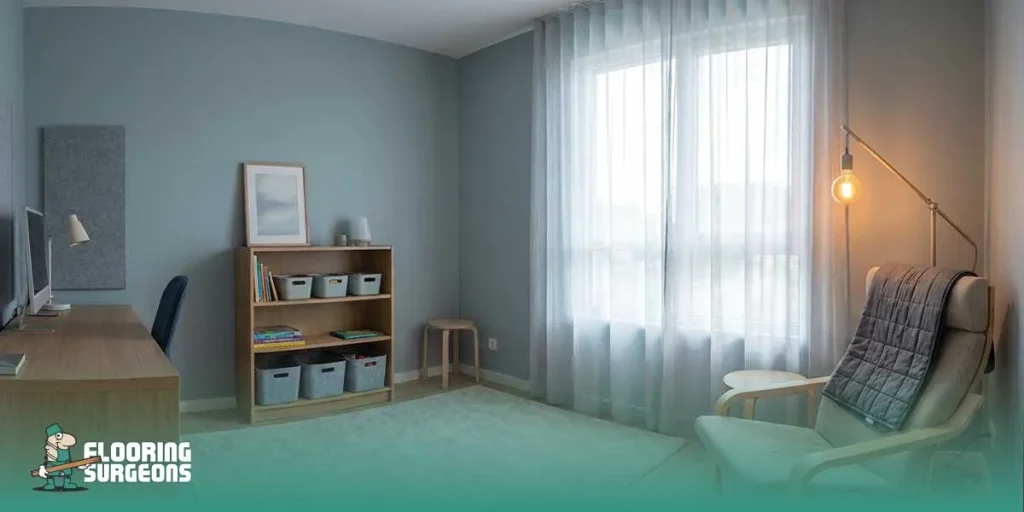
Not all brains respond to space in the same way. Neurodivergent individuals, including those with ADHD or autism spectrum conditions, often experience heightened sensory sensitivity. Interior design and mental health intersect strongly in these cases.
Reducing Sensory Overload
Visual clutter, harsh lighting, and unpredictable noise can increase anxiety. Simplified layouts and muted color psychology strategies support emotional regulation.
Controlled Lighting and Contrast
Adjustable lighting levels and reduced glare help regulate stress responses. Natural light should be diffused rather than harsh.
Predictable Spatial Structure
Clear zoning and consistent design patterns reduce cognitive load and improve sense of control. Designing for neurodiversity benefits everyone. When a space minimizes sensory overload, cognitive function and mood stability improve across users.
Interior Design and Sleep Quality
Sleep quality is directly connected to environmental factors. Lighting temperature, bedroom layout, and color palette influence melatonin production and circadian rhythm stability. A sleep supportive environment typically includes:
• Warm toned evening lighting
• Reduced blue light exposure
• Soft textures
• Minimal visual stimulation
• Acoustic insulation
Cool high intensity lighting late at night suppresses melatonin and disrupts sleep cycles. Balanced lighting and calm color tones enhance mood regulation and overall wellbeing. Interior design affects mental health significantly through sleep quality because sleep regulates cortisol, dopamine, and emotional resilience.
Remote Work, Home Offices, and Psychological Boundaries
Remote work has blurred boundaries between professional and personal space. Without clear separation, stress levels increase and mental fatigue becomes more common. A well-designed home office supports productivity while protecting emotional well-being. Clear physical boundaries between work and rest zones help the brain switch cognitive modes.
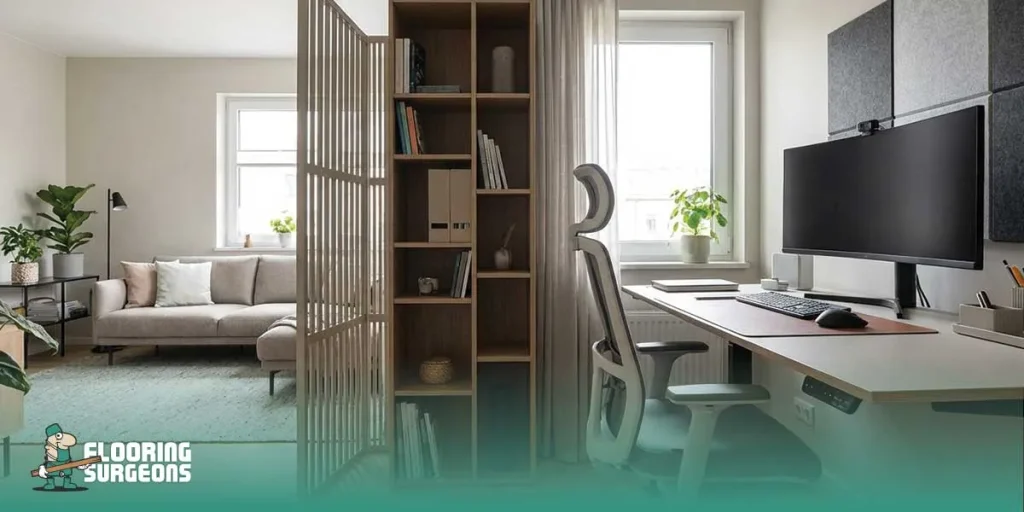
Key factors include:
• Dedicated workspace with visual separation
• Proper ergonomic setup
• Access to natural light
• Reduced background noise
• Organized surfaces to reduce cognitive load
Interior design and mental health are increasingly connected in remote environments where spatial boundaries influence work life balance.
How Interior Design Influences Productivity and Focus
Interior conditions directly impact cognitive performance. Lighting, noise control, spatial organization, and visual clarity determine attention span and task efficiency. Below is a simplified overview:
| Design Element | Impact on Cognitive Function | Effect on Productivity |
| Natural light | Improves alertness | Increases sustained focus |
| Clutter reduction | Lowers cognitive load | Enhances task efficiency |
| Acoustic control | Reduces distraction | Improves concentration |
| Balanced color tones | Supports mood regulation | Stabilizes performance |
| Defined work zones | Strengthens boundaries | Increases output quality |
Productivity is not only about motivation. It is about environmental alignment with mental processes.
Can Interior Design Reduce Cortisol Levels?
Cortisol is the primary stress hormone. Elevated cortisol over long periods contributes to anxiety, fatigue, and reduced cognitive function. Supportive environments can lower baseline stress responses by:
• Increasing exposure to natural light
• Integrating biophilic design elements
• Reducing clutter and visual overload
• Improving acoustic comfort
• Supporting circadian rhythm stability
Interior design and mental health connect at a biological level. When the environment signals safety and predictability, cortisol production stabilises, supporting emotional resilience.
Signs Your Space Is Affecting Your Mental Health
Sometimes the environment influences mood without conscious awareness. Watch for these signs:
• You feel tense immediately upon entering a room
• You struggle to focus in certain areas
• Sleep quality declines without a clear cause
• Clutter increases anxiety
• Lighting feels either harsh or dim
• You feel mentally drained at home
If multiple signs appear, your home environment may need structural or sensory adjustments.
Practical Design Changes That Improve Emotional Well-being
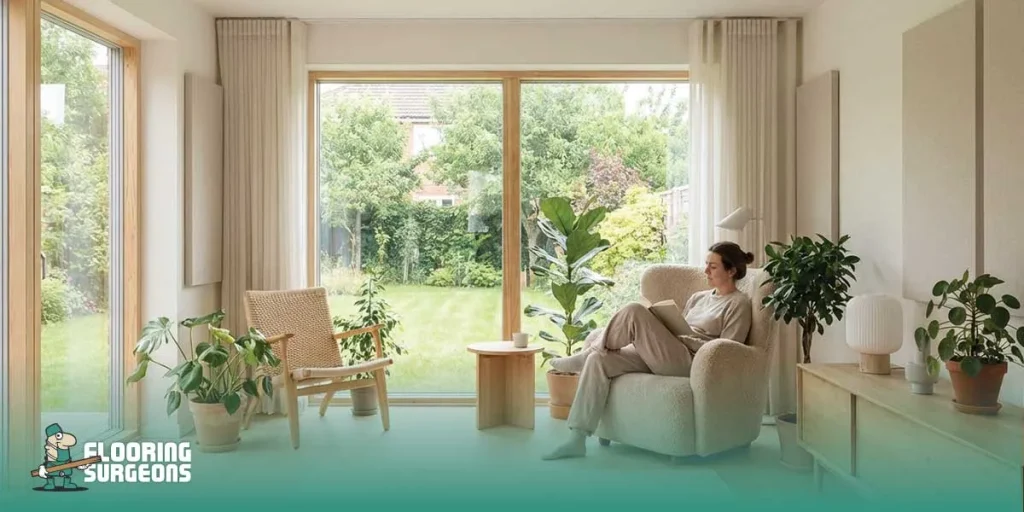
Small changes can significantly improve well-being.
• Increase access to natural light
• Use balanced colour psychology principles
• Introduce biophilic design through plants and natural materials
• Reduce visual clutter
• Improve acoustic softness
• Create clear functional zones
• Adjust lighting temperature for evening hours
Interior design and mental health are deeply connected. When the sensory environment aligns with human neurological needs, stress levels decrease, and emotional well-being improves. To discover more flooring inspiration across our collections and understand how materials shape your home environment, visit our main flooring range.

Haniye Ayanmanesh
As an expert writer for Flooring Surgeons, I combine technical SEO knowledge with a practical understanding of flooring, producing content that helps users make confident decisions while supporting long-term organic growth.